






get involved
Build HUBS: Unlocking federal transit-oriented development financing through targeted reforms
The Build HUBS Act (H.R. 7062 / S. 3636) will make critical reforms to the Railroad Rehabilitation and Improvement Financing (RRIF) and Transportation Infrastructure Finance and Innovation Act (TIFIA) programs to support the creation of more much-needed housing and development near transportation.
Overview
The Build Housing, Unlock Benefits, and Services (Build HUBS) Act is a bipartisan bill designed to make it easier to finance housing and development near transit by improving two major federal financing programs. By cutting red tape and modernizing how these programs work, the bill would help communities build more homes, support local businesses, and make better use of existing transit investments.
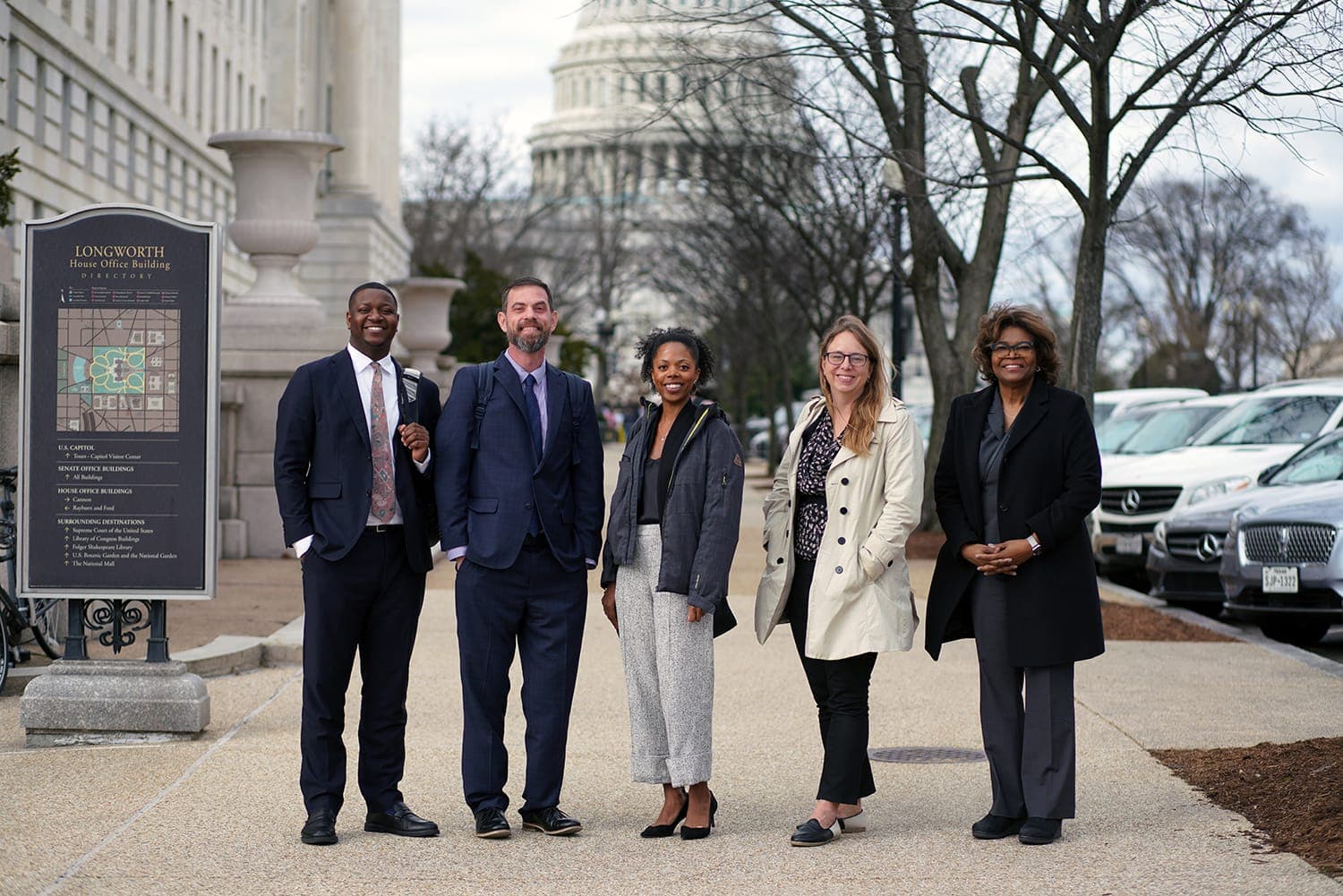
LOCUS collaborated extensively with Congressional partners to develop this bill.
Benefits of Build HUBS
Today, too many housing and mixed-use projects near transit struggle to access federal financing because RRIF and TIFIA were not designed with modern development realities in mind. The Build HUBS Act would cut through unnecessary barriers and modernize these programs so they better support projects that communities actually want to build.
If passed, the Build HUBS Act would:
- Unlock more housing and mixed-use development near transit
- Make federal financing tools more usable for local governments and developers
- Support attainable housing in high-opportunity areas
- Reduce delays that prevent projects from moving forward
- Maximize the value of existing infrastructure investments
- Strengthen local tax bases through more productive land use
What Build HUBS does
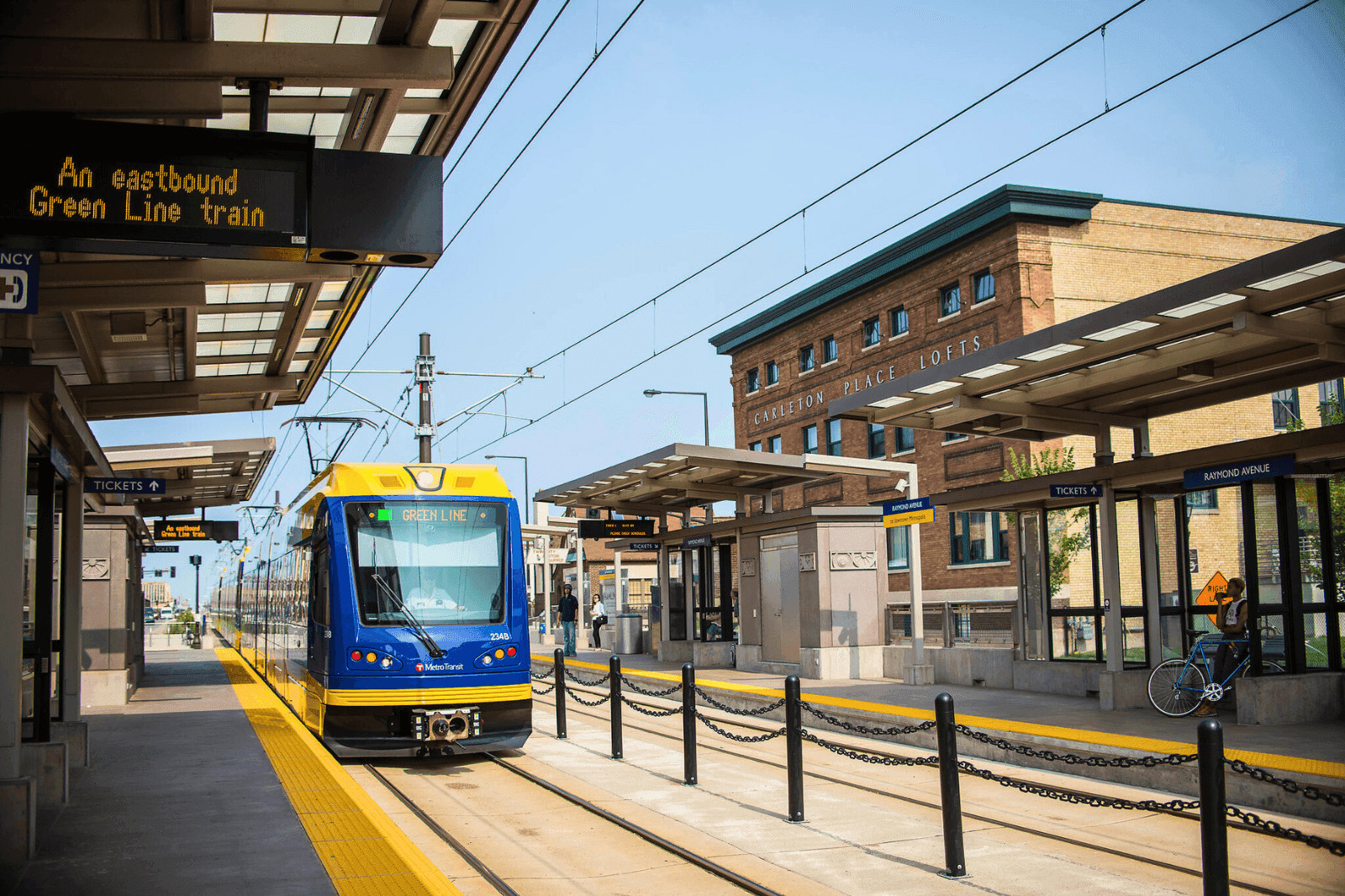
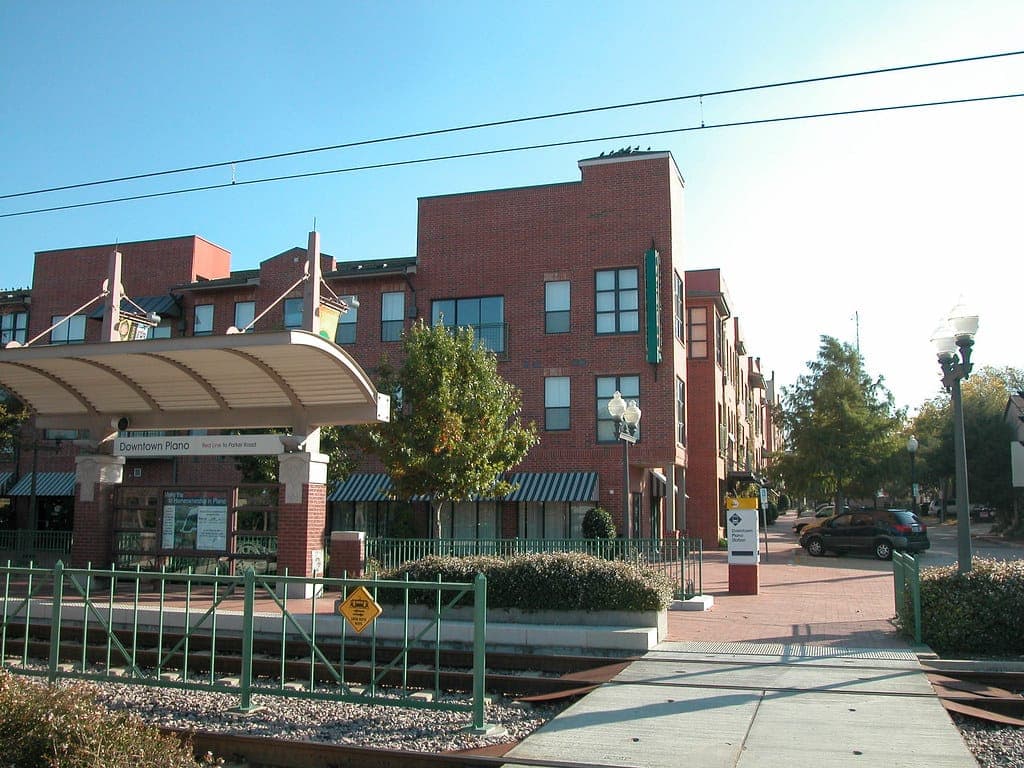
The Build Housing, Unlock Benefits, and Services (Build HUBS) Act would reform the Railroad Rehabilitation and Improvement Financing (RRIF) and Transportation Infrastructure Finance and Innovation Act (TIFIA) programs, two federal loan programs that help finance large transportation and infrastructure projects. If enacted, these updates would make the programs more usable for real-world transit-oriented development (TOD) projects.
Specifically, the Build HUBS Act would improve the two programs by:
- Allowing measures of project creditworthiness other than an investment-grade rating under the TIFIA program
- Creating a delegated origination and underwriting model for both RRIF and TIFIA in which delegated originator-servicers perform origination, underwriting, and servicing under DOT supervision
- Creating a new attainable housing project designation that would allow projects where a majority of residential units are affordable to people at 80 percent of AMI, and all units are under 120 percent AMI to access financing at 1/2 the Treasury rate, and extending the authorization for both programs to fund TOD projects
- Providing relief on certain requirements under the National Environmental Policy Act, including for office-to-residential conversion and infill development
- Making a collection of important administrative adjustments, including changes aimed at streamlining the loan consideration process, providing clarity on fees and MPO coordination requirements, and clarifying the definition of TOD to better capture the wide range of types of transportation assets that can anchor TOD across communities of all sizes

Why transit-oriented development matters
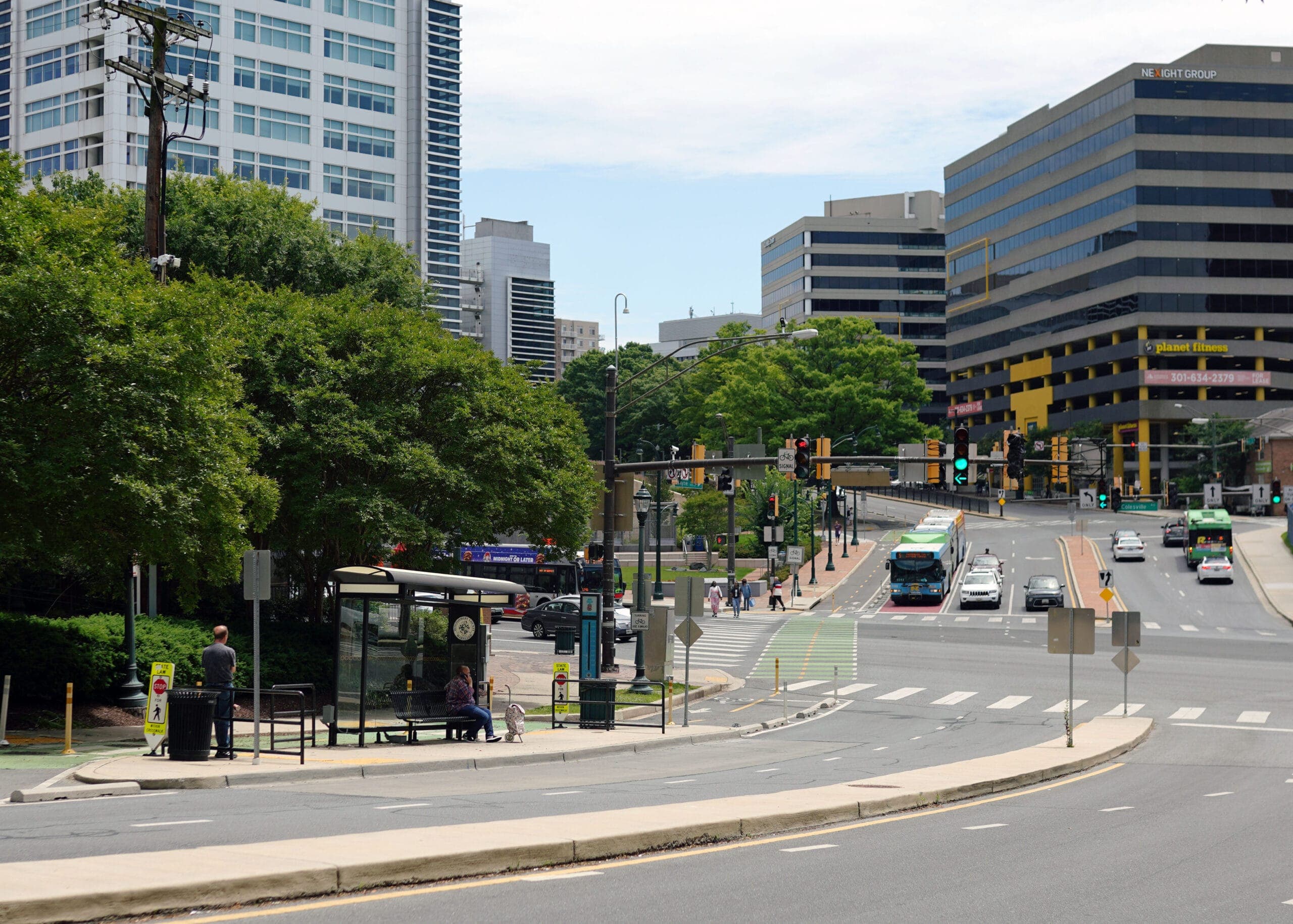
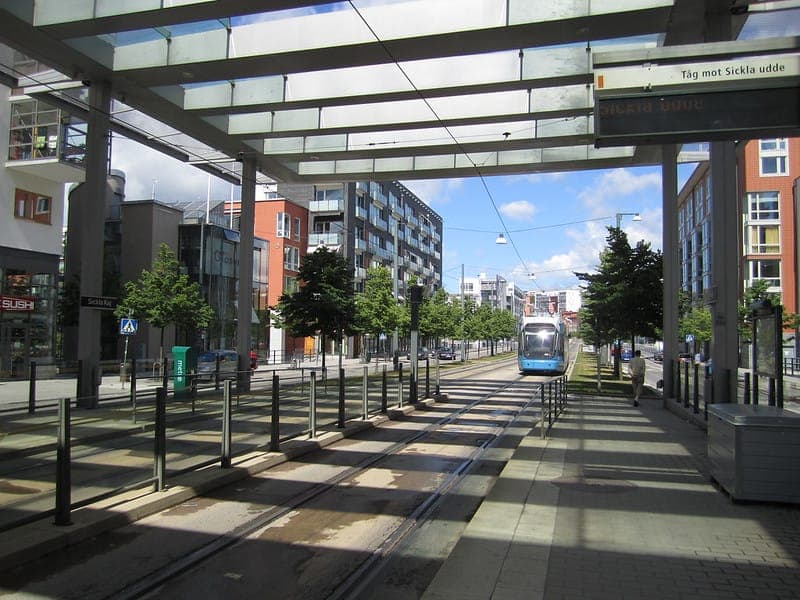
Transit-oriented development is a key priority for Smart Growth America because it helps unlock more housing and mixed-use development in well-connected places where people can reach jobs, services, and daily needs with or without a car. By aligning land use with transit, TOD reduces household transportation costs, supports safer and more accessible communities, and makes better use of existing infrastructure. It also strengthens local tax bases by encouraging more productive, fiscally sustainable growth patterns.
Legislative context
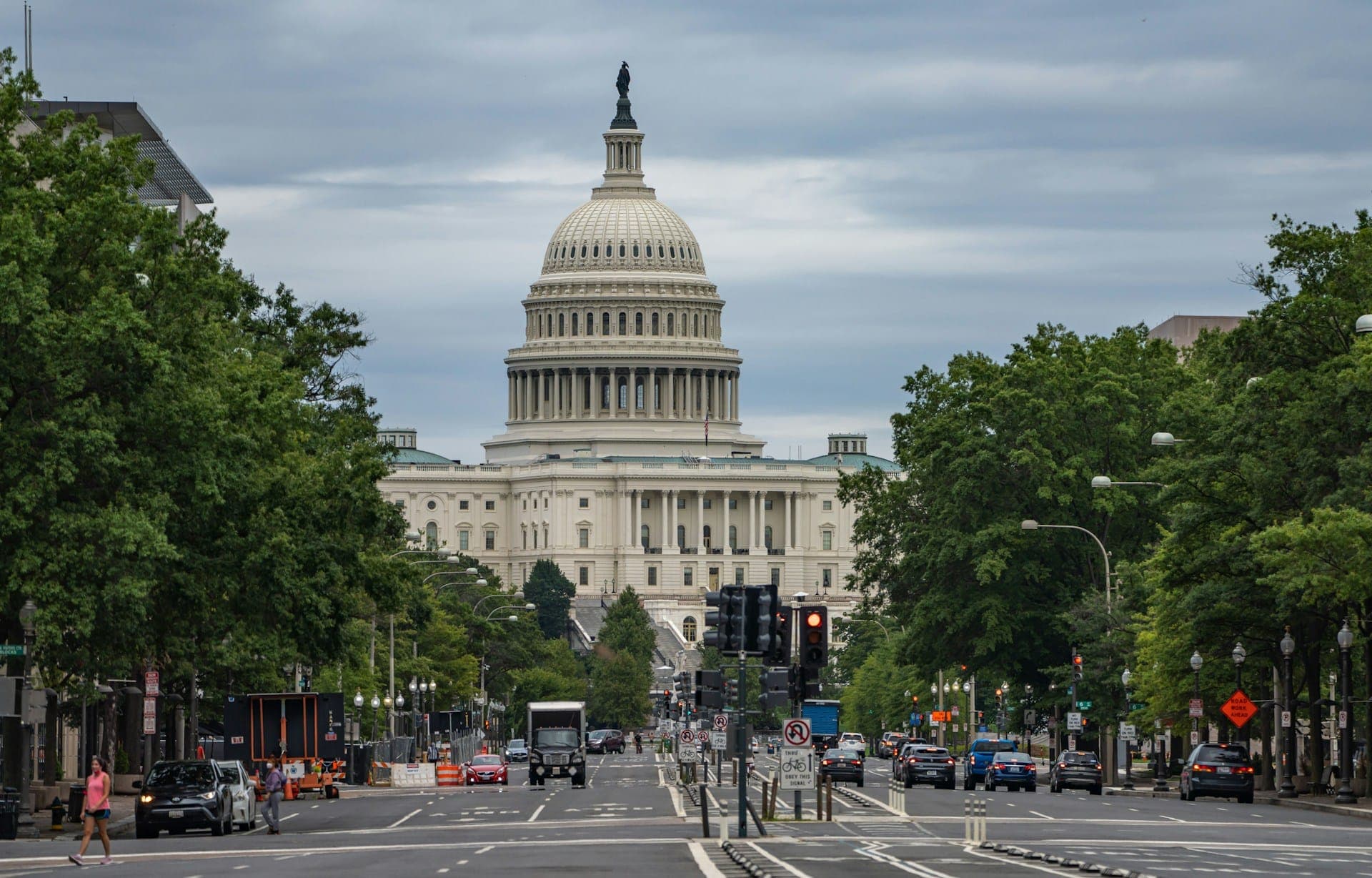
On January 14th, the Build Housing, Unlock Benefits and Services (Build HUBS) Act was introduced by bipartisan champions Sen. Blunt Rochester (D-DE), Sen. Curtis (R-UT), Rep. Friedman (D-CA), and Rep. Lawler (R-NY). We believe both the House and Senate bills will be introduced in March.
Surface Transportation Reauthorization is the likely vehicle for the Build HUBS Act.
Show your support for Build HUBS
Contact your federal representatives and ask them to support or cosponsor the Build HUBS Act. Whether you act individually or on behalf of an organization, your voice can help advance practical reforms that unlock housing and economic opportunity near transit.
If you are interested in meeting with your member of Congress, requesting talking points, accessing outreach templates, or connecting with relevant Congressional staff, contact Elisa Ramirez at [email protected].

Livable places. Healthy people. Shared prosperity.


© 2026 Smart Growth America. All rights reserved
Site By3Lane Marketing
