








News
By Jeri Mintzer, Miguel Rodríguez, December 9, 2025
To build more homes in the right places at the right price, communities must look more closely at the land they already have. Instead of pushing new development outward onto farmland, forests, and sensitive green space, we should focus on land in existing neighborhoods that are not being used to their full potential. Many of these sites already benefit from infrastructure, transit access, and proximity to daily needs, which help lower long-term public costs, shorten commutes, reduce transportation costs, and help more families access opportunity. These factors make underutilized land some of the most promising places to build more housing, helping people afford to live where they want.
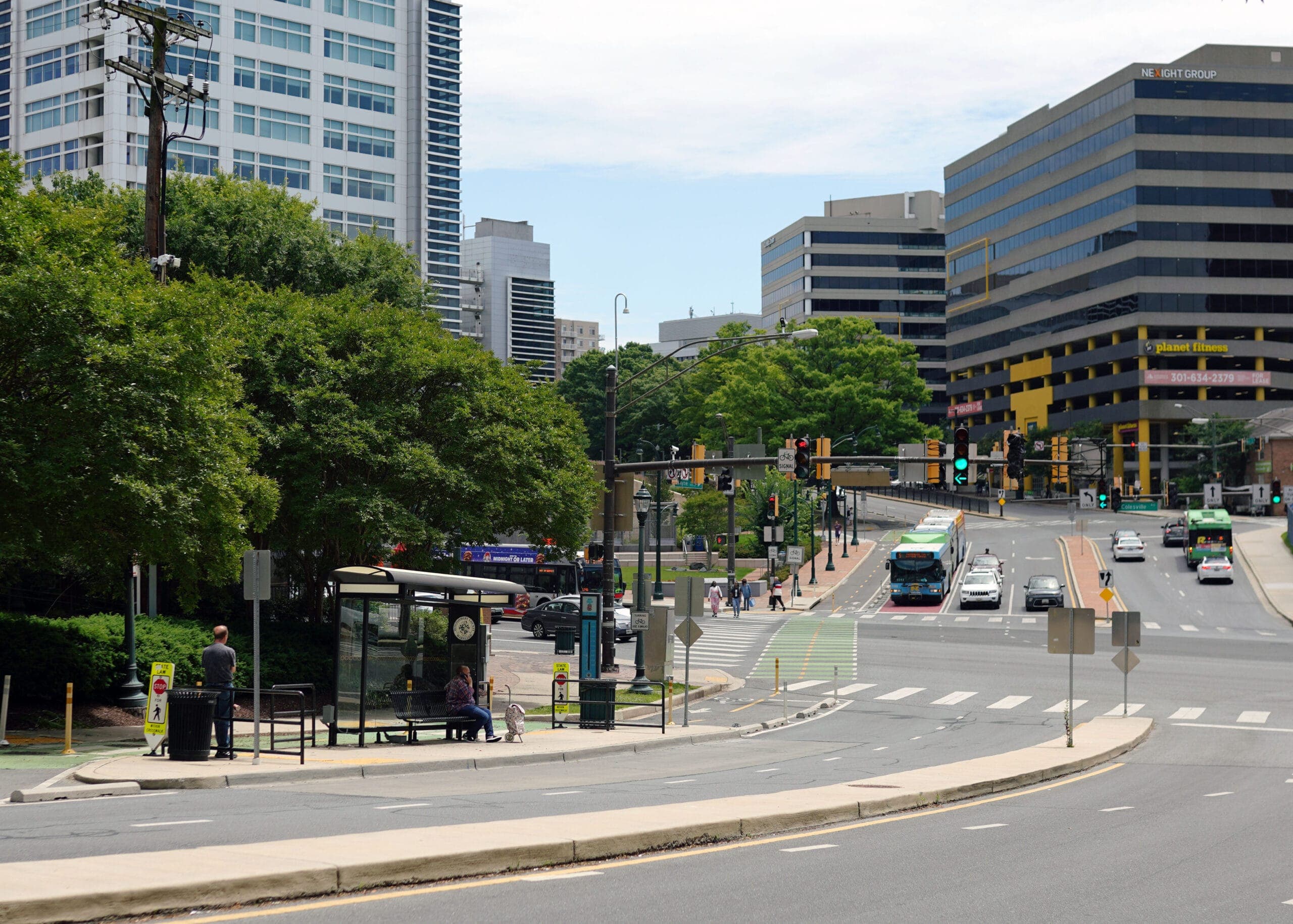
Many communities declare that they are “built out” or “full,” yet these same communities often contain large surface parking lots, vacant parcels, underused commercial centers, and formerly contaminated sites that sit idle or contribute far less than they could. These overlooked spaces are often exactly where people want to live—near jobs, schools, and services. Redeveloping them is not only better for the environment but also more fiscally responsible. Extending roads, sewer, water, and utilities to greenfield developments is one of the most expensive choices local governments can make, while infill development makes better use of infrastructure that already exists.
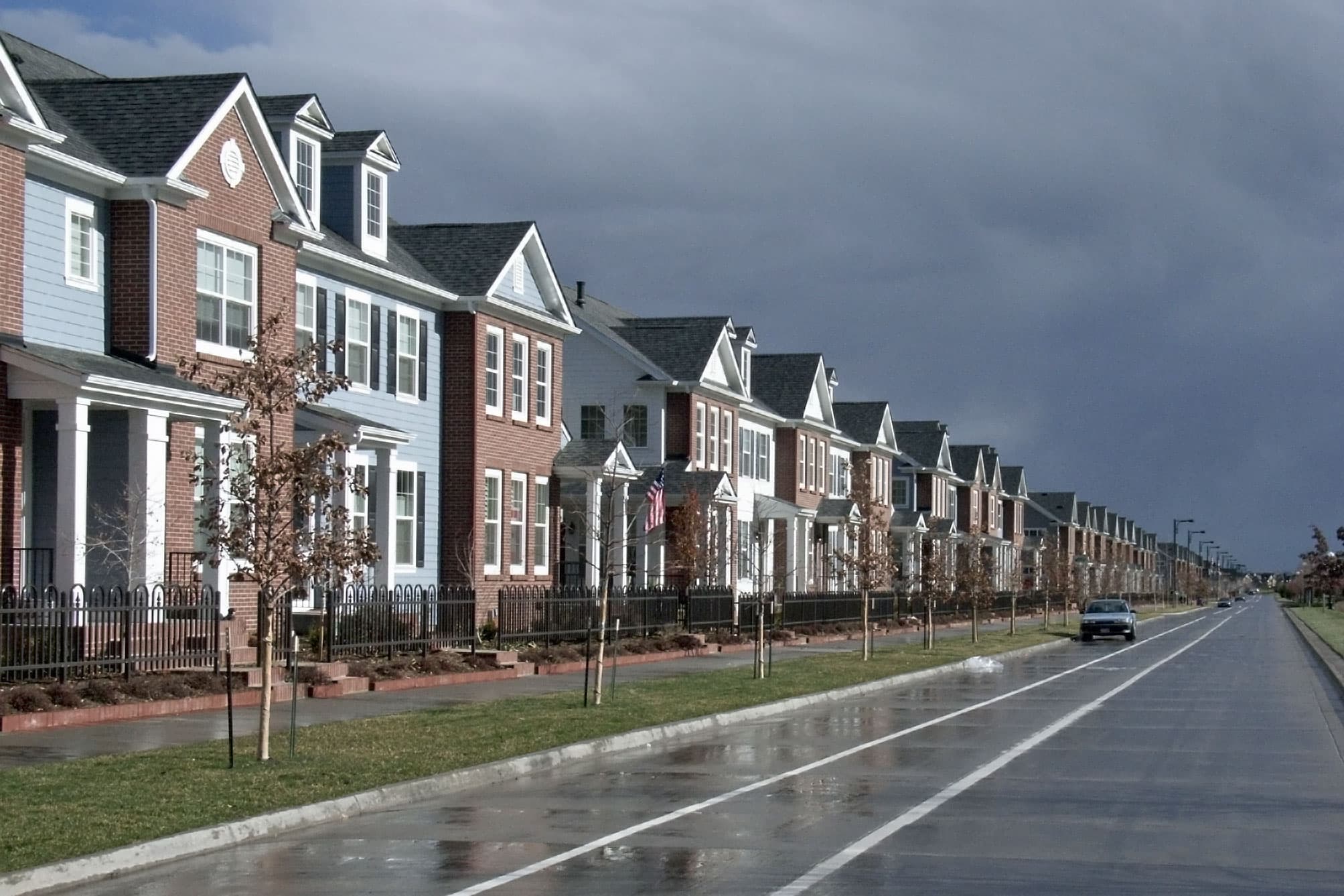
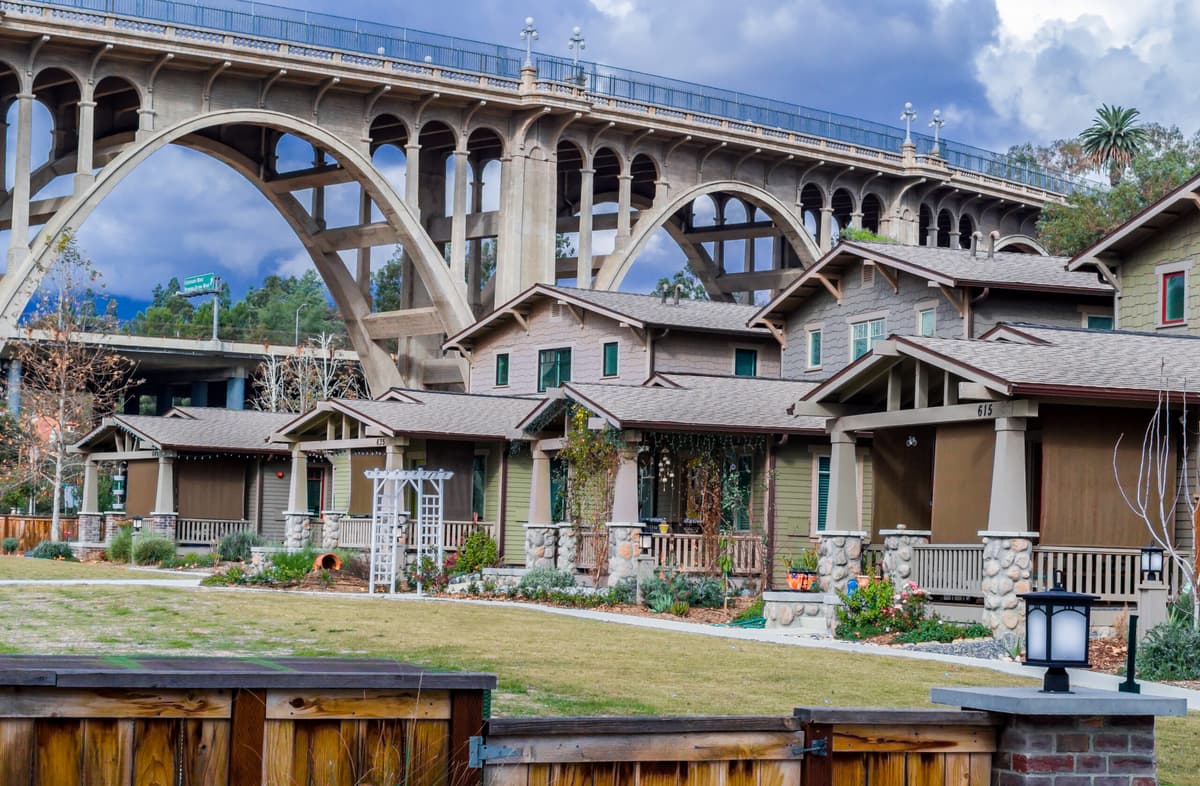
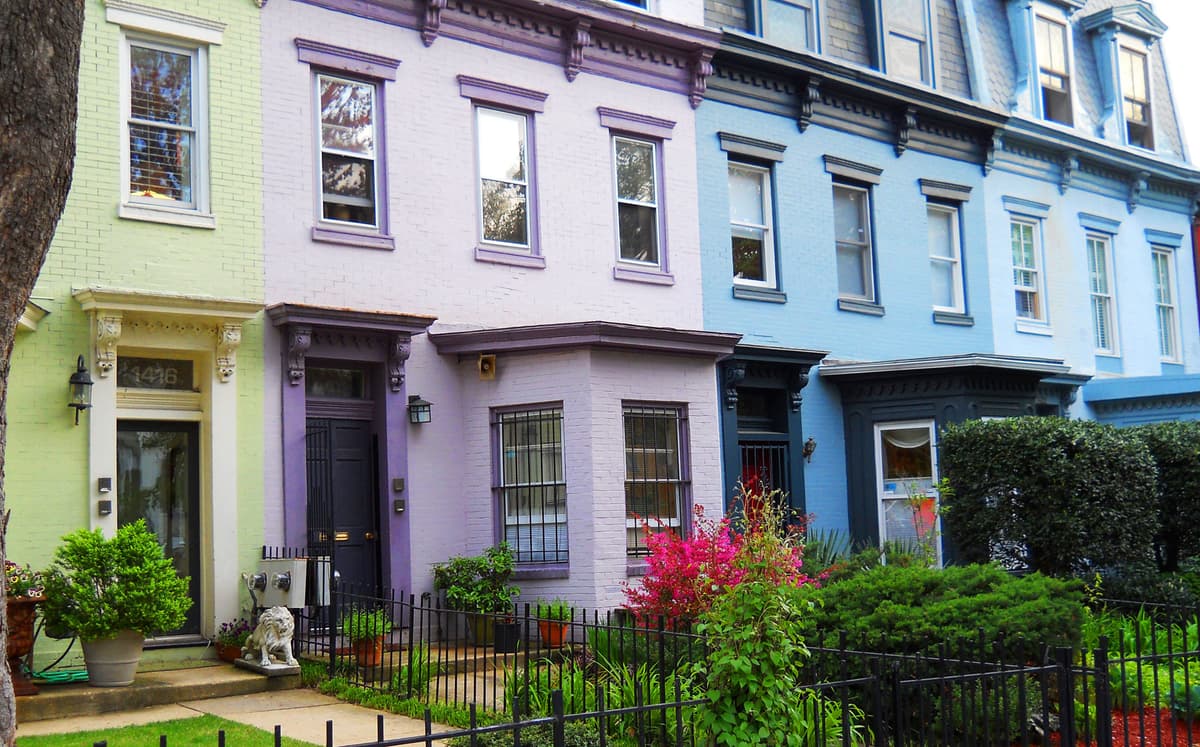
A smart growth approach emphasizes infill development to strengthen existing communities rather than expand them. Adding housing within the current footprint of existing communities supports a broader range of housing types, including missing middle options like duplexes, small apartment buildings, and townhomes. It also reinforces walkable neighborhoods, improves access to everyday amenities, increases ridership on public transit, and helps stabilize or grow local tax bases without requiring new annexation or increased tax rates.
One national study found that a 25 percent increase in development density could reduce public service costs by $5.6 billion per year, while a 25 percent reduction in sprawl could save more than $10 billion annually. These savings come from more efficient service delivery, lower maintenance costs, and stronger long-term fiscal performance.
Focusing on underutilized land advances all three goals of type, place, and price. It creates space for diverse housing types beyond single-family homes, facilitates housing in locations that support daily life and mobility, and reduces the cost to serve new development by leveraging existing infrastructure, avoiding the need to invest in entirely new systems.
Understanding and identifying underutilized land
Before housing can be built on underutilized land, communities must understand what land they have and how it is currently used, and that can be accomplished by creating a land inventory. A land inventory evaluates parcels across the community to identify those that are vacant, underperforming, or no longer serving their highest and best use. This process helps local leaders move from broad assumptions about land availability to clear, data-driven insight about real development opportunities.
Smart Growth America’s analysis of publicly owned land in Richmond, for example, illustrates the scale of this opportunity. The study identified 1,600 distinct parcels, covering more than 12 percent of the city’s total area. If redeveloped strategically, these parcels could generate more than $6 million in new annual tax revenue, while preserving existing development patterns and placing minimal strain on public services. This example shows how underutilized land can support both housing goals and fiscal health.
Creating conditions that support infill housing
Identifying underutilized land is only the first step. For housing to actually get built, local policies and regulations must allow redevelopment to happen in a predictable and efficient way. Communities need to ensure that zoning ordinances, development standards, and permitting processes align with their housing goals rather than standing in the way of them.
When assessing a parcel for redevelopment, several factors should be considered together. These include who owns the property and whether site control is achievable, the size and shape of the parcel, its proximity to jobs, transit, and amenities, and whether existing infrastructure can support additional housing. Equally important are the zoning designation and development standards applied to the site, including what housing types are permitted, how tall buildings can be, how much of the lot can be covered, and what setbacks are required (also known as the development standards).
Additional considerations often determine whether a project is realistic. Is the site currently vacant or actively used? Are there liens or legal barriers that complicate redevelopment? Would the project require special approvals such as variances or conditional use permits, or can it move forward by-right? The more complex and uncertain this process becomes, the less likely it is that housing will be built, especially by smaller local developers.
To support infill, communities should prioritize zoning policies that allow redevelopment by-right wherever possible. Streamlined approvals reduce uncertainty, shorten timelines, and make it more feasible for missing middle projects to move forward. Excessive parking minimums, restrictions on multifamily housing, rigid height limits, and complex discretionary approval processes continue to be some of the most common barriers to infill development.
Making the case for housing in the right places
Building housing on underutilized land is not only a land use strategy; it is an economic one. Tools such as fiscal hotspot analysis can help communities identify areas that already generate strong economic activity and represent promising locations for additional housing. These areas often have access to amenities, services, and transit that residents value, making them strong candidates for thoughtful infill.
Directing housing to these locations supports local businesses through increased foot traffic, reduces the need for long car trips, and lowers public costs associated with sprawl. At the same time, residents benefit from better access to daily needs, shorter commutes, and more connected neighborhoods.
Building smarter within existing communities
Underutilized land offers a clear path toward more inclusive, resilient, and sustainable housing strategies. By focusing growth inward, communities can expand the supply of housing types, better align homes with where people want and need to live, and reduce development costs that ultimately shape affordability.
Rather than continuing to build farther and farther from established centers, this approach strengthens the places we already have. It supports housing that reflects modern needs, promotes walkability and access, and helps communities grow in ways that are financially and environmentally responsible.
Related News







Livable places. Healthy people. Shared prosperity.


© 2026 Smart Growth America. All rights reserved
Site By3Lane Marketing
