




News
By Raveena John, April 22, 2026
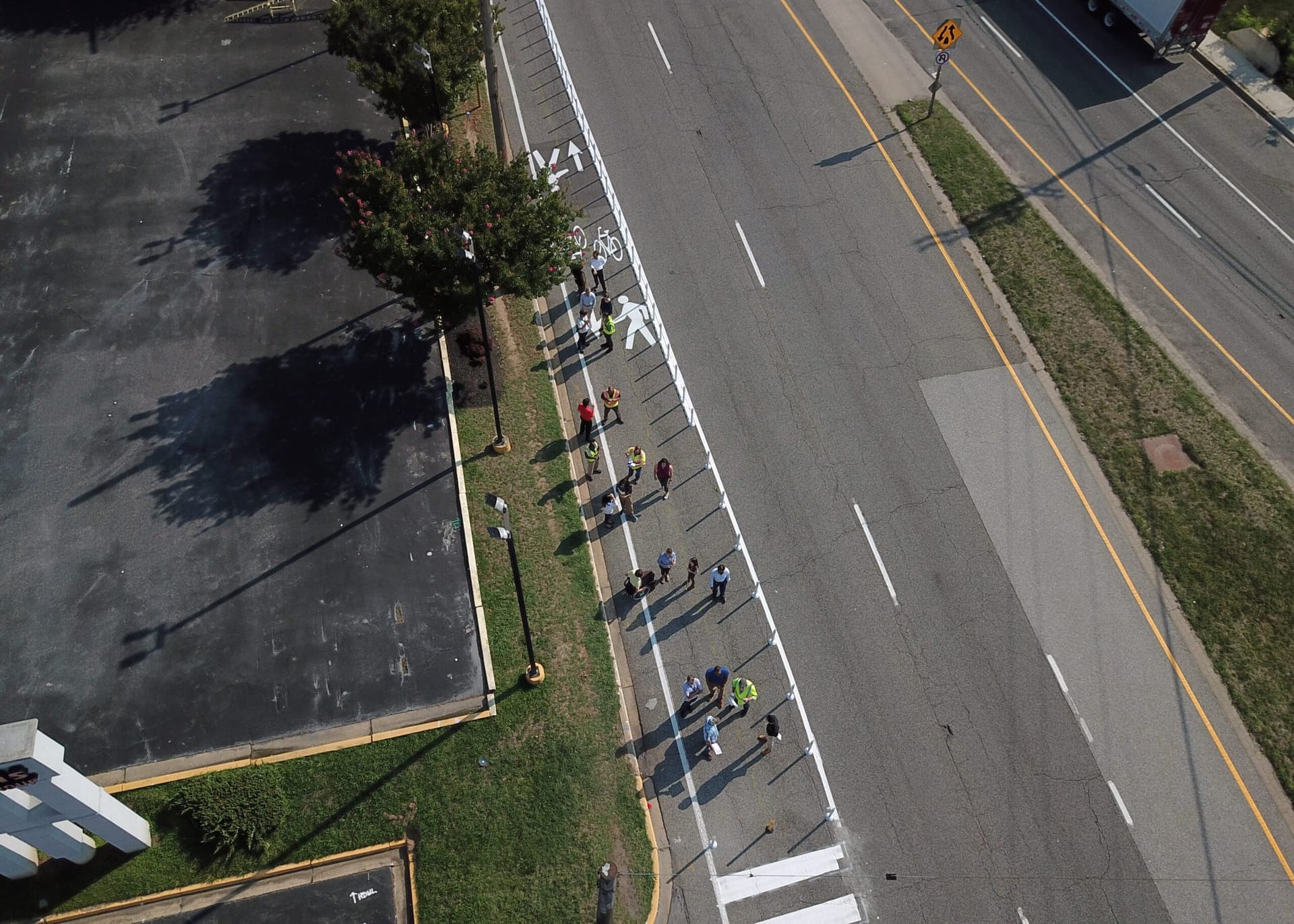
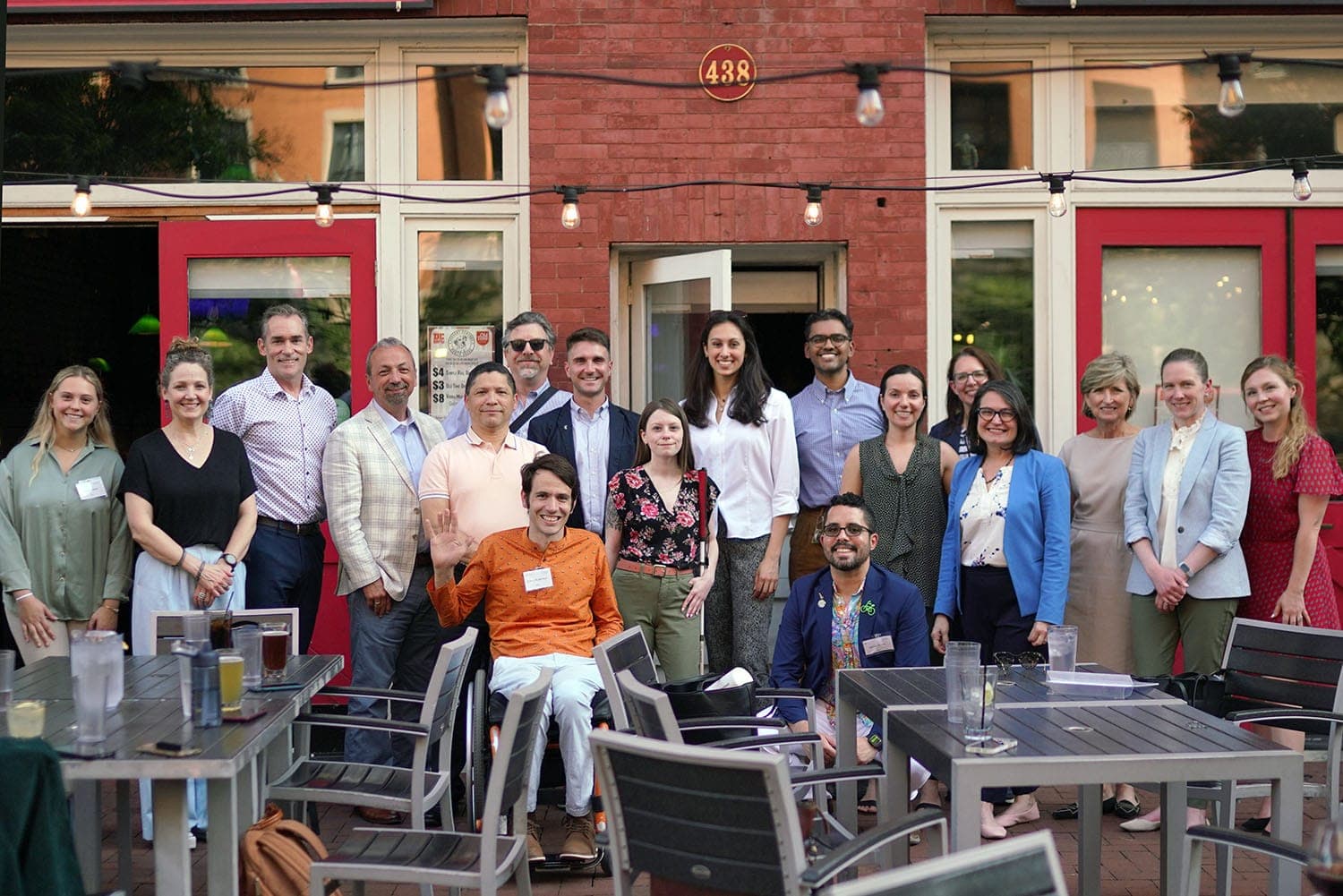
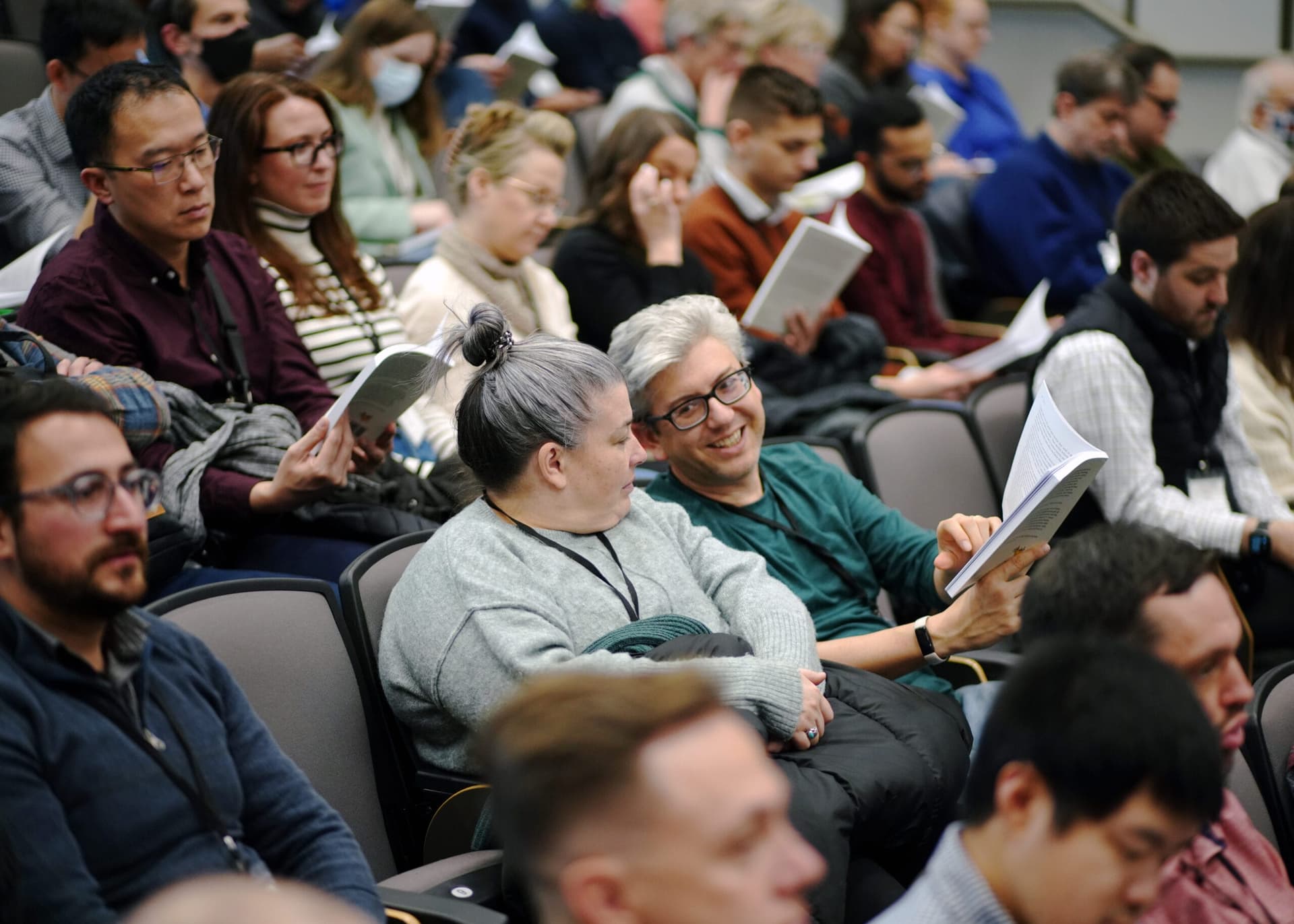
SGA’s Community Connectors is a year-long program that supports teams in three small and mid-sized communities as they work to repair divisive infrastructure, improve safety outcomes, and advance lasting community reconnections. The program centers collaboration by bringing together community-based organizations with local government partners in learning sessions and hands-on workshops for quick-build demonstration projects.
At its core, Community Connectors is about people. Our new blog series highlights the participants leading this work, offering a glimpse into how their journeys began and how deeply their commitment now runs. In this second round of participant profiles, we are featuring Connectors who work in city government.
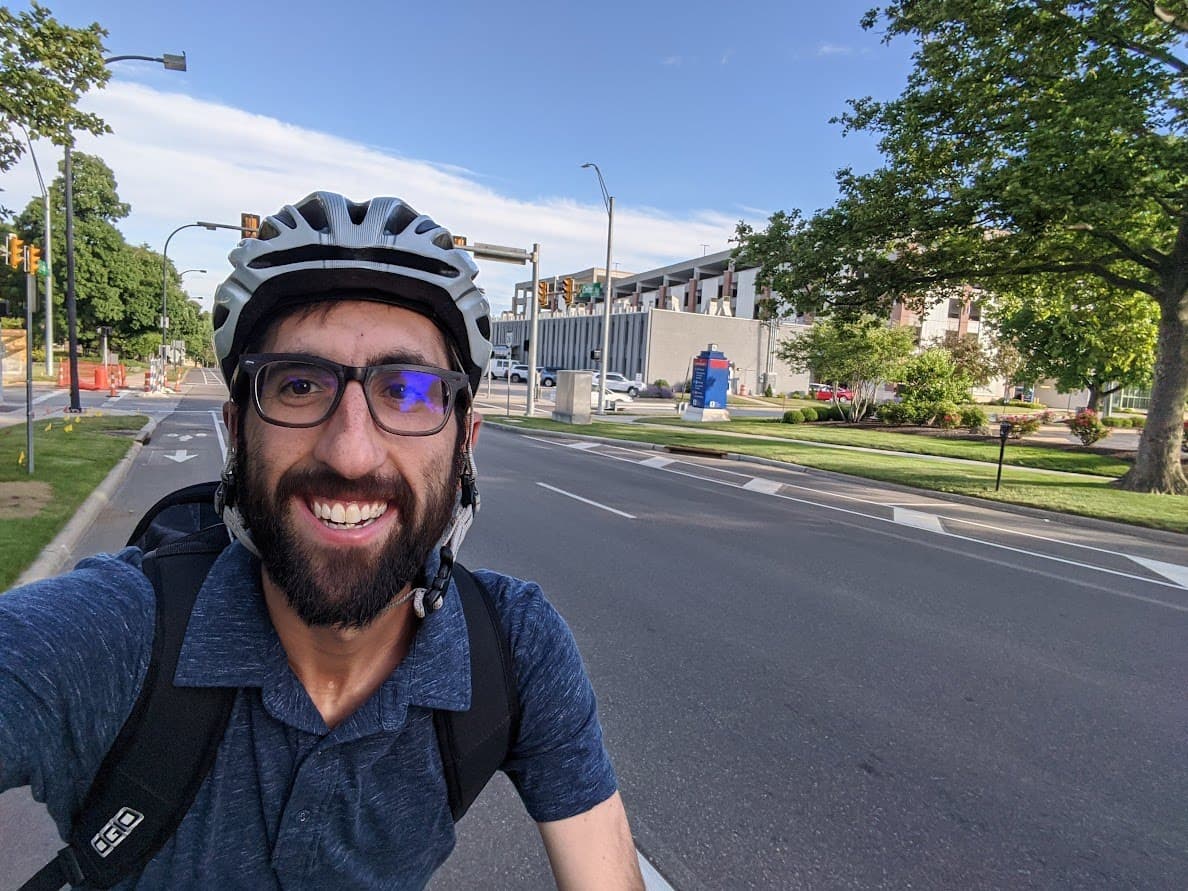
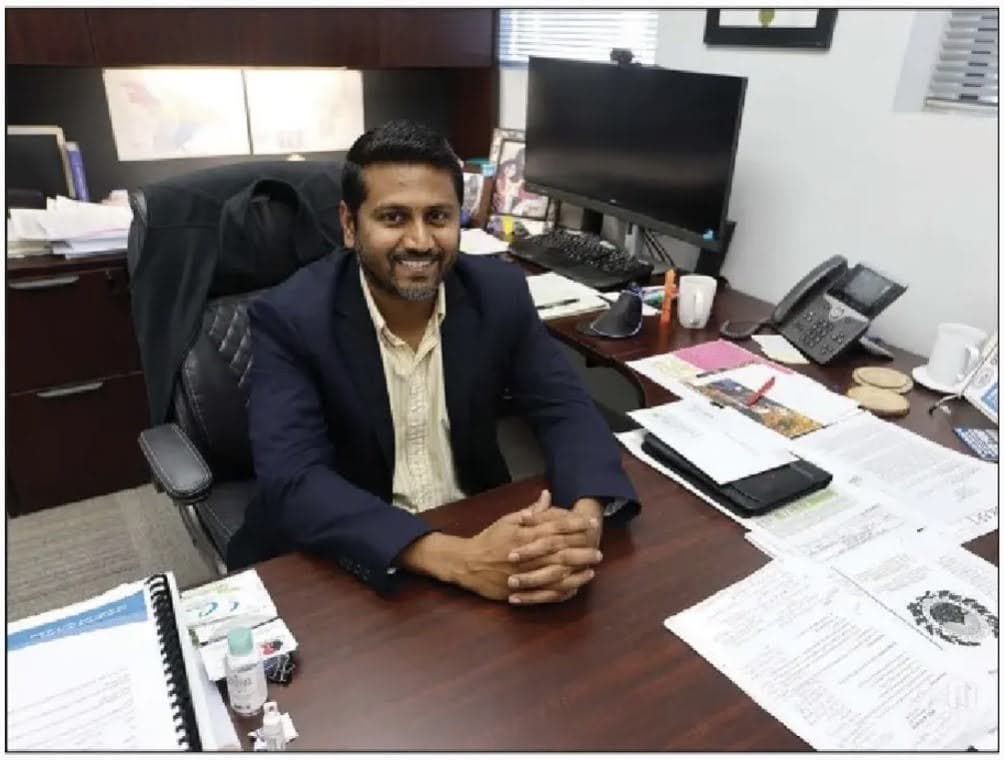
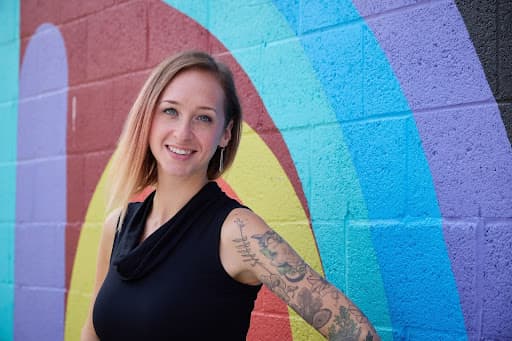
Get to know Dylan Garritano, a co-lead for Akron, OH, in this year’s Community Connectors program. Dylan is a city planner at the City of Akron Department of Planning and Urban Development.
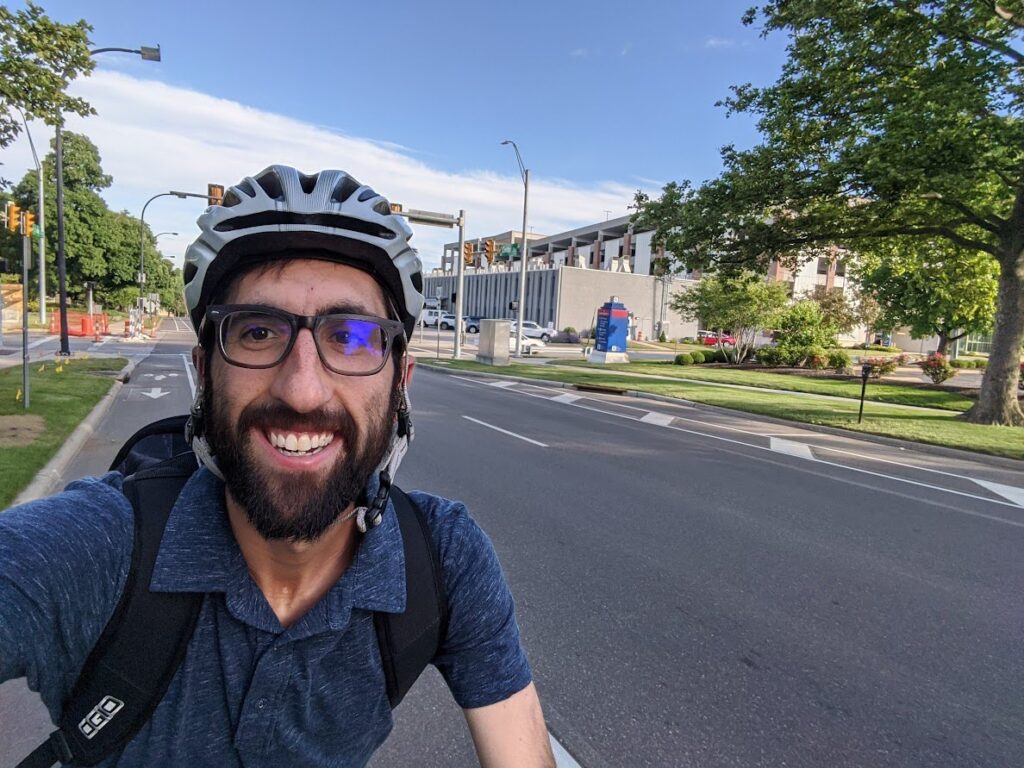
The conversation below has been condensed and lightly edited.
What got you interested in transportation, planning, and reconnecting your community?
It’s really been a nice time working in and actively trying to improve the place that I grew up in and will continue to live in. I went to school for political science, but then shifted into planning in grad school, and spent some time in Minneapolis. I was excited to take the things I learned in school back home, and I’ve been here for nine years now.
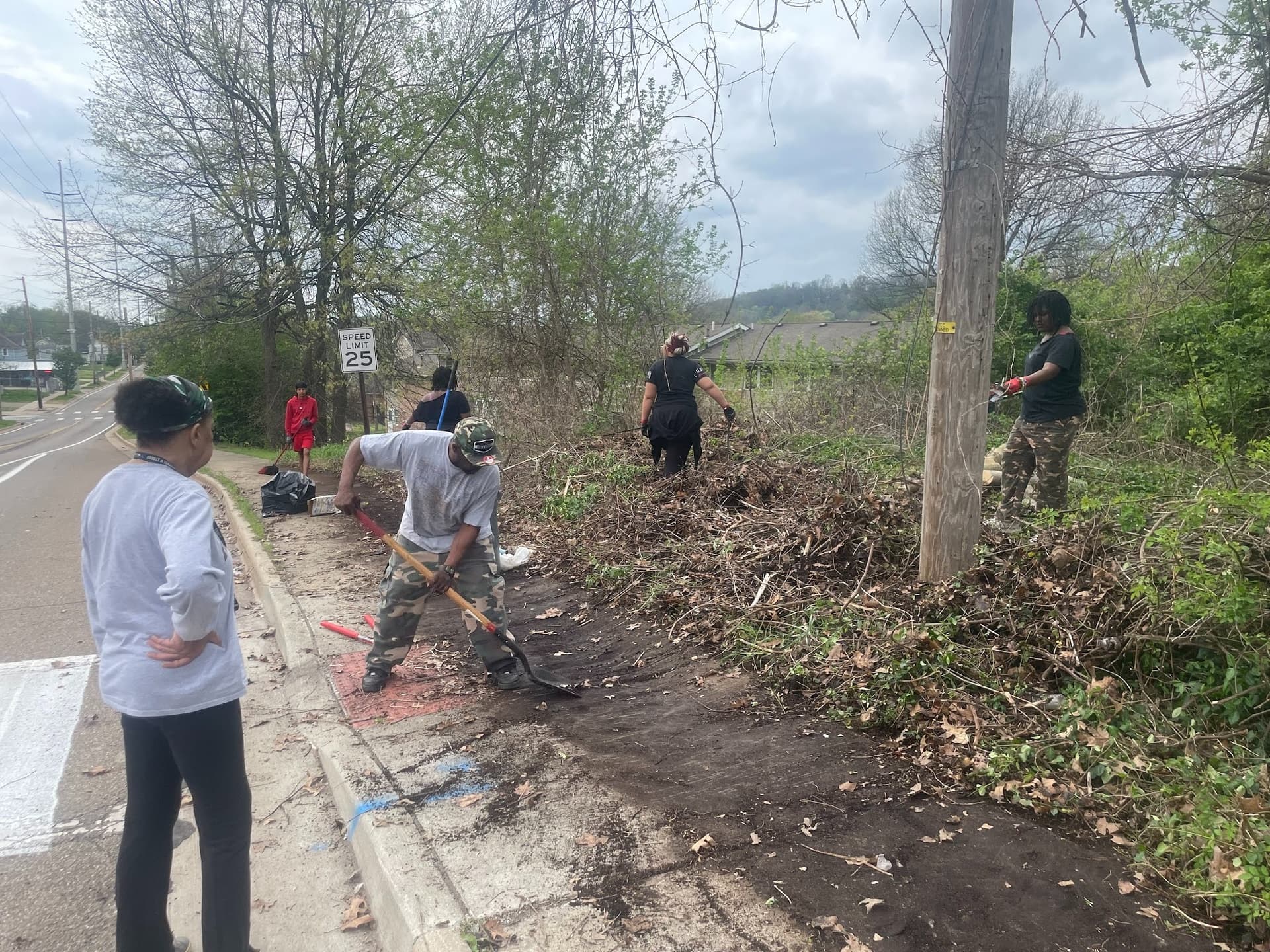
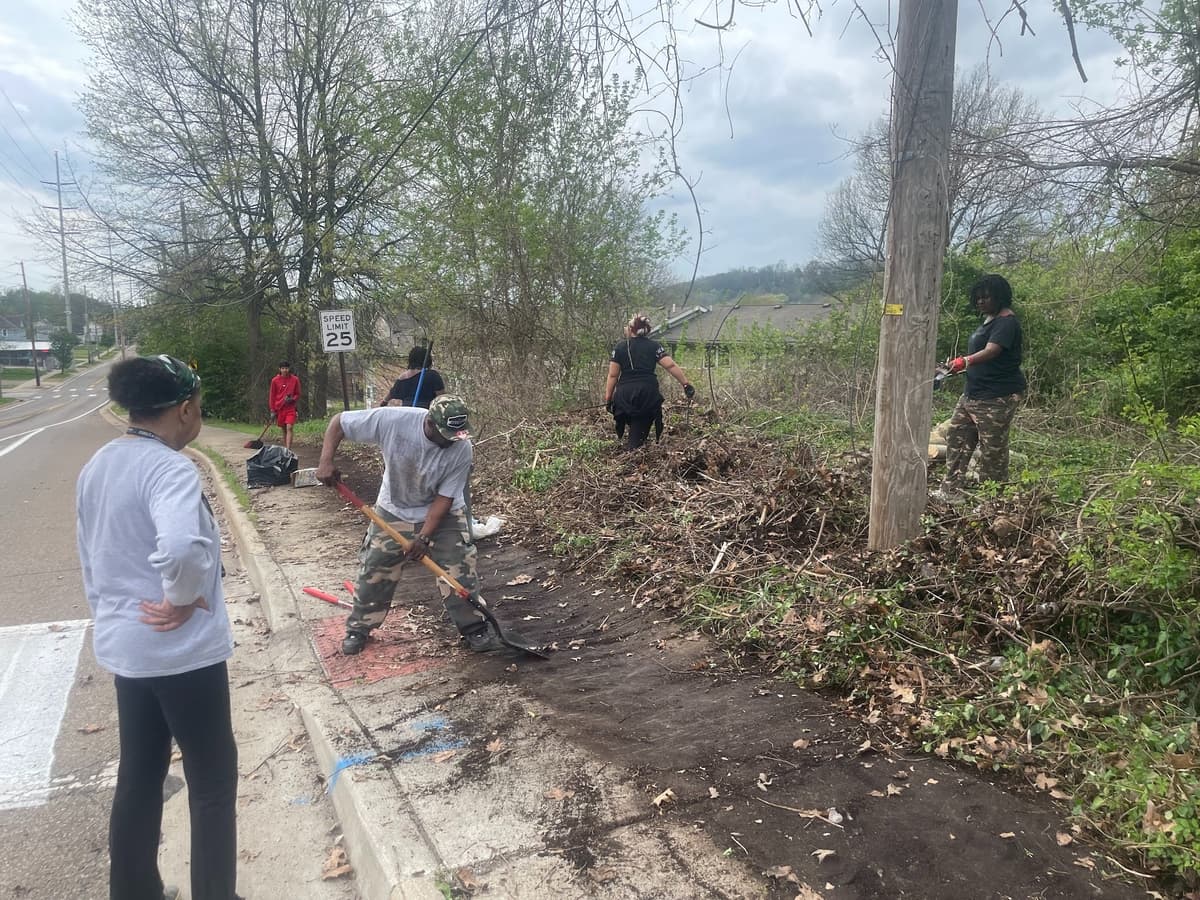
Summit Lake has been an area of my focus from the very beginning. The Civic Commons project through the Ohio and Erie Canalway Coalition were big on re-emphasizing that Summit Lake is an asset. With our industrial background, lakes weren’t necessarily an asset for recreation. With the pollution and some of the decisions that were made, Summit Lake really became an eyesore. Over the years, we’ve been trying to resurrect the natural beauty of the lake. With the investment that we’ve seen over the last decade, it’s completely transformed. Now, the next step is really getting the neighborhood up to that level. This project is one way that we’re investing in the community over there.
What are you excited to bring to the cohort? What past experience do you want to share that your team can learn from?
One of the things that I’ve noticed over the years is that Rust Belt cities sometimes get a bad rap. I think this is an opportunity for us to show off what’s here.
Some grant programs are set up as one-size-fits-all. One of the challenges for Akron is that we don’t necessarily have the population growth and the economic momentum, so I think we have to work a little bit harder. Cities like us are a little bit scrappy sometimes. We do the best that we can with what we have. Having that energy, I think other cities and other communities can learn from us a little bit.
What is something you’ve learned so far from this program that you want other people to know?
Being flexible and willing to try new things is always an important lesson. Sometimes we get bogged down a lot by the reality of things. Our engineering division drives a lot of the decision-making in terms of what can get funded and what we can maintain, and their answer to both of which is often: not a lot. I think they’re sometimes a little bit more unwilling to try new things. But this tactical, temporary approach allows us to try stuff at a lower risk. I think if done right, maybe it opens some minds a little bit more, at least internally within the city of Akron, to be a little bit more flexible and try new things in the future.
What advice would you have for someone looking to start a temporary project like this in their own community?
Know your strengths and know your networks to figure out who is going to be best suited to do what. Now that we’re looking at planning the implementation and an event around that, this is a time for me to take a little bit of a step back and let other voices lead the way. I’m happy to jump back in when it’s something much more suited to my strengths, like transportation planning. We’re tapping into those networks and figuring out who those voices are that we want to lift, who we want to invite, and how we want to get everybody on board.
For this project, what does success look like to you?
I think we’ll be successful if we can get something to last for more than four weeks. One of the last tactical urbanism projects we did was a temporary cycle track through our university campus on one of our main thoroughfares, and there were some issues, but I think we were quick to pull it. If it would have been on the street for a little bit longer, maybe people would have adapted and become more flexible in their travel patterns. So, if this current project causes traffic armageddon, I hope that we’re a little bit more willing to allow for that to happen at least temporarily, and then see what happens beyond that.
What sort of legacy do you have to leave with the work that you’re doing?
I think what’s really important and what I like to focus on is getting people to think a little bit differently about the way that we’ve done things for so long. Akron is a medium-sized city, but we’re pretty spread out. I think people’s default is “Where am I going to park?” Improving the options that we have, between biking, transit, and walking, is what I want long-term to be the legacy that I leave behind. At least getting the needle just to shift in that direction would be great.
What’s one go-to resource every person doing this work should have in their toolbox?
An openness to allowing the project to develop as it unfolds. I think having a preconceived idea of what you want to implement sometimes is the wrong way to get there. Obviously, you want to have a goal, and if the goal is flexible enough to allow for that, then you’re going to have a really good project.
Related News


Livable places. Healthy people. Shared prosperity.


© 2026 Smart Growth America. All rights reserved
Site By3Lane Marketing
