








News
By Sam Gordon, March 2, 2026
Through ZEST, Smart Growth America is equipping community leaders across the country with the tools to turn complex land-use policy into real health and equity outcomes. Here are key takeaways from our inaugural cohort and what they mean for advancing zoning reform locally.
Zoning is often treated as a technical exercise—a set of regulations that govern height limits, use tables, and parking requirements. In reality, zoning functions as a public health framework. It shapes community exposure to clean air, access to affordable housing, the design of well-connected, walkable neighborhoods, proximity to safe and reliable public transit, and access to job opportunities.
Smart Growth America’s Zoning for Equitable Solutions and Thriving Communities (ZEST) program centers this connection. The inaugural cohort of this program brought together community-based organizations from across the country to strengthen their capacity to advance local health outcomes through land use and zoning reform.
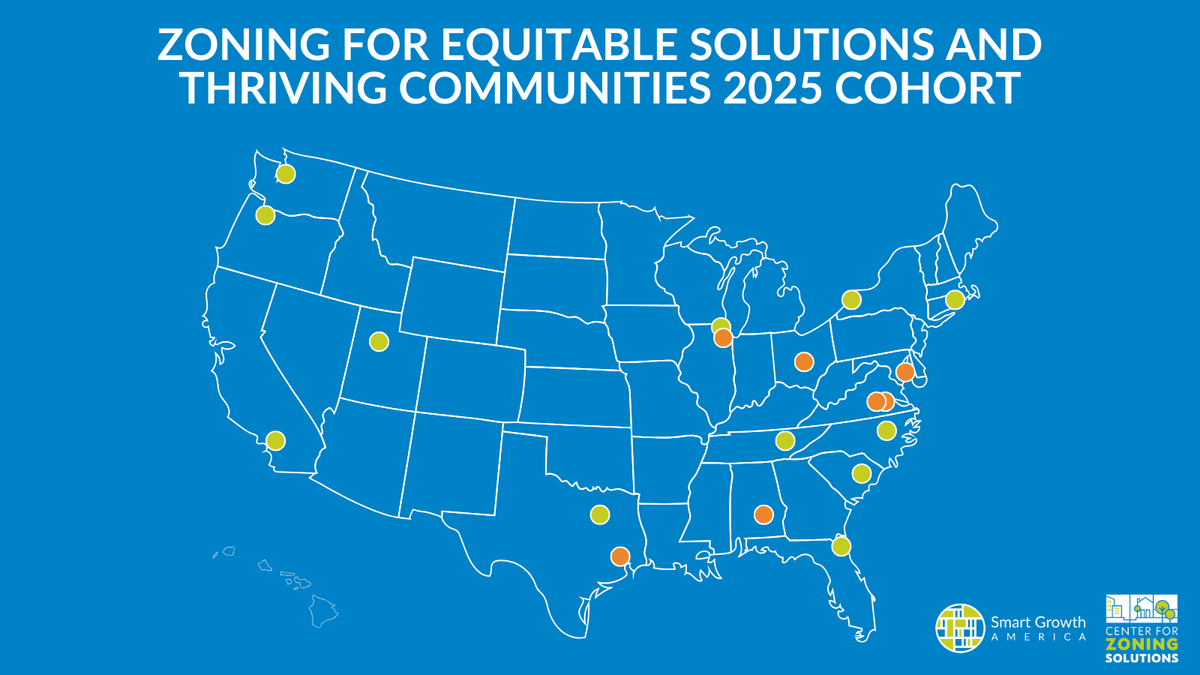
The 2025-26 Cohort
Smart Growth America brought together 19 community-based organizations (CBOs) from across the country. From rural North and South Carolinas, to the industrial legacy cities of Buffalo and Baltimore, and from suburban-majority pockets outside the Virginia state capital of Richmond, to major metropolises of Chicago, Los Angeles, and Houston, each CBO represented places across the United States facing distinct land use challenges but united by a shared goal: advancing healthier, more equitable communities through policy change.
What ZEST provided
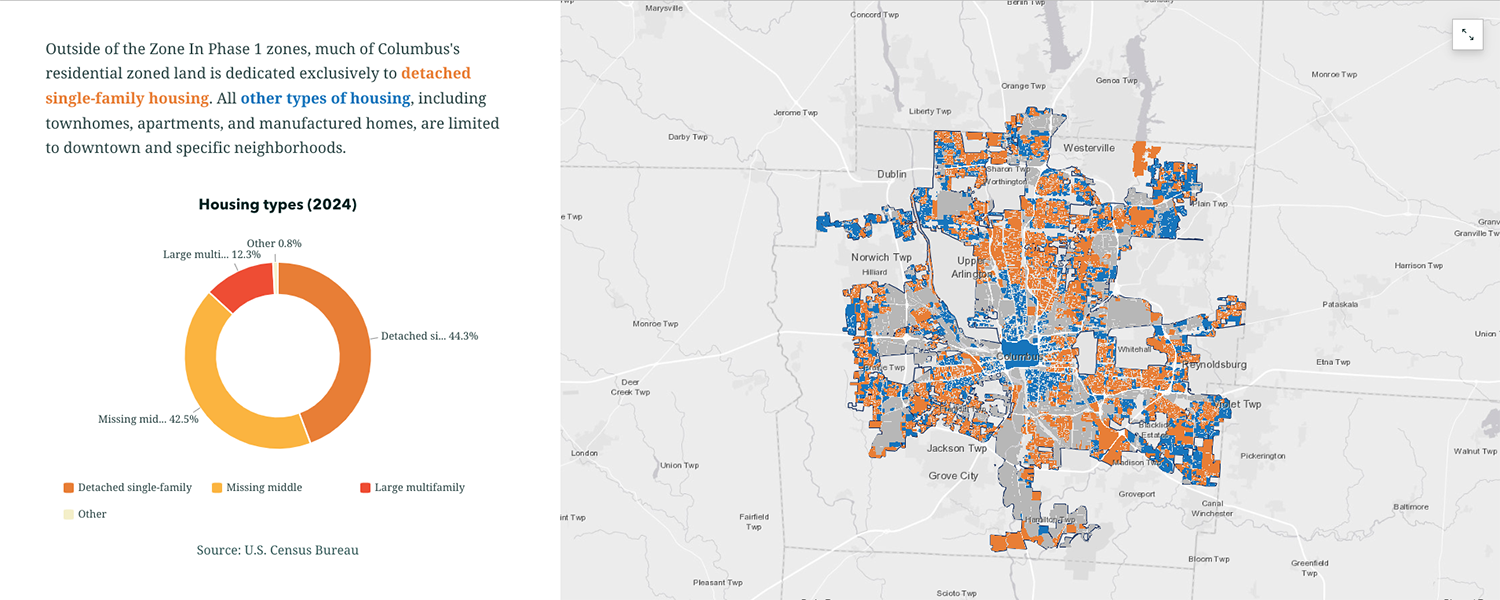
Over a period of six months, SGA developed and delivered tailored technical assistance to translate complex land-use systems into practical advocacy tools. While each organization had unique goals, the support generally fell into three core categories: policy analysis, data and visualization, and education and advocacy tools.
- Technical zoning and policy analysis
SGA developed ordinance reviews, policy briefs, and issue-specific memos exploring topics such as industrial land use and environmental health, equitable transit-oriented development, anti-displacement strategies, food access, and the reuse of FEMA buyout properties. In some communities, this included targeted zoning code reviews to identify regulatory barriers; in others, it involved peer-city case studies and model policy examples to inform reform efforts. - Data, Mapping, and Quantitative Research
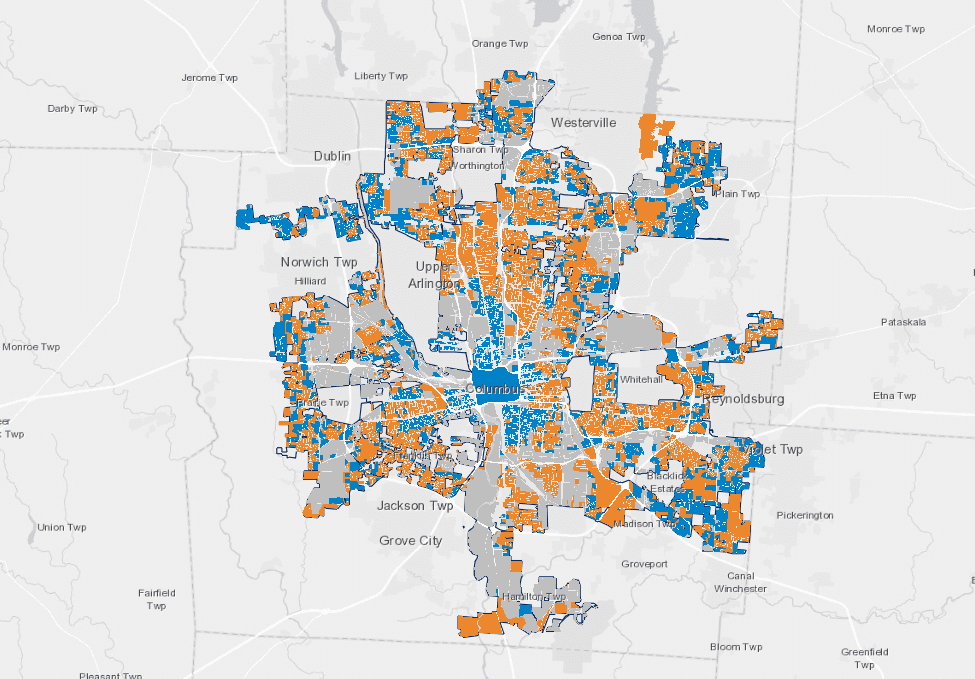
Several organizations received spatial analyses, socioeconomic data summaries, and visual mapping tools to strengthen their advocacy efforts. This work included minimum parking requirement cost modeling, StoryMap-style regional analyses, FEMA parcel assessments, and statistical studies linking zoning patterns to housing availability. - Education, Communication, and Advocacy Tools
Beyond analysis, SGA prioritized building long-term local capacity. Deliverables included train-the-trainer toolkits, community-facing summaries, plain-language zoning explainers, qualitative interview findings, storytelling resources, and advocacy roadmaps. These materials strengthen organizational efforts to translate technical findings into accessible, actionable messaging tailored to their communities.
Sharing lessons and learning across communities
Virtual Peer Learning:
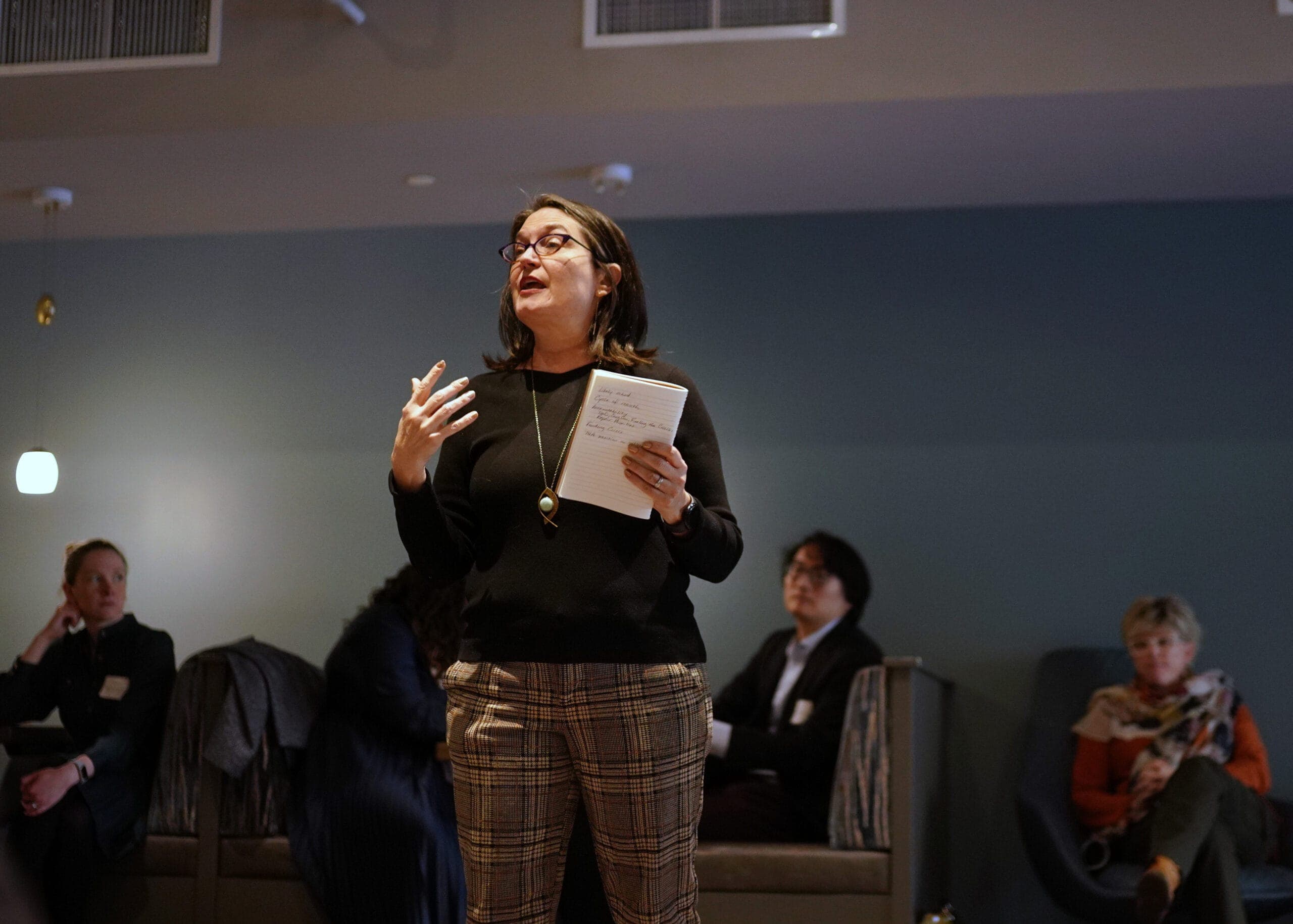
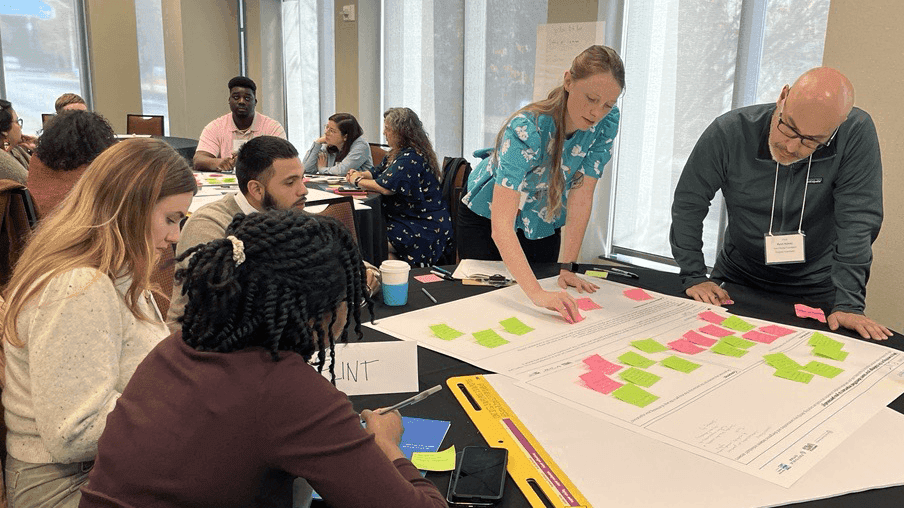
In October 2025, SGA convened all 19 ZEST organizations for a virtual peer learning session focused on local advocacy planning. The session created space for participants to connect, share lived experiences from zoning reform efforts, and workshop the best path forward to move ideas into action. Despite representing diverse geographies and challenges, participants identified a shared truth: effective advocacy depends on thoughtful, audience-specific communication.
Breakout discussions emphasized that language choices shape outcomes. Overuse of jargon can create confusion rather than credibility, and successful messaging requires clear problem statements that resonate across audiences. Participants highlighted the importance of connecting policy to lived experience, focusing on outcomes rather than technical mechanics, and ending every message with a specific, actionable ask.
In-Person Convening:
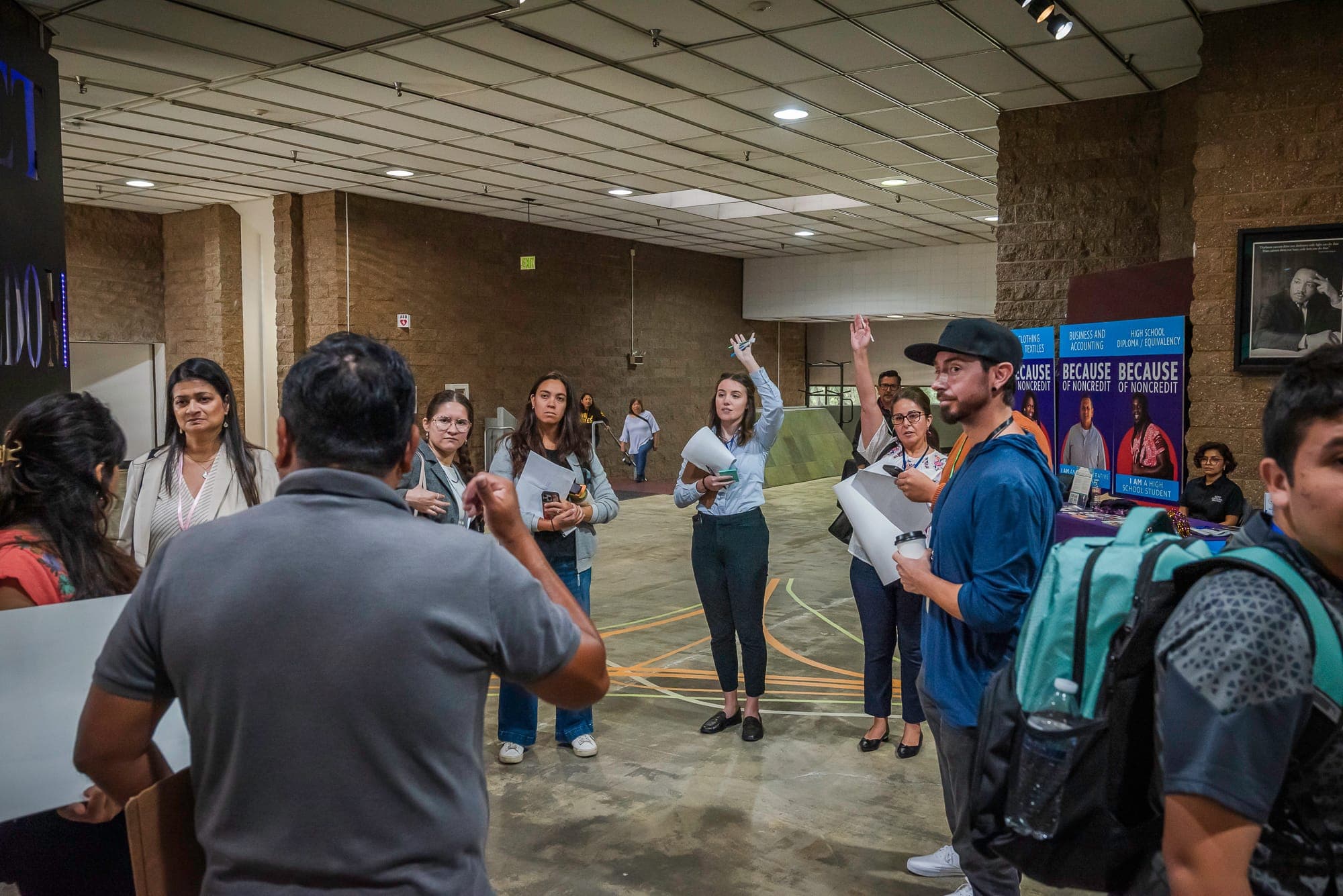
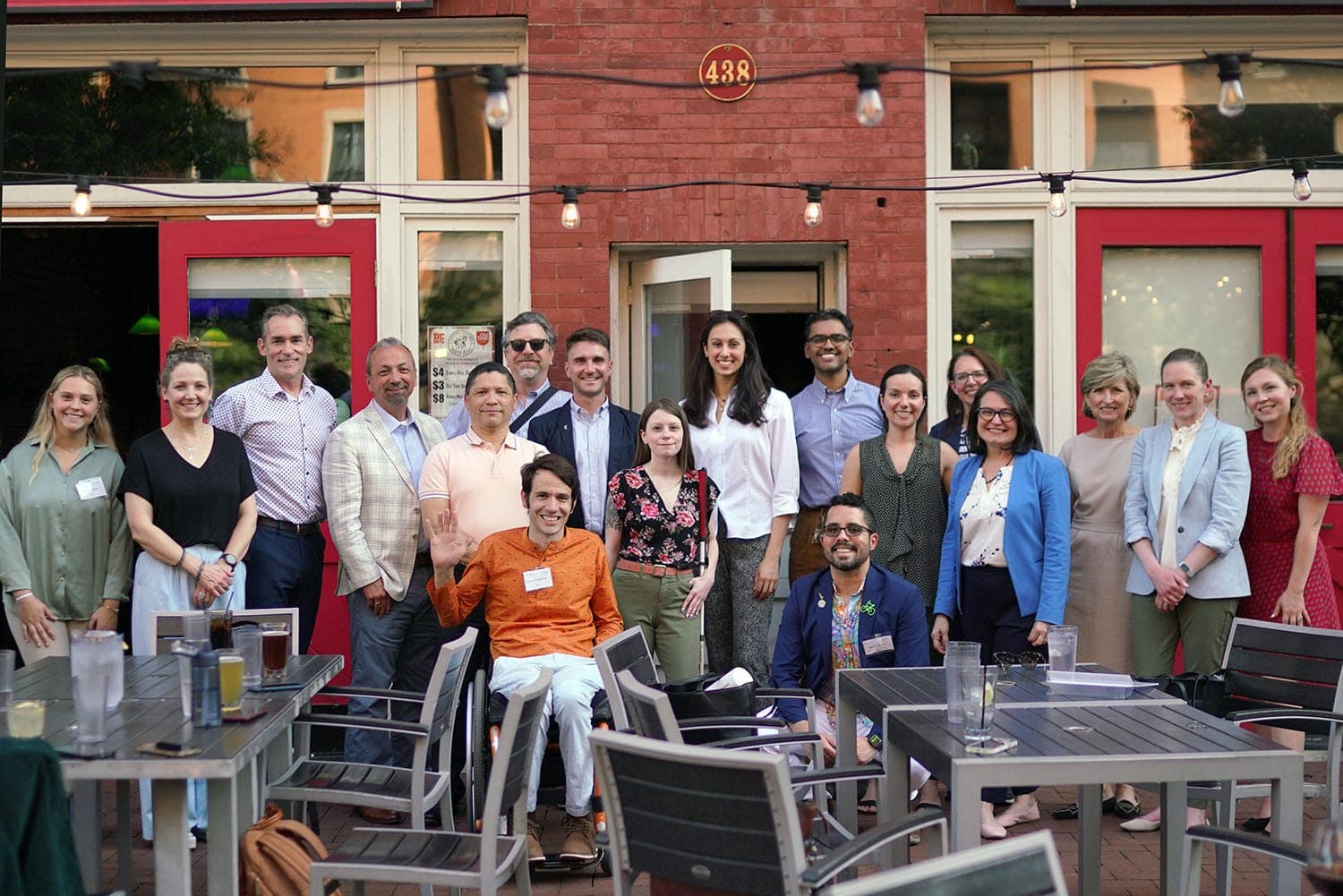
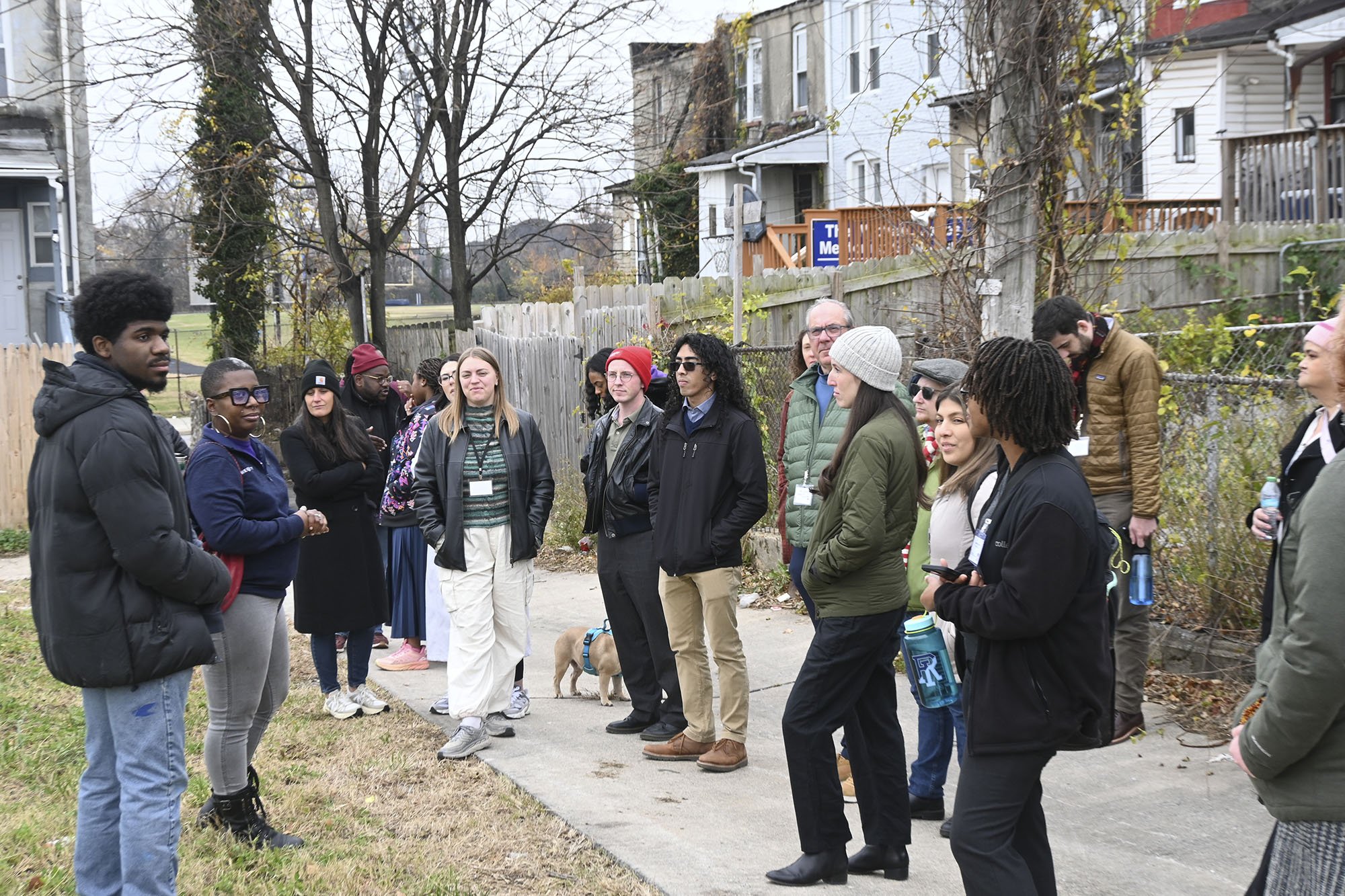
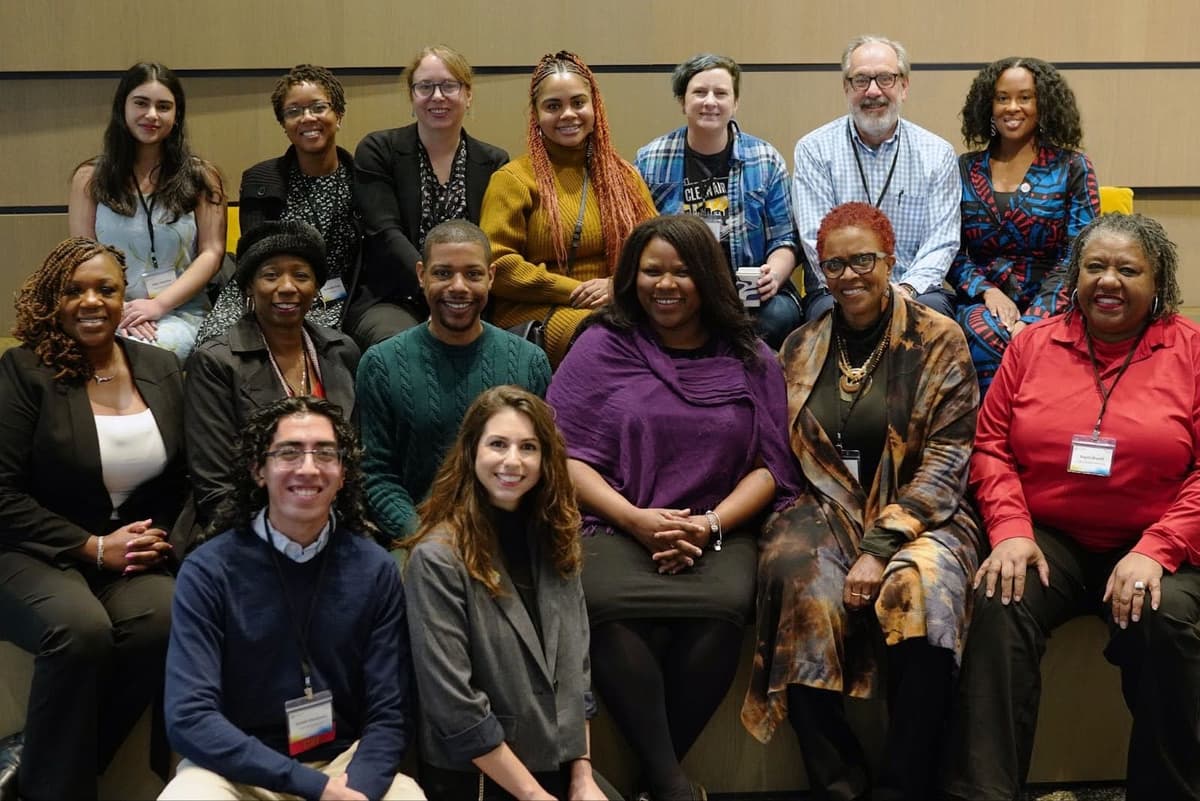
Over two days in November 2025, 16 ZEST community-based organizations gathered in Baltimore to exchange ideas, share challenges, and deepen their understanding of how zoning decisions shape health, opportunity, and quality of life.
The convening highlighted the many entry points for connecting land use and health equity—from public health frameworks and lived-experience storytelling to arts-driven engagement and collaborative workshops.
Read the full convening recap here.
Key Takeaways
- Zoning functions as a public health tool.
Land-use policy shapes housing stability, exposure to pollution, climate resilience, transportation costs, and access to opportunity. When communities reframe zoning reform as a public health strategy, they elevate it from a technical exercise to a priority for community well-being. - Advancing health equity—and zoning reform—requires a range of strategies.
Land-use decisions impact health outcomes through industrial siting, parking mandates, school boundaries, housing policy, and much more. No single strategy will work everywhere, but communities can selectively combine and tailor multiple approaches that fit their unique histories, conditions, and political realities. - Technical literacy and clear communication drive advocacy power.
When community-based organizations understand zoning language and processes, they move from uncertainty to action. Ordinance reviews, spatial analysis, and strong data visualization translate complex regulations into practical reform strategies. But knowledge alone is not enough; advocates must also communicate clearly and effectively. By tailoring messages to specific audiences and using storytelling, visuals, and accessible language, organizations can make zoning reform understandable and actionable. - Community knowledge and local leadership drive lasting change.
Zoning codes shape daily life; the people most affected by land-use decisions must define the problems and guide the solutions. As federal support fluctuates, community-based organizations and local governments lead the charge. Lasting reform begins locally, where leaders understand lived realities and act with urgency. - Coalitions strengthen systems change.
Exclusionary zoning and health inequities stem from interconnected systems. Cross-sector partnerships—spanning public health, housing, environmental justice, faith communities, and regional advocacy—generate the momentum needed to shift those systems.
Related News






Livable places. Healthy people. Shared prosperity.


© 2026 Smart Growth America. All rights reserved
Site By3Lane Marketing
