






News
By Sam Gordon, April 20, 2026
Data center development is accelerating across the country as AI drives demand, but zoning and land-use rules haven’t kept pace. We break down the tradeoffs, what communities are doing today, and how policies need to evolve to keep up.
For decades, data centers have quietly powered the information age, supporting everything from websites and cloud computing to streaming and online services. While they have long existed as critical infrastructure for the information age, their role is now rapidly expanding. Over the past three to four years, artificial intelligence (AI) has become deeply embedded in daily life, underpinning many of the platforms, services, and tools we rely on.
This surge in AI demand is accelerating the expansion of data centers, driving a corresponding increase in the infrastructure required to support it. These power-hungry facilities require massive amounts of energy to operate and, in many cases, are already contributing to rising electricity bills for nearby households, placing additional pressure on communities at a time when housing affordability is already severely strained.
Underpinning this newest era of the information age, data centers are emerging as one of the most pressing land use challenges of the decade. They are here to stay, and we are still in the early stages of a massive expansion in their scale and distribution. Communities across the country are already grappling with this in real time.
Where should data centers go? Where have they been built thus far? How should they be classified as a land use?
Most importantly, are our nation’s zoning ordinances equipped to guide data center development in ways that most benefit the communities where they are being placed? Right now, the answer is no.

Where should data centers go?
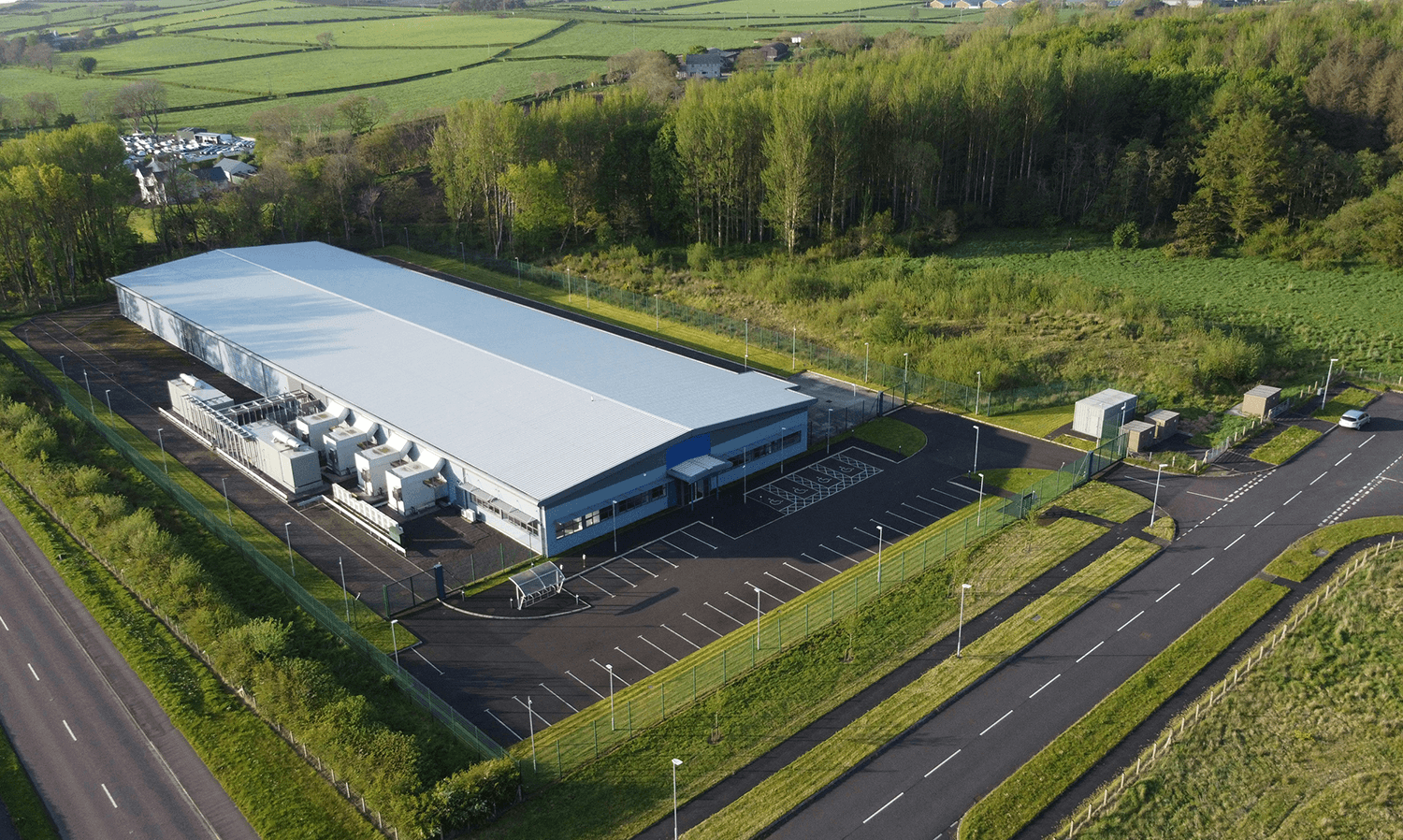
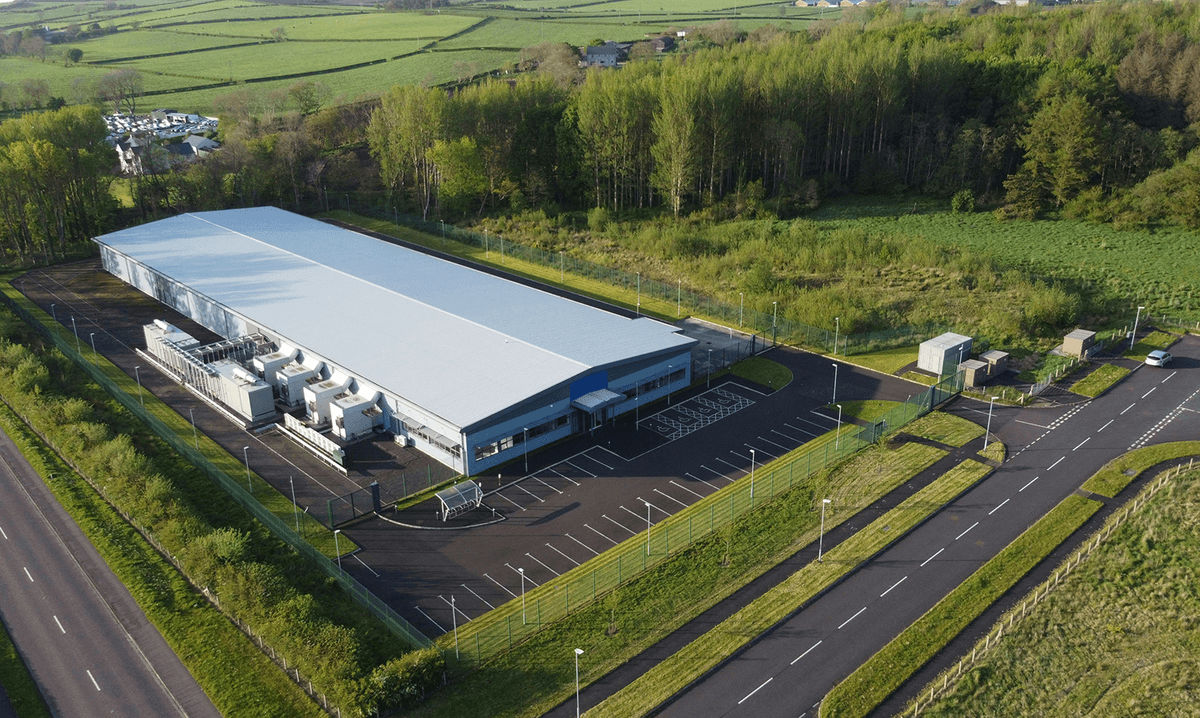
Modern (Euclidean) zoning ordinances are structured around regulating distinct land use categories—typically residential, commercial, and industrial, with various subcategories of each. Most local governments have classified data centers as a form of industrial use. On paper, this makes sense, since data centers typically are large, warehouse-like buildings, often located in industrial areas, with limited public-facing activity. But that is where the similarity largely ends.
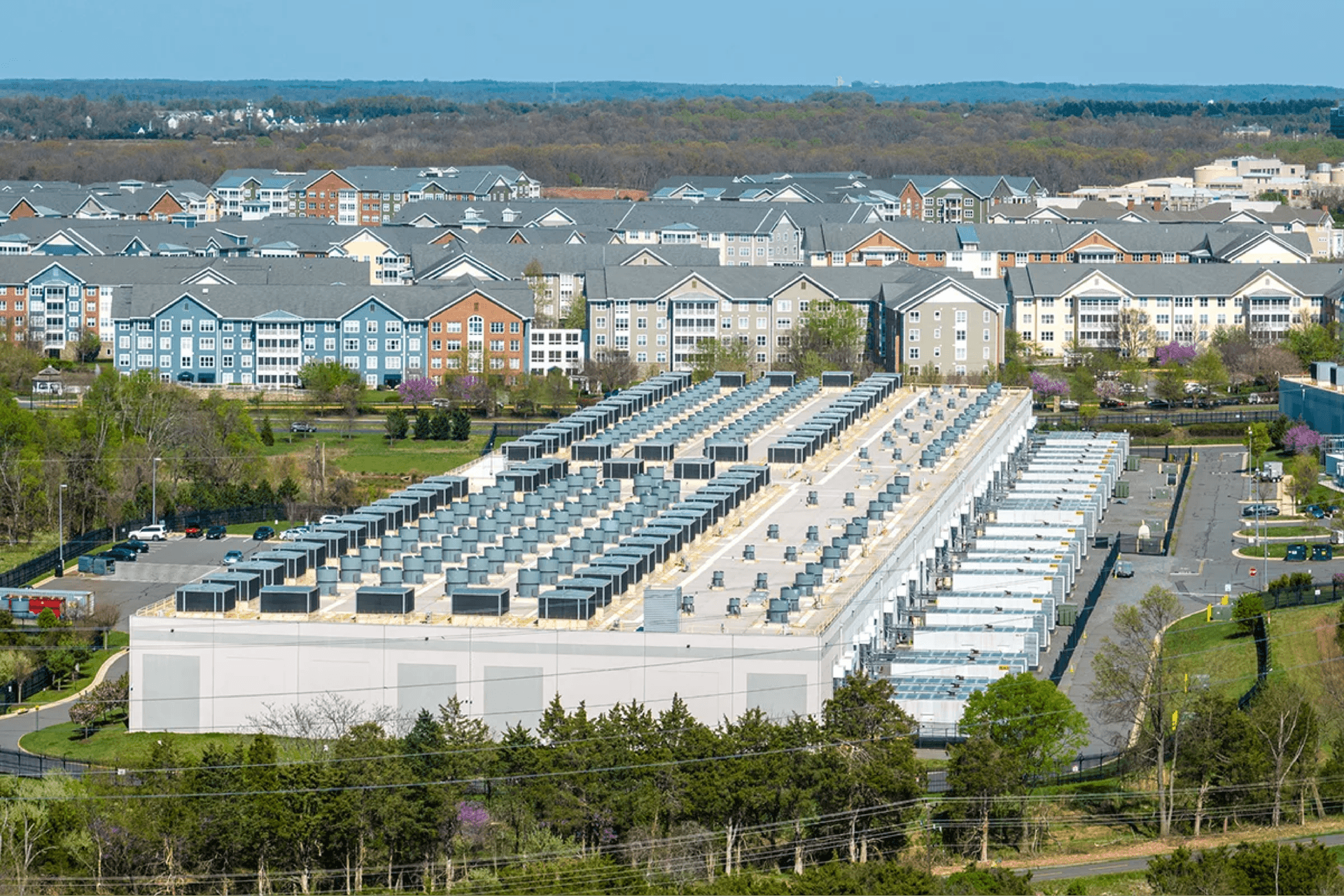
In practice, data centers do not fit neatly within traditional industrial definitions, and this is where much of the regulatory friction begins. They operate continuously, twenty-four hours a day, often with minimal on-site staff beyond occasional maintenance. They require enormous amounts of electricity, and their cooling systems can consume significant quantities of water. And unlike traditional industrial uses, they generate very few jobs relative to their size. So while they may look like warehouses, they function more like major pieces of energy infrastructure.
This mismatch creates a fundamental land use challenge. Zoning frameworks designed around 20th-century assumptions (e.g., daytime operations, truck traffic, and employment density) are now being applied to a modern use that does not follow those rules. As a result, data center siting decisions are often reactive rather than intentional, leading to tension between local governments, developers, and community members. In many cases, data centers are being developed in locations that are not well aligned with infrastructure capacity or community priorities.
Polarization: the pros and cons of data centers
One of the biggest concerns about data centers is the massive amount of energy they require to operate. This demand is already placing significant strain on local electrical grids, particularly in places like Loudoun County in Northern Virginia, home to “Data Center Alley,” where regional utility companies are quickly needing to reinvest in new generation and transmission infrastructure. Without appropriate regulatory safeguards, the significant costs of these upgrades are passed on to ratepayers in the form of higher household electricity bills, raising concerns about affordability and equity at a time when overall housing costs are already high nationwide.
The environmental impacts of data centers are just as significant. Energy demands are immense, cooling systems can require substantial water use for cooling, and backup generators contribute to air pollution and localized heat emissions.
These impacts are not just systemic—they are felt on the ground. Data centers are typically large, windowless structures with little architectural or street-level appeal. They generate persistent noise (often described as a constant mechanical hum) from cooling systems and generators. For nearby residents, this is not abstract; it is a daily quality-of-life issue.
In response, some jurisdictions are beginning to require stronger mitigation measures, including noise testing, setbacks, and visual screening (such as tree buffers). Some are also exploring opportunities to reuse waste heat, such as through district energy systems that could benefit surrounding communities.
At the same time, the growing demand for data centers has created strong incentives for states to attract their development. As of April 2026, at least 38 states are offering tax breaks and other benefits to bring data center investment into their jurisdictions. For states, the appeal is clear: data centers can generate substantial property tax revenue, strengthen local tax bases, and signal competitiveness in the digital economy. They are also often framed as long-term infrastructure investments that can anchor broader economic growth.
This dynamic is driving increasing tension between state and local governments. States are competing to attract data centers as an economic development priority, while local governments are left to manage the land use impacts and on-the-ground regulatory complexities.
What communities are doing right now
At this point, there is no clear set of best practices for regulating data centers. Given the speed of their recent expansion, local governments are experimenting with new approaches in real time.
Some communities have gone as far as to hit the pause button on data center development altogether; temporary moratoria are being used to create space and time for more thoughtful regulatory updates. In April 2026, lawmakers in Maine passed legislation to ban new data center development through November 1, 2027 (pending approval by Governor Janet Mills). At the federal level, a proposed pause from Bernie Sanders and Alexandria Ocasio-Cortez signals growing concern over the pace of expansion and awareness of the need for broader oversight and regulatory clarity.
Beyond a full-on pause, three general patterns are emerging:
1. Case-by-case approval: the most reactive approach.
Many municipalities now require conditional or special-use permits, meaning each data center proposal is reviewed individually. Anchorage (Alaska), for example, passed an ordinance in March 2026 requiring conditional use review for data centers. While this allows flexibility, it can also lead to inconsistent outcomes and places significant pressure on local decision-makers to evaluate highly technical proposals without clear standards, often in loud, crowded and contentious public meetings.
2. Impact mitigation and regulation: a first step toward structure.
Communities are adopting requirements around noise, setbacks, buffering, and design. In Chandler (Arizona), for example, a 2023 ordinance requires baseline and ongoing noise studies, along with mitigation measures to ensure operational noise does not exceed pre-construction levels. It also mandates community notification, neighborhood meetings, and on-site liaisons.
Some jurisdictions are also exploring how to regulate energy and water use—for example, requiring developers to provide their own power sources rather than relying on the local energy grid. However, these solutions can introduce additional challenges, particularly when they rely on fossil fuel-based generation.
3. Zoning reform: where this is all heading.
Data centers are increasingly, and correctly, being treated as a distinct land use rather than a traditional industrial use. Some jurisdictions are creating new definitions, establishing overlay districts, or limiting where data centers can be located. Frederick County, Maryland, for example, has created a Critical Digital Infrastructure Overlay zone that limits data center development to a specific part of the county. Loudoun County (the aforementioned “Data Center Alley”) is developing new use-specific zoning standards for data centers that are more reflective of their scale and infrastructure demands.
What it means to be data center-ready
As things stand, data centers do not fit neatly into existing zoning categories, and their impacts are too significant to be managed through outdated frameworks. They are a new type of land use, and our zoning needs to catch up, fast.
The stakes are rising, as data centers are already reshaping local economies and energy systems in real time. Without clear regulatory guardrails, communities risk higher energy costs, growing infrastructure burdens, and increasing dependence on a single industry tax base—limiting long-term flexibility and economic resilience.
Being “data center-ready” means getting ahead of those risks. At a minimum, communities should:
- Define where data centers are appropriate
- Align siting decisions with infrastructure and energy capacity
- Establish clear expectations for environmental performance and community impact, including protections to ensure that nearby households are not saddled with the high cost of upgrading the infrastructure needed to support these facilities
A stronger approach may also include:
- Completely eliminating by-right data center development and requiring a dedicated discretionary review process that includes land use experts, environmental specialists, economists, and industry stakeholders
- Requiring developers to cover infrastructure costs
- Establishing clear, measurable community benefits tied to workforce development, sustainability, and resource use
Ultimately, being “data center-ready” means ensuring that the benefits of development—especially tax revenue—translate into real, tangible outcomes for communities, without raising costs or lowering quality of life.
Data centers are here to stay. The question is whether communities and their planners can shape their development in a way that works for residents—and remains workable for the companies driving the nation’s rapid expansion of digital infrastructure.
Related News






Livable places. Healthy people. Shared prosperity.


© 2026 Smart Growth America. All rights reserved
Site By3Lane Marketing
