











News
By Joseph Mendonca, March 9, 2026
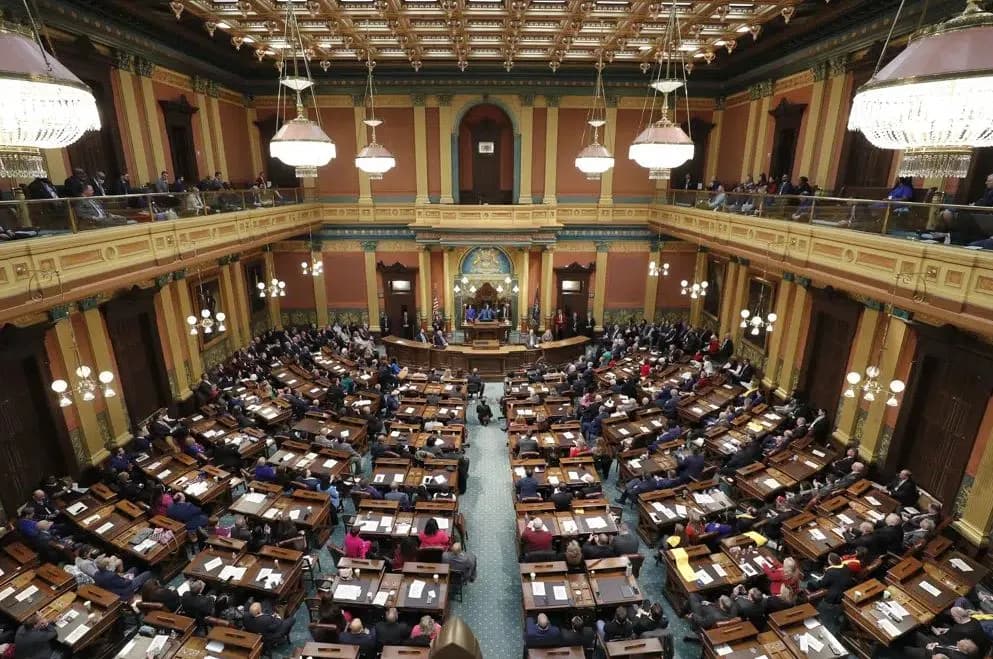
With most states in the midst of their 2026 legislative sessions, housing and zoning are taking center stage for policymakers across the country. Building on momentum from previous years, much of this year’s state-level zoning legislation focuses on eliminating overly restrictive zoning regulations to build more housing of various types in better-connected locations.
While each state is different, they are all feeling the effects of a national housing shortage of 4.7 million homes, which has had widespread impacts on households and economies. Many states have targeted restrictive zoning regulations to boost housing development and begin addressing this shortage.
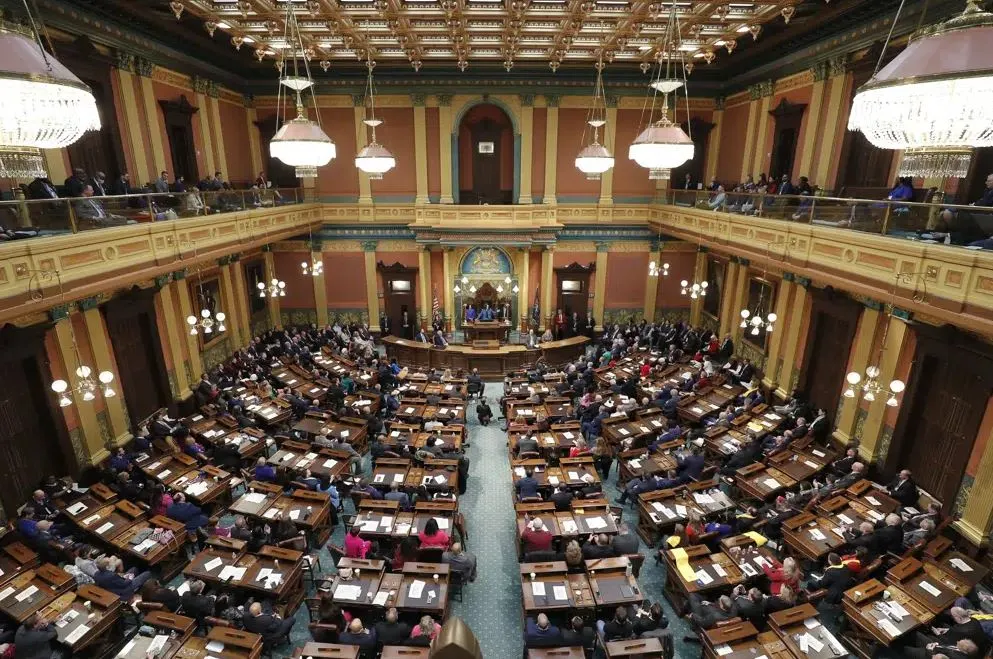
Zoning regulations, which are typically handled by individual town, city, and county governments, have increasingly come under scrutiny in state legislatures as the impacts of the housing crisis worsen. In catalyzing housing production across larger areas, state-level reforms can more efficiently address housing shortages than reforms in individual localities. State legislatures, which govern larger populations and areas, may also have a clearer understanding of the cumulative impacts of local zoning regulations on households and the economy. And depending on the legal relationship between the state and local governments (Dillon or Home Rule), the state can simply step into the process to make changes at the local level.
Although it’s too early in most legislative sessions this year to know which bills will become law, proposed legislation shows where state legislators’ priorities are. As in previous years, many bills focus on supporting a range of housing types and prioritizing well-connected locations, tackling housing shortages from multiple directions. At Smart Growth America, we see interventions targeting housing type, place, and price as the most important opportunities to increase housing supply and support a wider range of homes in the communities people actually want to live in, ensuring they are better connected to jobs, services, and other daily needs.
Bills to permit more housing types
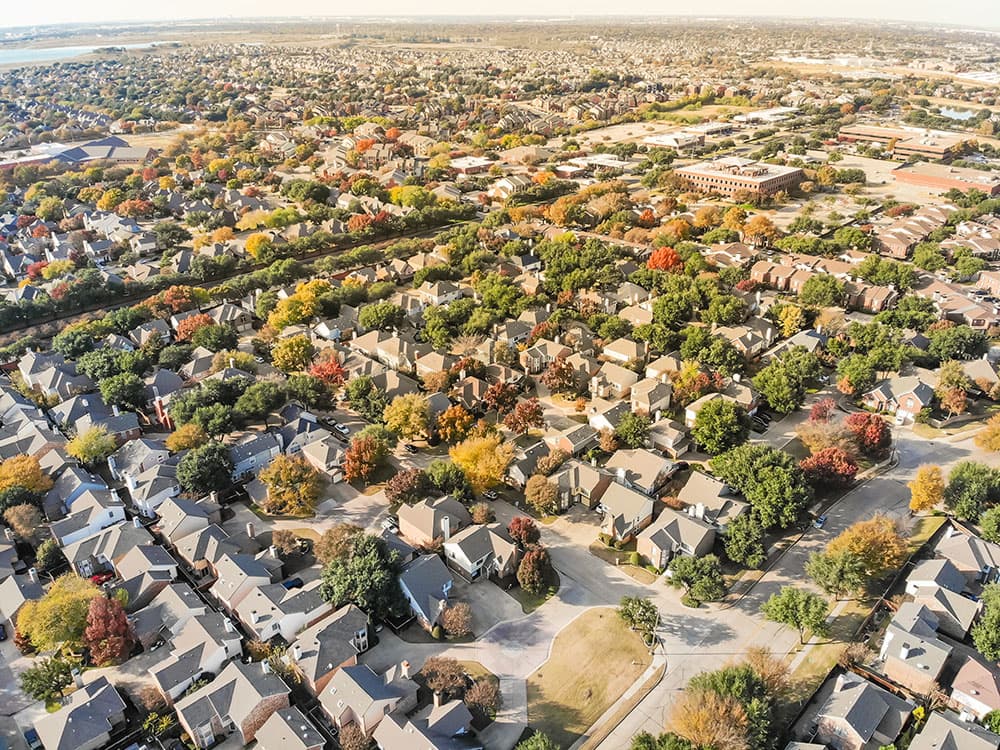
Much of this year’s state legislative action focuses on undoing restrictions that limit the types of housing that can be built. In many communities, local zoning regulations limit housing in residentially zoned areas to detached single-family homes on large lots. This type of housing takes up a lot of space, making it harder to build enough housing to meet demand.
Allowing accessory dwelling units (ADUs) in these single-family-only areas is one way to unlock more housing, gently increasing density with smaller (and thus cheaper) homes. With an ADU, homeowners can provide housing to family or friends or earn extra income by renting the unit. This year, Georgia’s HB 1166, Florida’s SB 48, Michigan’s HB 5585, and Idaho’s SB 1277 would undo bans on ADUs, building off the success of states like California, where ADUs represent more than 20% of housing permits (based on 2023 data).
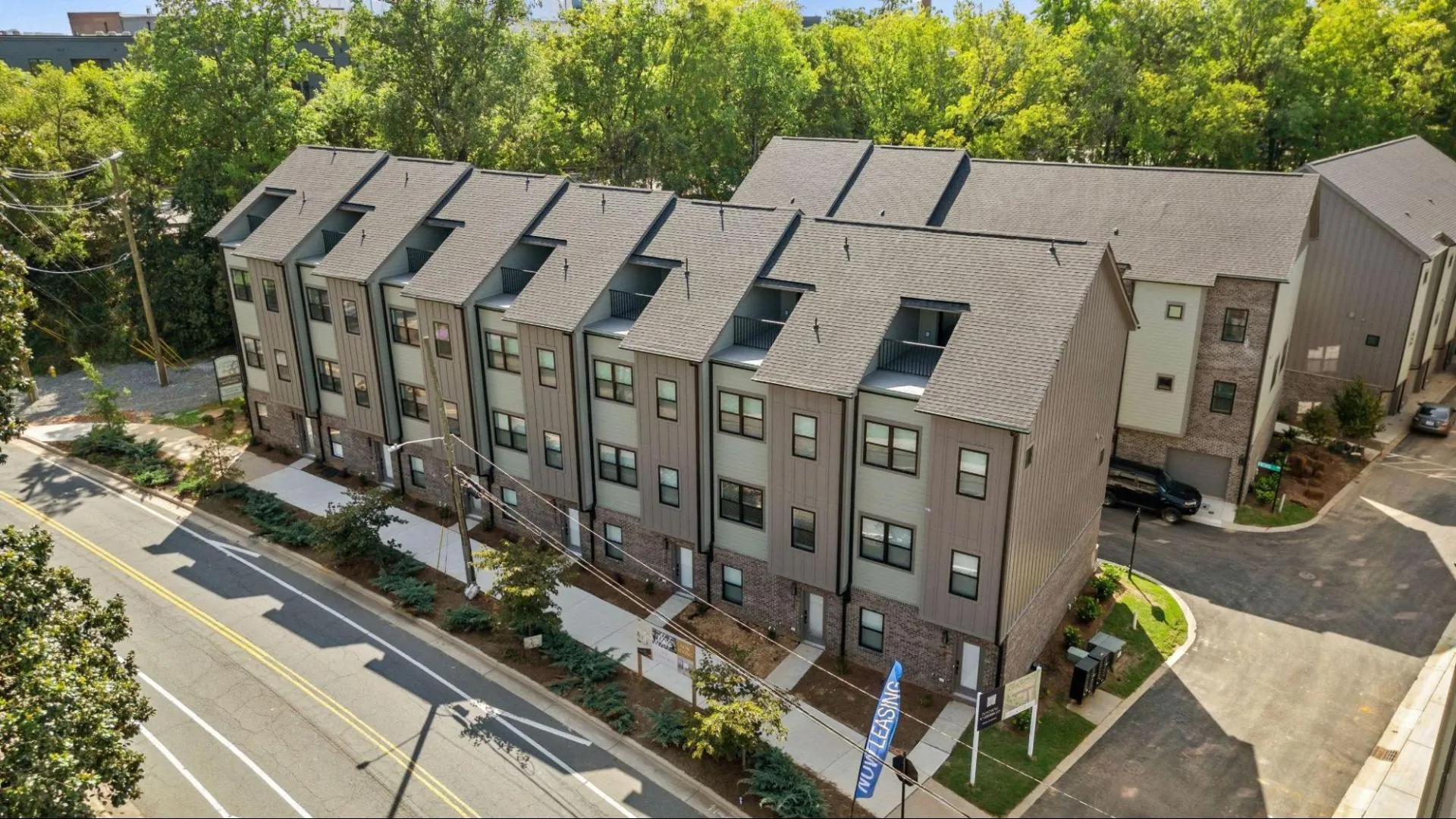
Some state legislative proposals this year also focus on promoting the development of missing middle housing, which includes townhomes, duplexes, cottage clusters, and other attached single-family or small multi-family buildings. Pennsylvania’s HB 2185, Michigan’s HB 5584, and Idaho’s SB 1280 would allow missing middle housing types in some single-family-only areas. These bills would be only the most recent in a string of state-level missing middle reforms, beginning with Oregon’s in 2019.
To address restrictive development standards, Idaho’s SB 1279, Colorado’s HB 1114, Michigan’s HB 5530, and Virginia’s HB 1212 would establish limits on lot size, lot coverage, setback, and other design requirements, making it easier to build smaller homes on smaller lots. Florida’s SB 948, Connecticut’s SB 151, and Maryland’s SB 36 would pair missing middle and design-requirement reforms, more broadly unlocking housing supply.
Bills to allow more housing in the right places
Many zoning codes are use-based, separating residential neighborhoods from businesses and offices, often with the expectation that people can and will drive between them. Some of this year’s proposed bills instead focus on pairing housing with jobs, businesses, and amenities, including public transit, while reducing or eliminating parking requirements. Integrating residential and commercial uses will naturally create communities where amenities and jobs are close to housing, as was the case in many U.S. communities built before the advent of modern zoning. In addition to providing more housing, these policies would have the added benefit of increasing foot traffic for businesses and giving people more options for getting around.
Florida’s SB 1342, Maryland’s SB 389, and Illinois’ SB 3212 would promote housing development near public transportation infrastructure, leveraging public investments in transit and giving people more choices in how they get around. These follow the successes of similar efforts in Massachusetts, and, more recently, Washington and California.
Maryland’s SB 829, Virginia’s HB 816, and Washington’s SB 6026 would allow mixed-use development, bringing together housing and businesses like restaurants and grocery stores. These reforms can increase housing production (by opening up areas zoned for commercial uses to housing) and make it easier for people to access jobs and businesses by walking, biking, or taking transit.
Virginia’s HB 888, Pennsylvania’s HB 2155, and Michigan’s HB 5582 all focus on parking minimums. Most local zoning codes require a certain, often arbitrary, number of parking units per home, which makes it difficult to build smaller homes on smaller lots, since parking would take up too much space. It also increases costs to build missing middle or large multifamily housing, where parking would need to either be in a large lot, a garage, or underground. These bills would limit these parking minimums, making it easier to build these types of housing in areas where less parking is needed, and more people get around by walking, biking, or taking transit.
Although these bills are still just proposals, it’s clear that across the country, states see zoning reform as an important avenue for addressing the housing crisis and helping more people afford housing that suits their needs. Smart Growth America advocates for many of the zoning reforms that these bills employ, with the goal of unlocking more housing of various types and in the right places.
Related News












Livable places. Healthy people. Shared prosperity.


© 2026 Smart Growth America. All rights reserved
Site By3Lane Marketing
