





News
By Raveena John, February 12, 2026
We love supporting quick-build demonstration projects, but it’s not every day we get to install one ourselves! With the guidance of Better Block, the SGA team and this year’s Community Connectors participants got to try our hands at rolling out the tape, pouring the paint, and getting our hands dirty while reimagining a street in Little Rock, AR.
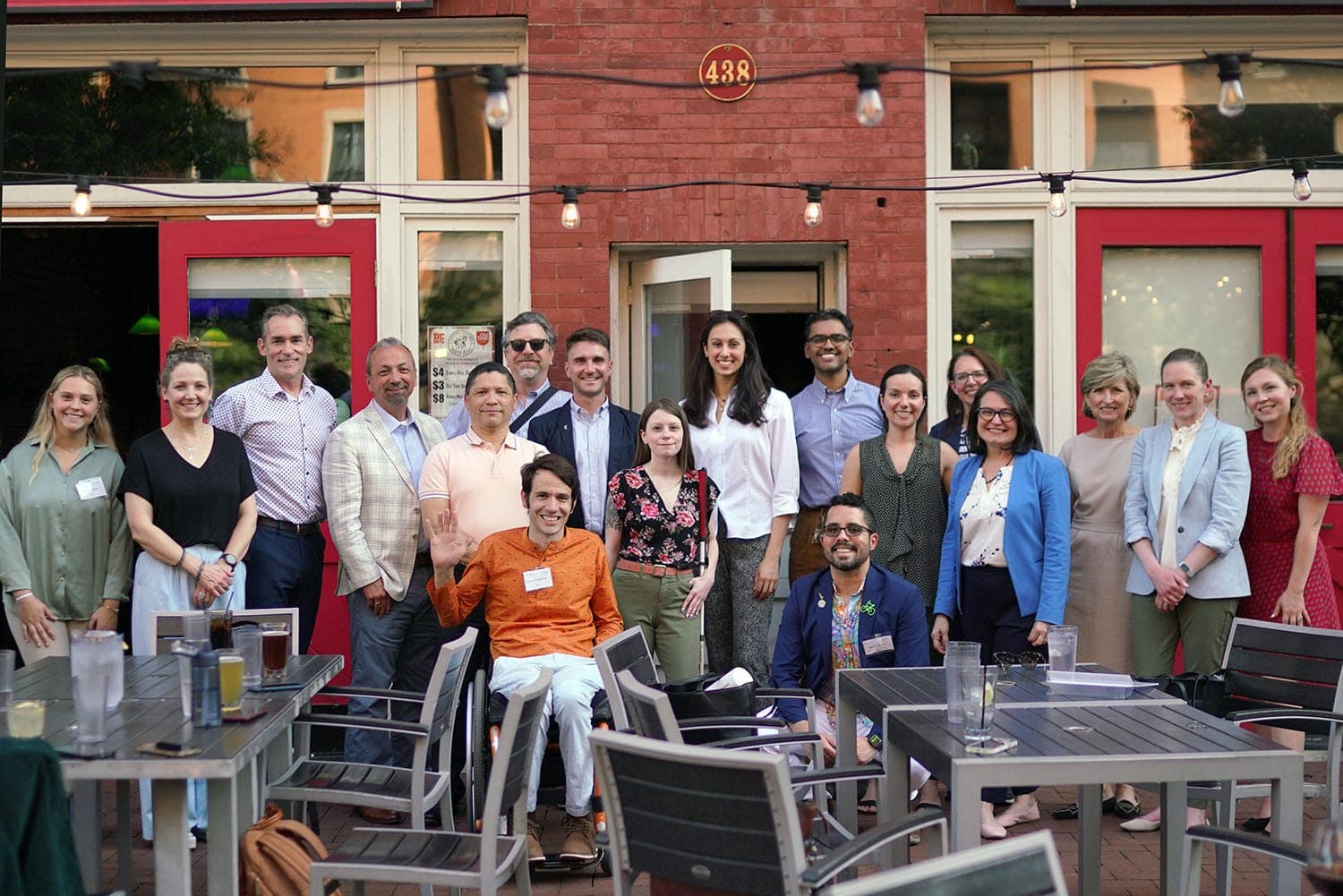
This iteration of Community Connectors is supporting three teams to repair dangerous and divisive arterial roads with quick-build demonstration projects. One of the many low-cost strategies teams can use to improve safety and make a street more reflective of the surrounding community is to install asphalt art. This beautiful and fun approach to traffic calming has many well-documented benefits, but if you haven’t tried painting a road before, you may not know where to start. To gain some hands-on experience and make progress towards their own demonstration project designs, five members of each Community Connectors team joined us for a two-day workshop hosted by Little Rock, one of this year’s teams.
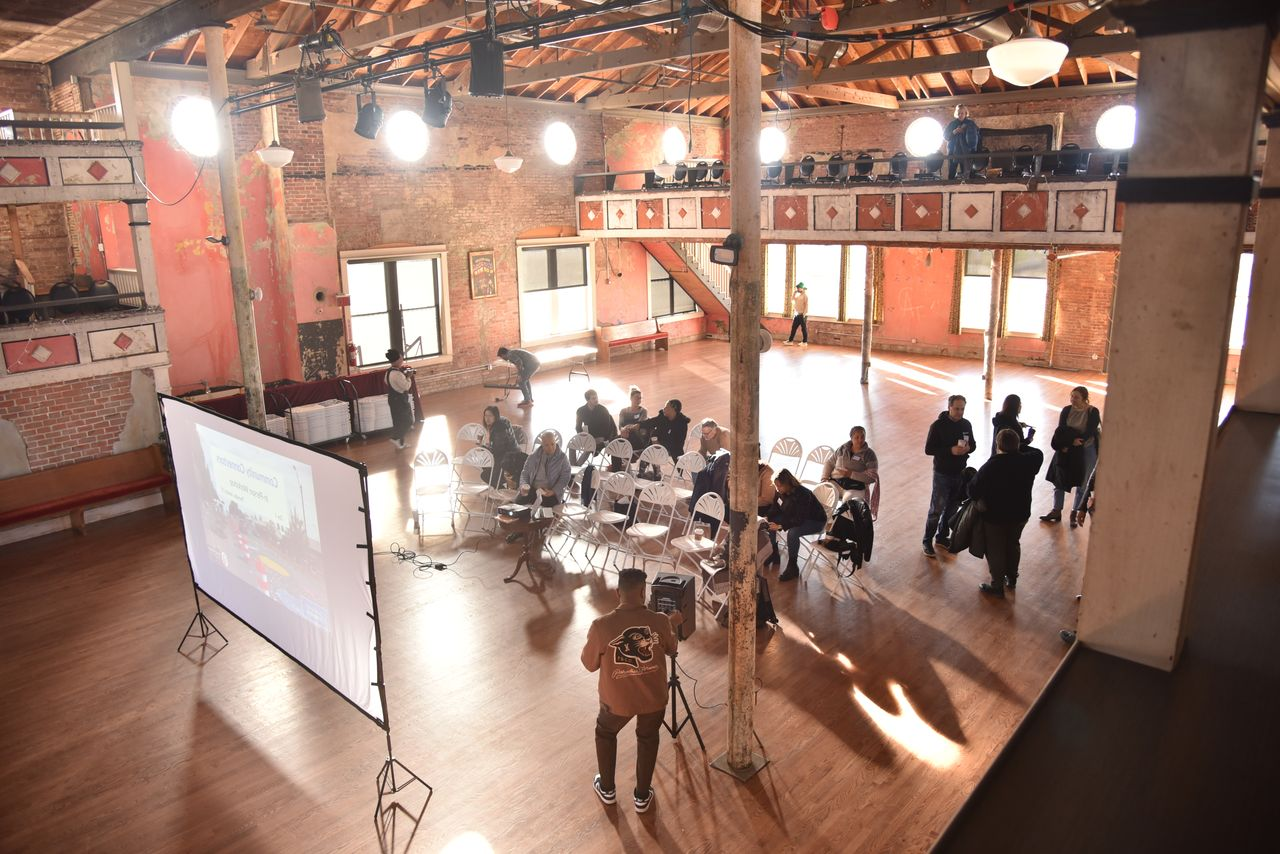
Dreamland Ballroom on West 9th Street is a historic performance venue, graced by the likes of Ella Fitzgerald and Louis Armstrong. Today, the Ballroom stands out as one of the few remaining buildings on W 9th St that has withstood the area’s devastation from urban renewal and the construction of I-630 through the heart of this historic Black Main Street. Little Rock’s Community Connectors team’s project is focused on this district, with the Ballroom at one end of the corridor and the Mosaic Templars Cultural Center at the other. The Little Rock team and the owners of the Ballroom graciously hosted the Akron, OH, and Historic East Towson, MD, teams for the two-day workshop in January, providing a perfect venue for our activities.
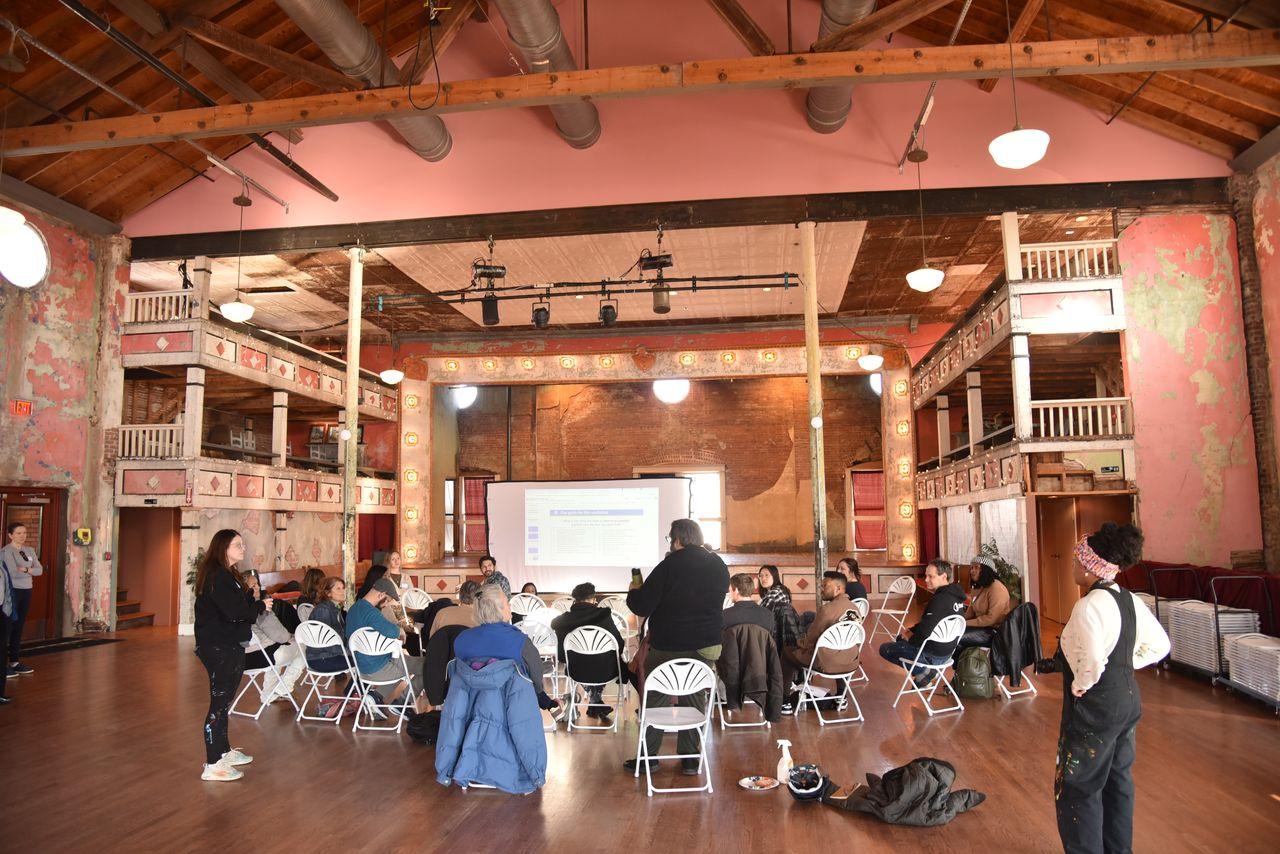
Before any of our flights landed in Little Rock, the Better Block team designed a short-term mural for our cohort to install on the portion of West 9th Street right outside Dreamland Ballroom. We had two goals for this mural: to serve as part of the Little Rock project overall and to build some new skills and confidence in the Community Connectors cohort as they design their own longer-term demonstration projects.
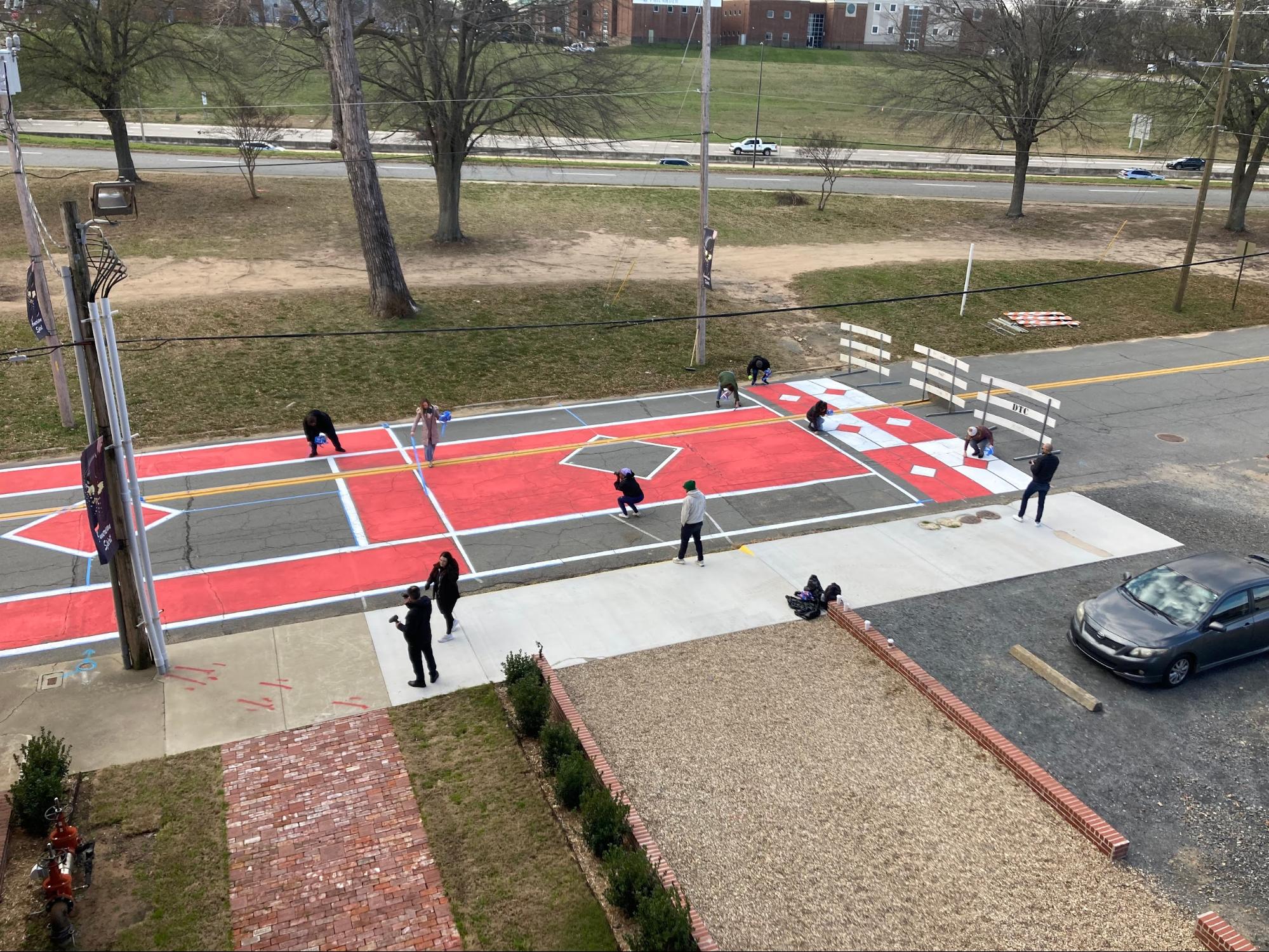
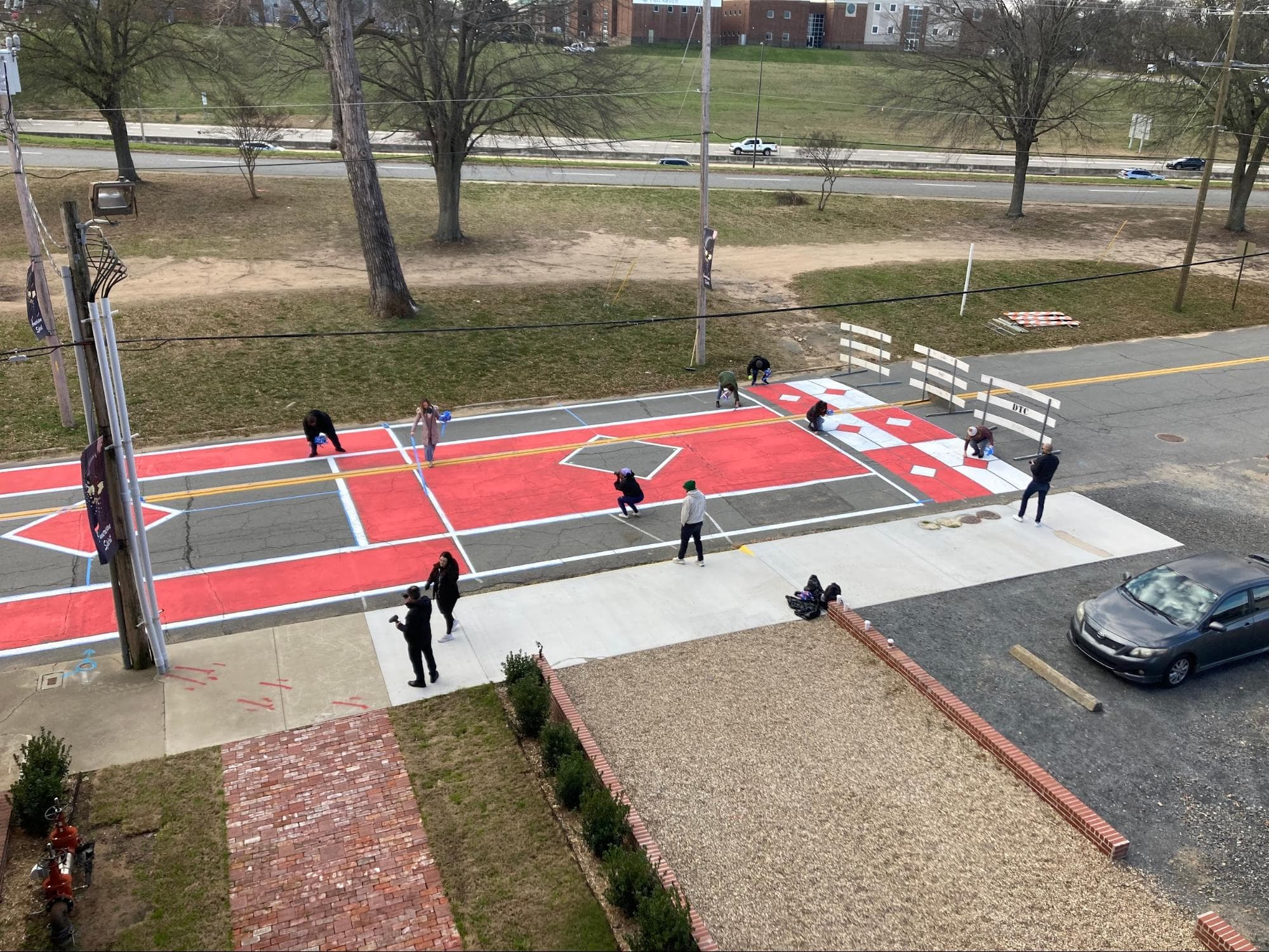
Motifs from the Ballroom stage were used as the design for the geometric mural, bringing the history of the building to everyone who passed by the street. Better Block sorted out permitting with the city (a relatively easy process, as Public Works often permits murals), procured the necessary materials, and coordinated the road closure for the time it would take to install the mural. When the temperature unexpectedly dropped the day of the workshop, the team knew paint would take longer than normal to dry. They quickly reached out to the city to extend the road closure for an extra day to give the paint time to set. With the additional 24 hours secured, Better Block was confident the mural would be ready in time, even with the cold weather. The ease of this process showed the city’s familiarity with permitting murals, provided a good model for city staff from other teams attending the workshop, and demonstrated the creativity required of those leading a mural.
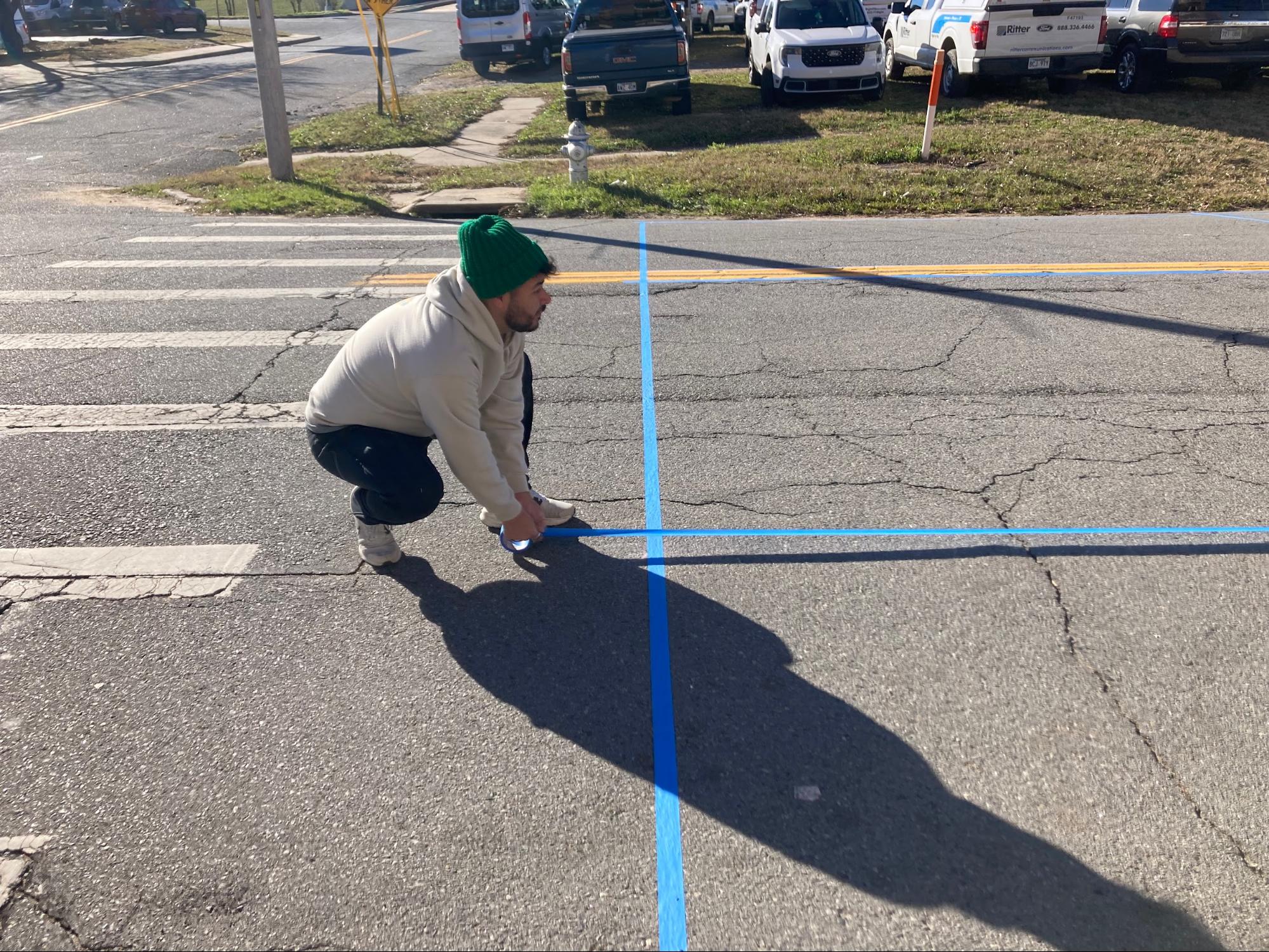
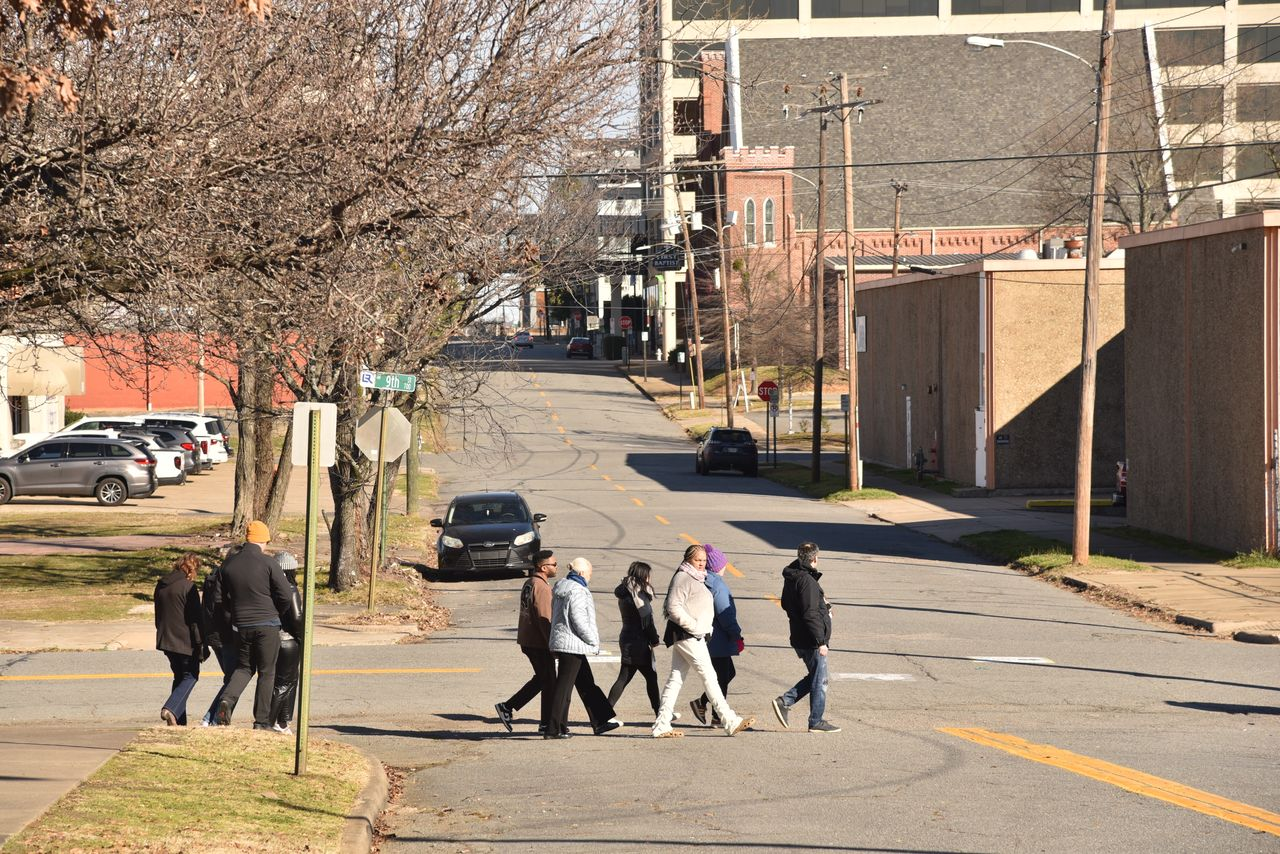
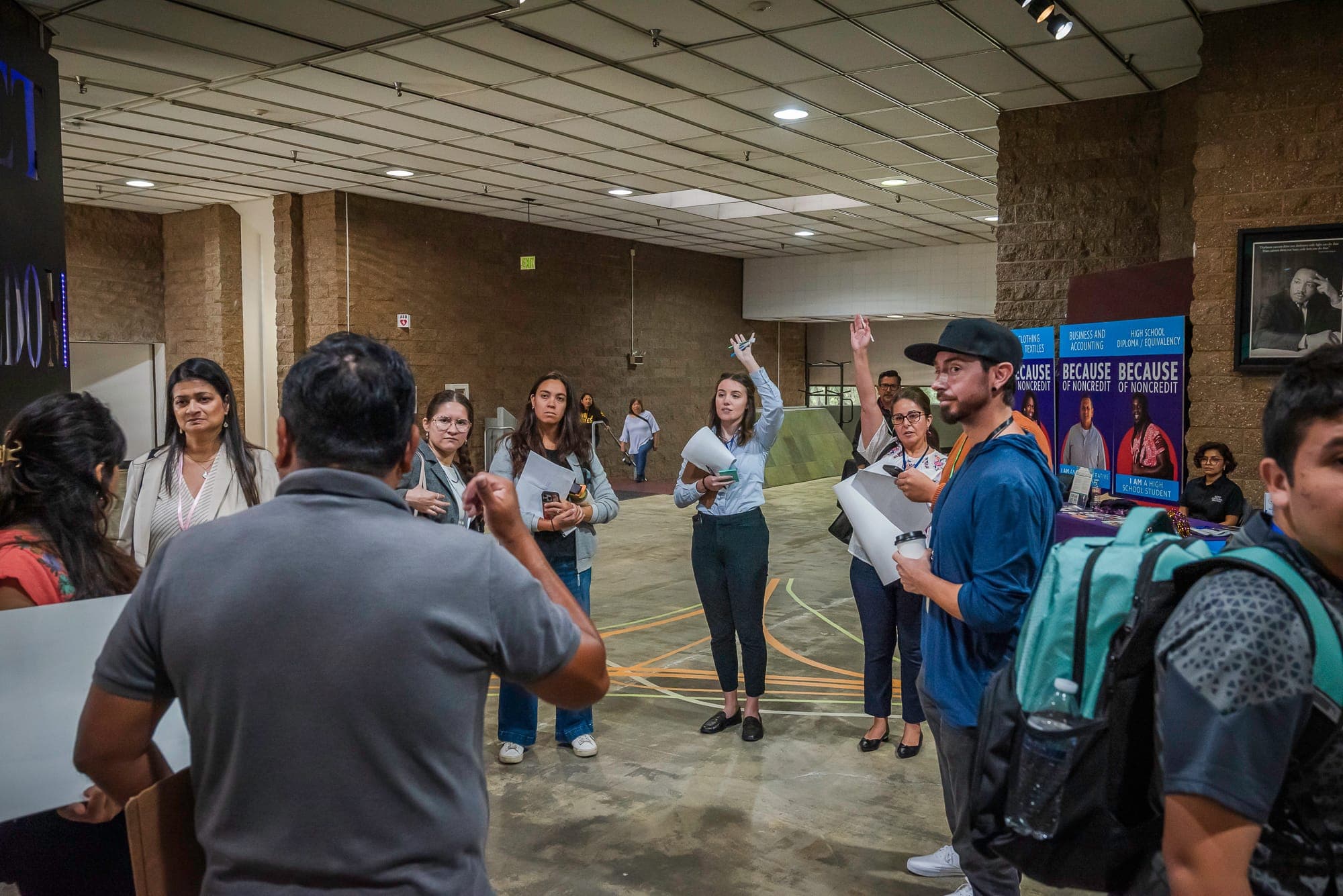
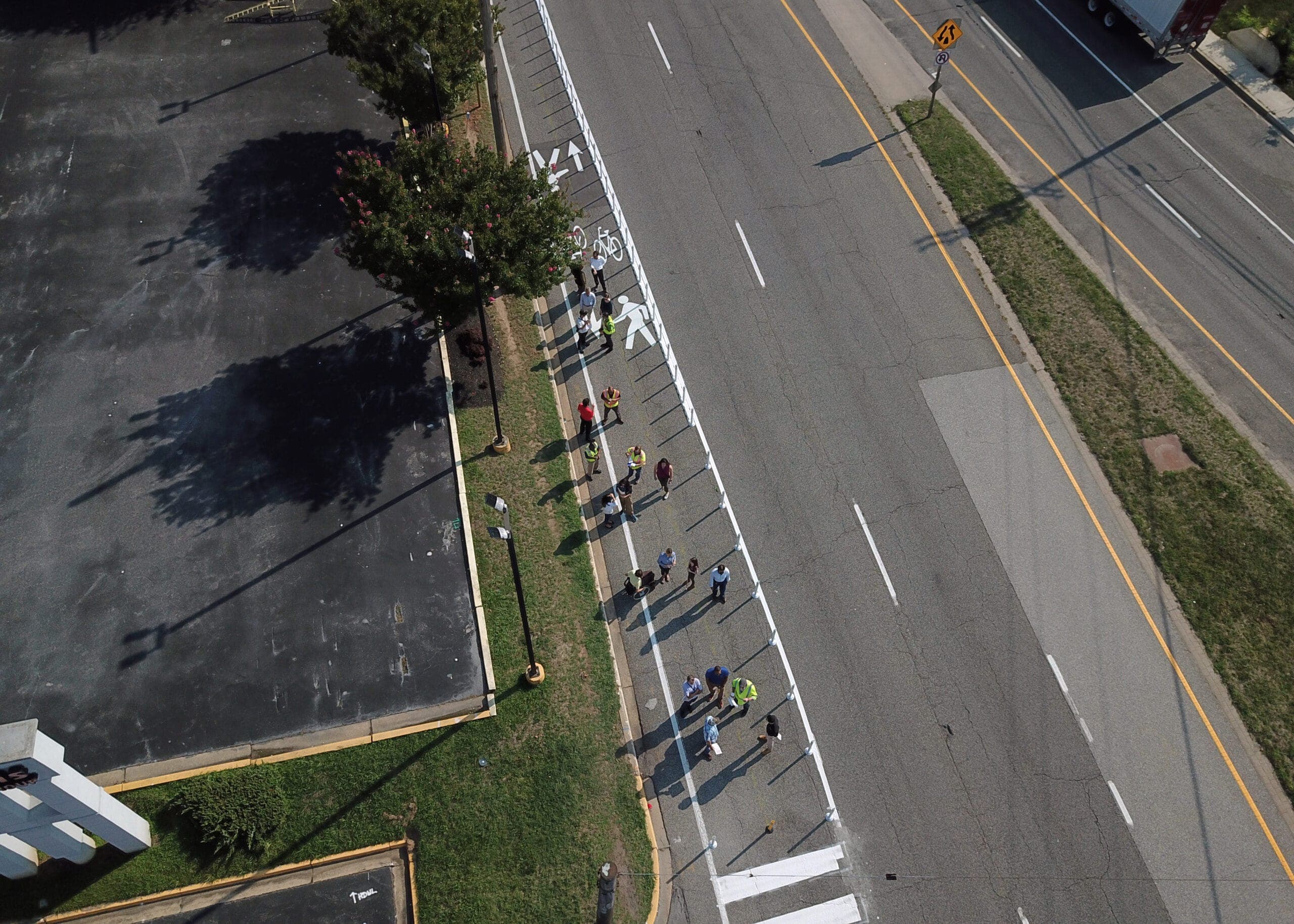
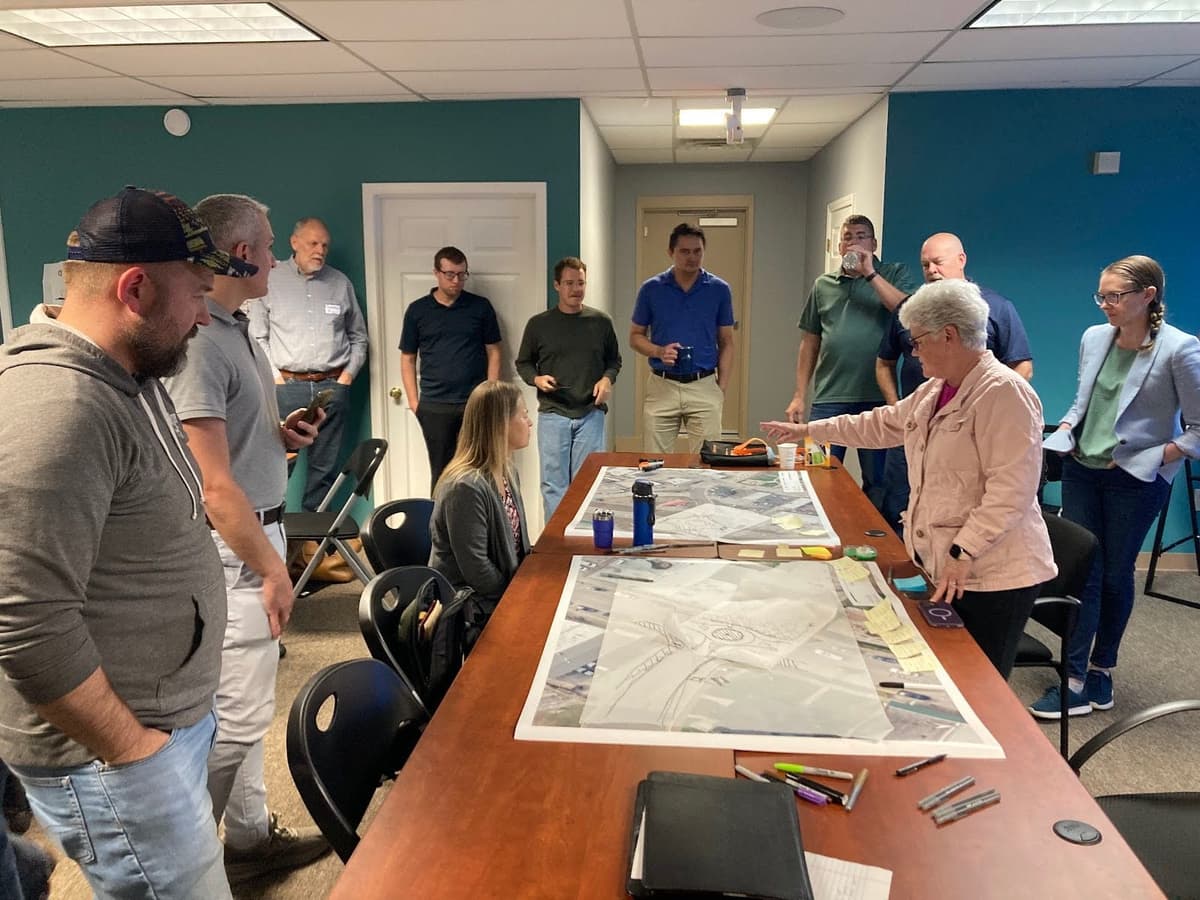
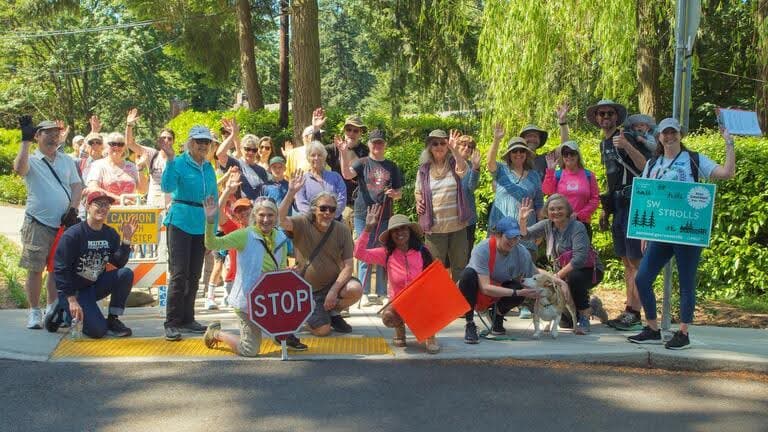
While SGA, Stantec, and the Community Connectors program participants conducted a walk audit of the W 9th St corridor, Better Block taped the outlines for most of the mural, leaving the last few details for the group to practice. One group of participants even got to set up the complicated crosswalk design—which was a lot more detailed than the rest of the mural—and the results were fantastic.
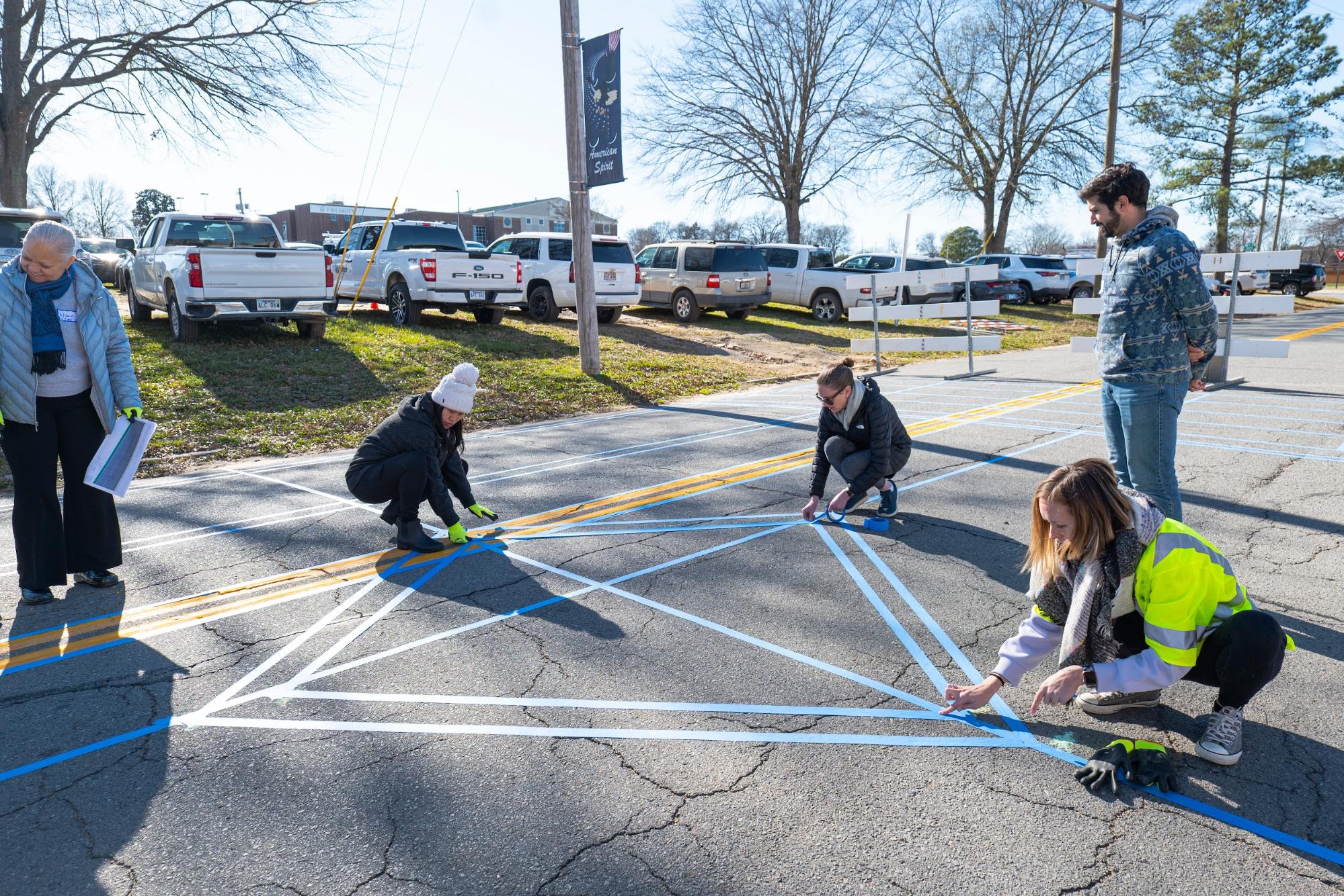
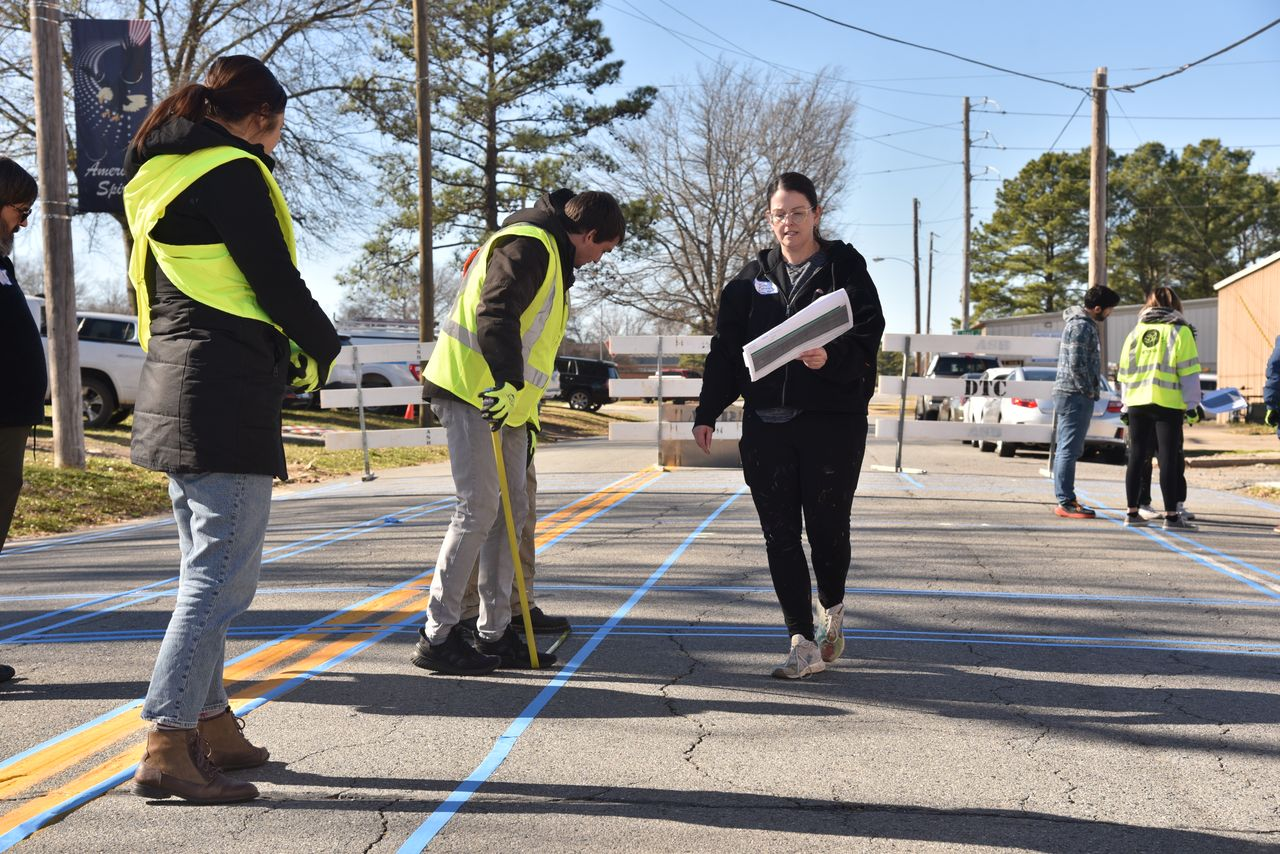
Typically, volunteers would be tasked only with painting after the design was fully outlined. At this workshop, installing the tape and observing how Better Block organized all of the logistics of installation built enormous confidence in these three teams, perhaps encouraging them to more readily add similar components to their own demonstration projects. Teaching the process, not the outcome, is central to our approach with Community Connectors, and the workshop is the best example of our ethos in action.
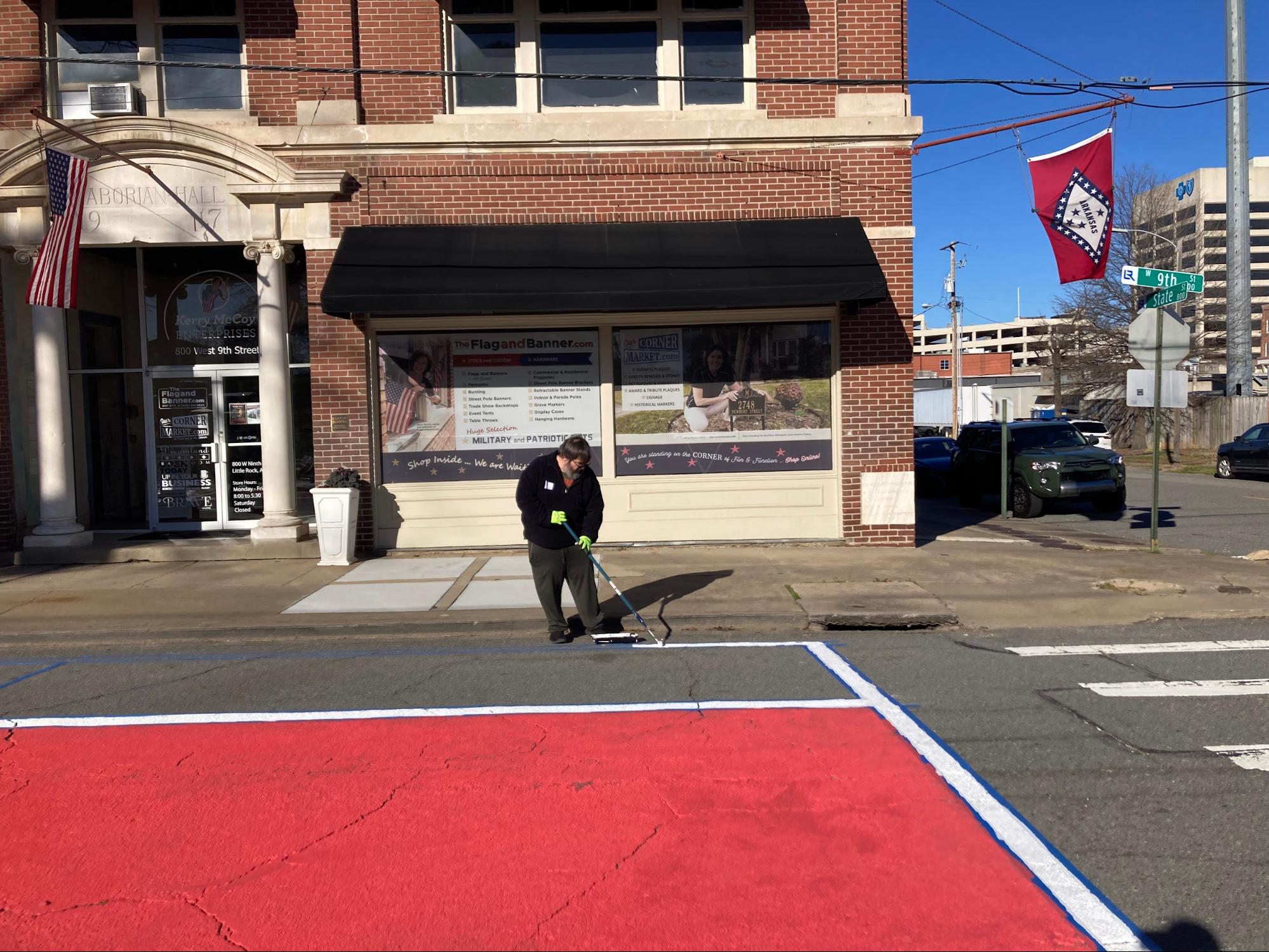
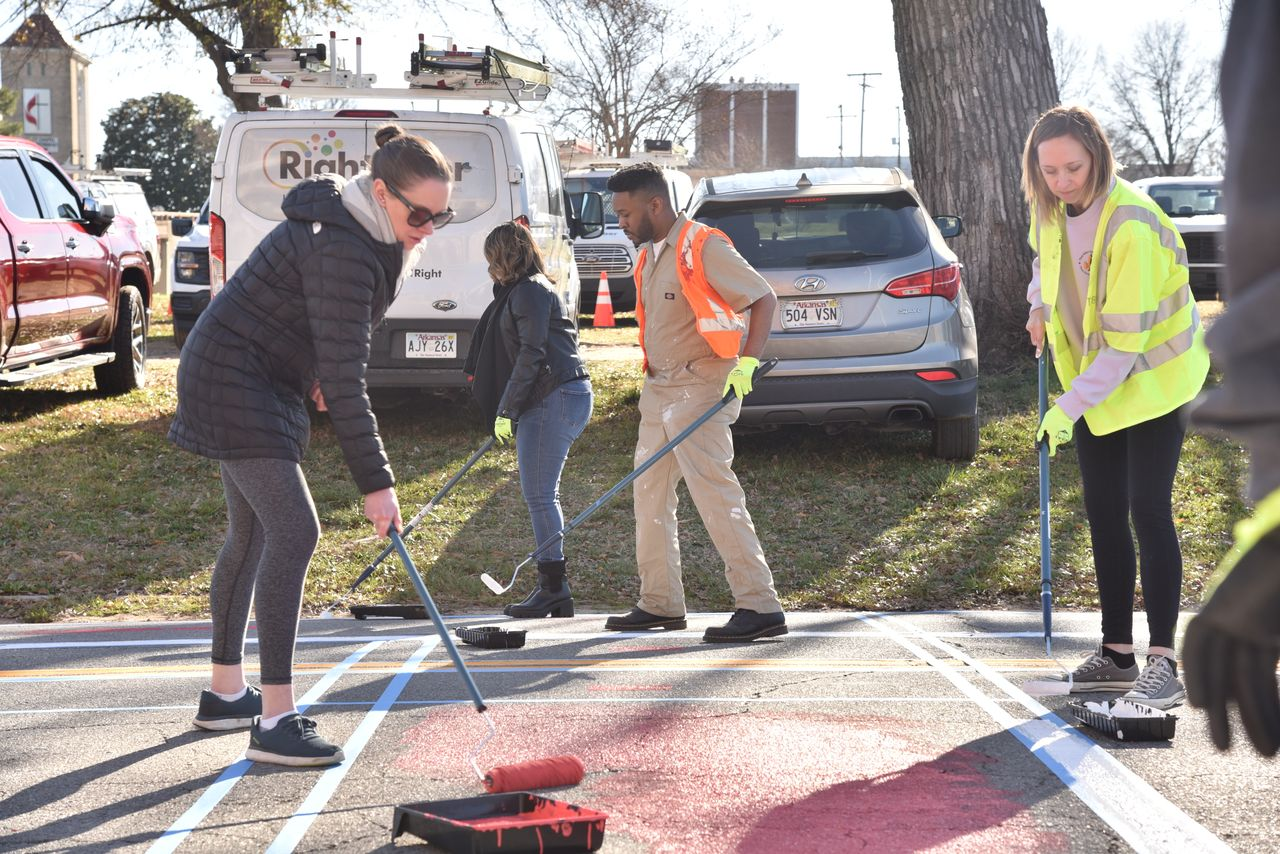
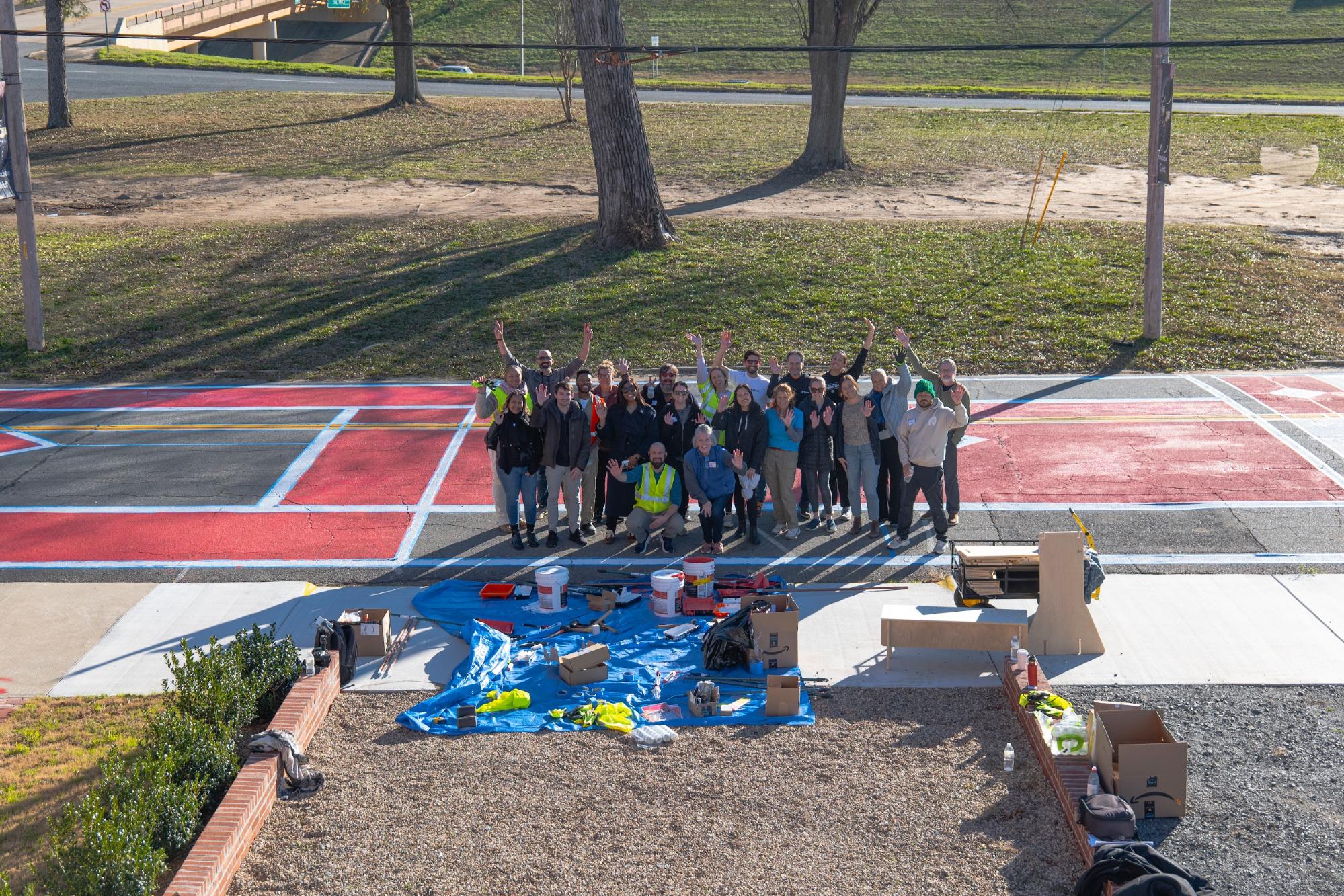
It took us the remainder of the afternoon to paint the street. Many hands make light work, and time flies when you’re having fun—all that is true. More than anything, getting to use our hands and make a change to the street together was such a fun, unique experience. For people whose work focuses on the built environment, most of our days are still spent at a desk. Getting to do something immediately and tangibly rewarding was invigorating and really made this workshop memorable for everyone.
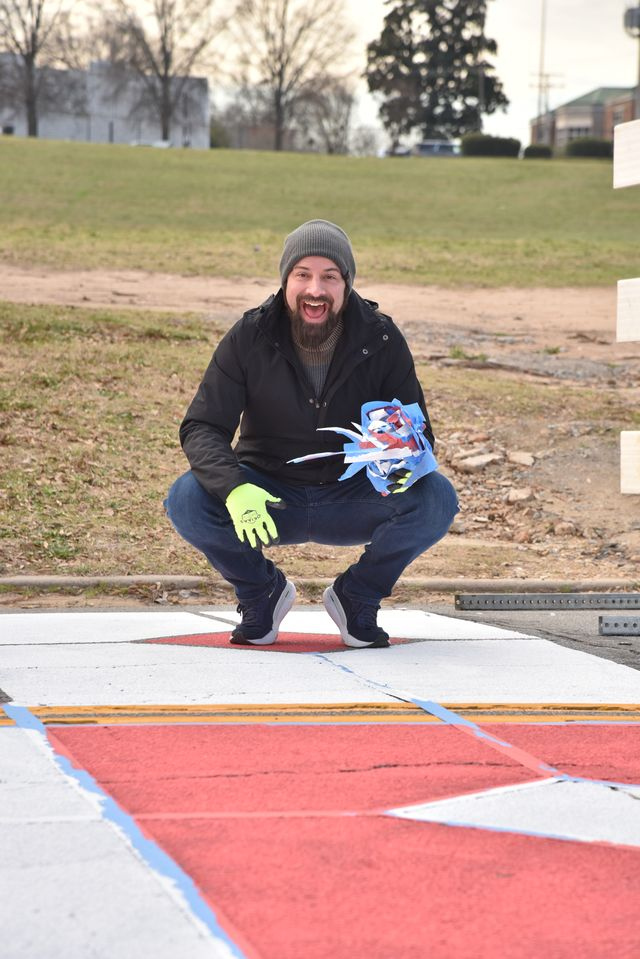
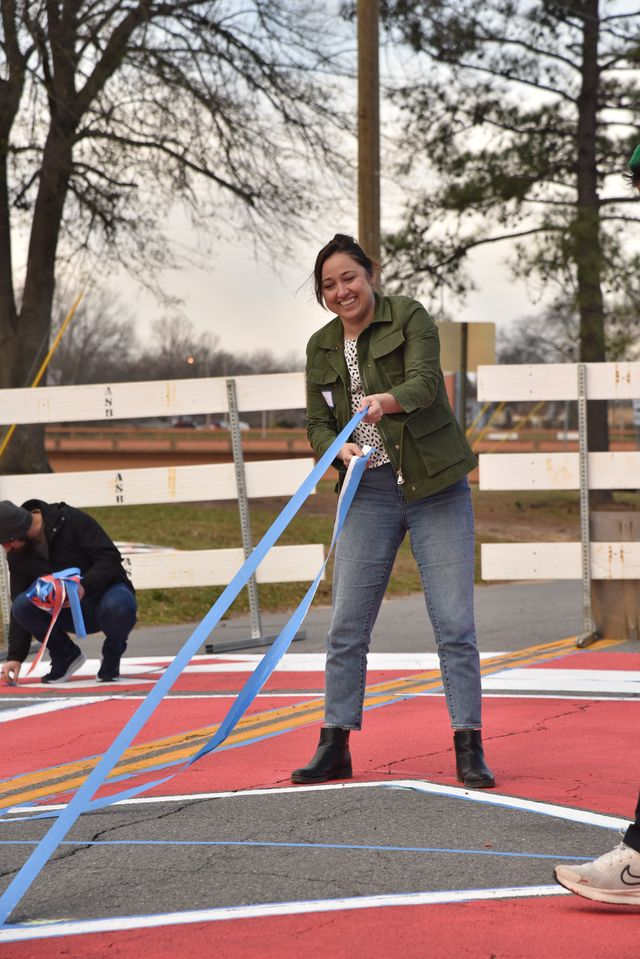
he next morning, the paint was completely dry. Between practicing collecting data with traffic counts and a radar gun, and before digging into project design work, we finished the mural with the most fun step of all: peeling up the tape. The carefully-placed outlines came up with a satisfying ssssshhhhhhhkkkkkkk and revealed a beautiful, well-defined geometric design. With the pop-up mural officially complete, a quick game of tape-ball soccer commenced, and our accomplishments set the tone for the rest of the workshop. In addition to gaining new experience conducting a walk audit and a solid draft of their demonstration project designs, we all went home from the Community Connectors workshop with new skills we’re ready to put to use…and a bit of paint on our shoes.
Related News



Livable places. Healthy people. Shared prosperity.


© 2026 Smart Growth America. All rights reserved
Site By3Lane Marketing
