







News
By Smart Growth Network, April 8, 2026
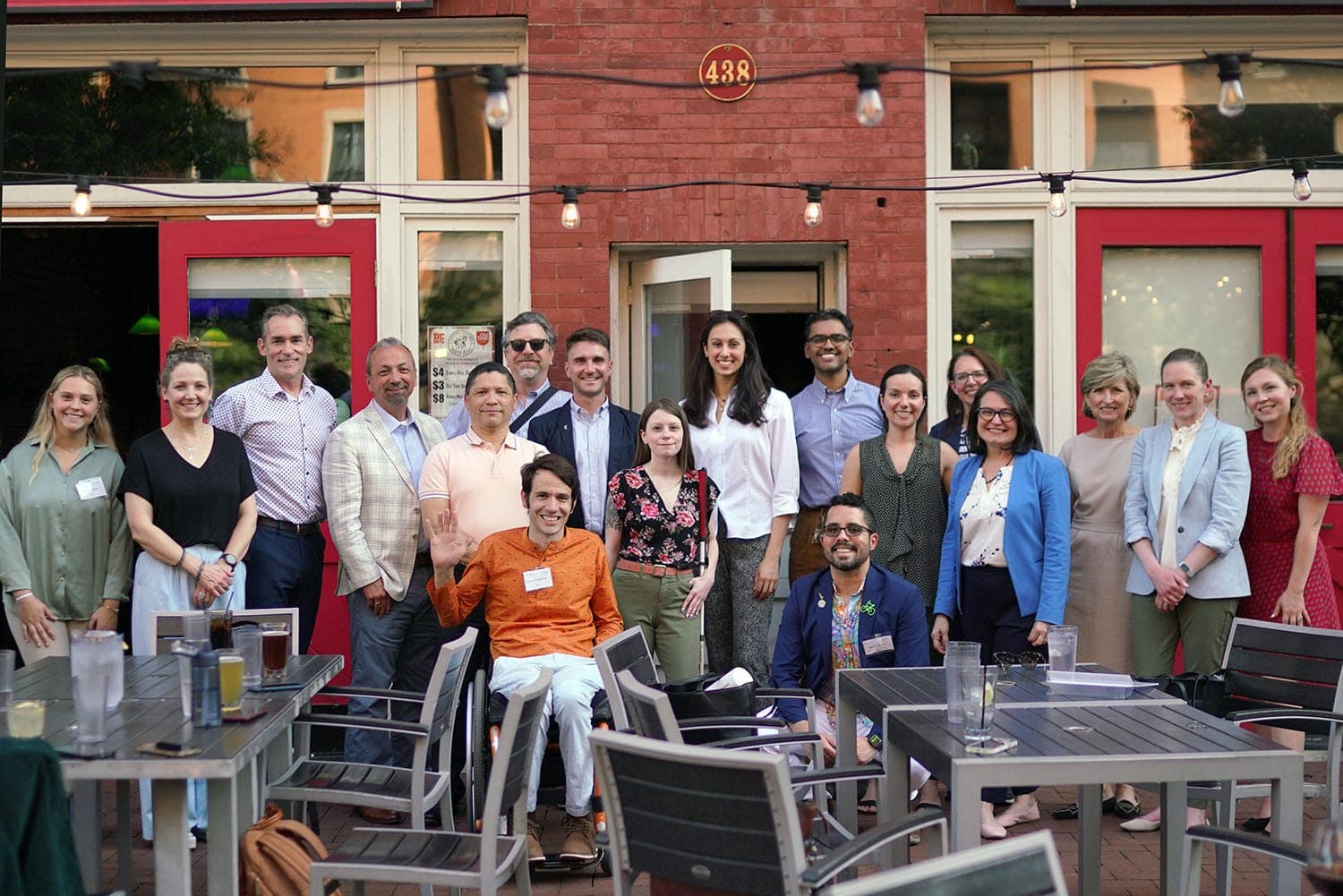
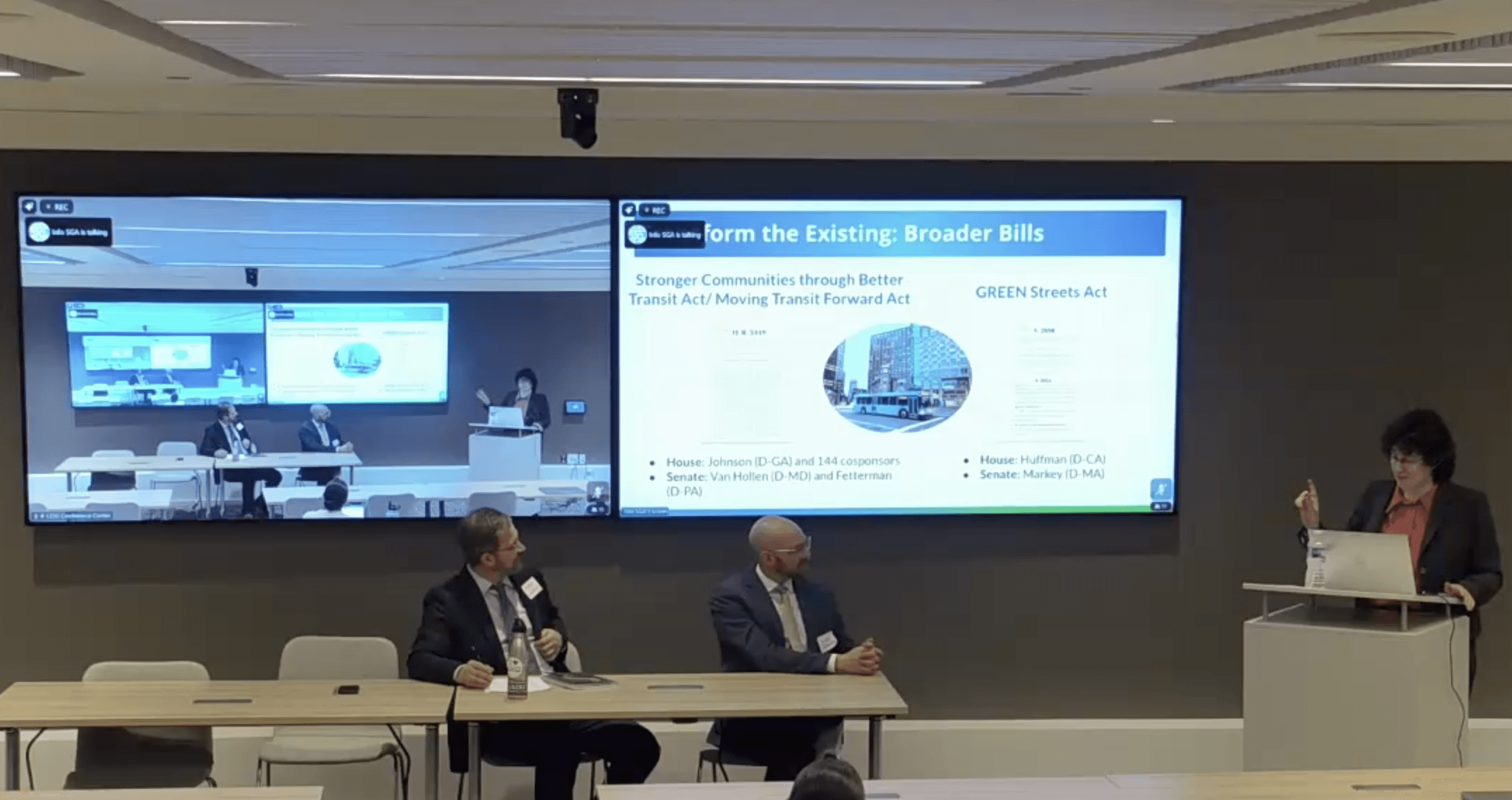
The Smart Growth Network (SGN) hosted its first quarterly discussion of 2026 on February 25 in Washington, D.C. SGN is an alliance of over 80 organizations working to advance sustainable, equitable, and healthy land use and infrastructure policies. The network hosts quarterly discussions to provide a space for sharing and elevating emerging ideas, research, and best practices from around the country.
February's event focused on the upcoming surface transportation reauthorization and what is needed to deliver significant safety, access, emissions, and other improvements across the U.S. Transportation reauthorization bills typically include hundreds of billions of dollars in funding for various transportation programs over five to six years. The most recent reauthorization, the Infrastructure Investment and Jobs Act (IIJA), was passed in 2021 and expires on September 30, 2026. Across the discussion, a consistent theme emerged: despite decades of investment, federal transportation policy is not delivering on its stated goals, and without structural changes, more funding alone will not change that.
During the quarterly discussion, Beth Osborne with Smart Growth America, Sarah Kline with SK Solutions, James Bradbury with Georgetown Climate Center, and Yonah Freemark with the Urban Institute offered reflections on previous reauthorizations, opportunities for advancing smart growth in the upcoming reauthorization, and calls for a greater shift in how we think about funding transportation projects.
Leaders reflected on how federal transportation policy has fallen short of meeting established goals
Despite reauthorizations having stated goals of improving safety, reducing congestion, maintaining infrastructure condition, protecting the environment, and others since 1991, the US has seen little to no progress in many of these areas over the past few decades. For example, there has been a 75% increase in pedestrian deaths since 2010 despite billions of dollars in spending on safety projects. Significant funding in the IIJA was set aside for intercity rail infrastructure, but due to limited capacity and experience with major non-highway projects, many states and cities have been unable to fully utilize the new funding for projects like new intercity rail lines. Given these challenges, there are concerns about continuing this trend with the upcoming reauthorization and the need to rethink how transportation dollars are allocated.
To inform spending decisions, a new tool helps illustrate the impacts of different types of investments on smart growth goals
Given the misalignment between stated policy goals and actual outcomes, it’s critical that members of the smart growth community have the tools to make the case for better investments. Different investment pathways can have significant implications for greenhouse gas emissions. For example, using dollars from the IIJA, California could make investments that increase carbon emissions by 16 million metric tons above business-as-usual through 2040, or decrease carbon emissions by 18 million metric tons below business-as-usual. Tools like the Georgetown Climate Center’s TEA-CART can give advocates and decision-makers a better way to estimate the impacts of different transportation investments and land-use policies on carbon emissions, air pollution, and more, helping shift the conversation toward outcomes.
While incremental policy wins are valuable, shifts in how legislators view reauthorization are still needed
A few smart growth bills are currently being discussed in Congress that could be incorporated into the reauthorization package, such as the Build HUBS Act, which would modify two existing transportation loan programs to make it easier for developers to build more housing near transit. Potential incremental wins like this can represent progress, but many legislators still view reauthorization primarily as a highway-funding bill and measure success by the amount spent on roads. This isn’t new, but a major change will be needed to start seeing real progress toward the legislation's goals.
Across the network, smart growth leaders are eager to see transportation policy reform
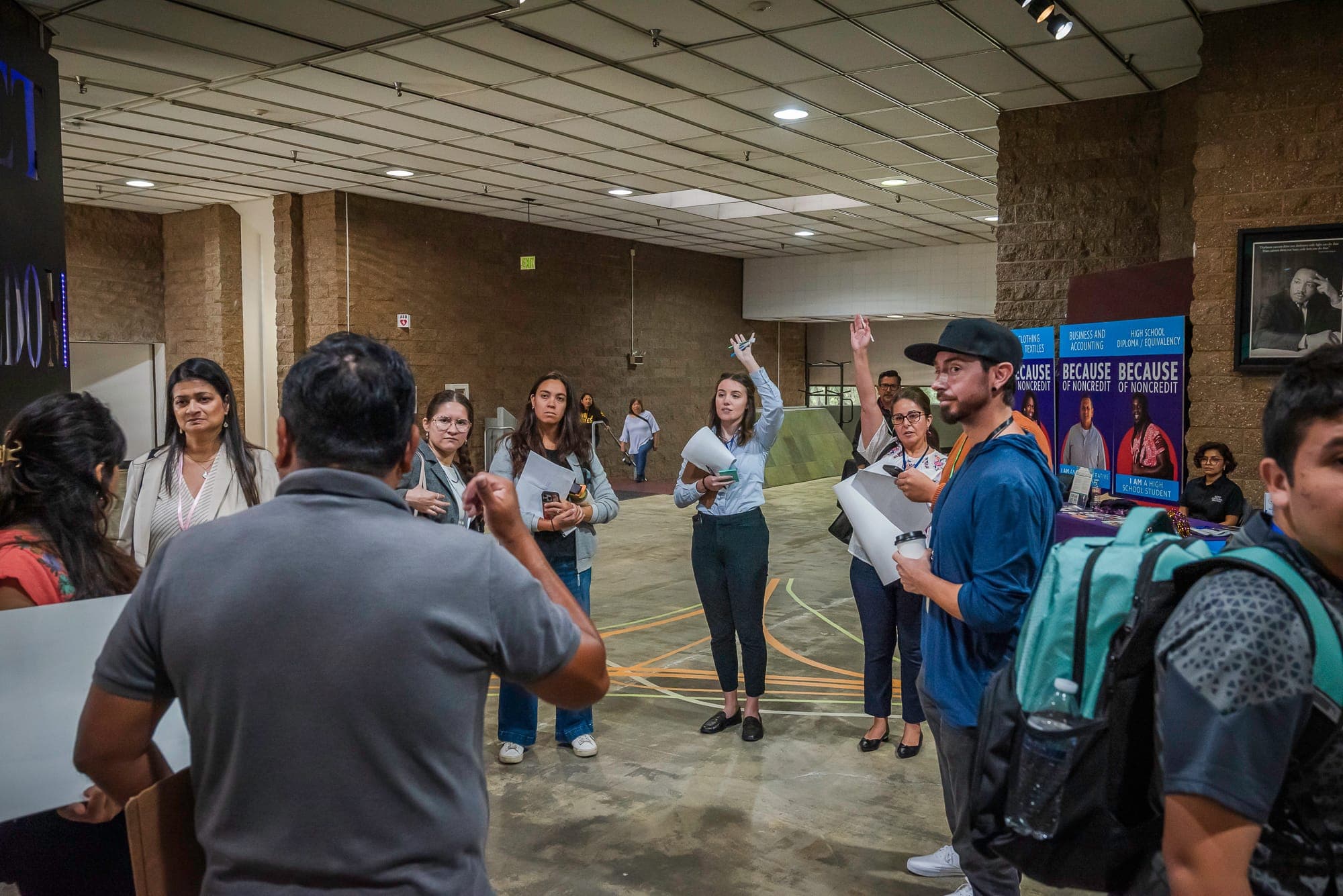
After the presentations, attendees asked questions and then gathered in breakout groups to discuss several topics, including their perspectives on reauthorization, how delays and uncertainty in project funding stemming from recent federal actions have impacted state agencies and the private sector, and the need for greater support at the federal level in connecting transportation, housing, and economic development.
What’s Next?
As Congress discusses the next reauthorization, the question is not just how much to spend, but whether the program will finally be structured to deliver the outcomes it promises.
A recording of the event can be found here. If you are interested in joining the Smart Growth Network for future discussions on timely policy issues related to smart growth, please complete this short membership interest form and a member of our executive committee will reach out.
Related News







Livable places. Healthy people. Shared prosperity.


© 2026 Smart Growth America. All rights reserved
Site By3Lane Marketing
