






News
By Raveena John, Raveena John, February 20, 2026
As global temperatures rise, we must change how we approach planning and building transportation infrastructure. Typhoon Halong displaced over a thousand Alaskans last fall, a devastating piece of a much bigger picture of how climate change is affecting the northernmost state. What happens in Alaska poses questions for us all to consider as we adapt our transportation approaches to our changing climate.
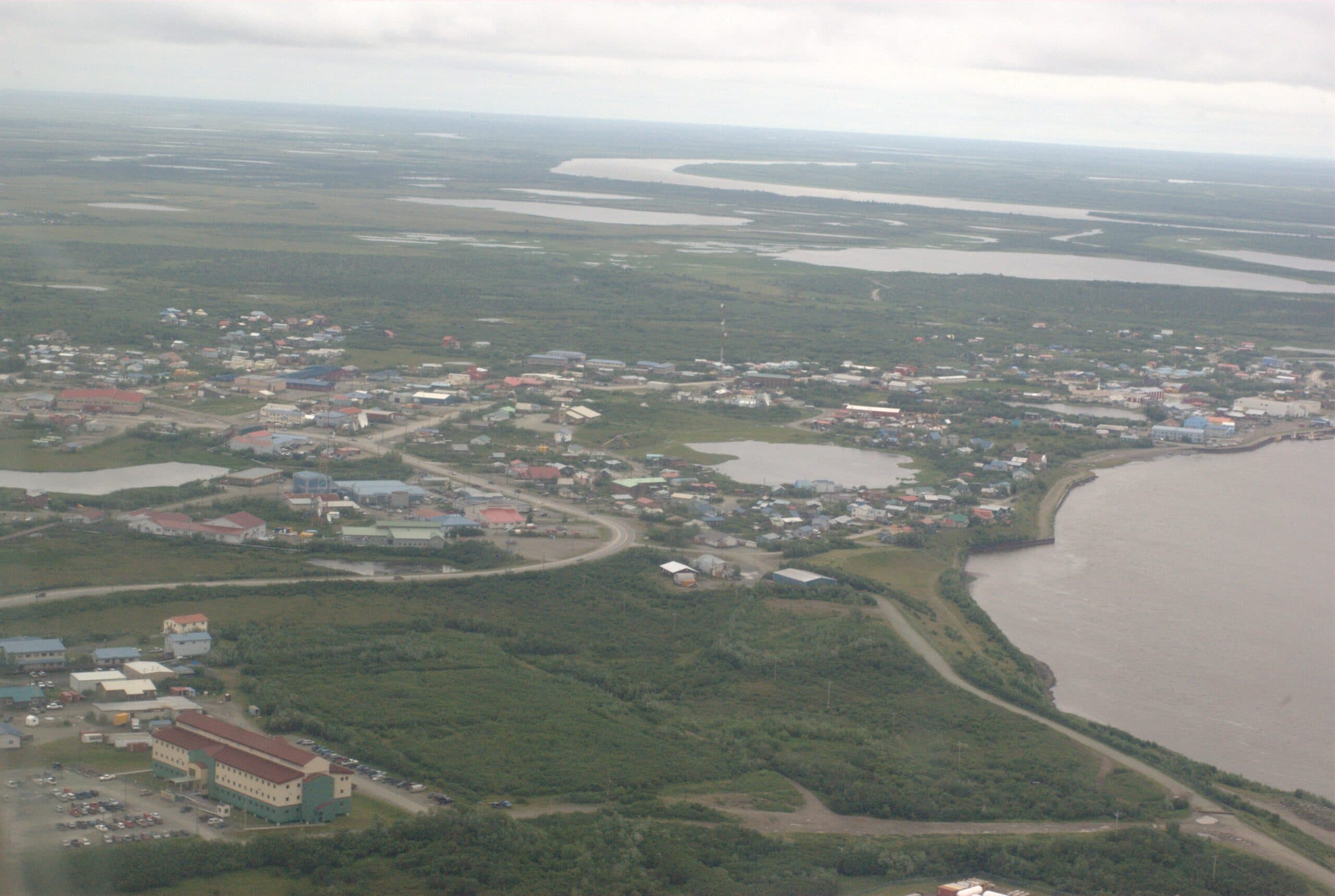
Over a thousand Alaskans across the Yukon-Kuskokwim Delta were displaced by storm remnants from Typhoon Halong in October 2025. Some communities were nearly entirely evacuated to Anchorage, Bethel, and nearby villages. The storm caused severe damage to homes, businesses, and essential infrastructure, on top of the existing threats climate change brings to these coastal tundra areas. People lost their homes, the places they grew up, and even their histories, such as the Yup’ik artifacts in Quinhagak that washed to sea. Many communities now face the impossible choice between returning and rebuilding their village or relocating it entirely. There is no easy answer here.
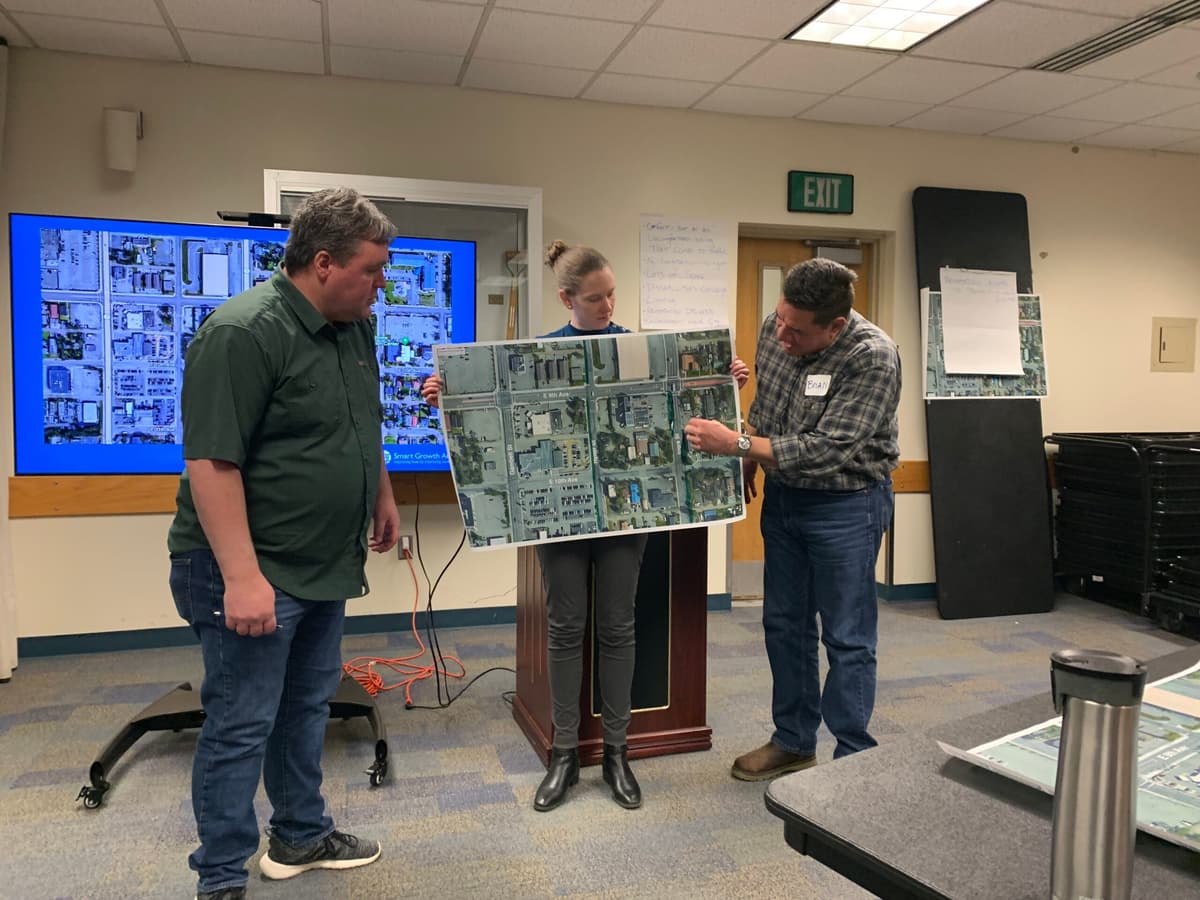
Smart Growth America visited Bethel, Anchorage, and three other Alaskan cities in 2024, helping local residents, tribal councils, and the state envision a transportation system that works for everyone, regardless of the size of their community or how they travel. Complete Streets, the approach to building and maintaining safe streets for people of all ages and abilities, can be applied to communities of all sizes and climates, even in the coldest parts of the country. We were met with amazing kindness and hospitality across Alaska, including from the Association of Village Council Presidents staff, who showed us around the villages between Bethel and Napakiak. Everyone we worked with brought great creativity in imagining how to improve mobility and access in their communities. What we saw was not just an extraordinarily wide range of transportation needs, from snow machines and the Kuskokwim Ice Road in the winter to pedestrian boardwalks and four-wheelers in the summer, but the urgent need to future-proof how we move for the changing climate.
Most of Alaska is permafrost, soil that is frozen year-round a few inches to a few feet below the surface. As global temperatures rise, the permafrost is thawing, causing structural instability for all sorts of infrastructure, enormous disruption to existing cultures and habitats, and the release of yet unknown amounts of additional carbon. We saw thermosyphons along Chief Eddie Hoffman Highway in Bethel, which reduce the damage from the thawing permafrost by using the cold air temperature to keep the ground frozen and stable. Though effective, this technology and other strategies to fight permafrost thaw cannot entirely prevent the soil from shifting. How can infrastructure be maintained when the ground is buckling underneath us?
During our conversations with Bethel leaders, the Association of Village Council Presidents, and the state, the need for improved data and tracking technology emerged as one of the Y-K Delta’s urgent safety priorities. Data on transportation safety, particularly pedestrian fatality data, need improvement across the U.S. The impacts of federal cuts to both agency budgets and staff on the reliability of pedestrian data are yet to be seen. In Bethel, we heard a clear need for sonar for offshore search-and-rescue, crash, and fall data from villages and trails, and for all of this information to be incorporated into the state database for use in funding decisions. As storm severity increases and as weather is increasingly unpredictable, how can we prioritize data to paint a full and accurate picture of these impacts?
Bethel is the regional hub for the Y-K Delta. The airport serves large flights to Anchorage and numerous small connections to villages across the Delta. If someone from a village in the region needs to travel to the Lower 48 or go to the hospital, they’ll travel to Bethel. In an emergency, or during an evacuation like the one conducted after the devastation of the typhoon remnants, people must go to Bethel. Our work directly faced the question of what it looks like to design roads for people in crisis—if you’re at the Yukon-Kuskokwim Delta Regional Hospital for a family emergency, the last thing you want to worry about is how to safely navigate the roads. Now imagine that crisis scaled up: what would it look like for our transportation system to support our own climate refugees?
We are on track to exceed the 1.5 degrees C warming limit that countries around the world agreed to in the Paris Climate Agreement to help avoid the worst impacts of climate change. We cannot give up on the work to curb our emissions, even as we know the impacts of these extreme weather events are going to continue to get worse. Planning for a changing climate is what we do—and what we must do urgently—with Alaska showing us what the future has in store.
We can’t keep designing our roads for the past, re-using car-centric tools we know don’t work. Complete Streets and community-centered transportation planning are key to designing our built environment for the changing climate. Smart Growth America will continue working with communities of all sizes and geographies to face these difficult questions and to find the answers together.
Learn more about support for Alaskan communities from the Association of Village Council Presidents and the Alaska Community Foundation.
Related News




Livable places. Healthy people. Shared prosperity.


© 2026 Smart Growth America. All rights reserved
Site By3Lane Marketing
