


News
By Eileen Pomeroy, October 20, 2026
Chrissy Oakes is a street safety advocate and member of Families for Safe Streets. She became an advocate after her father was struck and killed while walking near his home in Murrells Inlet, South Carolina, in 2024. This interview with Chrissy has been edited for length and clarity.


Can you please tell us your dad’s story?
“We told your dad the road was unsafe,” said my dad’s neighbors the day of the crash.
On the stretch of the road where he was hit, people nearby have repeatedly tried to get the speed limit reduced from 55 miles an hour. For the walkway built next to the road, there’s a sign online to “use at your own risk,” but there are no actual signs on that road. And at its thinnest point, near where my dad was hit, there are only three feet of grass between the highway and the walkway. Why isn’t there a line of shrubs or a guardrail indicating “do not cross,” or a sign that doesn’t live on a website?
My dad did that walk all the time, but one of his neighbors won’t even stand in front of her mailbox against the road when getting her mail. That day, he wanted to help the people putting a new roof on his home by taking out the garbage, so he was walking over to the recycling center. And he was on his way home and had almost finished crossing the street when he was hit. We couldn’t even find my dad at first because everything went flying during the crash, including his wallet, so they didn’t have official identification.
As the community has grown, a lot of new developments have been built, so my dad’s house backs up to a state park. So the path makes a lot of sense where it is, as long as safety measures are put in place. This particular road became a highway that runs through town and brings people to shopping centers, and restaurants, and the beach. It was designed strictly for cars, not for people—and now there are people living around it. The community changed, but the road didn’t change with it.
After the crash, was there a moment when you started to see streets differently and realized their design is part of the problem?
Even before what happened to my father, I knew people who had been in hit-and-runs. Or their kids had been killed in hit-and-runs. I even knew families in Families for Safe Streets before I was even a member. weren’t something totally foreign to me, but now I have to envision someone getting hit at over 55 miles an hour like my father did.
I needed to know why this happened and have an answer. After starting my research on my plane ride home, I checked the area’s walkability score, and I found that my dad’s area has a terrible score. And I remember seeing how many pedestrian deaths have taken place during the past few years: On one stretch of the road, there have been 10 pedestrian deaths over three years in that 15-mile stretch.
My dad’s death represents a growing issue on that road.
Was there a moment when you decided to get involved in street safety advocacy? And how has connecting and working with others in the space shaped your advocacy?
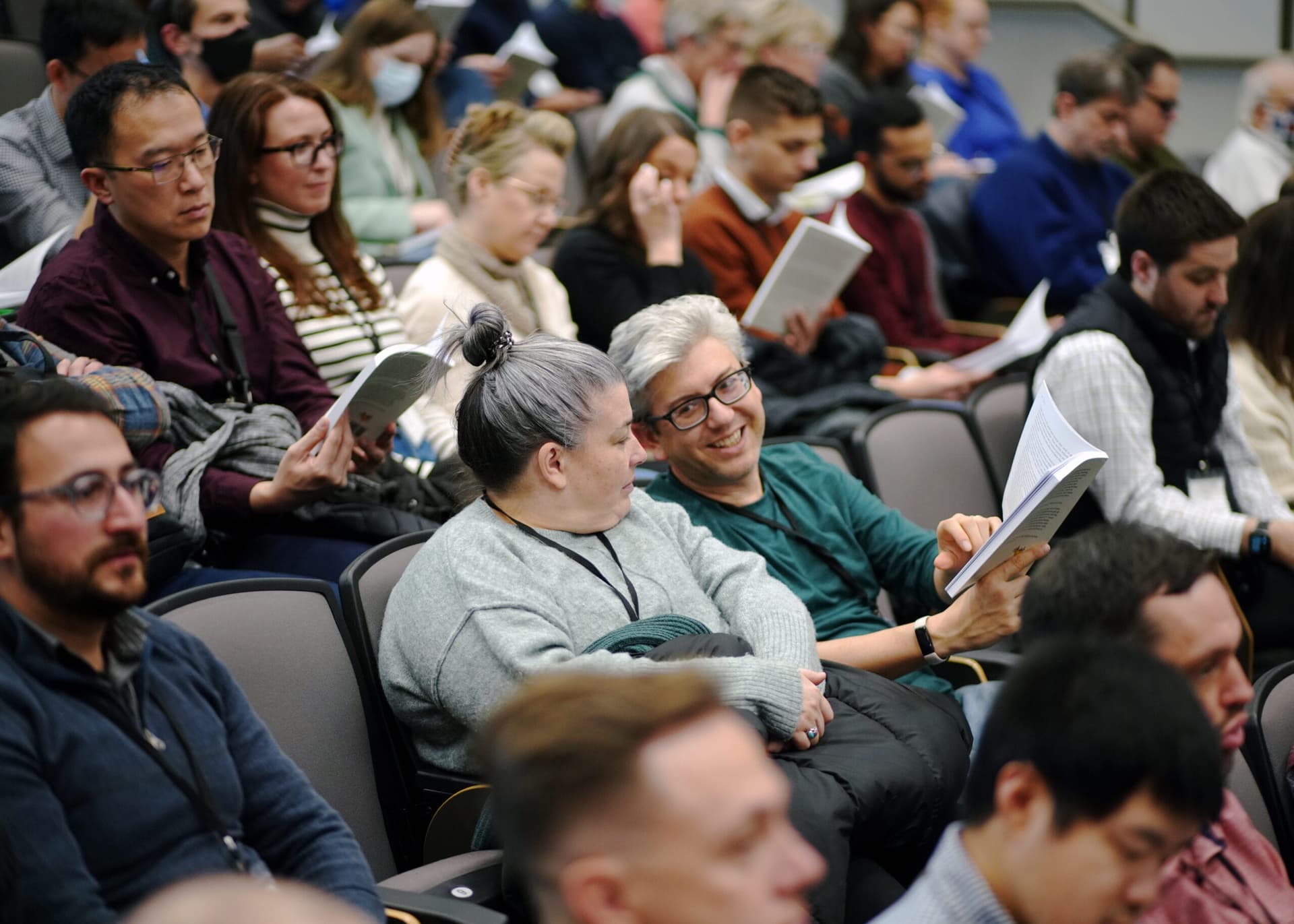
Truthfully, nine months ago, 10 months ago, I couldn’t get out of bed. But then last October, I saw an email from Families for Safe Streets about advocate training sessions as part of the 2025 Vision Zero Cities conference. I hadn’t wanted to be around anyone or see people after my dad died, but as I lay there, I just thought I needed to get up and do something, and that this was the only thing making me feel like I could get out of bed. I wanted to be around people who understood what I’d been through.
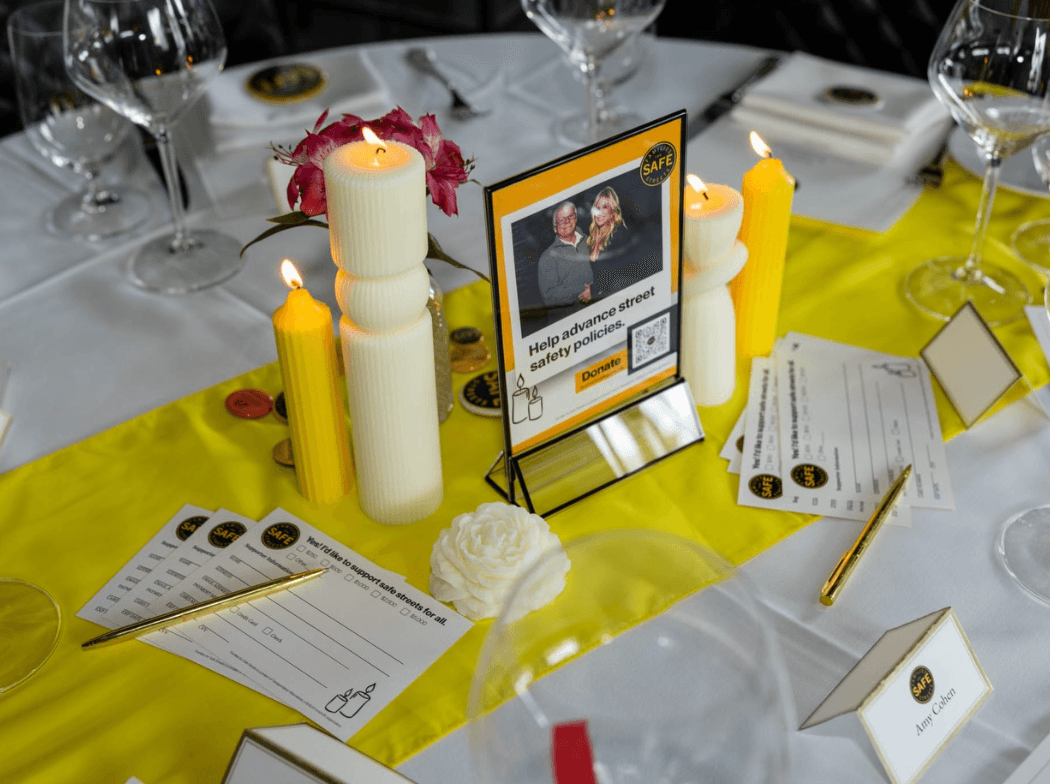
I went, and I haven’t looked back since. I have the time. I have the resources. I have the training. And I can be a useful resource in advocacy work. Studies show that advocacy can be healing for people dealing with grief, and this is what’s helping me. I even hosted a national fundraiser for Families for Safe Streets this year, and it was the most powerful room I’ve ever sat in.
Has anything surprised you about how difficult it can be to make streets safer?
I think the most surprising challenge is the political hurdle where there shouldn’t be one. We need actual checks and balances and more trust in our transportation experts—who know what works. We need more oversight of how we spend our money and provide incentives to make sure our communities are actually working to become safer. We know there’s not necessarily a one-size-fits-all solution, so those incentives should just make sure that roads are considered as complete infrastructure that includes crosswalks and sidewalks, especially when they run through a town.
What have you learned through your advocacy that you wish more people understood about why these deaths happen?
The more I’m learning about this stuff, the more I’m learning that when we look at a road, we can look at the design and know whether it’s safe. However, we’re not educating people to understand that when a road is narrow, we’re asking you to slow down. People need to know that roads talk, but not like you and me— we just need to know how to listen.
Streetlights and sidewalks mean there are people there, too.
One thing I’d love to see is our education materials change in driver’s education and use resources like Dangerous by Design to teach people how to read a road, what shows a road is safe, and what it means when you find particular circumstances.
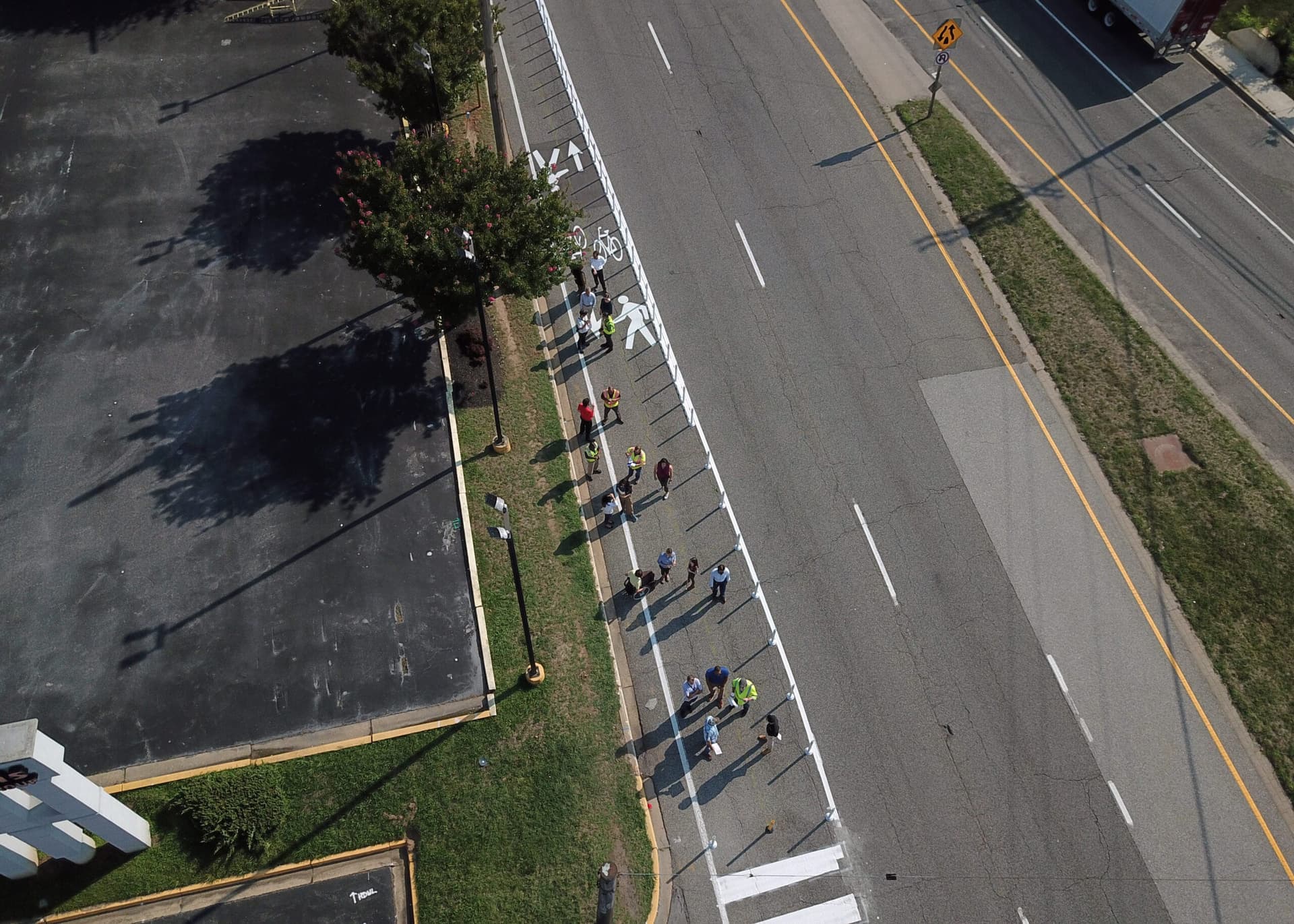
But human error will still happen, so I would love to see communities take extra precautions to eliminate those from happening. Something like a line of plants along the street creates a barrier—and a pretty barrier—that protects people and signals a line that you don’t cross. It’s even cheap and easy to do. Like on the road where my dad was hit, painting narrower lanes would put more than just three feet of protected space from cars going at least 55 miles an hour.
Related News





Livable places. Healthy people. Shared prosperity.


© 2026 Smart Growth America. All rights reserved
Site By3Lane Marketing
