






News
By Heidi Simon, May 18, 2026
Communities that have successfully embraced Complete Streets often discover that safer transportation cannot be separated from housing and land-use policy. The places making the biggest improvement for their communities are not just redesigning streets; they are also updating zoning, expanding housing choices, and creating more opportunities for people to live in connected, walkable neighborhoods.
Complete Streets is a bit of a misnomer. While we focus on addressing safety and accessibility on roads, we also care about what is happening alongside them. The businesses, houses, parks, and public spaces not only create destinations for people to access using those streets we work so hard to make complete, but also give life and character to the trips being taken. Communities need a variety of housing to draw in and support the people who will make that place their home and bring their expertise to conversations about transportation and more. A strategy like Smart Growth America’s approach to building more housing in locations with abundant, safe transportation options will support this and the successful implementation of Complete Streets.
Type
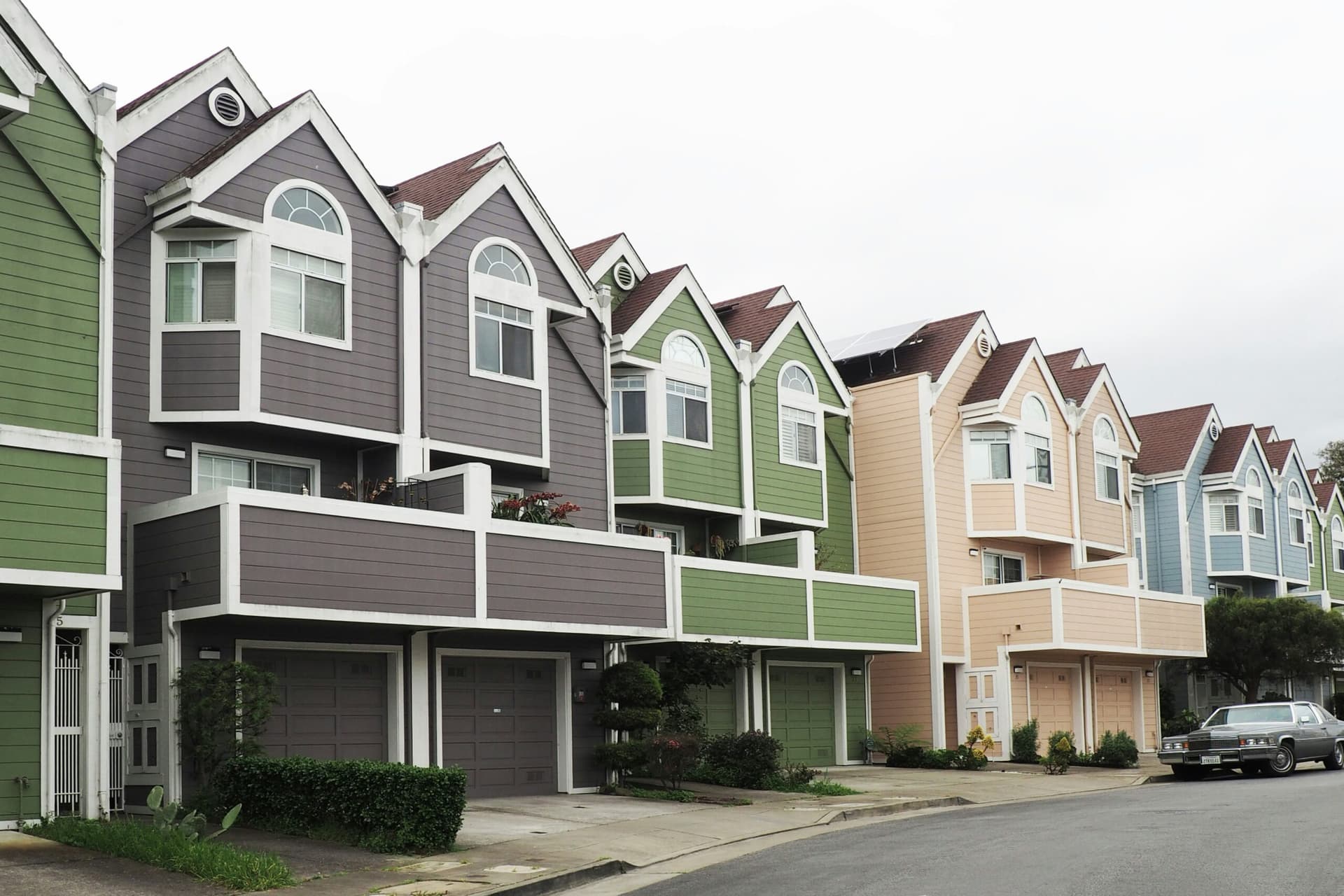
In the same way that streets need to serve a clear purpose and meet the needs of all roadway users, housing needs to serve a purpose and meet the needs of all community members. That means providing a range of housing types and sizes that allow people to remain in their communities as they move through different chapters in their lives. Not every street needs a bike lane for Complete Streets to work, but to be effective, the overall network must ensure that someone on a bike can get where they need to go safely and conveniently. In that same way, we need to think about the network of housing available in different sizes, forms, and ownership options, providing options that make sense for them and their loved ones.
Price
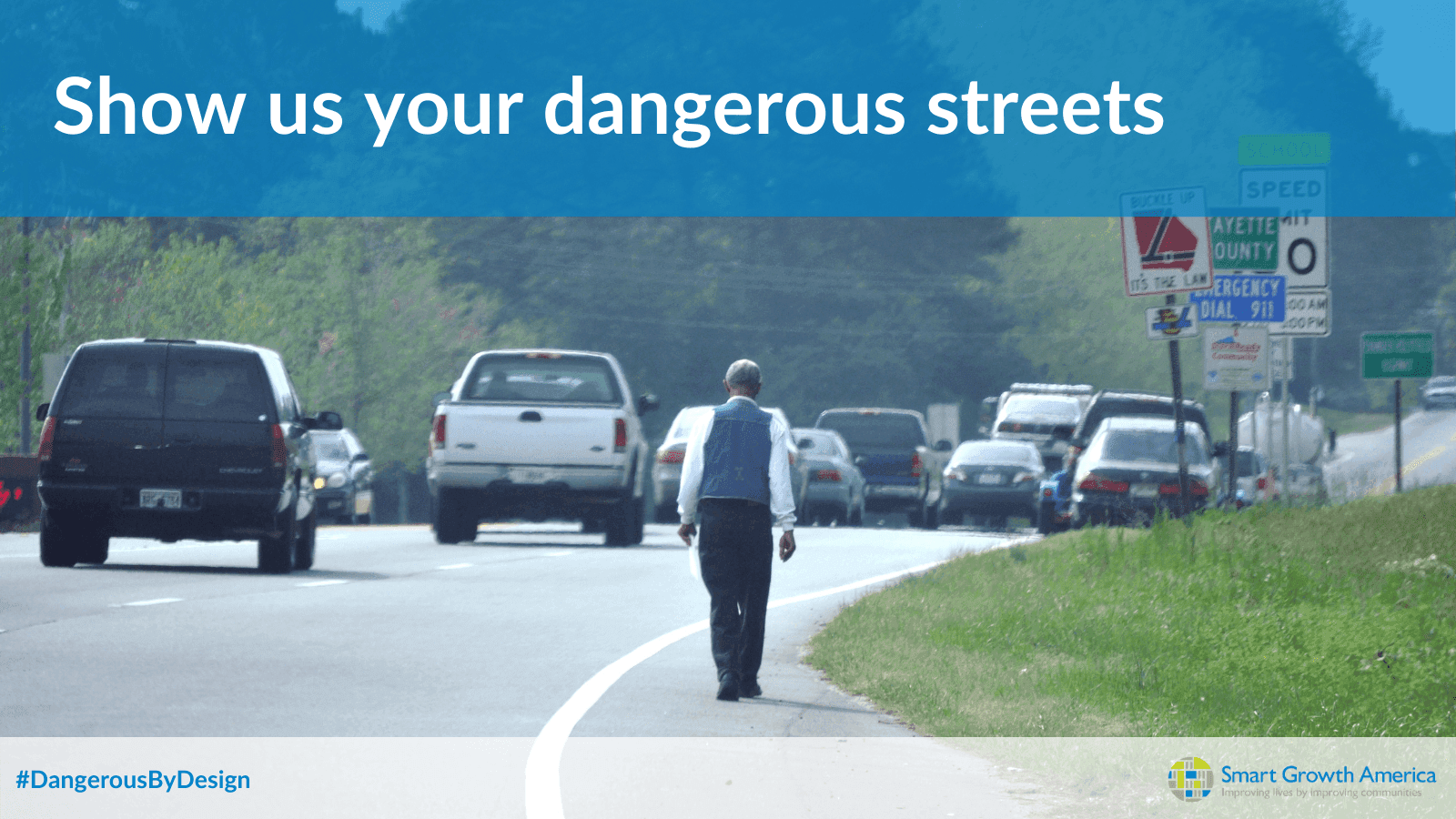
If you look at roadway safety data closely enough, a disturbing truth begins to emerge—people can pay a safety premium in order to reduce their risk of being killed on our roads. Whether it is by purchasing newer or larger vehicles or living in dense, walkable cities, there are ways for higher-income individuals to escape the dangers we have designed into our streets. There shouldn’t be a cost barrier to safe transportation, and similarly, there shouldn’t be a cost barrier to having a safe, stable place to call home in places that are close to your daily needs. We need housing options that provide livable places for people that are affordable across the spectrum. Investments in housing should expand access and opportunity, not drive up costs to the point where longtime residents are priced out of places they have called home.
Place
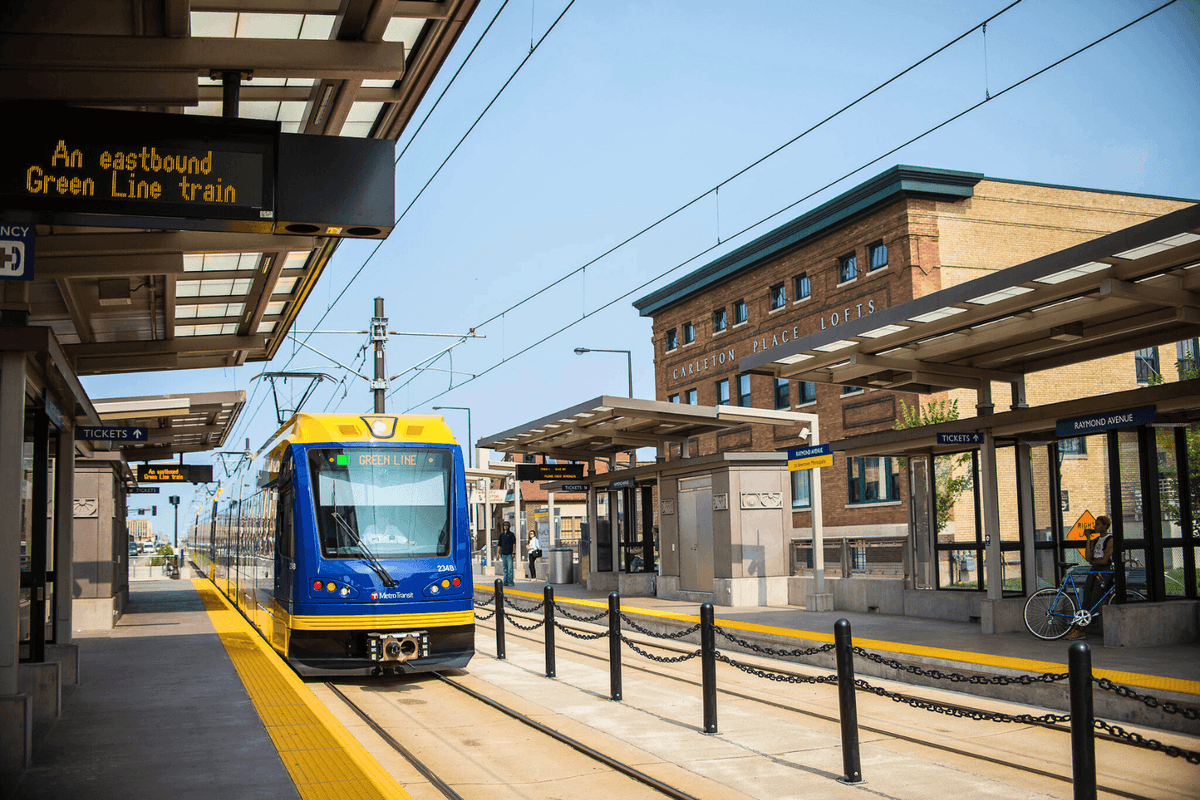
Housing is the starting point and end destination for many of the trips people make every day. It is also where people are most likely to be pedestrians, whether taking a short trip to a nearby destination or making the first leg of a multi-modal journey. This is why where we build housing matters as much as how much housing we build. We need strategies that put houses in places that expand access to jobs, schools, and other essential places, while making walking, biking, and public transportation as convenient, safe, and accessible options. We know people want to live in walkable communities that provide shorter commutes, increased access, and improved livability. To make the most of the improvements we make for walkability, we need to build more housing in places that are already connected, while also creating opportunities for walkability in those places where housing already exists.
A community that has successfully implemented Complete Streets will have also tackled its housing and zoning policies alongside any transportation changes. Places that are beginning work to address transportation safety should look for opportunities to combine that with efforts to improve the types of housing available at different price points and in well-connected places. Policymakers, practitioners, and advocates will quickly see the connection between the two topics as they work to achieve a shared vision for healthy, prosperous, and resilient communities.
Related News








Livable places. Healthy people. Shared prosperity.


© 2026 Smart Growth America. All rights reserved
Site By3Lane Marketing
