Learn about smart growth
Get involved




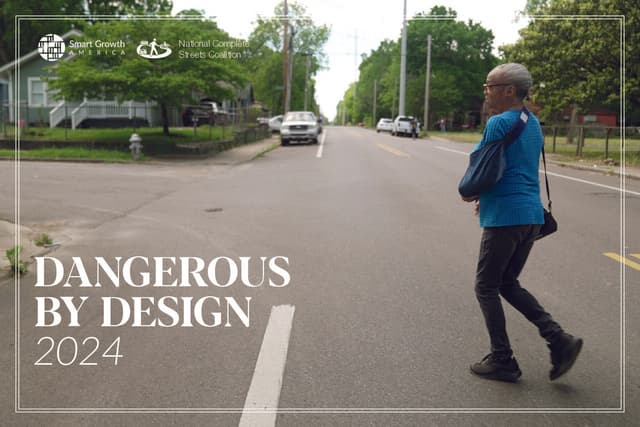
Safe Streets, Happy Communities
Actions that can be taken right now
Bigger Lifts
- Establish a crash review panel representative of multidisciplinary practitioners and community members to identify systemic issues leading to individual and repeated crashes and make recommendations to address them. (Strong Towns’ Crash Studio model is a great example.)
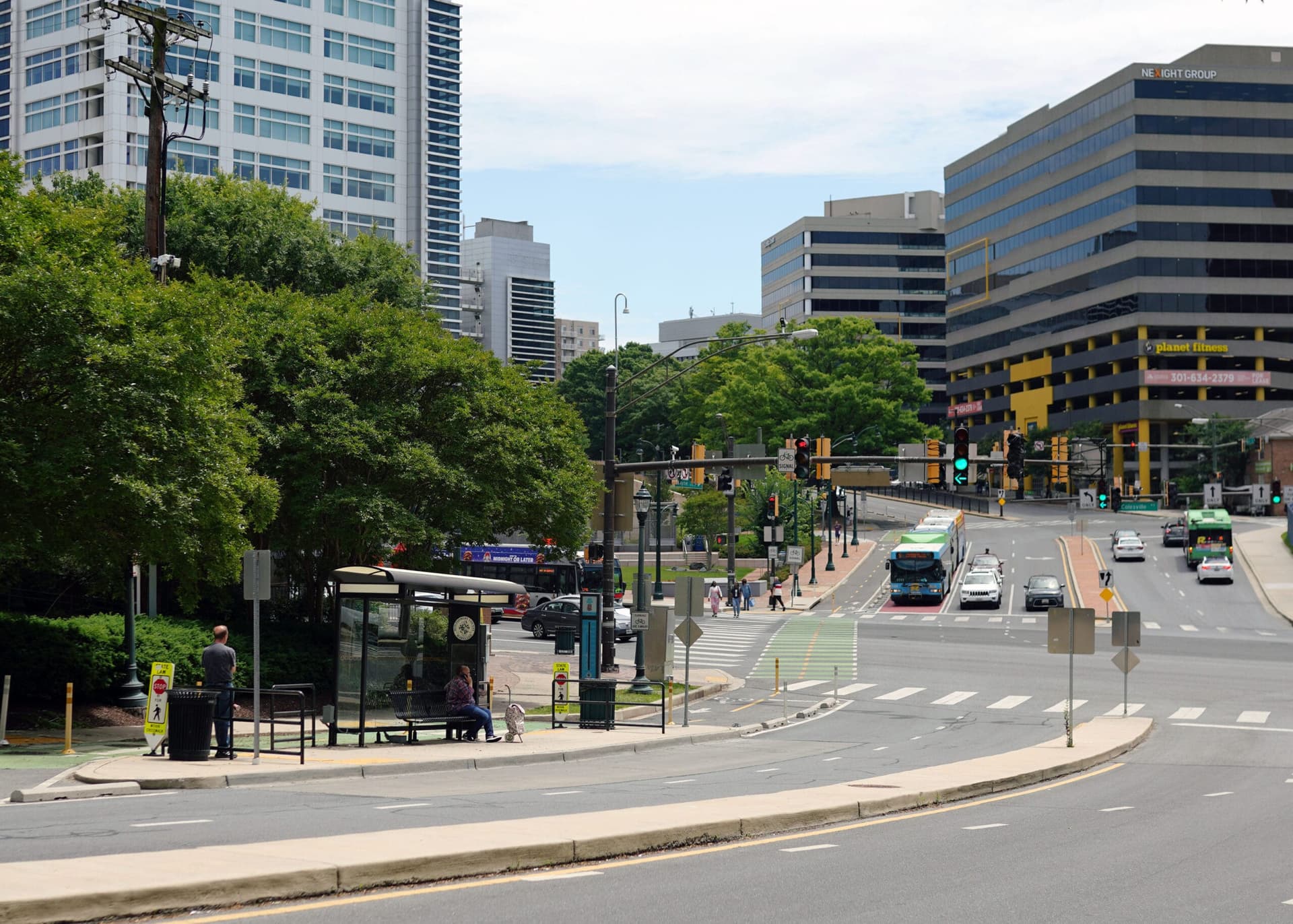
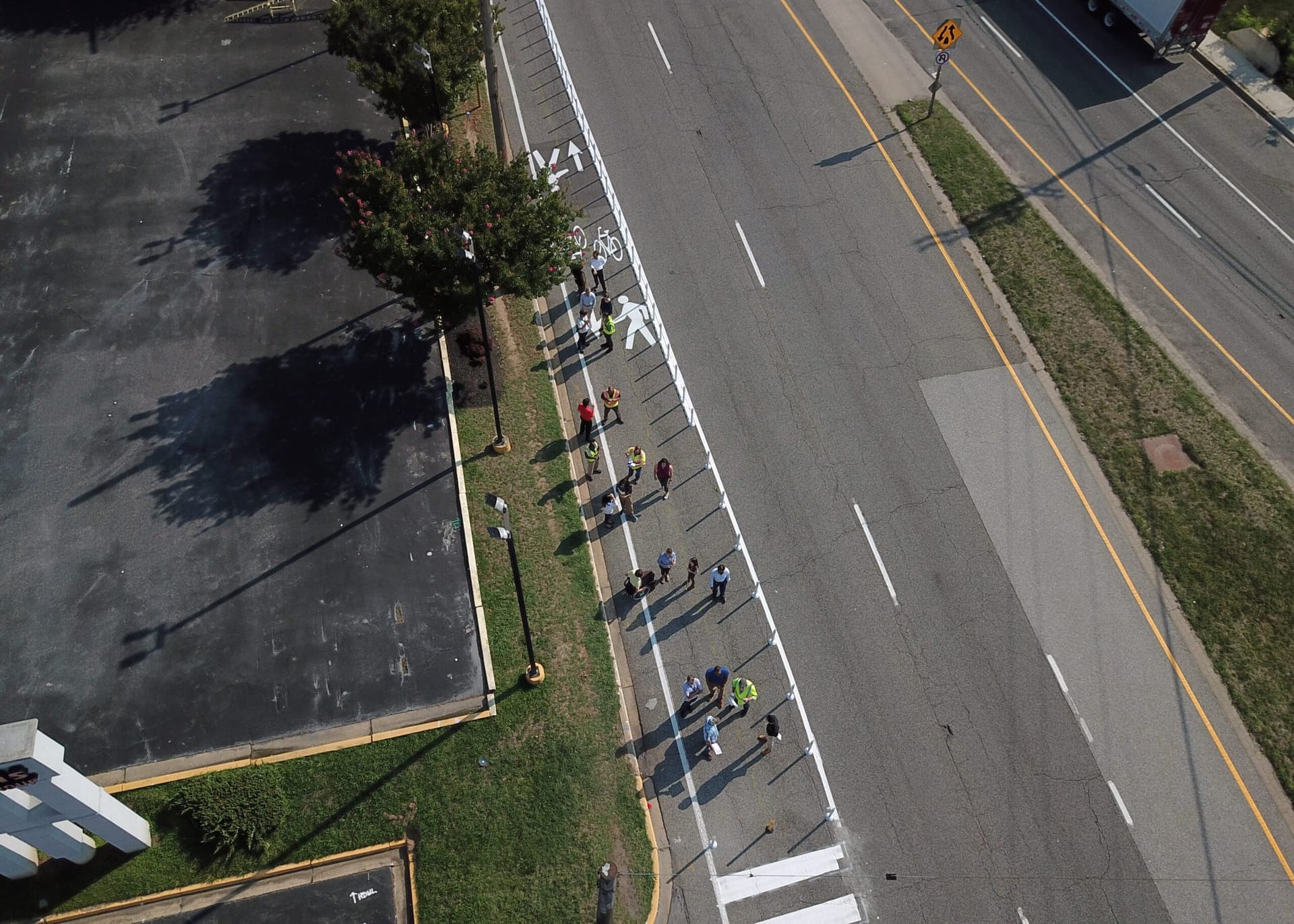
- Implement context-appropriate speed limits supported by temporary-to-permanent street design changes.
- Explore applying for Safe Streets and Roads for All funds to support street design changes and improve data collection.
- Improve local data collection and reporting to give the public clear information on the most dangerous streets and intersections and what’s being done to address them.
- Take advantage of restriping or other maintenance projects to evaluate if the facility can and should support other modes of travel.
- Adopt, implement, and fund Complete Streets policies or other legislation that support all modes, by prioritizing and addressing known risks for people walking, biking, rolling, and taking transit.
1350 I St NW Suite 425 Washington, DC 20005
[email protected]Livable places. Healthy people. Shared prosperity.


© 2026 Smart Growth America. All rights reserved
Site By3Lane Marketing
