









Overview
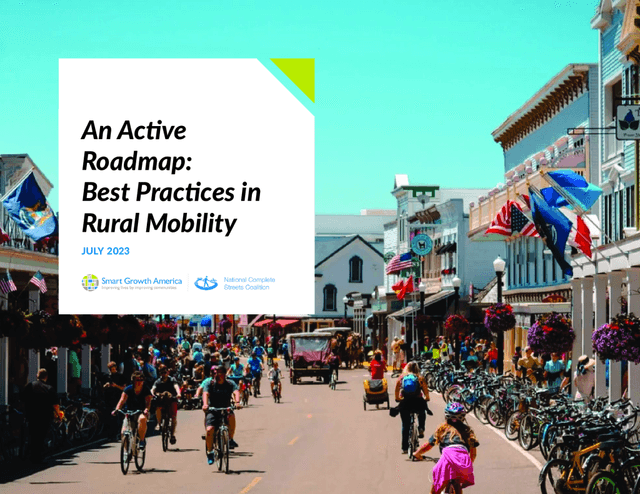
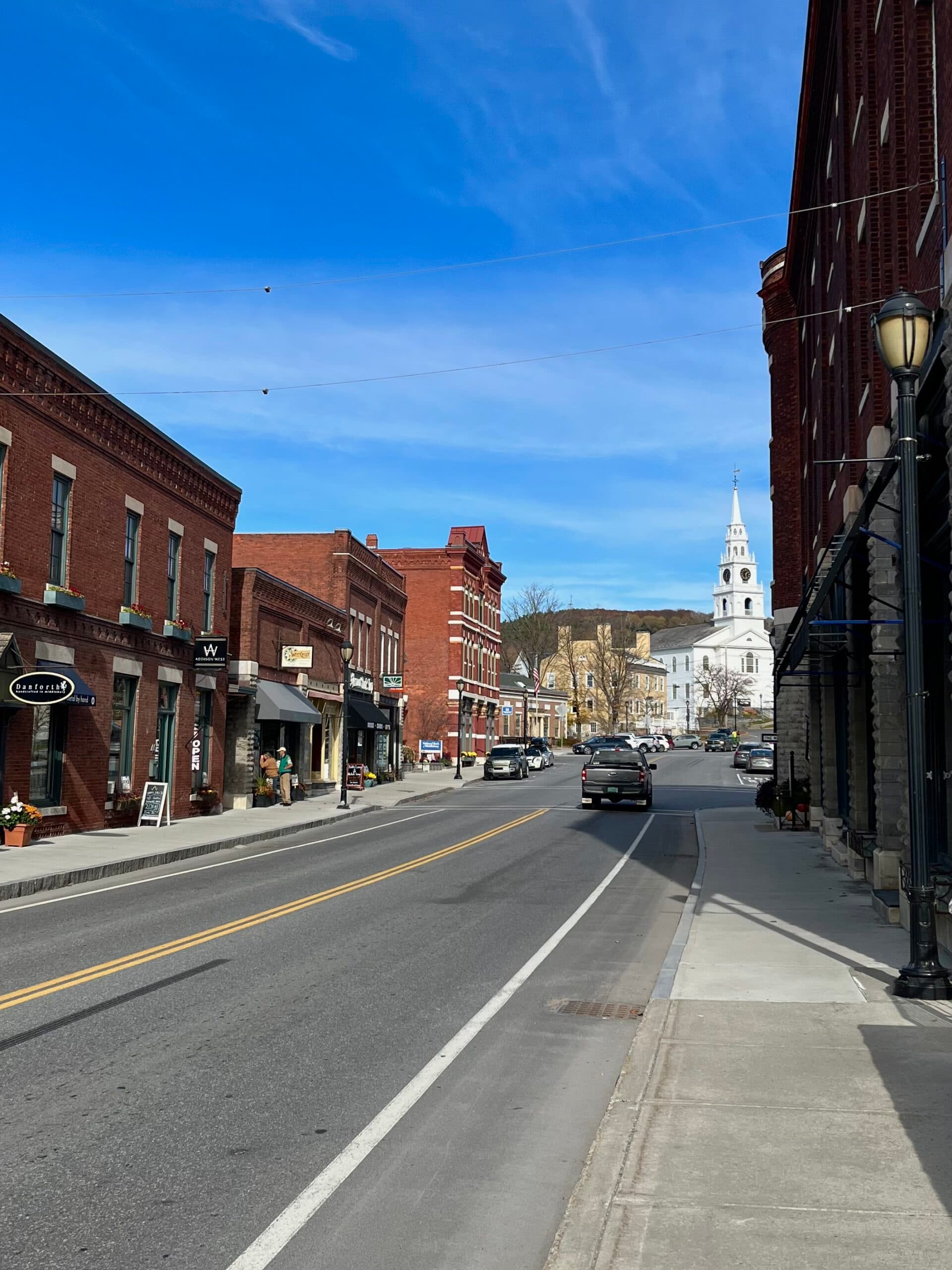
A common misconception about active and multi-modal transportation investments to support walking, biking, rolling, and using public transit is that the demand for these initiatives is limited to urban communities, but recent studies have shown that people in rural areas are just as likely to walk to places as in urban areas if the options are safe and accessible. Our report, An Active Roadmap: Best Practices in Rural Mobility, breaks down this myth and others as we dive into the diversity of American rural communities and small towns to discuss rural transportation needs and challenges along with success stories from rural and small town communities across the country.
About the report
This report is organized into four distinct parts:
Part 1: What is rural? Defining rural typologies
In Part 1, we introduce seven rural typologies—ways to identify and describe similarities and differences across diverse rural communities. It is important to note that these typologies are not mutually exclusive, as rural communities may exhibit characteristics of more than one typology, but understanding a community’s relevant typologies can facilitate the implementation of strategies that may be more likely to succeed based on that community’s unique needs and challenges.
Part 2: What are the unique needs and challenges of rural communities?
In Part 2, we present a data synthesis and interpretation of key indicators that uniquely affect rural America, including demographics, economy, public health, travel patterns, and mode choices. We also revisit some of the common questions and popular notions about rural America using recent studies and literature to fact-check if they still stand true, including healthier living environments, driving trip distances, transit feasibility, and access to parks and nature.
Part 3: How can active and multimodal transportation be encouraged in rural America? Strategies for success
In Part 3, we present strategies to address the issues identified in Part 2. These strategies for success are presented alongside success stories from rural communities across the country that have successfully implemented transportation planning, complete streets, and land use approaches to make their communities activity-friendly and increasingly accessible by walking, biking, rolling, and using transit.
Part 4: How can your rural community improve? The roadmap and takeaways
The lessons, findings, and outcomes from the previous parts of the report informed the recommendations in this section. In Part 4, we discuss particular actionable steps to build more activity-friendly communities in rural America. Also included in this section are success stories focused on formulating strong visions, thoughtful community engagement, and the strength of building strong partnerships locally and regionally.
Key takeaway
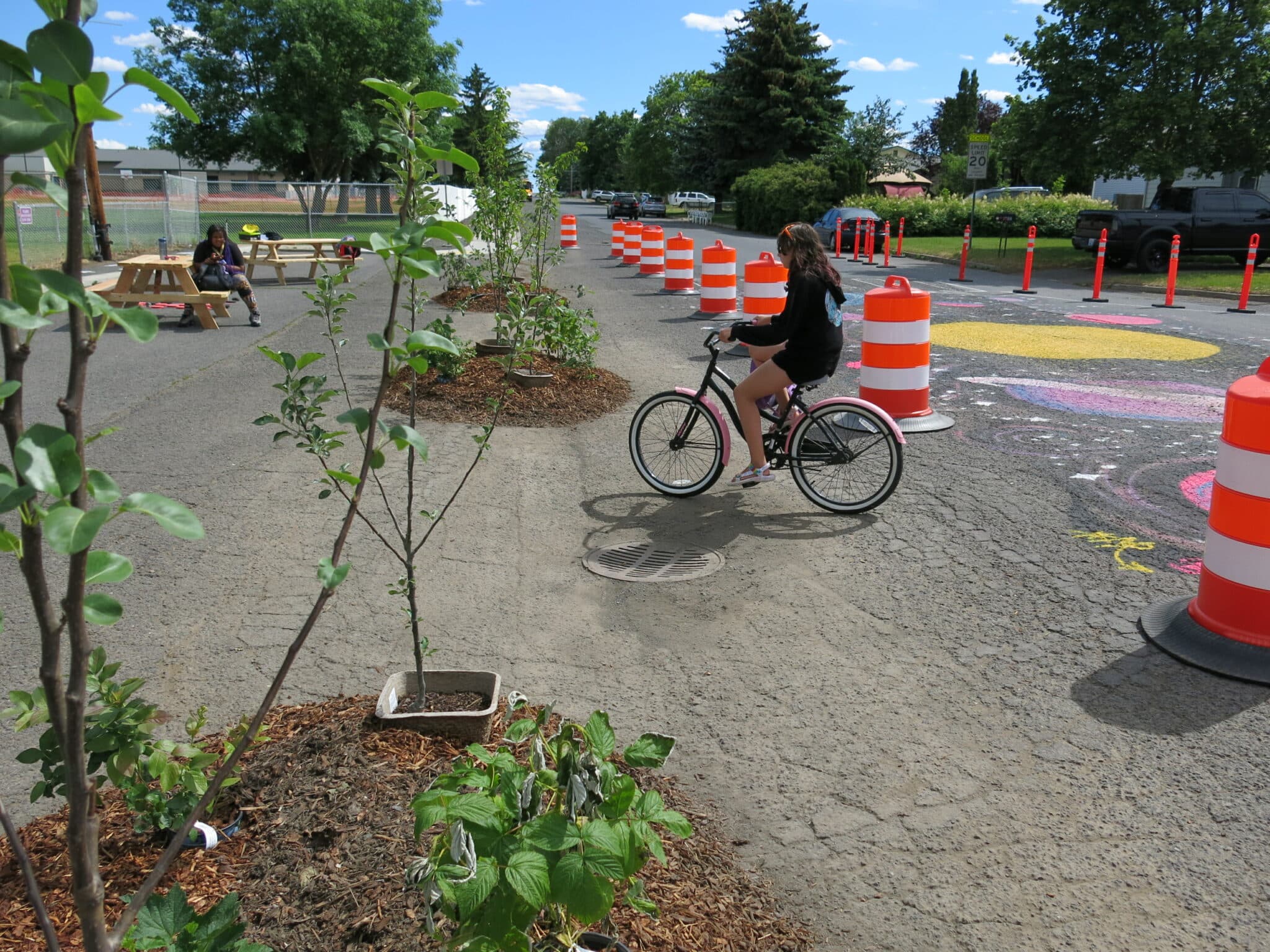
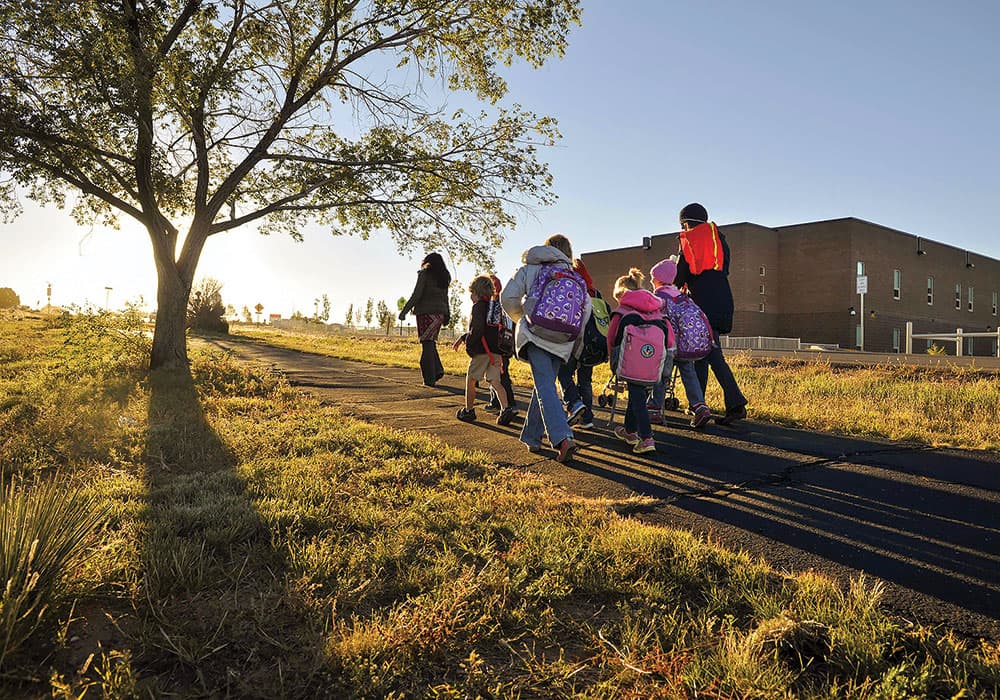
Strategic transportation investments and improvements are important for building sustainable and resilient rural communities for people to thrive, not just survive. There is a demonstrated need to support and equip rural communities with tools to design transportation systems that meet the needs of their residents, as directly and cost-effectively as possible, now and in the future.

Livable places. Healthy people. Shared prosperity.


© 2026 Smart Growth America. All rights reserved
Site By3Lane Marketing
