Learn about smart growth
Get involved





Recommendations for State DOTs
Actions that can be taken right now
Bigger Lifts
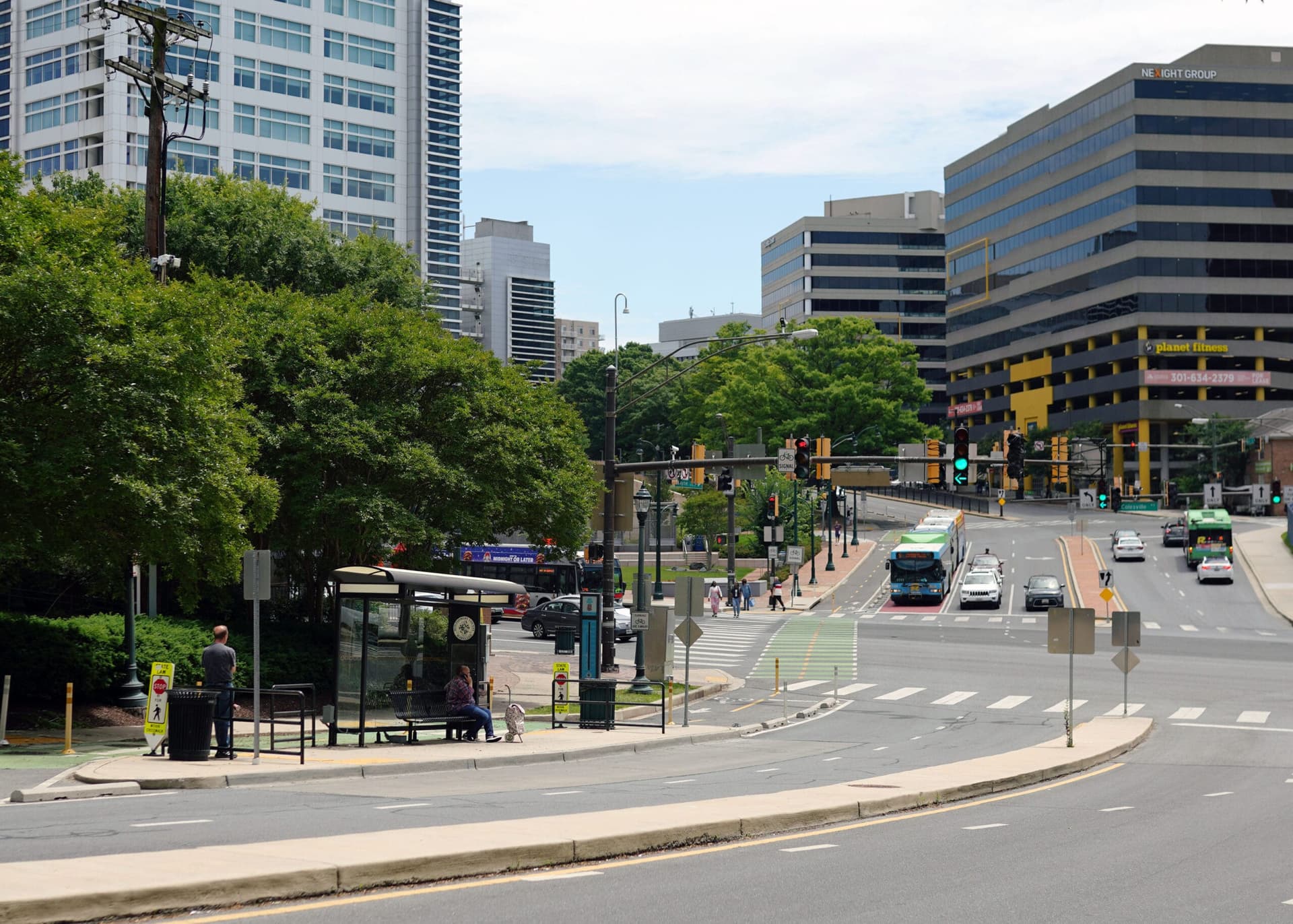
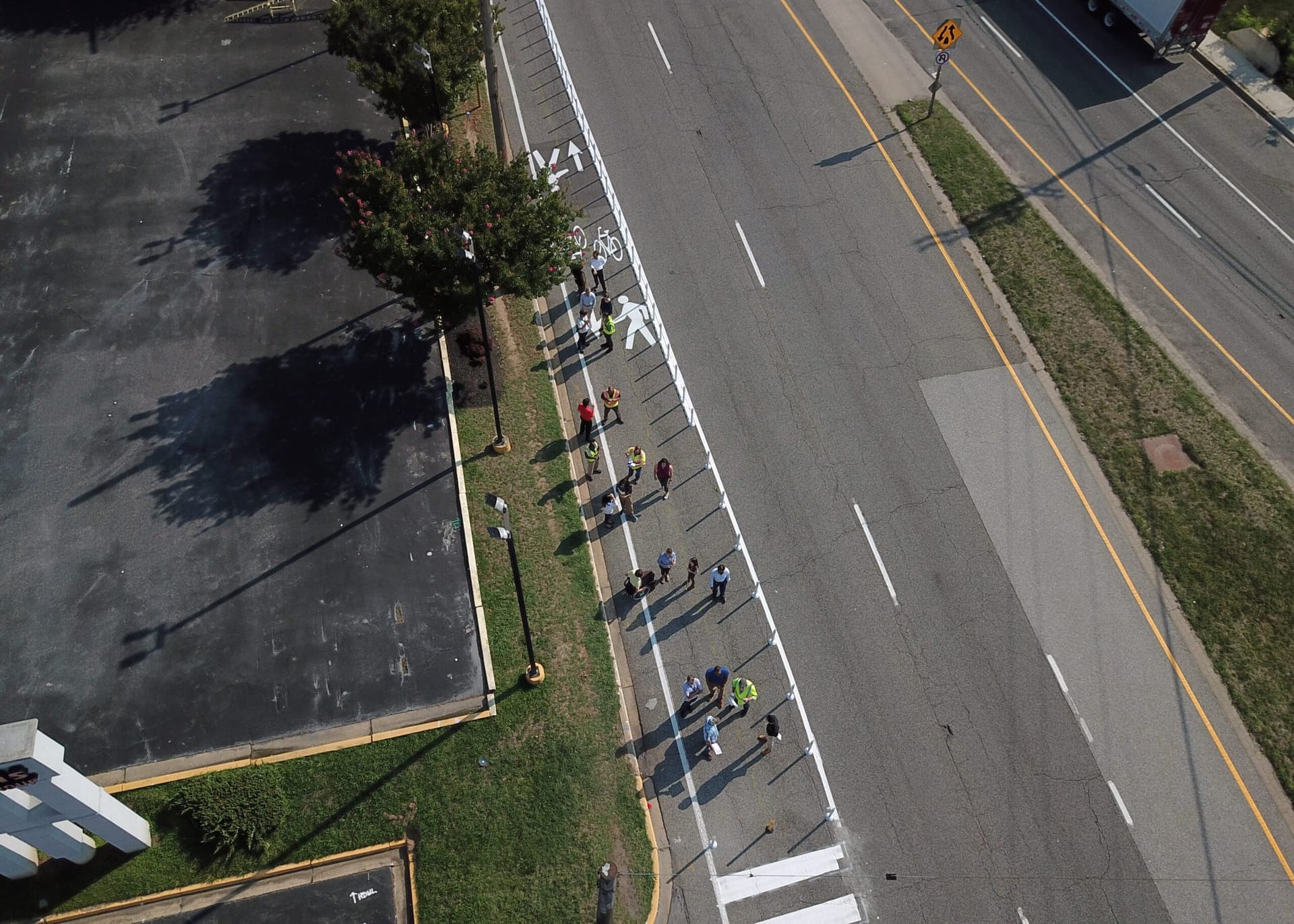
- State DOTs should support, encourage, and fund quick-build demonstration projects and other interventions by reviewing policies, permitting, and design standards and then proactively encouraging their use through new procedures. (As the Connecticut DOT has done here).
- State DOTs should require ongoing training for all new and existing staff and contractors working on transportation issues. These trainings should align with the state’s strategic vision and incorporate best practices, particularly those aimed at enhancing safety and access through design and maintenance.
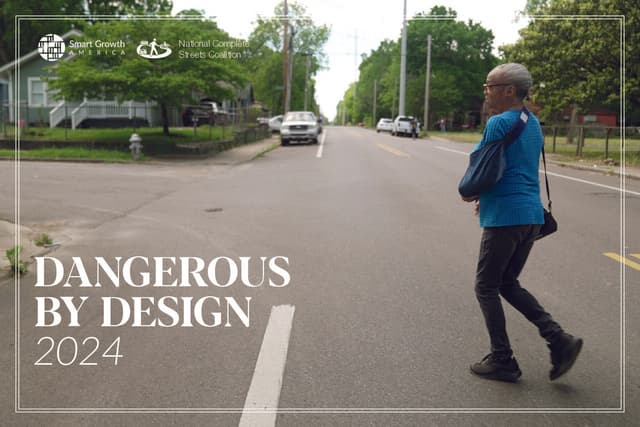
- State legislatures should create a mandate that their state DOTs must set goals of reducing pedestrian deaths in the performance targets that states are required to set each year. State DOTs should work towards these goals by prioritizing safety ahead of reducing delay or congestion and investing in Complete Streets, Vision Zero programs, and safe, accessible infrastructure for the most vulnerable road users.
- State legislatures should require annual progress reports on the above-mentioned goals, review the effectiveness of the implemented strategies, and incorporate their findings into funding and policy decisions.
- State DOTs should go beyond the basic, minimum federal standards for roadway safety and accessibility. They must make safety the top priority governing all street design decisions, which may mean taking steps to evaluate what design guidance is used, what performance metrics are collected, and how funding is allocated across the state.
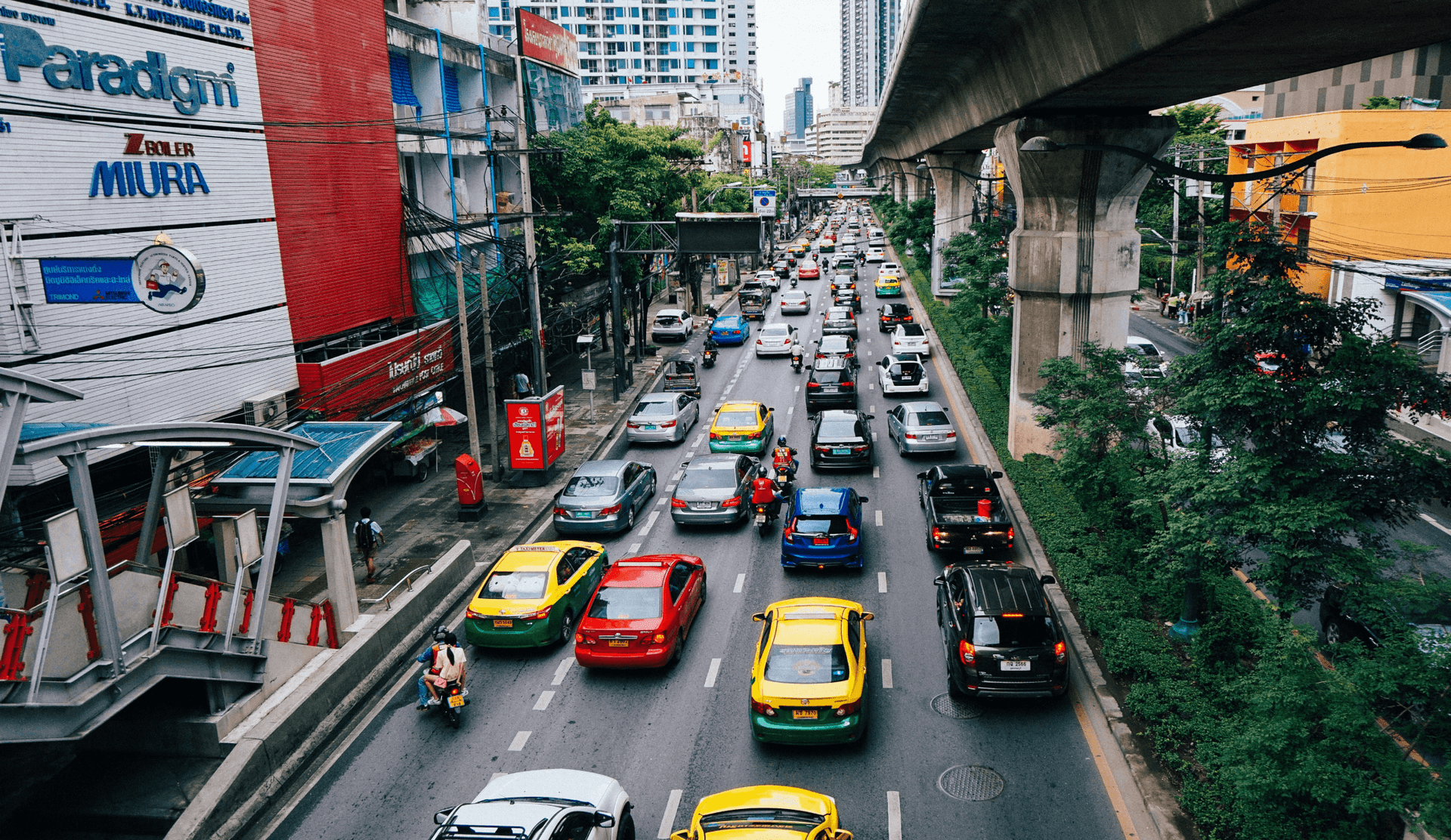
- State legislatures should require their DOTs to stop using level of service as a measure of success for road projects. Legislatures and DOTs should establish new measures of success, such as reduction in risk exposure, increase in protected ped/bike infrastructure, and travel counts of all modes so that moving vehicles quickly through a given area is not prioritized over the safety and convenience of people walking, biking, and taking transit.
- Implement context-appropriate speed limits supported by temporary-to-permanent street design changes.
- Take advantage of restriping or other maintenance projects to evaluate if the facility can and should support other modes of travel.
- Establish a crash review panel representative of multidisciplinary practitioners and community members to identify systemic issues leading to individual and repeated crashes and make recommendations to address them. (Strong Towns’ Crash Studio model is a great example.)
1350 I St NW Suite 425 Washington, DC 20005
[email protected]Livable places. Healthy people. Shared prosperity.


© 2026 Smart Growth America. All rights reserved
Site By3Lane Marketing
