





News
By Raveena John, January 15, 2026
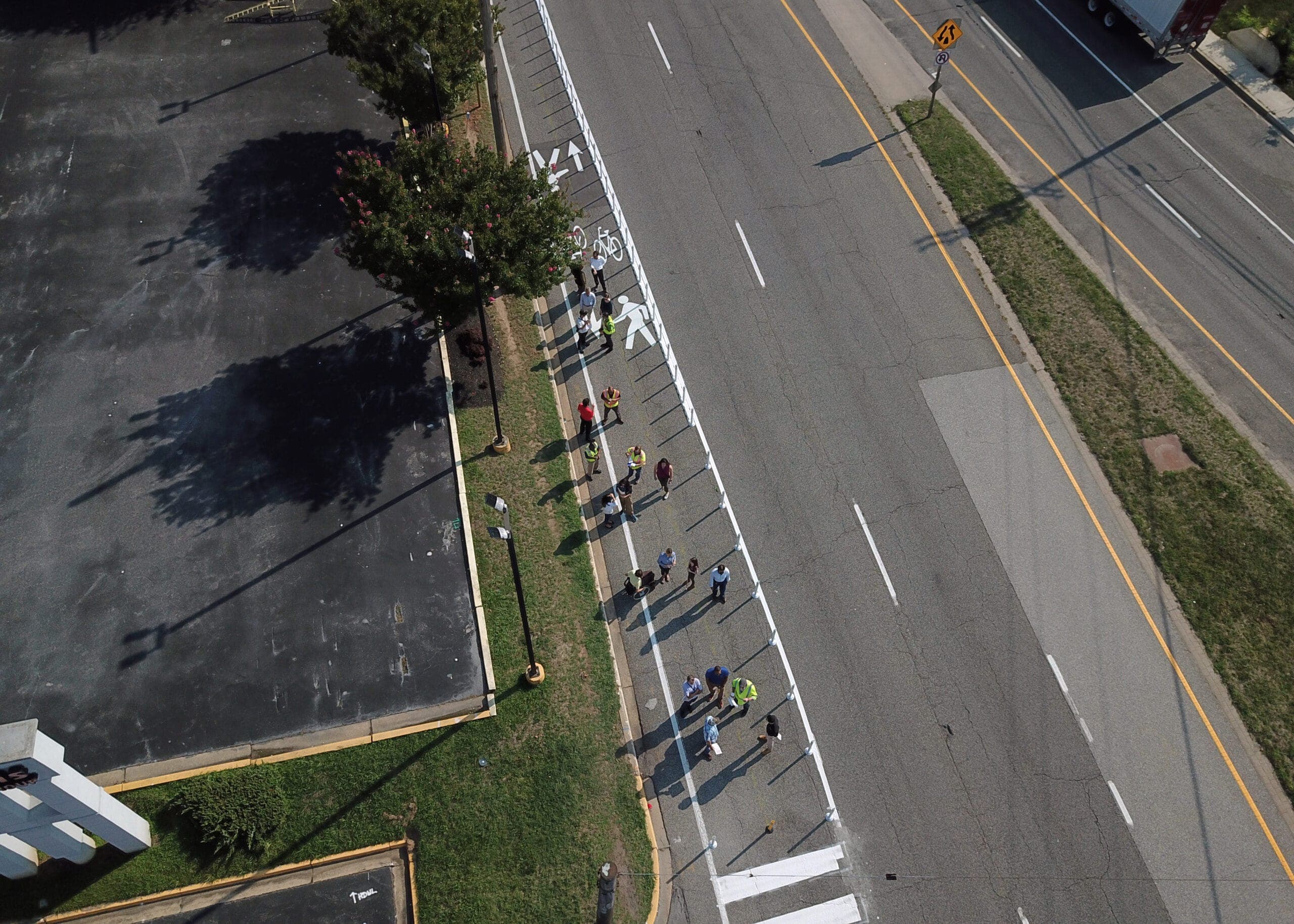
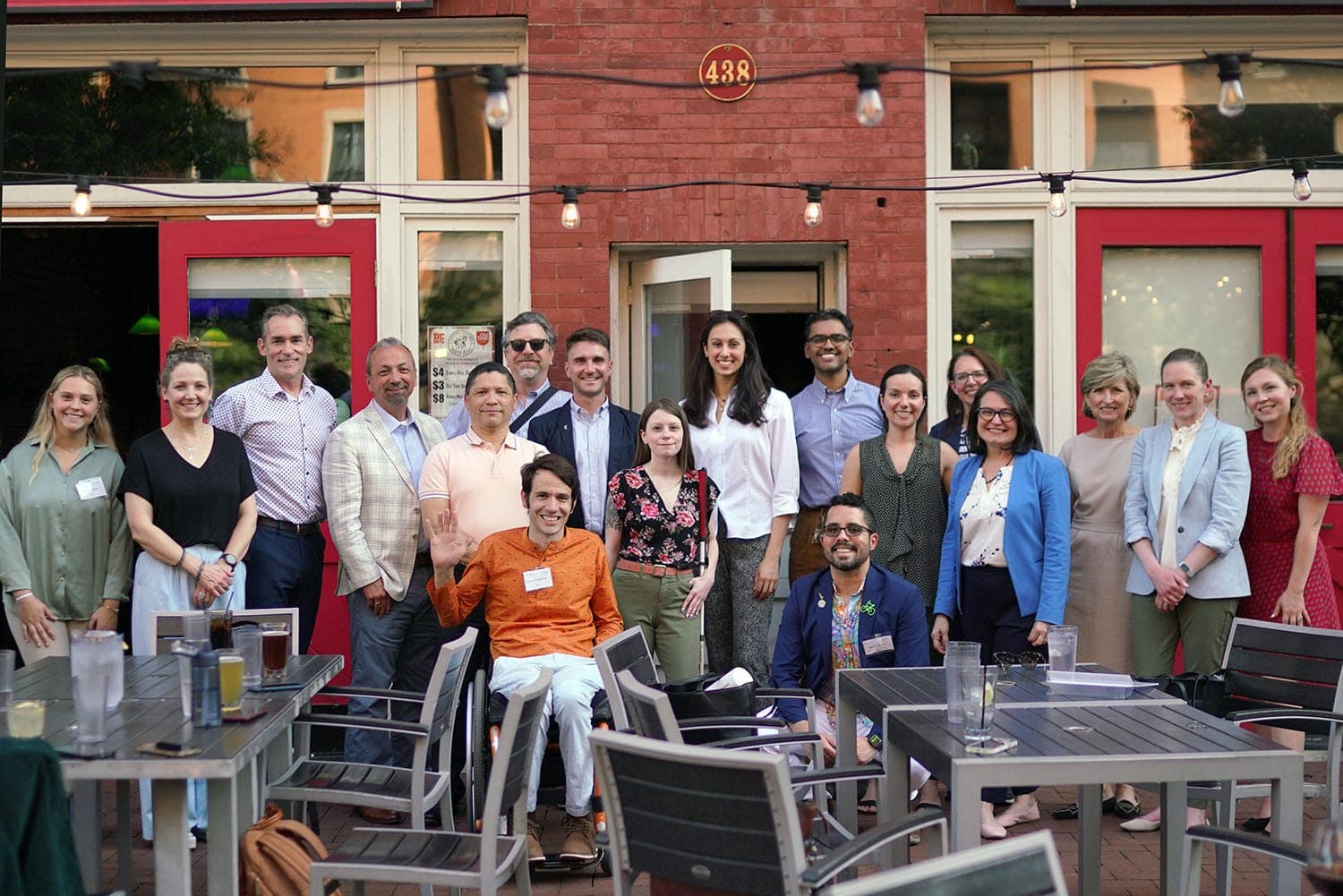
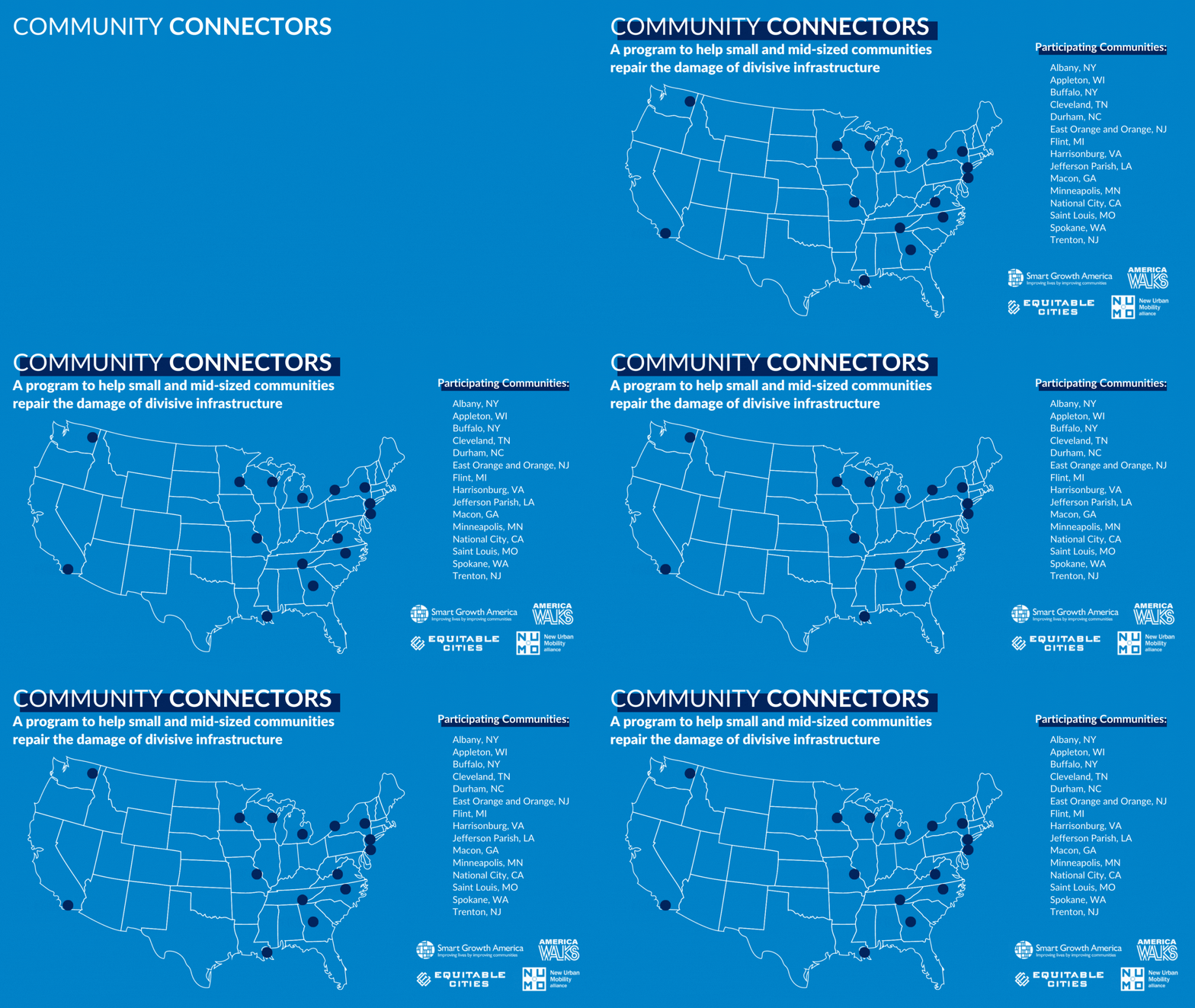
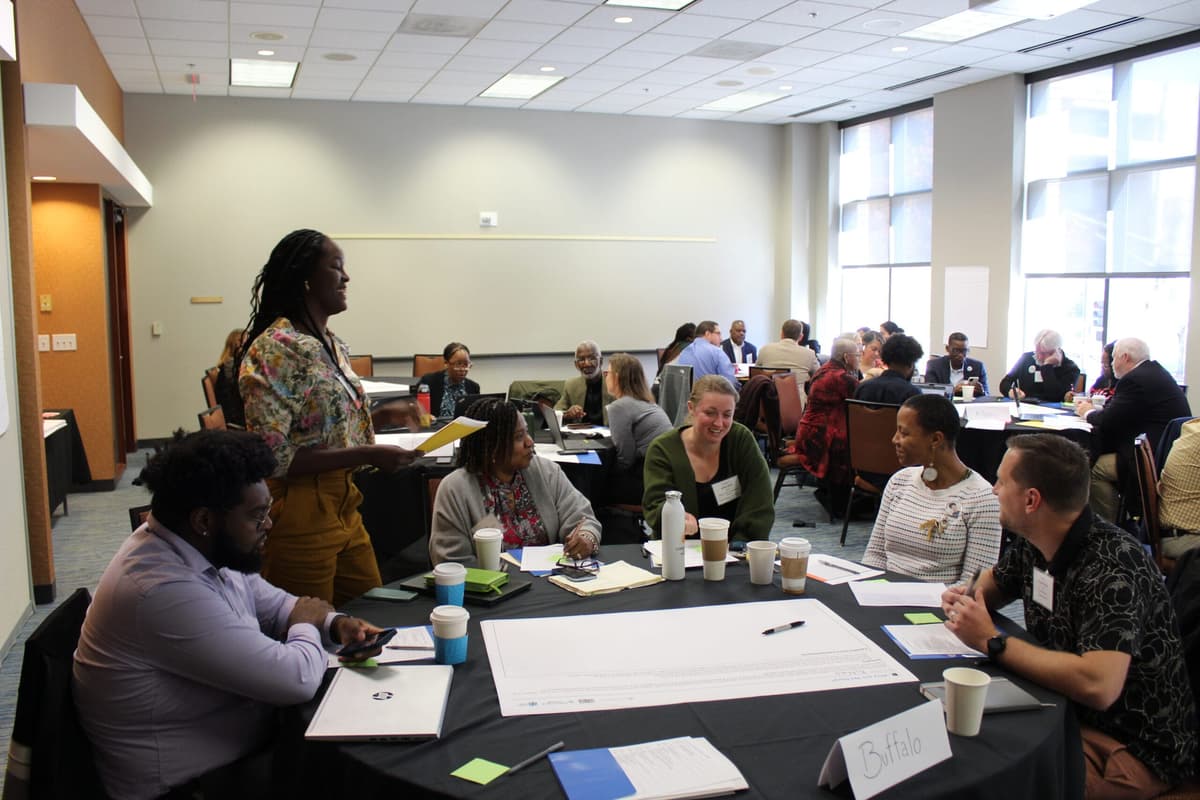
SGA’s Community Connectors is a year-long program that supports three teams as they work to repair divisive infrastructure, improve safety, and advance lasting community reconnections. By pairing community-based organizations with local government partners, the program centers collaboration through learning sessions, hands-on workshops, and quick-build demonstration projects.
At its core, Community Connectors is about people. Our new blog series highlights the participants leading this work, offering a glimpse into how their journeys began and how deeply their commitment now runs.
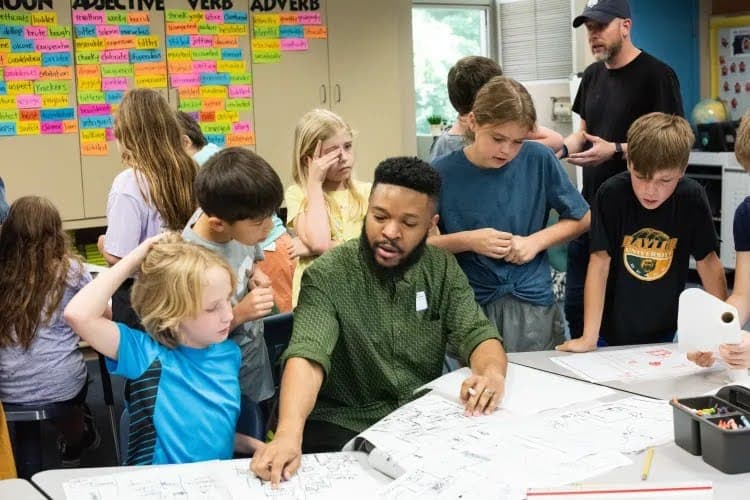
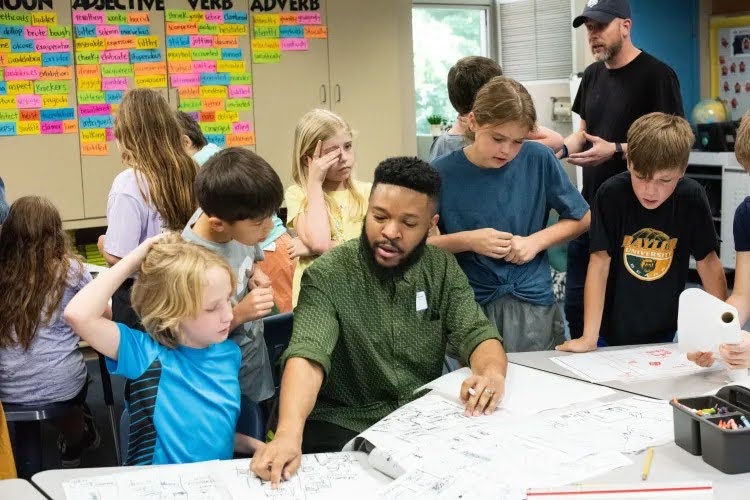
Get to know Ernest Banks, a co-lead for Little Rock in this year’s Community Connectors program. Ernest is the director of studioMAIN, a nonprofit design advocacy group, founder of the RISE scholarship program, and an architectural designer at Polk Stanley Wilcox.
The conversation below has been condensed and lightly edited.
What got you interested in transportation, planning, and reconnecting the community you’re in?
Being an architectural designer, you're naturally drawn to urban planning and how communities are connected. As soon as I graduated from college, I knew that I wanted to return to my hometown to be a part of the process. Being a designer in a smaller city gives me an opportunity to sit in on talks that in other cities may not let a younger designer be part of. Just out of school, being a part of that whole process, got me motivated to do more community work. That's where I find myself today with studioMAIN, an architectural nonprofit that works in communities to help solve community spatial issues through community feedback and partnership. It's just been an amazing experience so far.
What are you excited to bring to the cohort, and what past experience do you want to share that the team can learn from?
I'm really excited to bring some of that young, fresh design energy into the mix. Being an architect, your mind is hardwired to think about things a little bit differently. A lot of the details that some people may just pass, you're really dialed into. I'm hoping to bring that spatial design eye to the cohort and share my experiences with them.
Having worked on a couple of different buildings and spaces, I hope to be able to share the sentiment where after we complete a project, my clients are just so excited and happy. On paper, they saw the drawings and they saw the plans and they didn't really get it, but then when they finally were in those spaces, their minds were just blown away, and all the possibilities were opened up to them. I hope that I can help some of the cohort that are currently in the planning phase, that have everything on paper, but don't have that visual connection to it yet.
What is something you’ve learned so far that you want other people to know?
The whole process of trying to get local stakeholder buy-in has been very challenging. People know about the history of West Ninth Street. It's sacred to them and they want to honor it. When I'm trying to pitch the idea of revitalizing the area, some communities have told me “In the short term, you are doing something that celebrates the history and that's cool, but what does it mean for the African American community in the future?” That pushback has been from my own community, and it's been really tough trying to explain the process of how city development works, while also knowing that city leadership is not this pillar of perfection. They're going to make mistakes, but it's better to try something than do nothing.
The City of Little Rock adopted a master plan last year that identified West Ninth Street as an area of future development and focus. Piggybacking off of that gives credibility to what we're doing with Smart Growth America, and how we are trying to implement this project as a supplemental mini-master plan for West Ninth Street. Also, my team internally is coming up with really unique ways on how, even though Black businesses don't exist along West Ninth Street, to bring in those small business owners.
Then the lesson I learned is, you have to meet with local stakeholders where they are and you have to really create a compelling argument to convince them that you are approaching this project with good intentions, and that the people you're trying to involve are like-minded in your objectives.
What advice would you have for someone looking to start a demonstration project in their own community?
First you need to find a champion. Finding a local champion that is super behind you, that has the time, that has the resources, makes the world of difference.
What’s one go-to resource every person doing this work should have in their toolbox?
You really can't do anything in your city unless you have the permission of the city leadership. Have a good relationship with your public works department and traffic engineers so that you all can work together to successfully implement some of these design changes to your urban city centers.
What impact do you hope to have in your community?
Just showing how boots on the ground, grassroots efforts, no matter how small, can have an impact. You just have to start somewhere. I've seen development in other states and other cities, where it started with one person that cared and it just took off from that. Being able to take something that you know is precious to the community, putting in this level of attention and care into something that they see is important, and showing the community what's possible from that engagement with them, is what I would like to leave behind for this project. Showing that we did this here on West Ninth Street, and we can do it anywhere across Little Rock or the state of Arkansas with the right kind of energy behind it. Others have shared the same kind of sentiment; they want this project to be a case study for what's possible in other areas of the state.
Community Connectors is supported by the Robert Wood Johnson Foundation.
Related News




Livable places. Healthy people. Shared prosperity.


© 2026 Smart Growth America. All rights reserved
Site By3Lane Marketing
