





News
By Raveena John, January 15, 2026
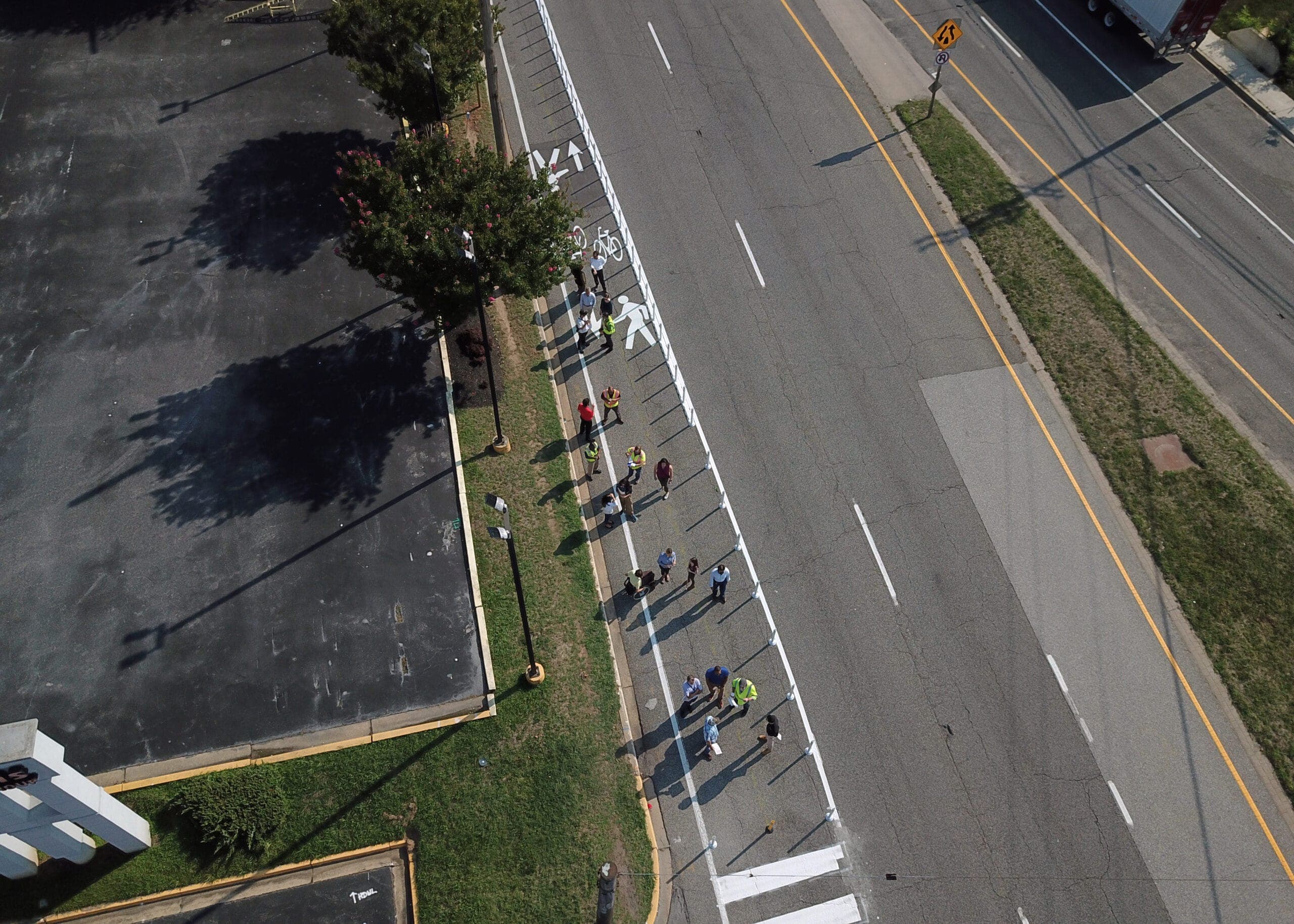
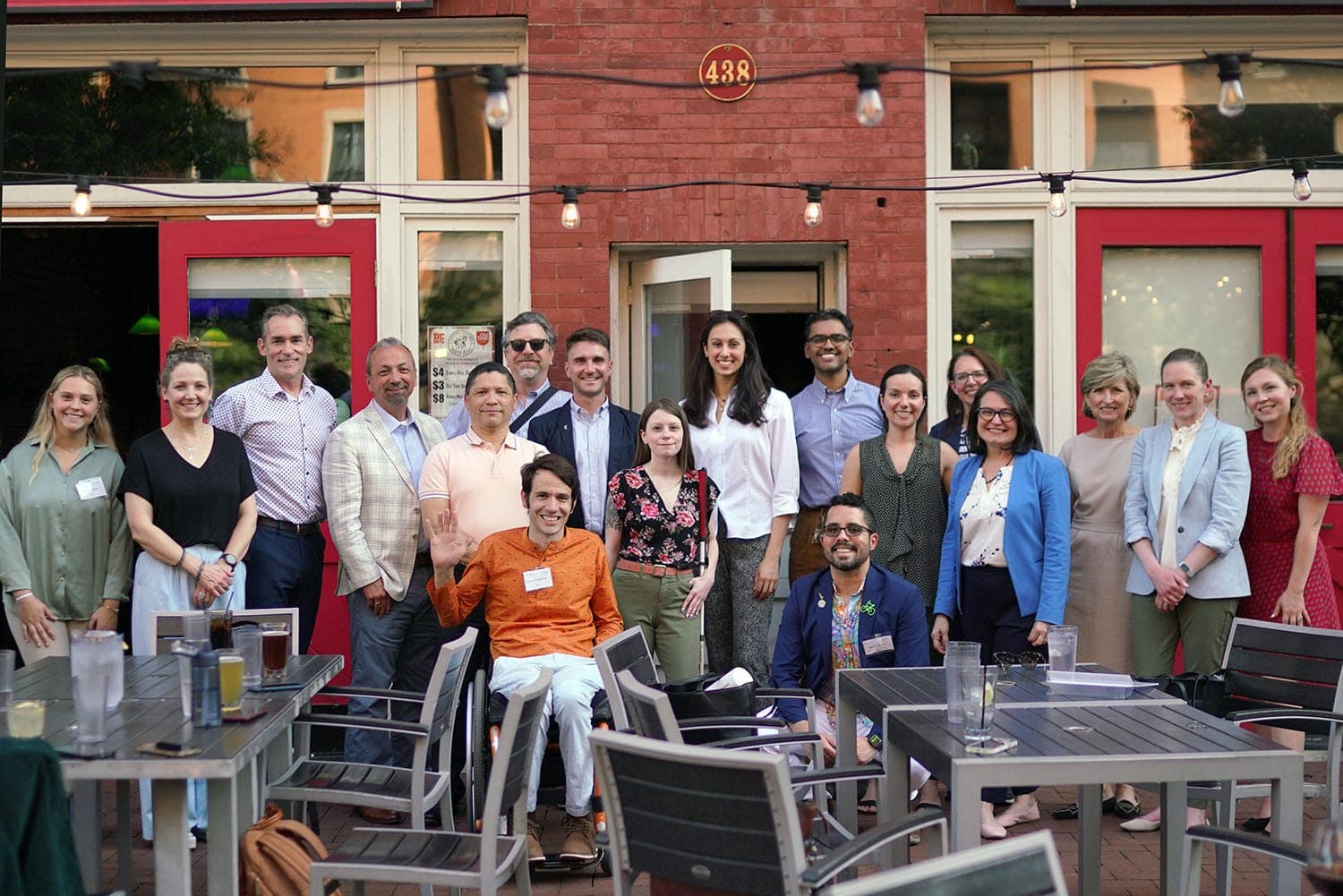
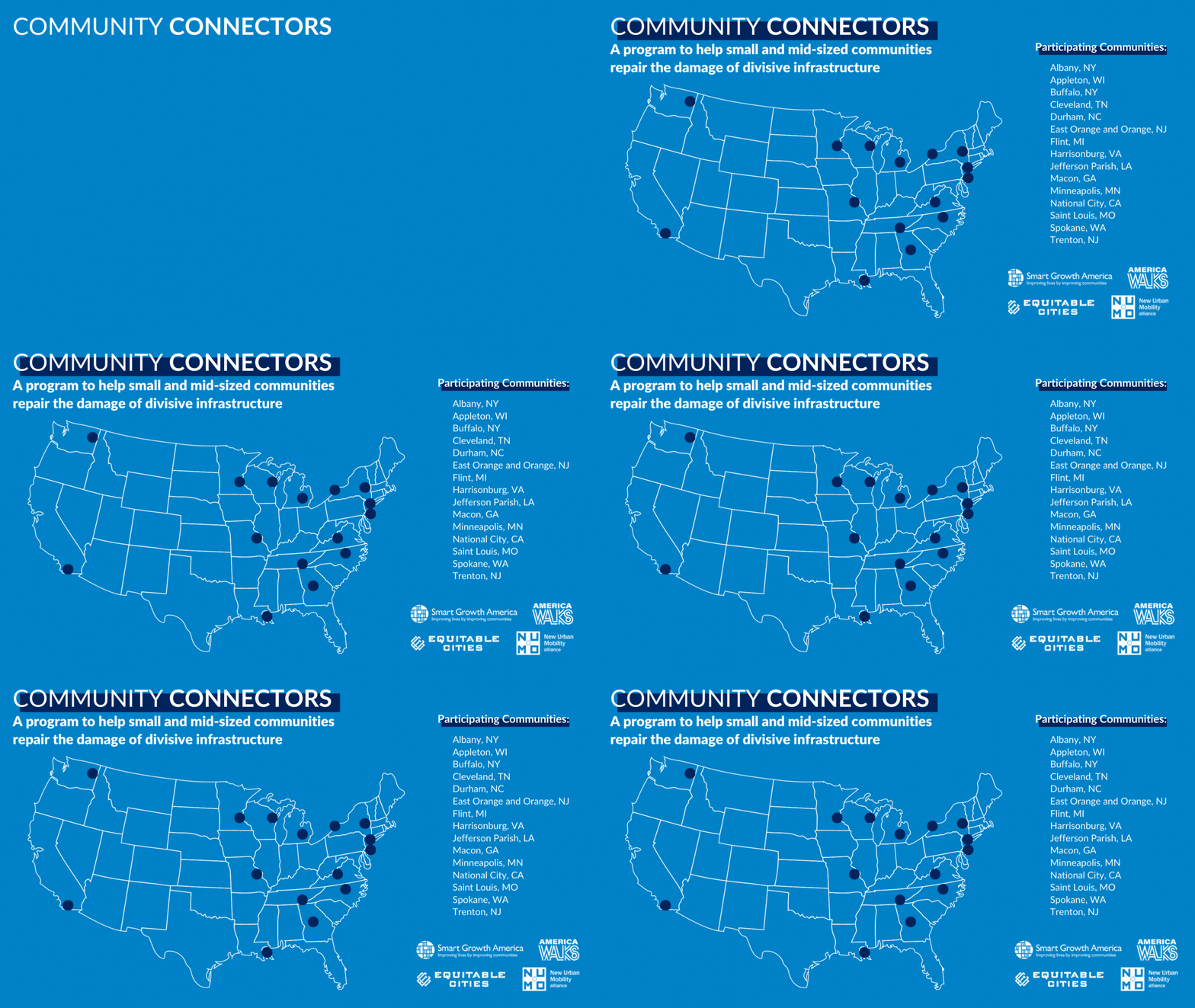
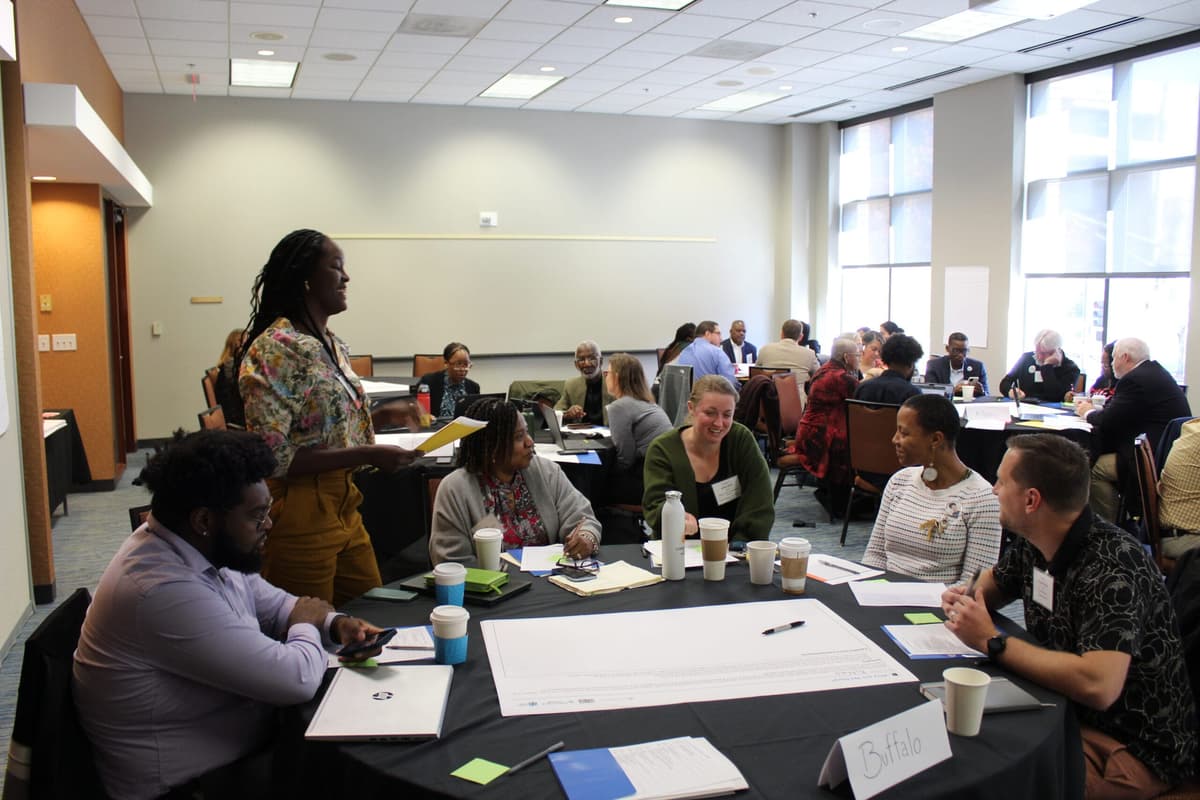
SGA’s Community Connectors is a year-long program that supports three teams as they work to repair divisive infrastructure, improve safety, and advance lasting community reconnections. By pairing community-based organizations with local government partners, the program centers collaboration through learning sessions, hands-on workshops, and quick-build demonstration projects.
At its core, Community Connectors is about people. Our new blog series highlights the participants leading this work, offering a glimpse into how their journeys began and how deeply their commitment now runs.
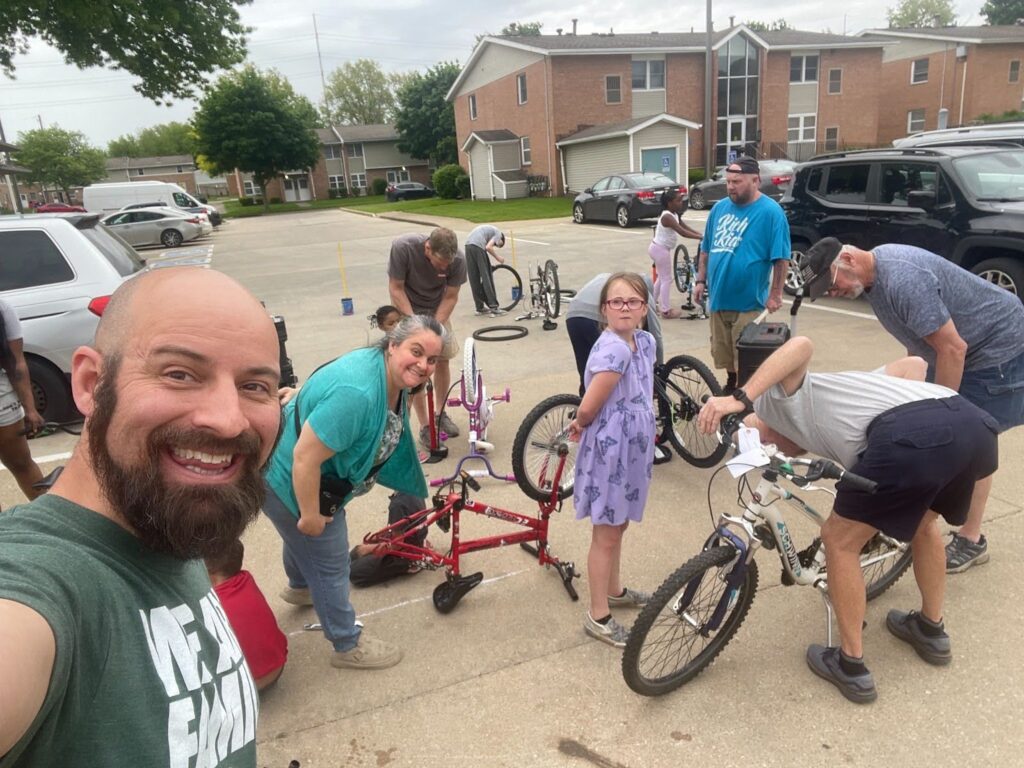
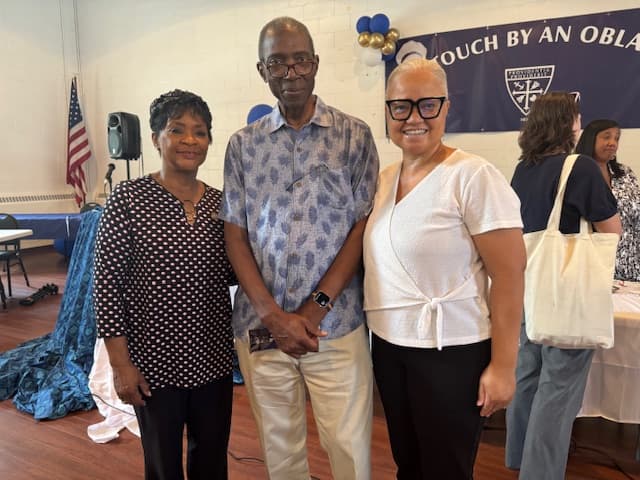
Get to know Joe Tucker, a co-lead for Akron, OH, in this year’s Community Connectors program. Joe is treasurer of Summit Lake Community Development Corporation, executive director of South Street Ministries, and has been a neighborhood ambassador with the City of Akron.
The conversation below has been condensed and lightly edited.
What got you interested in transportation, planning, and reconnecting the community you’re in?
I didn't care much for zoning or transportation or anything of the sort until I began to understand development from a faith-based perspective. One of the tenants of my faith is loving my neighbor; it’s the second greatest commandment. I worked with a volunteer organization fresh out of college called Mission Year, which was connected to a group called Christian Community Development Association (CCDA). It's a part that South Street Ministries, where I work vocationally, is connected to and I serve in the Community Development Corporation as a collaborator in my role of South Street, but also my role in the neighborhood.
From that notion of loving your neighbor, the association has a philosophy of then loving your neighborhood. So part of loving your neighborhood has been understanding the functions of your neighborhood. Doing a deeper dive into the functions of zoning and strengths and limitations of transportation policy has been an extension of “what does it mean to love my neighbor well?” It's what lets me love my neighborhood well and how I understand the rhythms, the structures, the integrations of my neighborhood, as it relates to both my faith background but also my perspective of justice and community.
What are you excited to bring to the cohort?
Integrating faith-based aspects with community engagement aspects always brings me a lot of deep joy and personal satisfaction. Churches are often large swaths of property in a lot of urban hubs that don't often get activated or utilized as they woulda, coulda, shoulda. Seeing that move in ways that are positive always makes me happy, especially when the motivation is going to be understood from a congregation and from a faith based perspective.
I personally just love intentional neighborhood canvassing to get the word out about events. It's not rocket science, you walk around the street and pass out flyers. Even with all of our social media and various technological communication methods, which I don't dismiss or disparage, but in the context we often work with, you just can't beat canvassing.
Could you talk a bit more about bringing a congregation into faith-based community engagement?
Every church will be different. Maybe you'll get an old-timey church where they keep their body and church present, but they're not community engaged. Sometimes it’s just convincing them to open their doors or be more open to shared usage agreements for after school programs, or really strategically at some point succession planning for what that building could shift towards, if not still a congregation. Other times you'll get commuter institutions that are still well attended, but they're really not reflective of the neighborhood. With those, it's a little bit more of helping them understand that loving your neighbor means loving your neighborhood. So explaining, when I go canvassing, nothing’s stopping me from praying with a neighbor if they've had a bad day, you know? It's one thing to run a food pantry, but could we look at how to get a grocer into this neighborhood? For faith bodies, it's often helping them go from an individual salvific understanding of faith to a more systemic application of engagement and whole-person flourishing.
What is something you’ve learned so far from this program that you want other people to know?
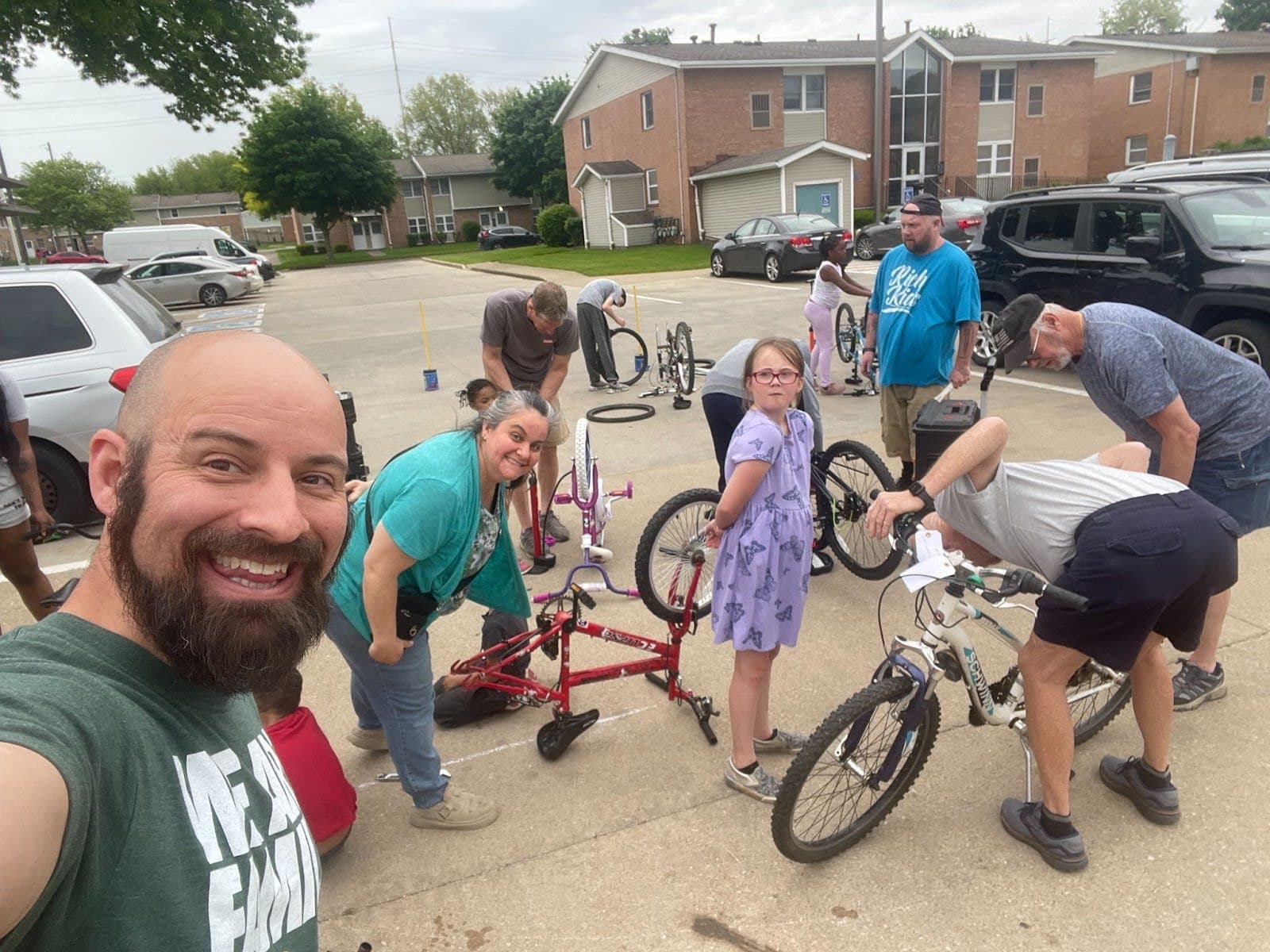
I have always liked the Better Block activation model of trying something, activating it, getting feedback, and seeing how it goes. That activation model has been wonderful for Summit Lake. We've been able to activate, assess, and then sustain things. So that premise and philosophy has been one that I'm really excited about.
What advice would you have for someone looking to start a project like this in their own community?
My go-to advice is to make sure you listen to the neighborhood, make sure you have your pulse on what neighbors are actually saying. Between churches, corner stores, and canvassing, have you listened well to what neighbors and residents are actually saying and want for a project like this? I think there are a lot of systems that stripe and zone and rearrange streets without too much neighborhood input. For me, neighborhood input is always really important, but I've been to enough city sessions where it's a very ill-attended and sparse gathering of residents, because they just haven't put the work in to listen to the neighborhood. A civic session just generally, in my opinion, isn't sufficient to actually get real, genuine neighborhood input. My biggest advice would be: just because you host, it doesn't mean folks are going to come. You have to go to them and listen.
What does success look like for you?
Success looks like strong, positive neighborhood feedback, if folks say “that was good, they did a good job.” That sentimentality of positivity based on a physical change, to me, is a huge success. Especially if it's a capital project and you see its activation and use in continuation, that is a startling success.
What’s one go-to resource every person doing this work should have in their toolbox?
Sneakers.
Community Connectors is supported by the Robert Wood Johnson Foundation.
Related News


Livable places. Healthy people. Shared prosperity.


© 2026 Smart Growth America. All rights reserved
Site By3Lane Marketing
