





News
By Raveena John, January 15, 2026
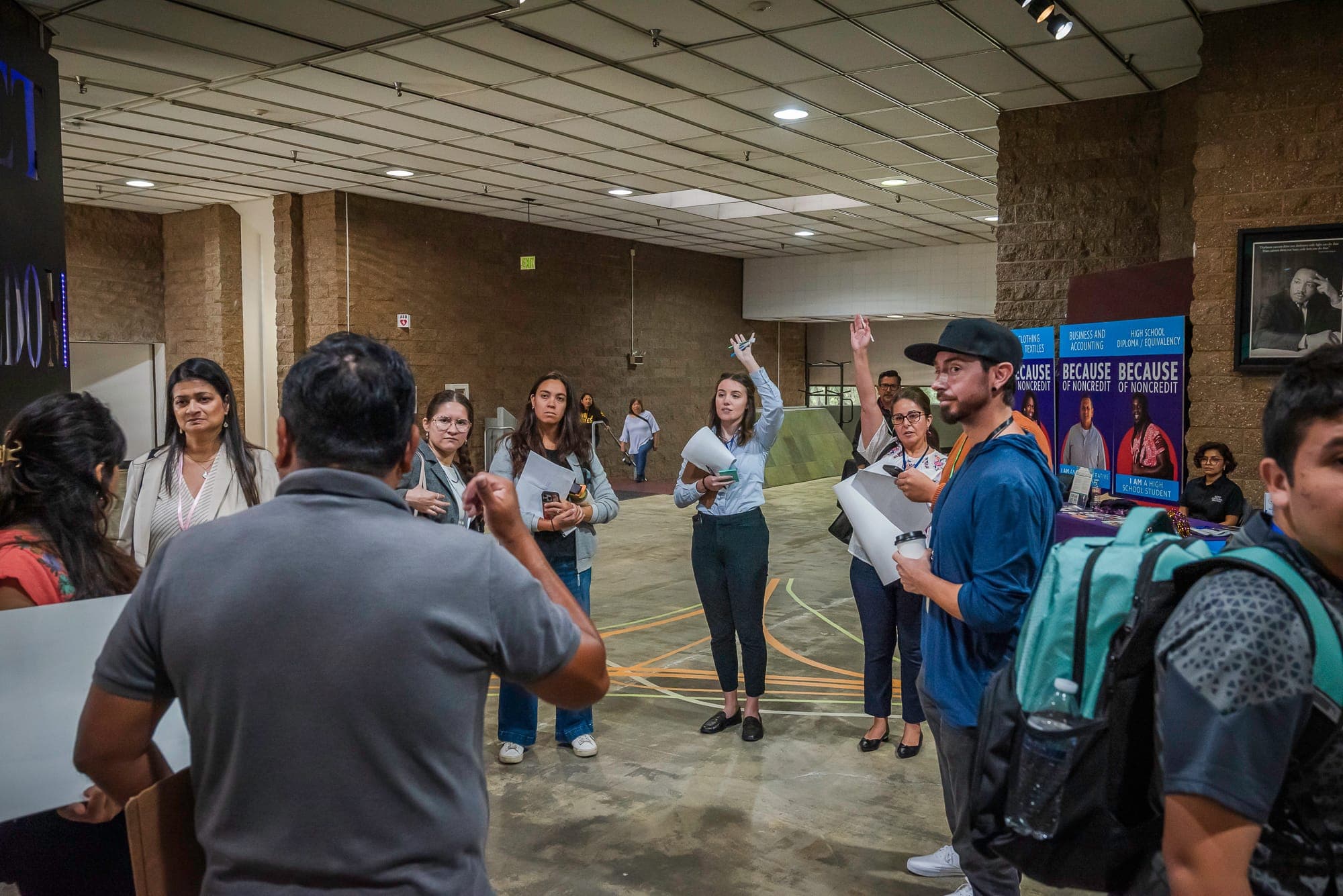
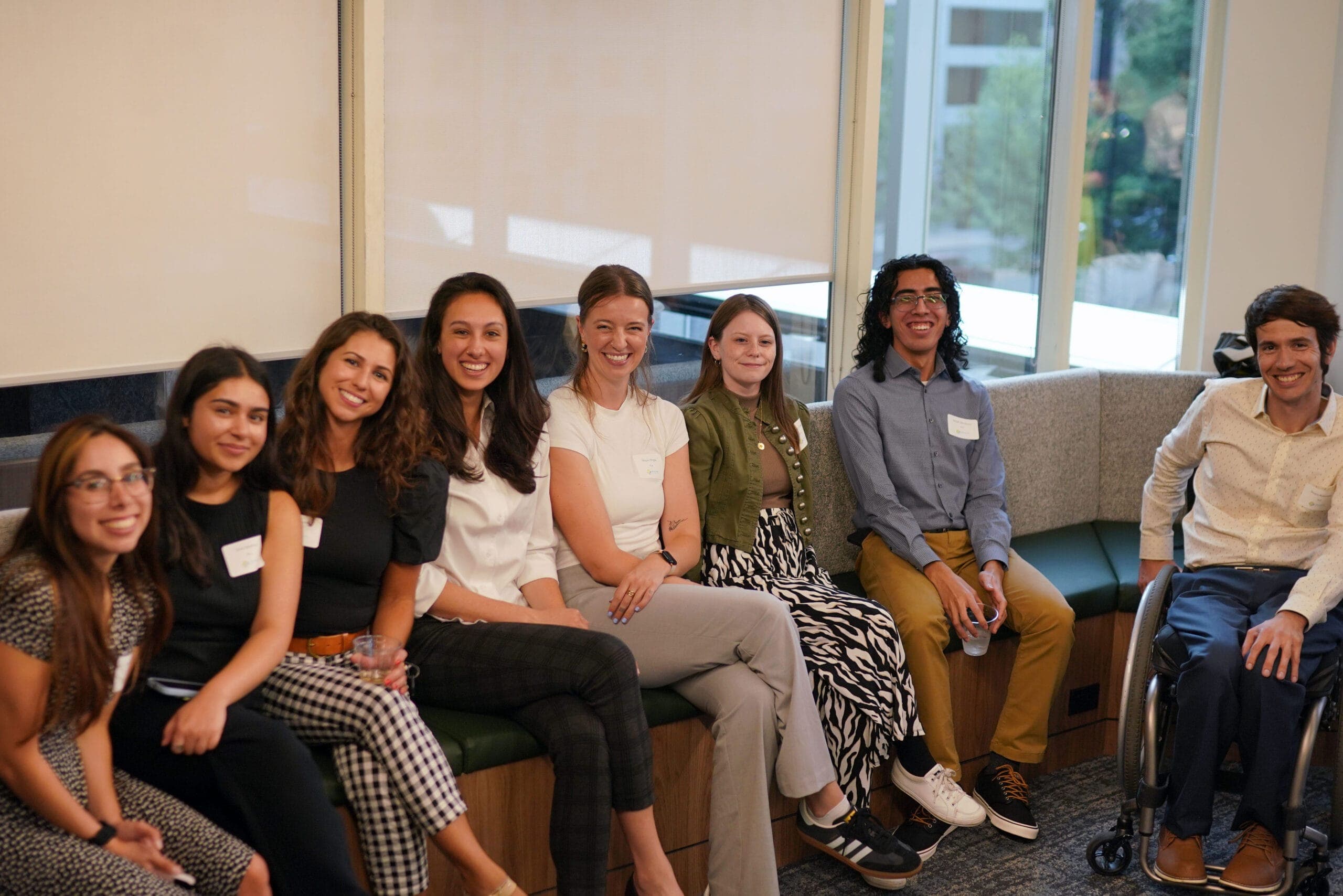
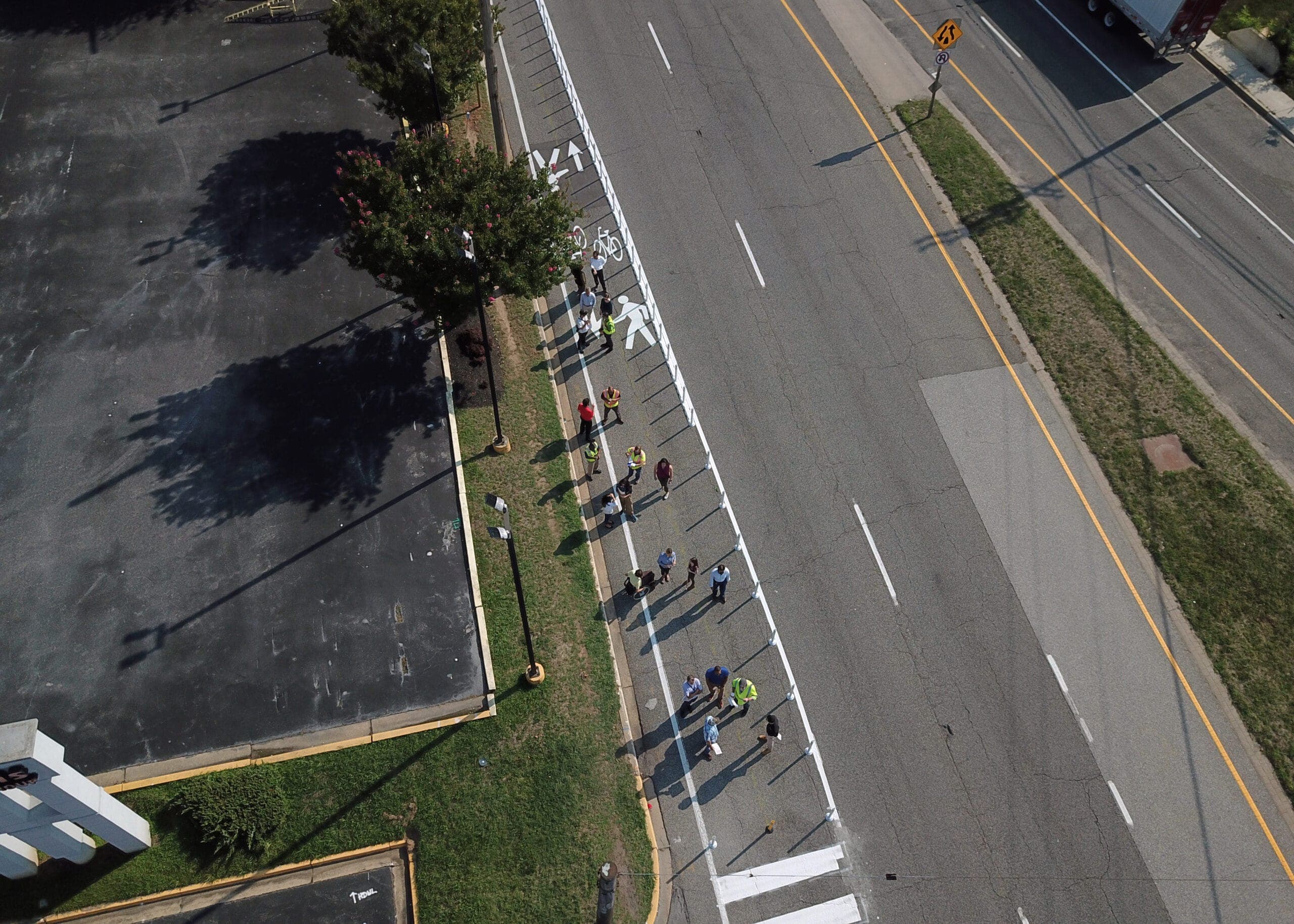
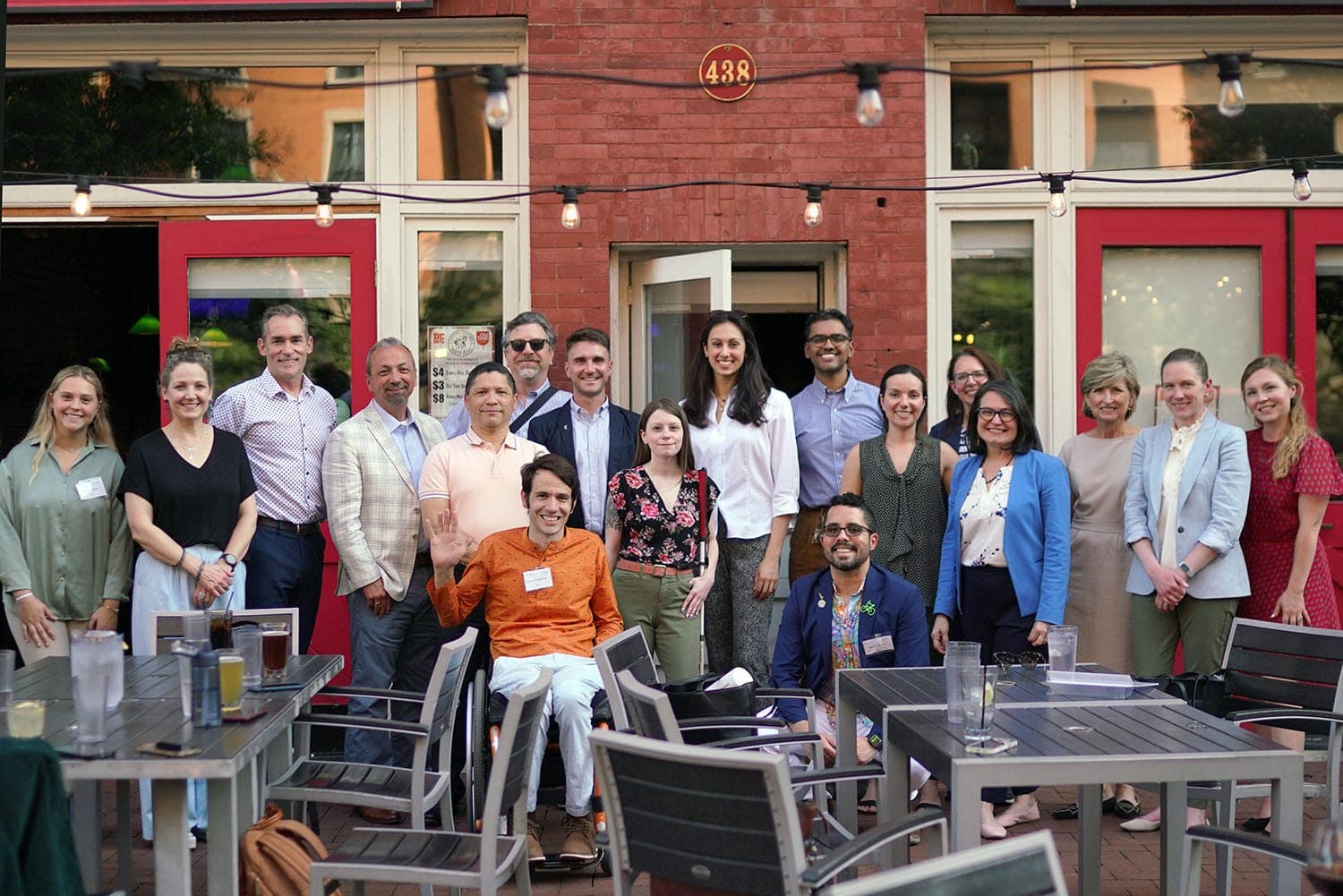
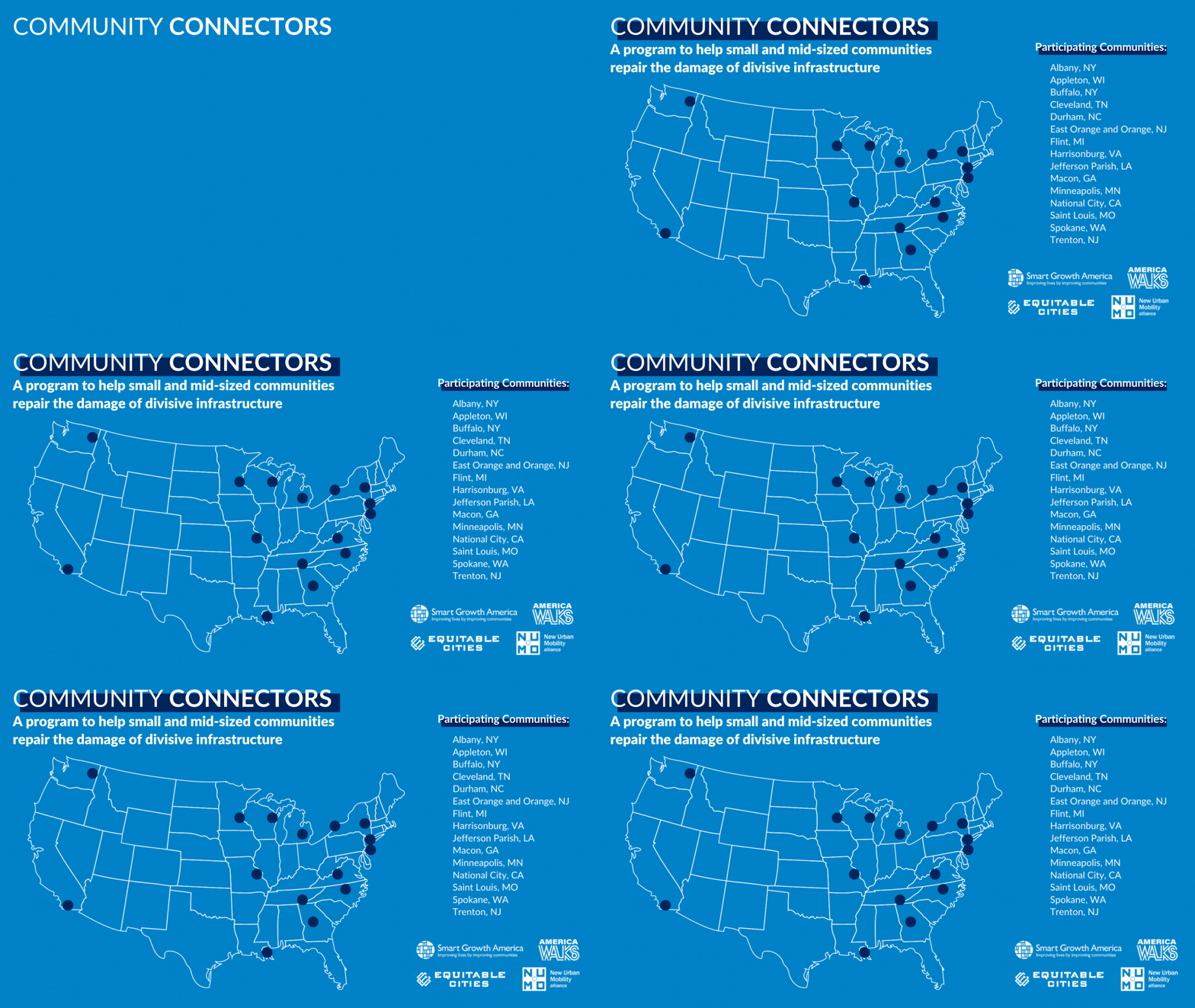
SGA’s Community Connectors is a year-long program that supports three teams as they work to repair divisive infrastructure, improve safety, and advance lasting community reconnections. By pairing community-based organizations with local government partners, the program centers collaboration through learning sessions, hands-on workshops, and quick-build demonstration projects.
At its core, Community Connectors is about people. Our new blog series highlights the participants leading this work, offering a glimpse into how their journeys began and how deeply their commitment now runs.
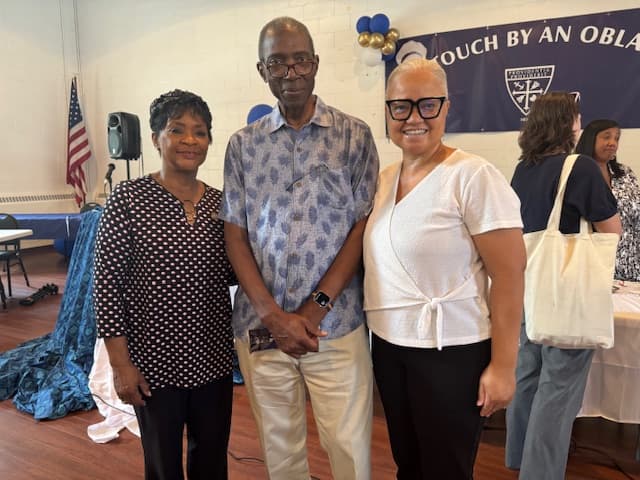
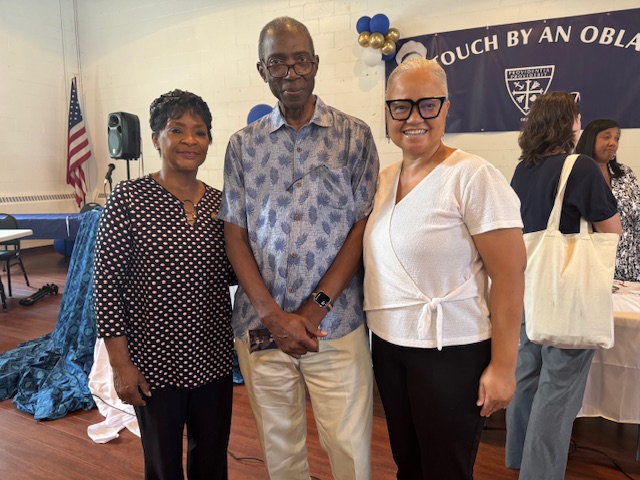
Get to know Nancy Goldring, a co-lead for Historic East Towson in this year’s Community Connectors program. Nancy is president of the Northeast Towson Improvement Association, Inc. where her work includes building the Road to Freedom Trail.
The conversation below has been condensed and lightly edited.
What got you interested in transportation, planning, and reconnecting the community you’re in?
Working with my community, and more specifically the Road to Freedom Trail project. The Road to Freedom Trail project is a cycling and pedestrian trail that connects thirteen sites of historical significance, from the Hampton National Historic Site, which had been a former industrial plantation, to East Towson. Hampton dates back to the 1700s and there are two log houses that date back to the 1800s. All of these sites are intact and exist on the landscape of Towson. The trail maps the history of the area, in much the same way you could map the history of the nation.
My grandmother had been the community association president for close to 30 years. She passed away in April of 2020, and I more or less inherited the position. It wasn't a role I ever expected to hold. However, I was born and raised here, and I have lived in Atlanta, Chicago, and New York, and between all of those cities, I would always come back here. So this is a community of people who have raised me, with whom I have grown up. It definitely has a huge piece of my heart, and in many ways that makes the work effortless.
What is something you’ve learned so far from this program that you want other people to know?
A wonderful thing is all of the many treatments and innovations for issues of traffic safety, accessibility, and beautification. This is our opportunity to really open that conversation up and be taken seriously about some of the issues that are happening here. I never knew that we could try something or that there are tools where you can try a traffic calming measure to see how people respond, to see if it really is workable. You can take it away if it doesn't work, or you can make it more permanent if it turns out that it does. The flexibility available in transportation has been a big surprise for me.
What are you excited to share with the cohort? What past experience do you want to share that your team can learn from?
These projects that we're working on are the result of divisive infrastructure. The thing that I rarely hear, that I appreciate being able to bring to the conversation, is wanting to have both sides of the conversation. It, to me, is the only way to mitigate the impulse to vilify. To remove the blame game and share the responsibility, you have to know the other side of the story.
What I'm learning in my own journey with community work is oftentimes the community is seen as just a box you need to check. Then you get outcomes and resistance that you hadn't banked on because you weren't really engaged, you were just checking the box. Most of the time it's like, “let's just go hear the community out.” This idea of people being heard, I think, is a magic trick with deep pockets. I don't just need to be heard, I need to see something happen from what I said.
If I can bring anything to this experience, it's that kind of deeper listening for real partnership, and how we can navigate our way constructively through the hard spaces in the conversation. We can wear the past down with something fresh and new and healthy and sustainable for all of us.
What do you hope to leave behind for your community?
I want to have positioned my community, in whatever small way, that it can to continue. It has a deep, enduring, and abiding history. There's a lot of relationship and connection here. The word community is kicked around a lot these days, and people create communities for all kinds of reasons. There's a community to lose weight, there's a community to Gua Sha, there's a community for chess, there's a community for knitting. There's all these communities, but very rarely are they with the people that you live with and are around every day. There’s this idea that people that we have interests with are safer to know than the people that live next door.
I think that the value of Historic East Towson is preserving the identity of “community,” the idea that you can call your neighbor if you need something. We say that you know your neighbor by name and you can call for a cup of sugar. Nobody needs a cup of sugar these days, but it isn't so much about calling on your neighbor, it's knowing that you can. You may never need them, but if you needed them and you didn't call them, they would be upset with you.
What advice would you have for someone looking to start a project like this in their own community?
Trust that if you keep going, the magic will keep happening. Something comes to knock you down, something else will come and pick you up. That kind of magic has followed this project from its very beginning and I think it's the thing that keeps us all going.
Community Connectors is supported by the Robert Wood Johnson Foundation.
Related News


Livable places. Healthy people. Shared prosperity.


© 2026 Smart Growth America. All rights reserved
Site By3Lane Marketing
