





News
By Heidi Simon, February 5, 2026
Recent data indicate a decline in roadway and pedestrian fatalities, but that progress is now at risk as federal actions cast doubt on the very safety tools that are helping save lives.
Last fall, the National Highway Traffic Safety Administration released its traffic fatality estimates for the first half of 2025. Especially notable was the 8.2 percent decrease in roadway fatalities for the first half of 2025 compared to the first half of 2024. Alongside the 4.3 percent decrease in pedestrian fatalities in 2024, as reported by the Governors Highway Safety Association, Smart Growth America is cautiously optimistic about the continued trend toward fewer fatalities on our streets.
Any reduction in deaths on our roadways matters, and it reflects real effort and investment by states and cities working to respond to an acute public safety crisis. But if we focus only on the percent decrease, we’re missing the whole story. This decrease in pedestrian fatalities gets us closer to where we were in 2019, before the start of the pandemic. So while it is important to celebrate progress, we also need to stay clear-eyed about how dangerous our roadways have become over the last 40 years, and just how far we have to go. Without understanding what’s driving our progress and investing in the tools that made it possible, this progress is far more precarious than the headlines suggest.
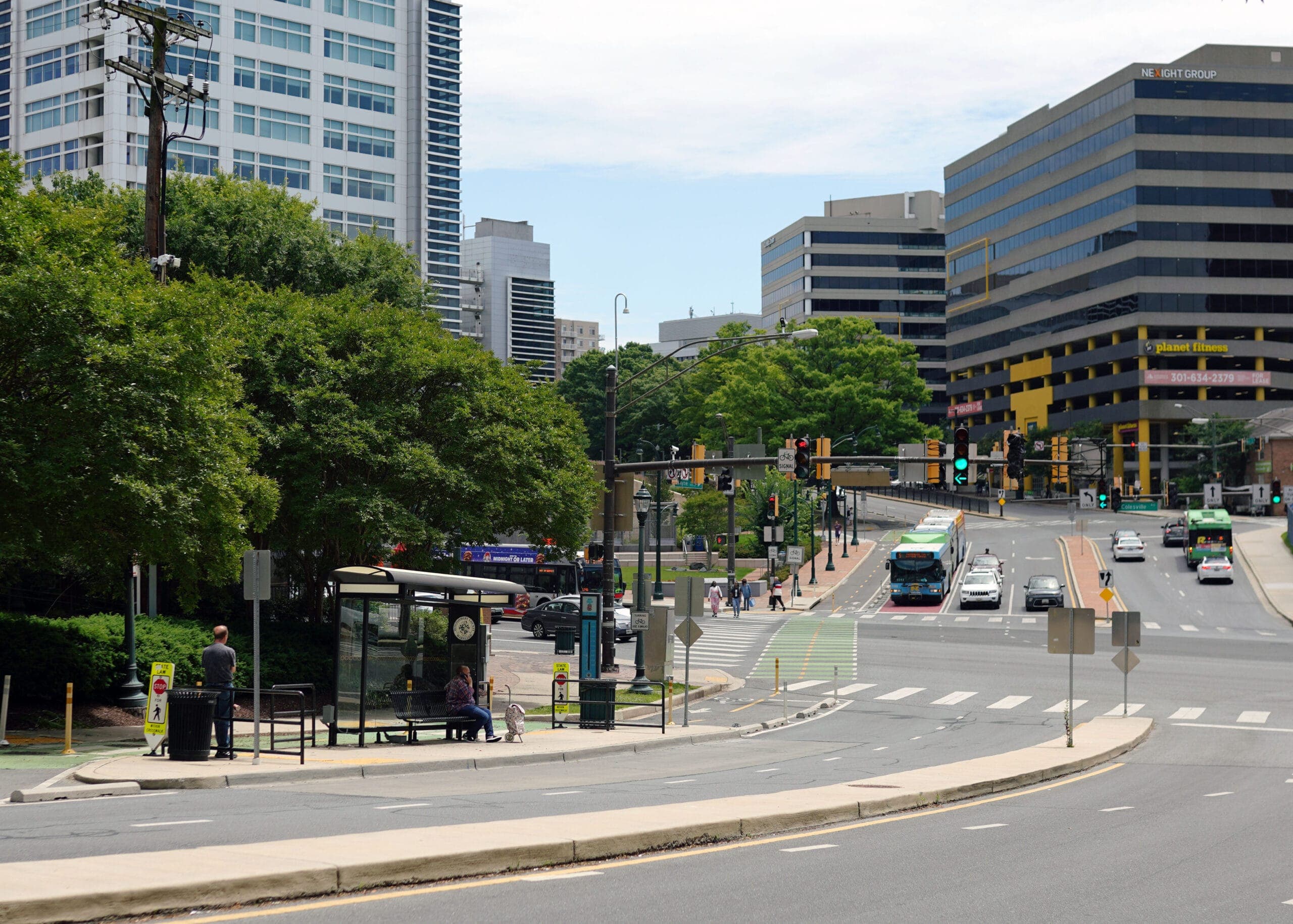
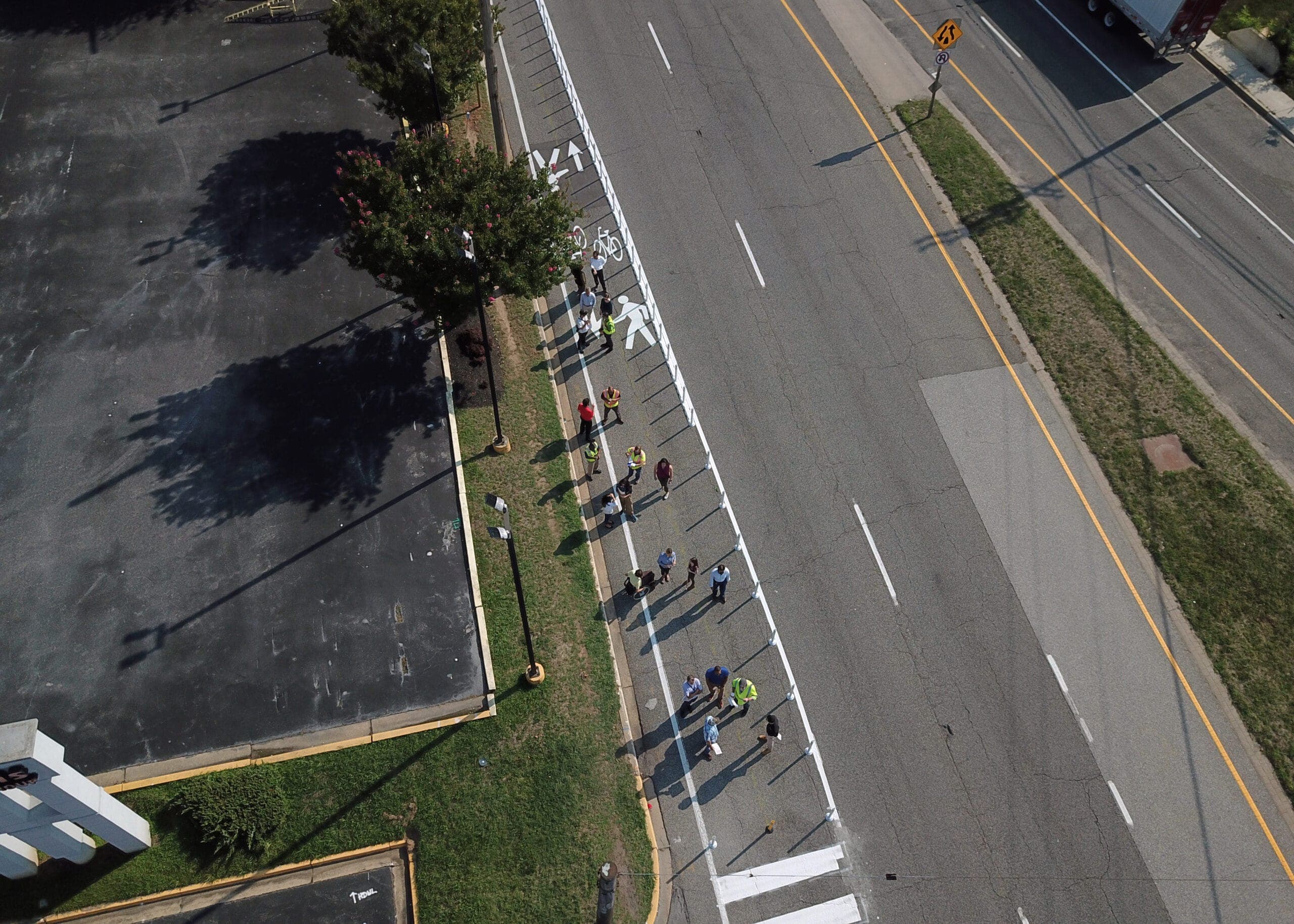
Lurking behind these real signs of progress is the fear that momentum around addressing pedestrian safety could come to a shrieking halt with the recent actions by the federal government. Even as the federal government reports on its progress on safety, it's troubling and confounding that it is making it increasingly difficult to deploy the very interventions contributing to this success. They have put a bullseye on proven safety tactics such as road diets, protected bike lanes, and improved visibility for crosswalks (all countermeasures approved by their own FHWA), leaving local governments wondering whether they will be penalized for including these strategies in federal grant applications and how to fund them if the federal government walks back its support.
Additionally, USDOT’s delay and obstruction in providing awarded funds from programs such as Safe Streets and Roads for All is not only holding up more street design interventions that could save lives but also setting back the narrative around traffic safety by decades. This comes at a time when the mainstream media is shining a light on how local interventions can be done separately or in combination to achieve safety goals on even the most dangerous corridors, like Central Ave in Albuquerque, NM. It feels like just as the public conversation is catching up to what works, federal action is moving us in the opposite direction.
The federal government should be celebrating such a dramatic decrease in roadway fatalities. Instead, it’s buried in a standard press release, and one has to wonder whether it’s because the efforts contributing to this success don't align with the current administration. If the government truly wanted to see continued progress in chipping away at the devastating trend of pedestrian fatalities, it would fund proven street design interventions and support communities to deploy the solutions they know are needed instead of casting doubt on proven safety countermeasures. It would be using its resources to continue digging into how we’re making the progress we’re seeing, rather than dismantling existing research efforts. Instead, current USDOT leadership seems more intent on standing in the way of the local efforts by passionate champions and crossing their fingers that technology solutions like automated vehicles will one day save us.
In the absence of federal leadership, Smart Growth America continues to fill the gap by highlighting the places making the biggest improvements and pushing for the programs, funding, and policies that support the changes we know work to slow cars, improve visibility, and provide connected networks for active transportation.
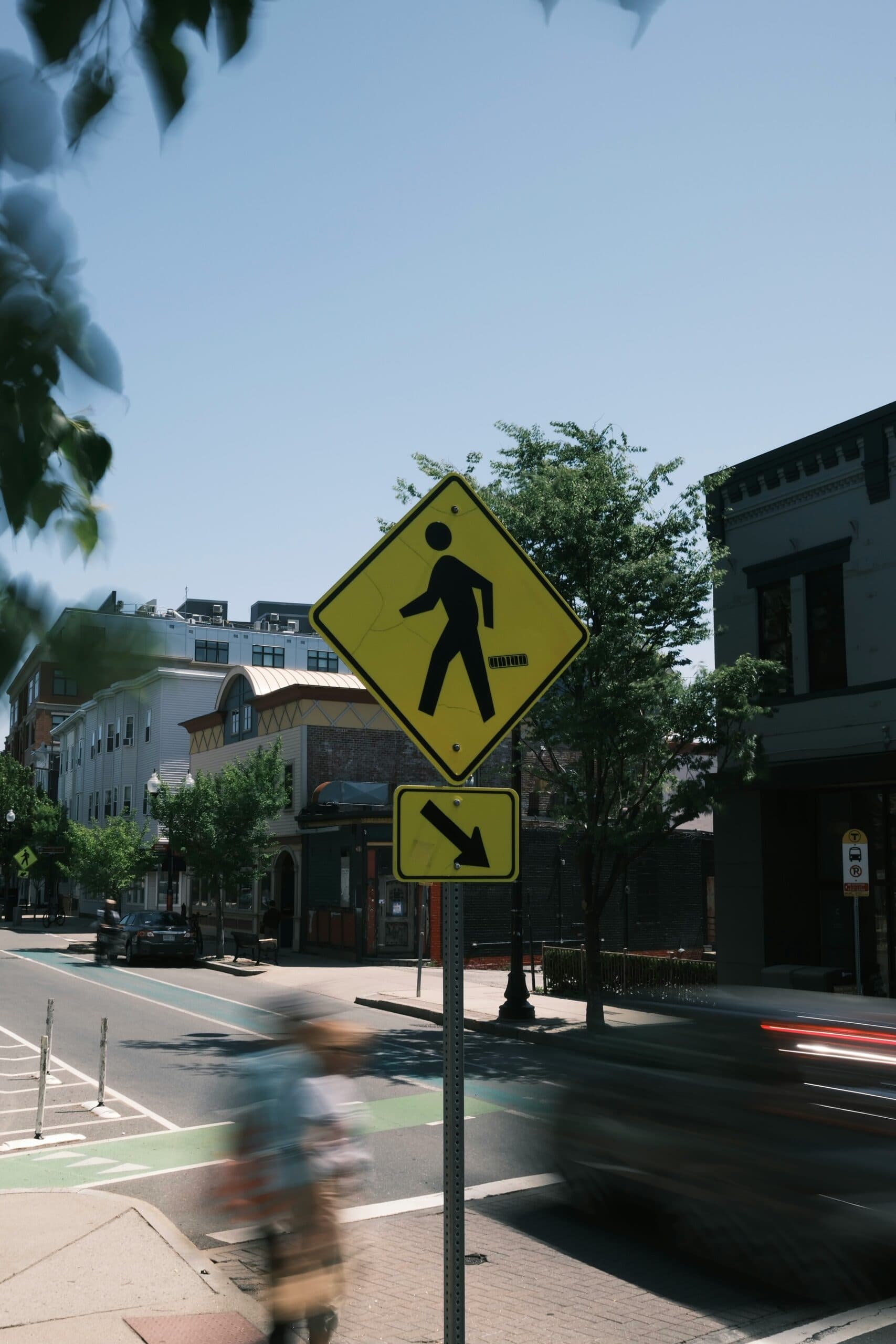
Our report, Dangerous by Design, points to the causes of the country’s pedestrian safety crisis and the solutions we need more of. Far too many communities are reckoning with streets that are designed to prioritize vehicle speed and convenience over the safety and accessibility of people walking, biking, and taking transit. In places where communities are taking action to redesign streets to support how people actually move and travel, they are seeing the results of these hard-fought changes. Take, for example, the recent news out of Milwaukee showing its 27 percent reduction in speeding and 15 percent reduction in crashes after deploying traffic calming projects. Even notoriously unsafe places like Florida are starting to address pedestrian safety when given the resources and space to implement high-visibility crosswalks, protected bike lanes, and lane reductions. Orlando’s recent 40 percent drop in deadly and serious injury crashes over four years shows what can happen when pedestrian safety stops being a talking point and starts being a measurable project outcome. Cities of all sizes need to be able to make the changes they know need to happen to save lives and not face unnecessary obstacles from state or federal agencies far removed from where deaths are taking place.
While we wish the federal government would play a more constructive role, SGA will continue to support local and state practitioners as they navigate the ever-changing political landscape to secure funding, redesign streets, and shift the transportation narrative to prioritize safety over speed. That uncertainty is exactly why understanding what’s behind these numbers matters so much right now. That’s why we’re preparing to release an updated Dangerous by Design later this year, where we will dive into the recent safety improvements and what’s at risk if proven safety tactics continue to be sidelined.
Related News





Livable places. Healthy people. Shared prosperity.


© 2026 Smart Growth America. All rights reserved
Site By3Lane Marketing
