











News
By Heidi Simon, July 20, 2026
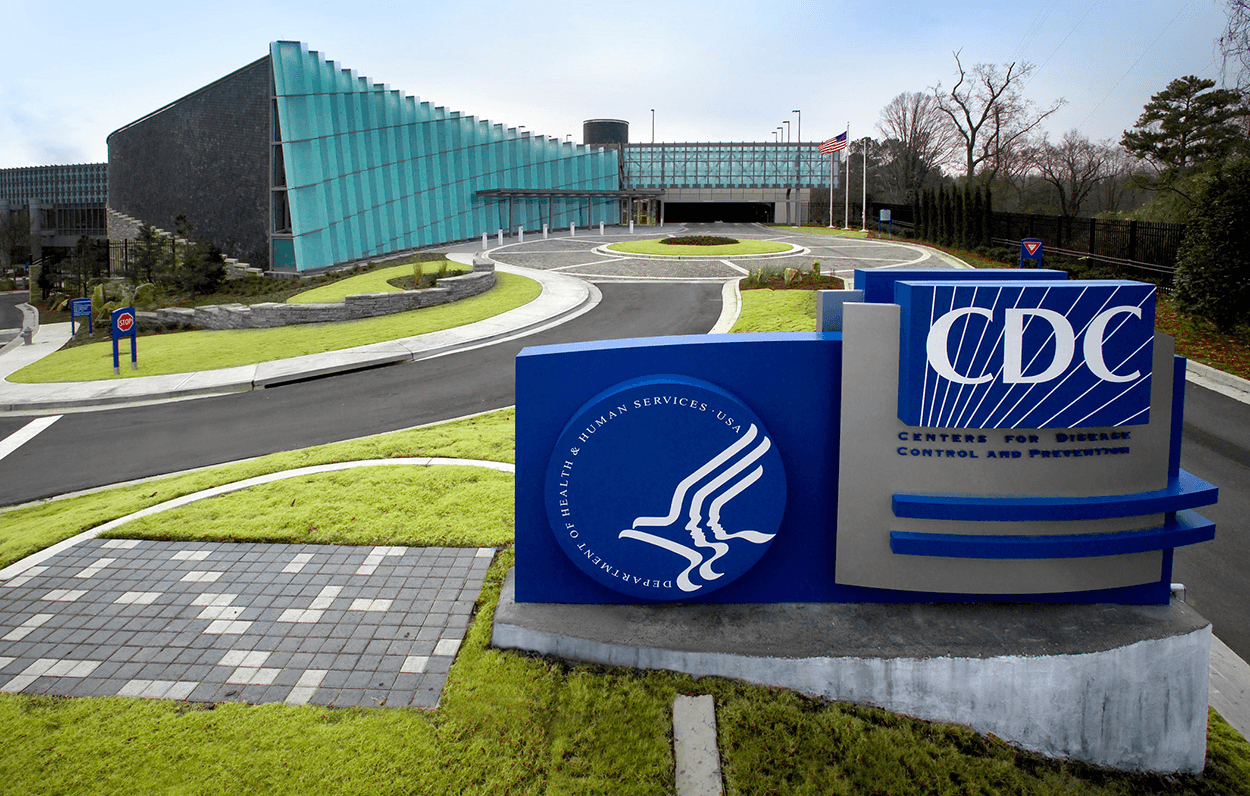
Last week, Dr. Erica Schwartz testified before the Senate Health, Education, Labor and Pensions Committee as part of her confirmation process to become the next head of the Centers for Disease Control and Prevention. Dr. Schwartz’s testimony offered few details about how she would approach initiatives related to physical activity and active transportation, raising concerns from Smart Growth America, as she observed that “CDC has had some mission creep, and it's trying to be all things to all people,” arguing that the agency should have a focus on infectious disease prevention. Dr. Schwartz is seemingly calling for the end of the agency's work in preventing and treating cancer as well as heart disease, stroke, diabetes, Alzheimer's, and other chronic diseases. It is hard to believe that the senators on the committee fully considered the radical implications of that position.
Chronic disease drives 90 percent of the nation's $5.3 trillion in annual health spending, according to the CDC. Specifically, the CDC’s chronic disease programs provide the surveillance, screening, and prevention infrastructure that states and localities rely on to combat cancer, diabetes and heart disease, tobacco use, and other chronic conditions. Without CDC funding and data collection, states would lose the ability to track these conditions and target interventions.
Unfortunately, chronic disease in America is not just a matter of personal choice. It is shaped by whether a neighborhood has sidewalks, whether children can safely bike to school, whether public transit connects people to grocery stores and medical care, and whether local zoning allows healthy, walkable communities in the first place. A lack of physical activity carries enormous health and economic costs and can lead to heart disease, type 2 diabetes, some cancers, and obesity, while costing the nation $192 billion a year in related health care spending. Cutting the $80 million that supports programs like CDC’s own Active People, Healthy Nation would only worsen those outcomes, adding an additional $690 million in health care costs over the next five years and contributing to 3,300 deaths. If Dr. Schwartz aims to lead the nation’s premier public health agency whose mission is to “protect the public's health,” she must clearly articulate her understanding of the role that physical activity and active transportation play in achieving that mission.
Notably, Dr. Schwartz's testimony undercuts her "mission creep" argument. In the same hearing, she agreed to senators' requests that the CDC study whether AI data centers pose health risks and explore a new World Trade Center Health Program clinical center in Florida, both of which are new lines of work for the agency. An agency cannot simultaneously be told to narrow its scope and be asked to take on new, unrelated responsibilities. The inconsistency raises questions about whether "mission creep" is being invoked selectively to justify cutting chronic disease prevention, rather than as a coherent standard for what CDC should or should not do.
Related News









Livable places. Healthy people. Shared prosperity.


© 2026 Smart Growth America. All rights reserved
Site By3Lane Marketing
