




News
By Marian Liou, July 31, 2026
Six months after the Culture and Community Network concluded, the cohort of metropolitan planning organizations are already putting its lessons into practice. These three examples show how arts and culture can reshape planning—not just through public engagement, but by changing policies, funding, and organizational culture.
Metropolitan planning organizations (MPOs) shape how over 70% of all Americans move through, live in, and experience their regions. As the primary decision-makers for billions of dollars in federal transportation funding, MPOs shape how our regions grow, influencing which projects move forward, how communities are impacted, and where. When MPOs integrate arts and culture into their core work, they fundamentally shift how planning happens: who is seen and heard, what gets valued, and how communities can steward the regions they call home.
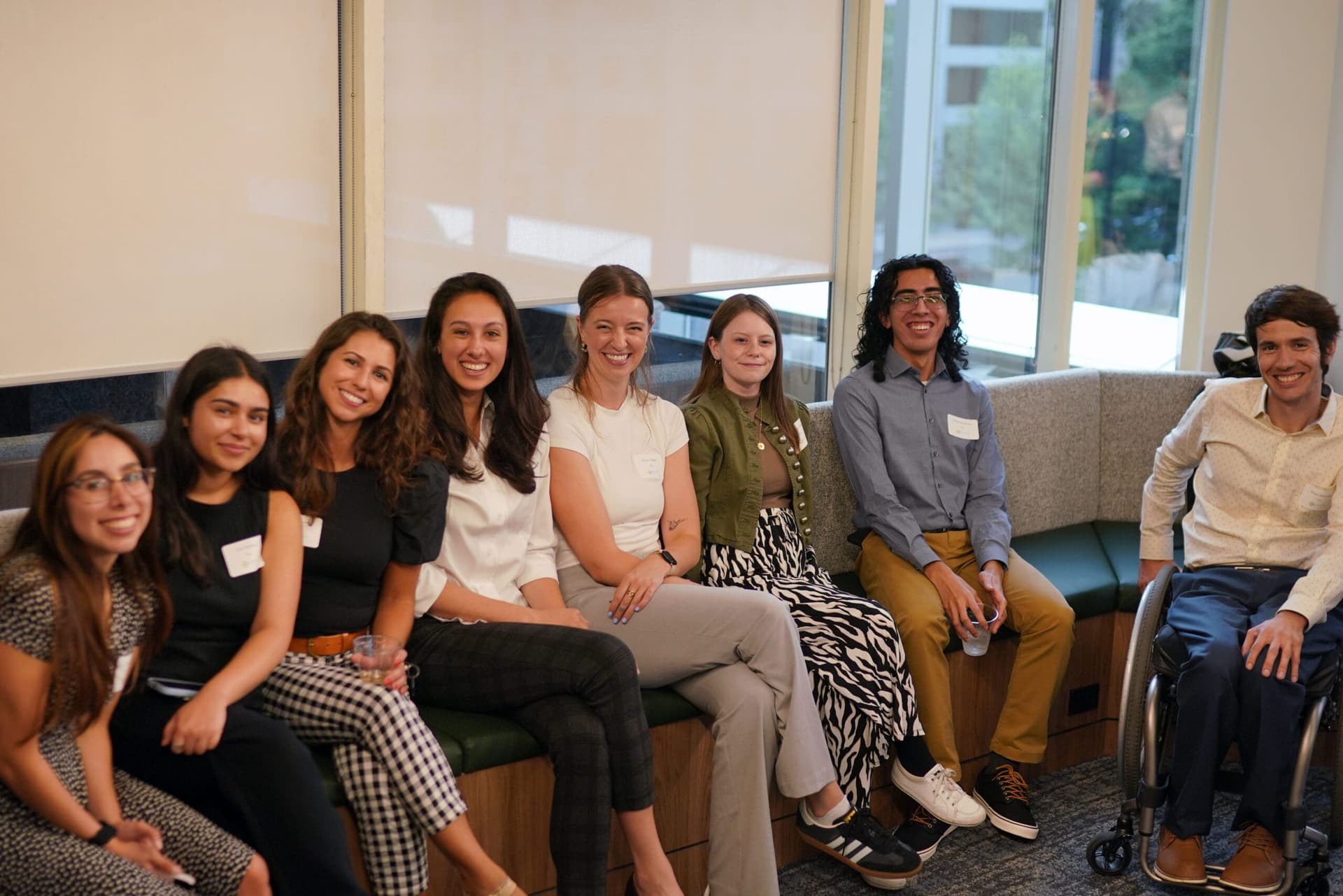
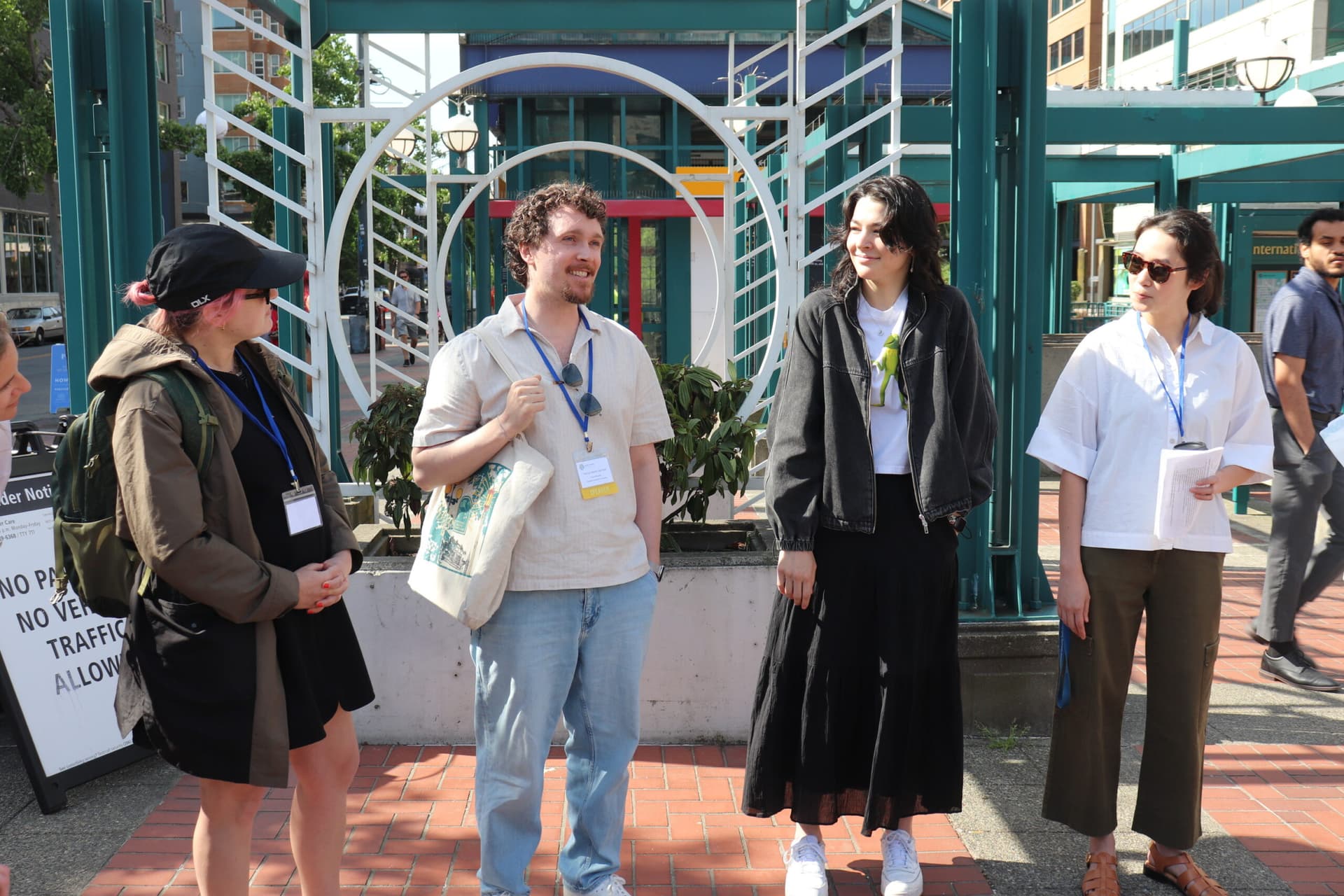
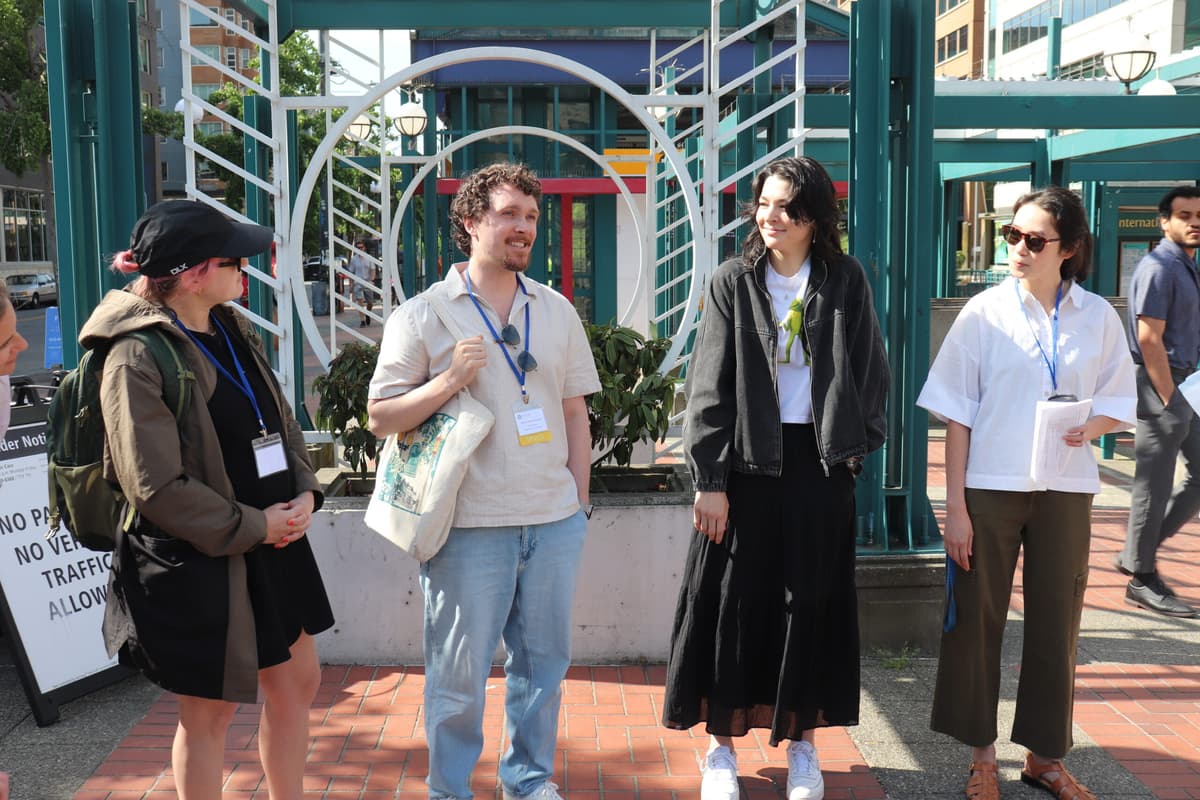
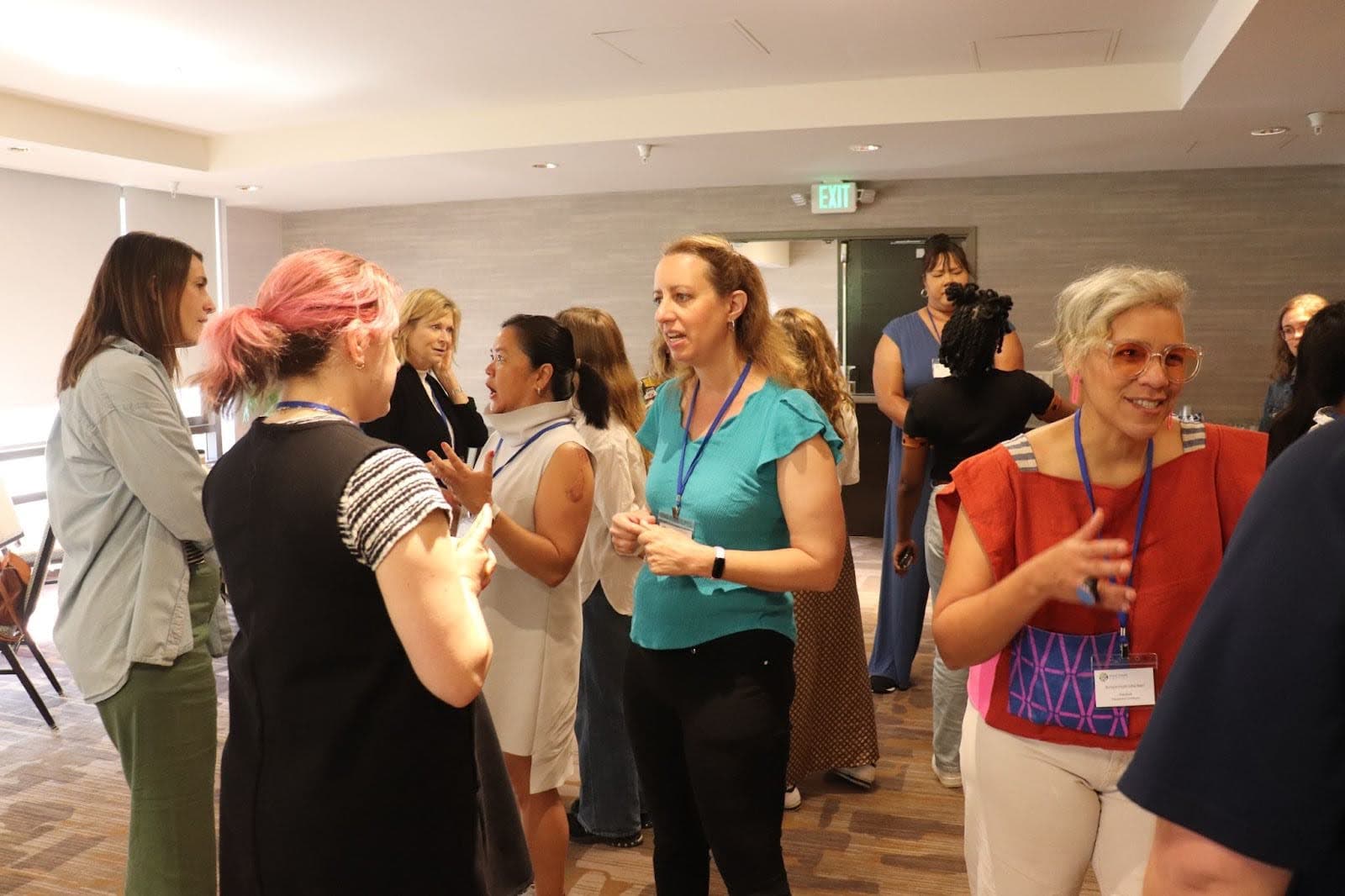
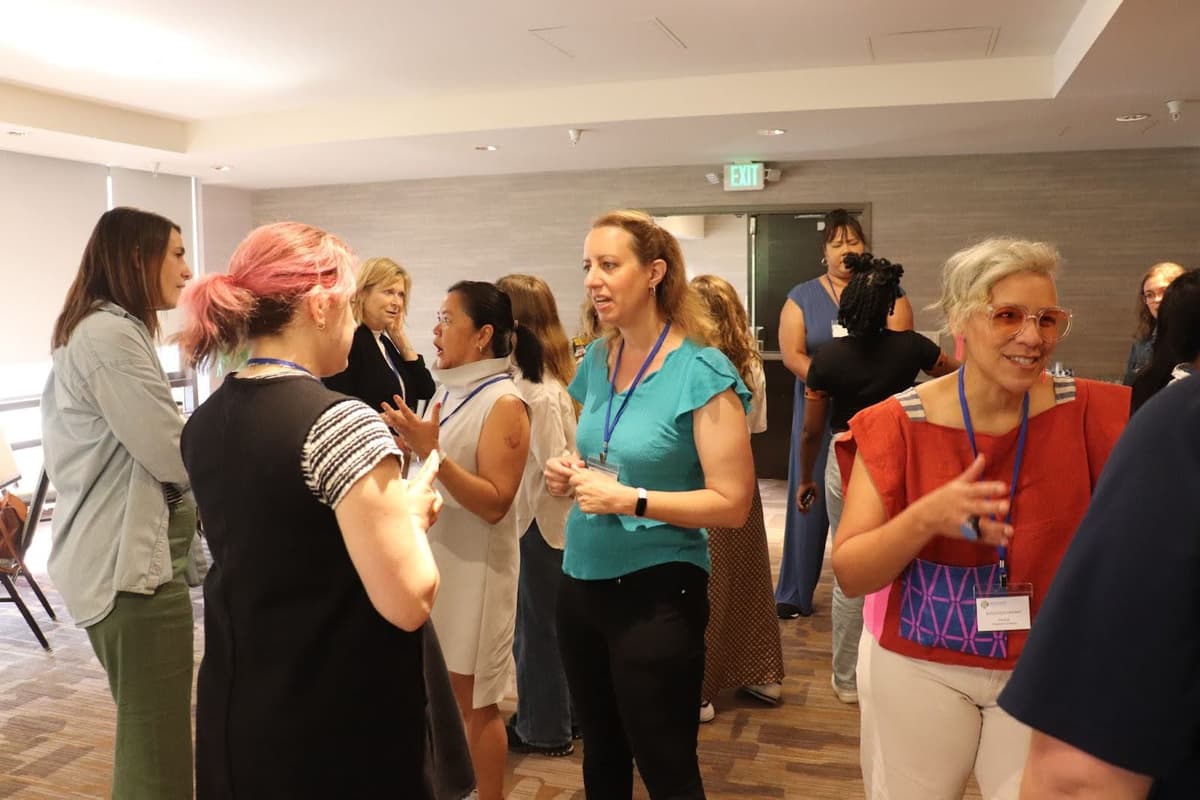
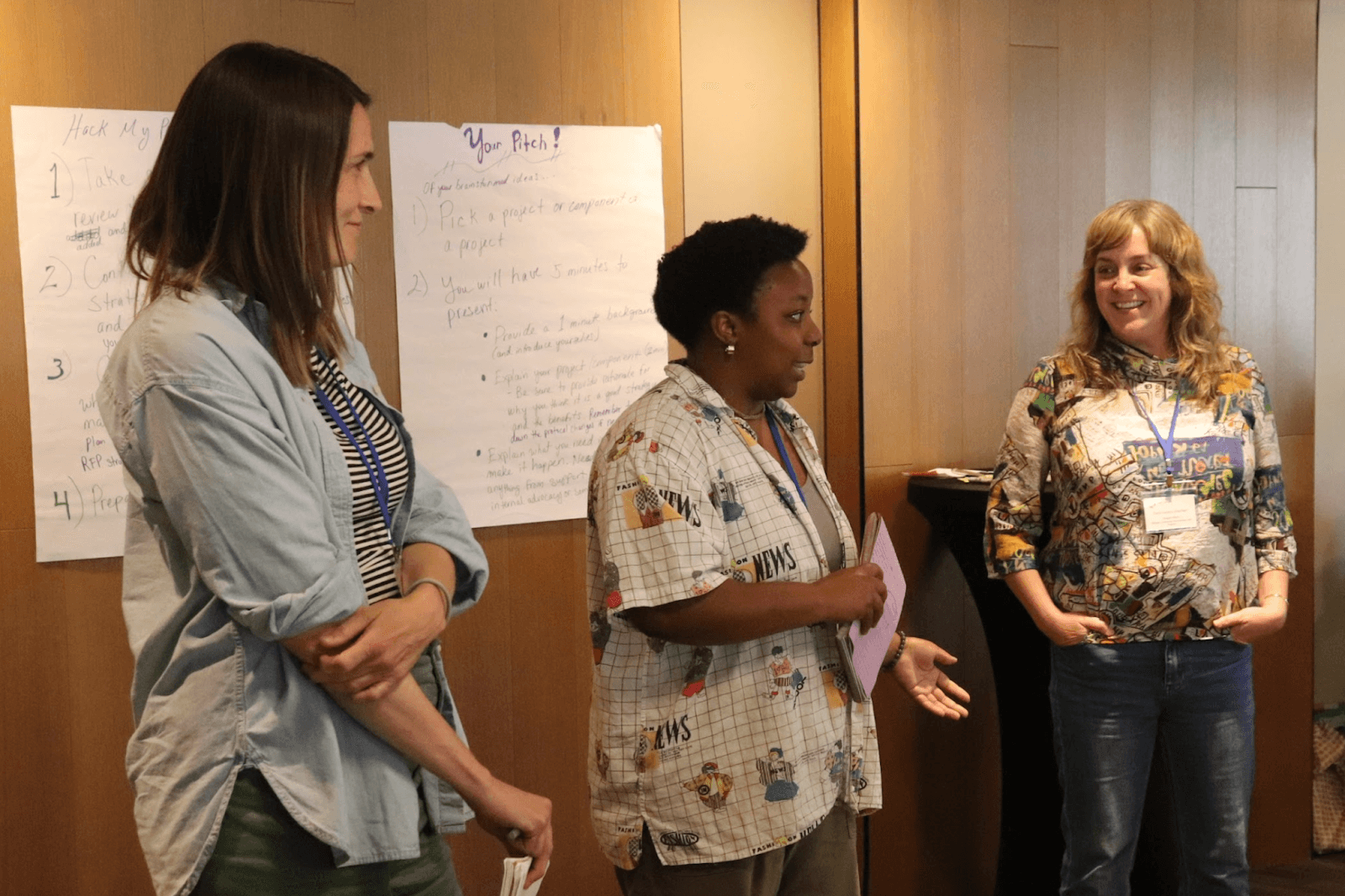
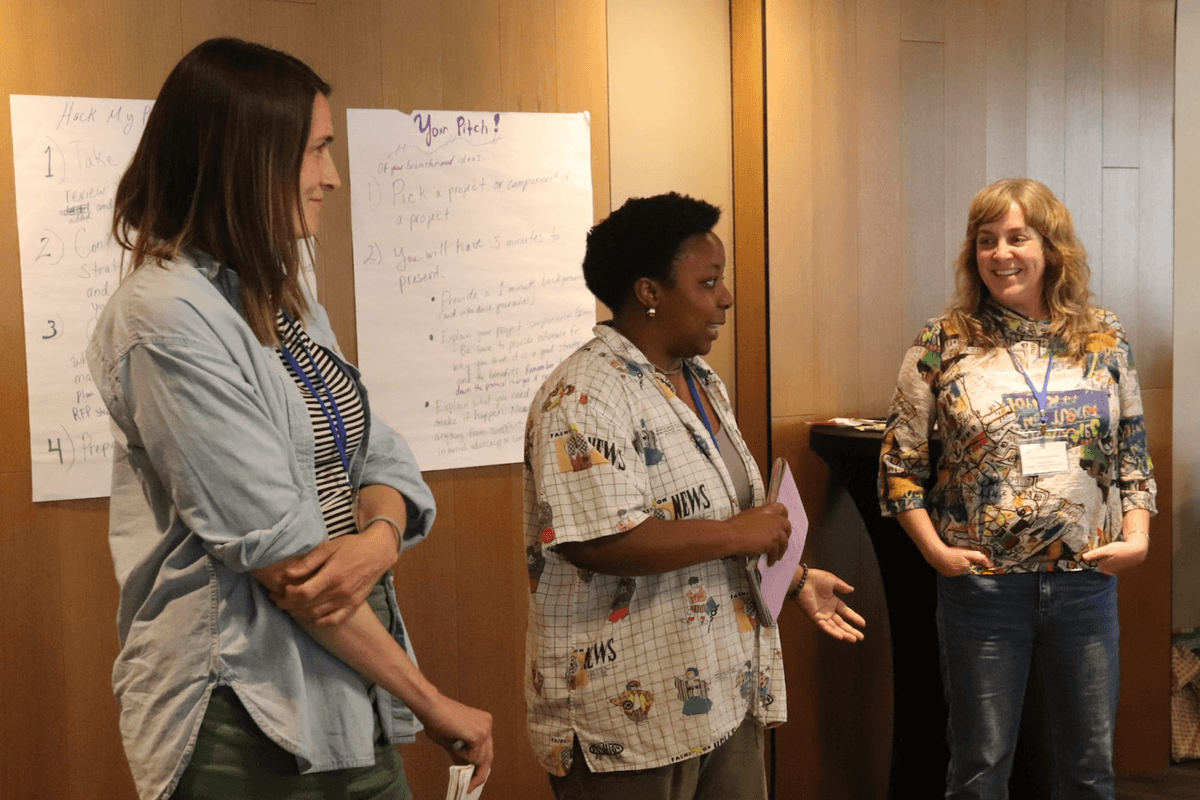
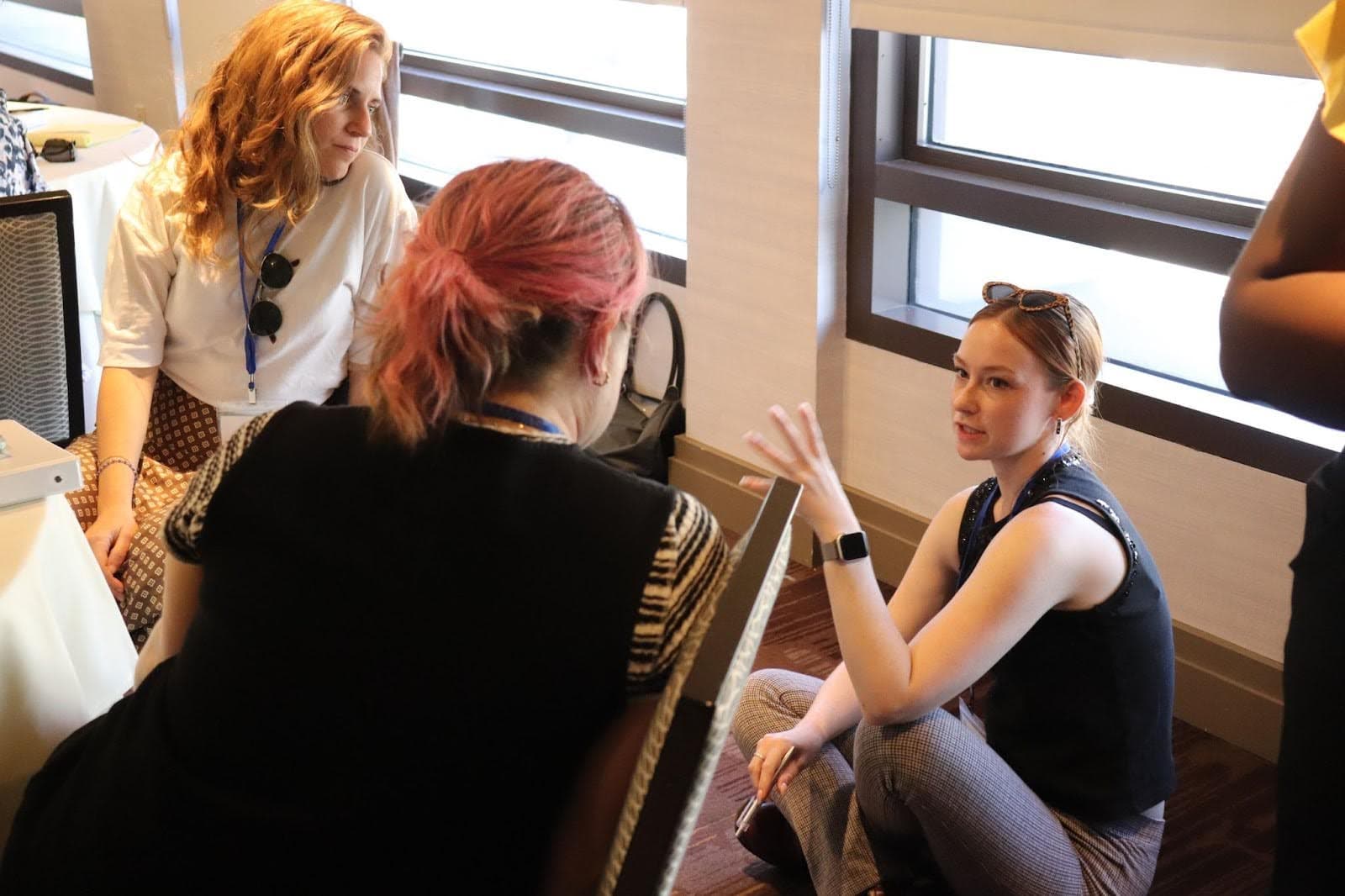
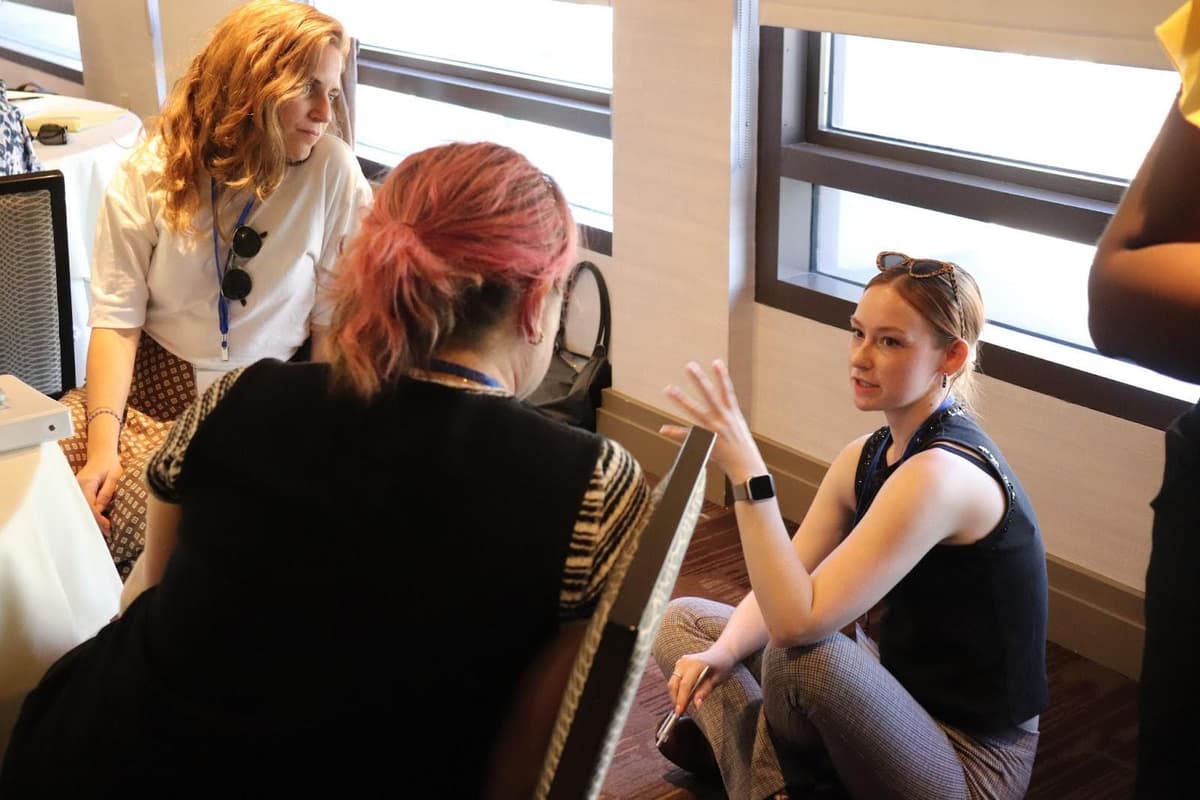
Last year, with support from the Kresge Foundation and in partnership with the State Smart Transportation Initiative (SSTI) and the National Association of Regional Councils (NARC), Smart Growth America’s Arts & Culture program convened the Culture and Community Network (CCN). CCN comprised staff at nine MPOs and regional planning agencies across the country, all seeking to assess, design, and begin implementing arts and culture strategies to advance more equitable, creative, and community-centered community engagement and regional planning.
Following the completion of that cohort, we released Lessons from the Culture and Community Network: A Blueprint for Integrating Arts and Culture into Regional Planning.
The report documented the early experiences of these agencies, both the breakthroughs and ongoing challenges, offering a comprehensive blueprint for agencies ready to move beyond conventional strategies toward more intentional and creative community-centered planning.
Now, six months after releasing the Blueprint, we continue to observe the learning translate into real institutional change. We took a closer look at three regional planning organizations that are embedding arts and culture into policy, funding, and programming, demonstrating what’s possible when MPOs commit to this work as well as the internal shifts needed for ongoing growth and evolution.
Shift 1: Connecting policy and funding priorities with new external engagement strategies at MTC-ABAG
The Metropolitan Transportation Commission and Association of Bay Area Governments (MTC-ABAG) launched the Community Action Resource and Empowerment (CARE) initiative, a $29 million investment to fund community-led transportation, housing, and climate outcomes. For the first time in a major regional funding program, the policy explicitly named “artists as cultural agents” in advancing planning and program delivery.
What they did: MTC-ABAG took two concrete structural actions other agencies can replicate: (1) MTC-ABAG included “art and placemaking” as an eligible project category for CARE grants; and (2) they included “culture” as a relational outcome to be measured as part of the CARE model. These decisions signaled that creativity is both a planning methodology and a desired outcome in community planning.
What they learned: Despite specifically naming arts and culture as project categories and goals, simply expanding eligibility did not deliver their hoped-for outcomes. MTC-ABAG discovered that their outreach reached traditional audiences tracking agency grants and opportunities (i.e., local municipal governments and county transportation agencies), and that these audiences were not naturally drawn to or prepared to propose art and placemaking projects. In the first round of CARE grants, the artistic and creative community was not included in the outreach loop.
How they adjusted: After realizing that they weren’t receiving the applications they’d hoped for, MTC-ABAG corrected course by identifying partners already working with the arts and culture community to participate in CARE’s Participatory Budgeting process. Now, when a CBO or government agency implements participatory budgeting, community members identify projects, develop proposals, and vote—with the goal that the highest-ranked art and placemaking projects are funded and completed.
What’s happening now: Across 26 community-based organizations in the Bay Area in the implementation phase, the Filipino American Development Foundation’s Russ Street Cultural Greenway includes the most significant arts and culture elements. The project’s focus is creating a pedestrian-friendly cultural corridor complete with murals, tree planting, and a permanent Filipino Cultural Heritage District gateway monument. Projects led by the Foundation 4 Innovation and Healthy Black Families are also weaving cultural significance and community storytelling into their work.
Why it matters: MTC-ABAG recognized that moving from a statement that arts and culture are important to building systems that meaningfully incorporate arts and creative practitioners into the work is essential to real transformation. Only through such honest self-reflection and meaningful adjustments can a substantial investment in equitable, community-led stewardship deliver real outcomes.


Shift 2: Connecting internal culture with public engagement innovation at the Delaware Valley Regional Planning Commission
During and after their participation in the Culture and Community Network, staff from the Delaware Valley Regional Planning Commission (DVRPC) worked to deepen staff engagement with and understanding of the importance of arts and culture in regional planning. They shared their CNN learnings with colleagues, hosted brown bag discussions, surveyed internal staff about arts and culture, and organized a staff art show to celebrate the creativity already present within the organization. They brought in a guest speaker from the Philadelphia Chinatown Development Corporation to discuss how creative approaches serve community needs. They held meetings with local and state arts organizations—Art Reach and the NJ State Council on the Arts—to understand potential partnerships and learn from their expertise.
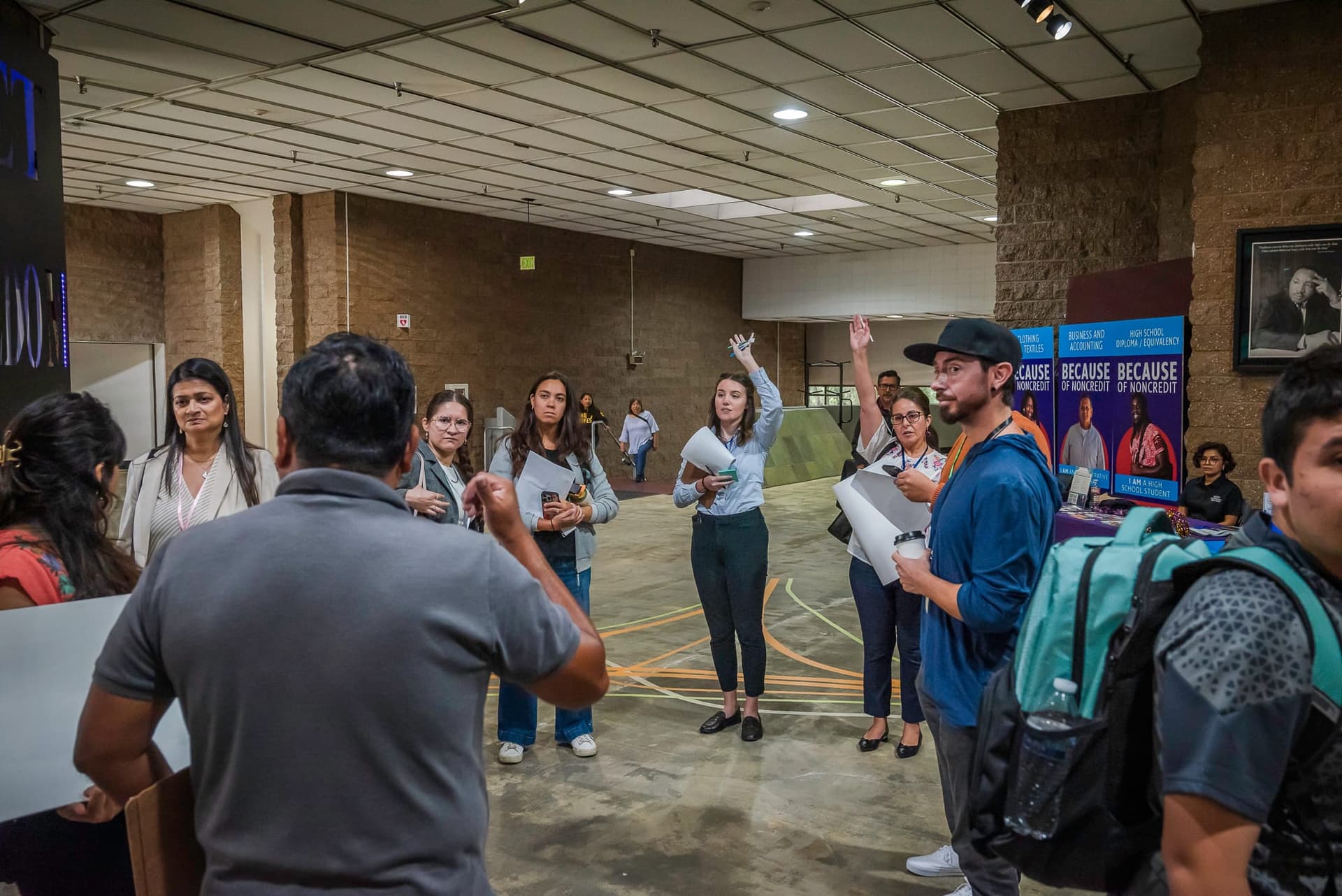
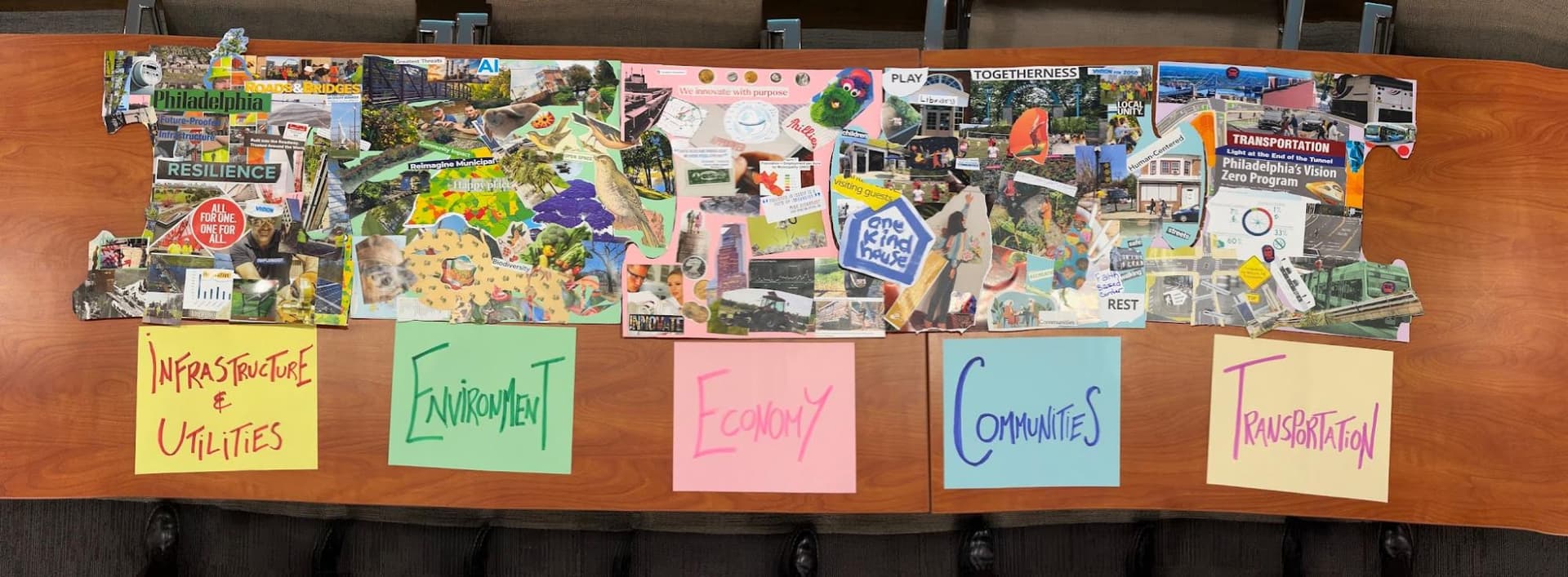
This internal work set the stage for The Art of Planning—a Public Participation Task Force (PPTF) meeting in April 2026 that brought together staff presentations on cartography, participatory muralism, and transit art, paired with an interactive collage activity for the public.
What happened: DVRPC staff members, including cartographers, planners, and artists themselves, shared their creative work and demonstrated how creative practices inform planning. External PPTF members representing diverse communities across the region participated in creating collaborative collages representing the five elements of the Long-Range Plan, with each group producing a puzzle-piece collage that, when assembled, visualized their understanding of regional priorities.
The activity made technical planning tangible and creative, translating policy frameworks into something participatory and accessible to the public. Participants responded enthusiastically, and the collages became visual artifacts of how diverse communities understand and envision the region’s future.

Why it matters: DVRPC’s journey exhibits internal buy-in spreading outward. When staff sees arts and culture integration as standard, and when they’ve had space to explore their own creativity through internal conversations among colleagues, that energy and openness can often translate to public engagement and external relationships. When the public participates in creative planning activities, they experience planning as something accessible, relational, and human-centered. Creative approaches to engagement can transform how communities understand and participate in regional planning. DVRPC is now planning a brainstorming session with their Long Range Plan team to consider how arts engagement might be built into the actual planning process going forward—moving from one-off activities toward integration.


Shift 3: A bold institutional commitment and artist residency at Oregon Metro
In March 2026, after participating in the Culture and Community Network, the Metro Council passed a resolution affirming commitment to embedding creative artistic practices throughout the agency’s work. The resolution explicitly references participating in the Culture and Community Network as evidence of Oregon Metro‘s leadership and readiness. The resolution “directs the Chief Operating Officer to strive to embed creative artistic practices throughout Metro’s work” and directs Metro staff to:
- Use Metro public meetings as platforms to elevate creative work and practices;
- Explore opportunities to integrate artists, arts and culture, and creative practices as planning and engagement tools in planning, economic development, and community well-being;
- Pursue initiatives to embed arts and culture into planning and programming;
- Incorporate arts into projects with scoping phases; and
- Report back to Council on progress.
Shortly thereafter, Metro hosted its first in-person artist residency as part of the Metro Future Vision, the 50-year vision for the greater Portland region, bringing on Subashini Ganesan Forbes, the City of Portland’s Creative Laureate from 2018 to 2021. Ganesan-Forbes organized a group of four artists from a variety of creative disciplines—movement, theater, visual art, and sound—and invited them to Metro Council for three days, where they created work in response to specific planning prompts, transforming a conference room into a creative space. Staff and Council members experienced creative practice as a planning and visioning methodology firsthand, laying the foundation for further exploration, and as Metro moves forward in embedding arts and culture in its planning and programming.
Why it matters: A regional planning body just made arts integration throughout its planning work a governance priority at the leadership level. Staff, external partners, funders, and other MPOs now see that this is possible—not dependent on one passionate staff member, but championed by elected officials and embedded in how the organization operates.
“I am excited to see the innovative approaches to planning that occur when creative practitioners are brought into the process. Art is about connecting communities to ideas and can be a real source of reflection and power. Oregon Metro has taken significant strides forward to resourcing and committing to creative placemaking, and I am proud to be a part of a broader network of officials learning from each other and pushing these innovations to deliver for our cities and districts.” – Metro Councilor Christine Lewis
Conclusion: What other MPOs can learn
These three shifts reveal something fundamental: integrating arts and culture into an MPO’s work is about much more than hiring an artist to reach new audiences. Advancing creative, equitable, and community-centered planning through arts and culture often requires a simultaneous shift in internal culture.
As we’ve seen, MTC-ABAG learned that writing arts and culture into policy also means building relationships with artists and creative communities. DVRPC is finding that public engagement can become more creative when staff themselves feel supported to bring their personal creativity and expression to their work. In expanding their arts and culture programming from a standalone community placemaking program to an institutional commitment to embed the arts in planning, Oregon Metro Council is moving beyond technical, quantitative, policy-focused approaches toward ways of working that are relational and creatively grounded.
These three shifts—in funding structures, internal culture, and governance-level commitment—are interdependent. Institutional change is iterative and requires honest self-reflection, commitment, and time.
We at Smart Growth America are energized by the progress and innovation demonstrated by participants in the Culture and Community Network. We’re excited to see more agency leaders emerge as champions by adopting bold policies while supporting their staff in connecting with their own creative practices. When planning agencies commit to creative, relational work, naming artists and culture bearers as essential planning partners and stewards, and recognizing creativity as a core methodology, pathways are created toward a planning practice that is more effective, more just, and rooted in imagination and care. As the work continues, we’re eager to support and learn from MPOs taking their own paths toward this transformation.
Related News



Livable places. Healthy people. Shared prosperity.


© 2026 Smart Growth America. All rights reserved
Site By3Lane Marketing
