




News
By Heidi Simon, July 22, 2026
The road safety crisis isn't a mystery. We've known for decades which solutions make our streets safer, and until recently, the federal government agreed—before it removed many of those expert-tested solutions from its list of Proven Safety Countermeasures. No amount of debate changes the fact that our streets are dangerous by design or that slowing cars and creating protected space for pedestrians and bicyclists are the most effective ways to protect people from traffic violence.
At certain points while writing Dangerous by Design, you can get a strong sense of déjà vu. The frustration that the number of pedestrian deaths remains so high. The stubbornly persistent metropolitan statistical areas (MSAs) and states that remain ranked among the 20 deadliest places. And the expectation that, upon its release, the report would once again draw comments and criticism claiming that Smart Growth America’s focus on street design fails to tell the whole story or somehow misrepresents the roadway safety crisis across the U.S.
We know what the people who take issue with the report will say. They blame individual behavior or external variables for the historic rise in pedestrian fatalities. They call for more enforcement, more education, more research, and more plans to figure out what will finally crack the code on safer streets. But here’s the thing: we have already cracked the code. We know what works, and what’s more, we know that creating safer streets, connected sidewalks, and protected bike lanes will also address the other factors contributing to the rise in fatalities.
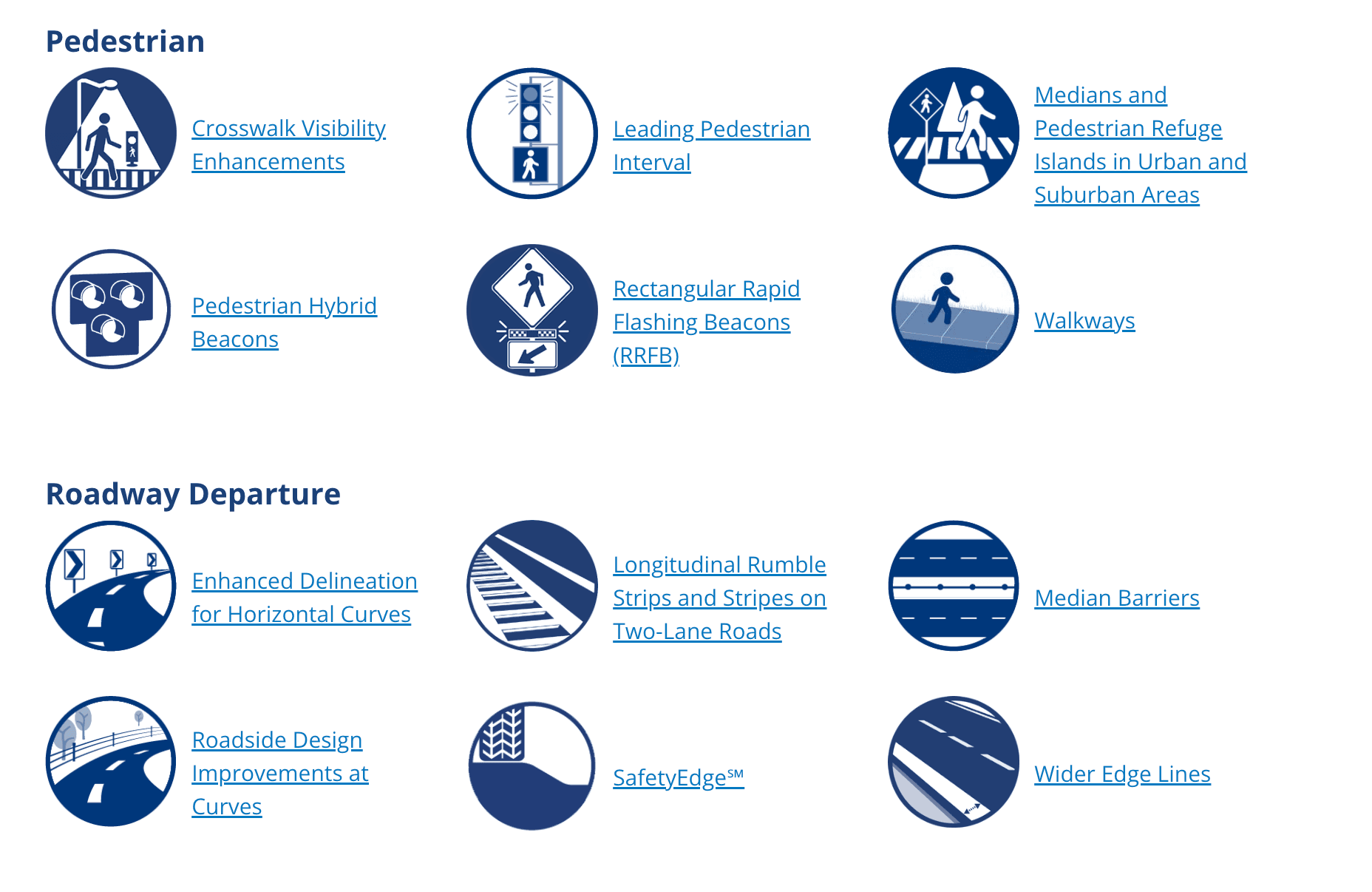
That’s why it was so concerning when the U.S. Department of Transportation recently removed many of these strategies from its list of proven safety countermeasures on its website, including appropriate speed limits for all road users, speed safety cameras, bike lanes, and road diets. That decision casts doubt on street design changes that have been tested repeatedly across a variety of conditions, have consistently demonstrated their impact, and have withstood years of questioning and review by practitioners. USDOT’s decision has emboldened people who argue that we should simply keep investing in the deadly status quo. We don’t need more safety campaigns with catchy slogans or more research into questions we’ve already answered. In transportation, the U.S. has a long tradition of doing what it knows instead of what works.
USDOT’s recent actions will make it more difficult for communities and practitioners to implement strategies we already know save lives. Removing strategies from the Proven Safety Countermeasures list means it will be harder to justify and secure funding for street safety improvements. And even if communities are able to piece together the funding, they have also lost a trusted source of federal guidance on how to design and implement them. The damage extends beyond the safety countermeasures struck from USDOT’s website. The decision to politicize road safety will have a negative impact, even on the less “woke” traffic safety strategies. The reality is, if we invested in more of the strategies we know work, every other intervention would be more effective.
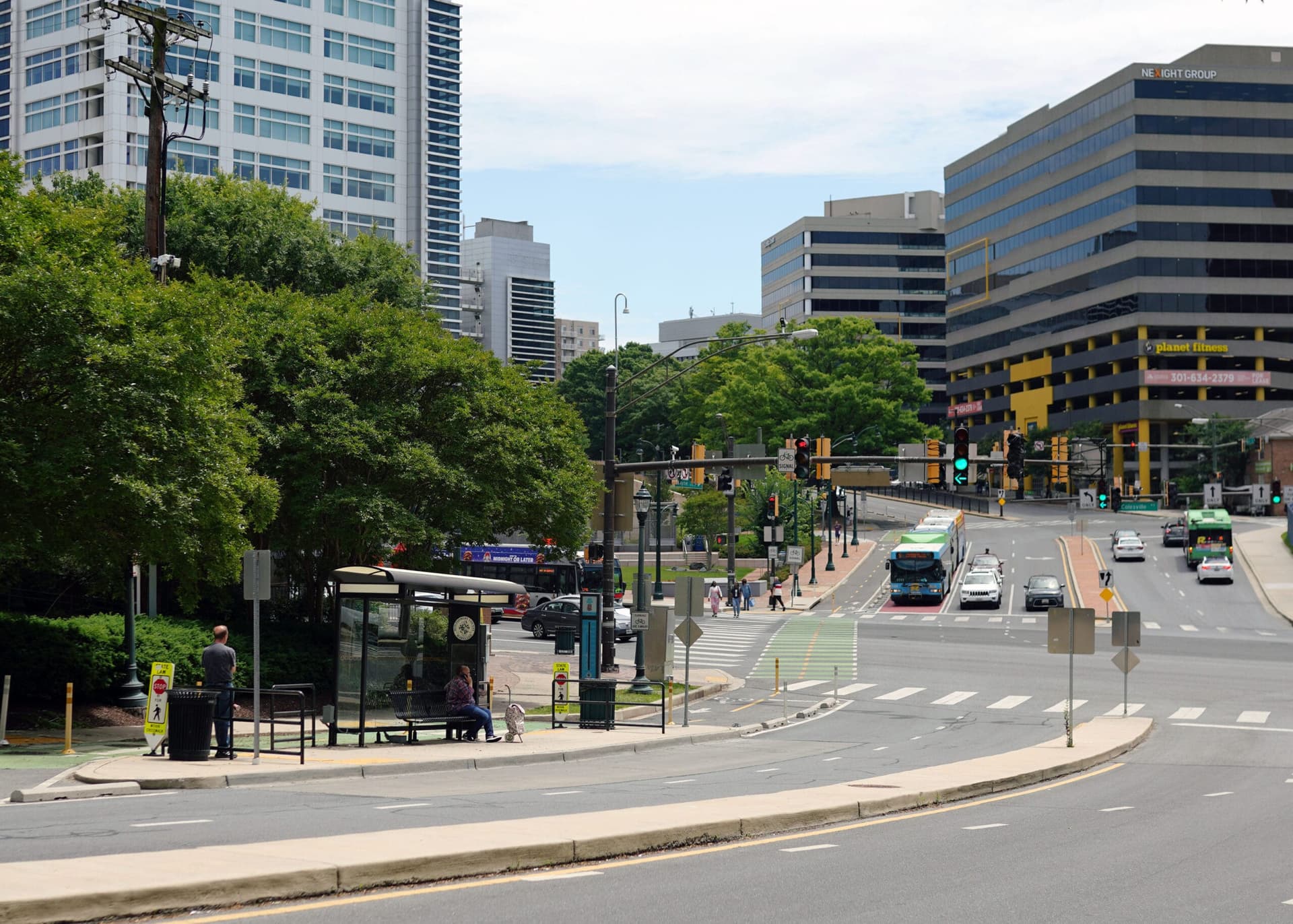
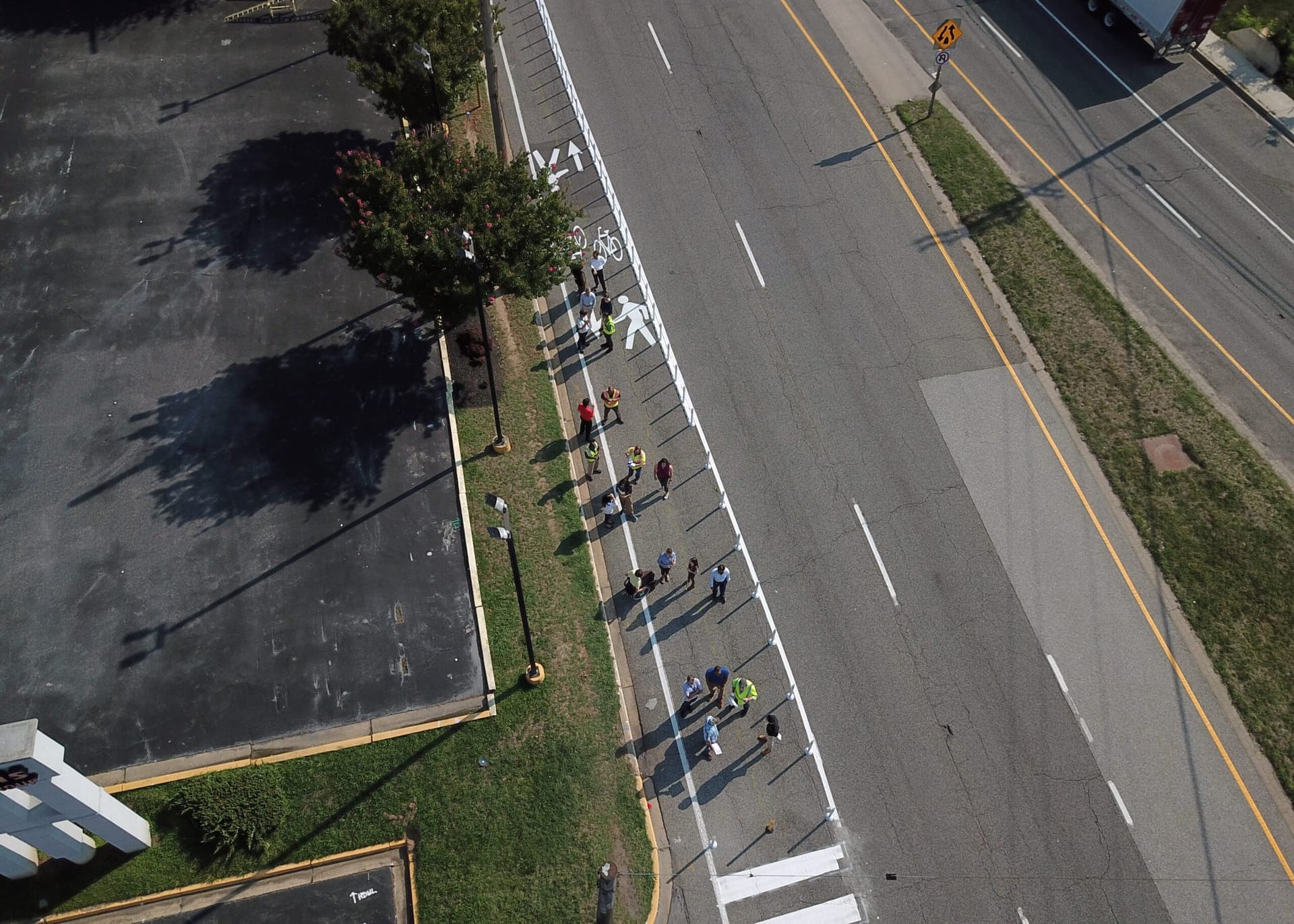
Speeding is often cited as one of the main contributing factors to roadway fatalities. People point to reckless driving at high speeds, drivers losing control, or drivers traveling too fast to stop in time to avoid catastrophe. But speeding is a symptom of the roads we design. We can design roads that make it physically difficult to reach a speed where drivers are a danger to themselves and to others. This means narrower lanes, frequent well-marked crossings that force drivers to slow or stop, and visual cues that keep drivers focused on the people and activity around them. When we design roads that encourage appropriate speeds, we make the dangerous behavior others want to prevent more difficult in the first place.
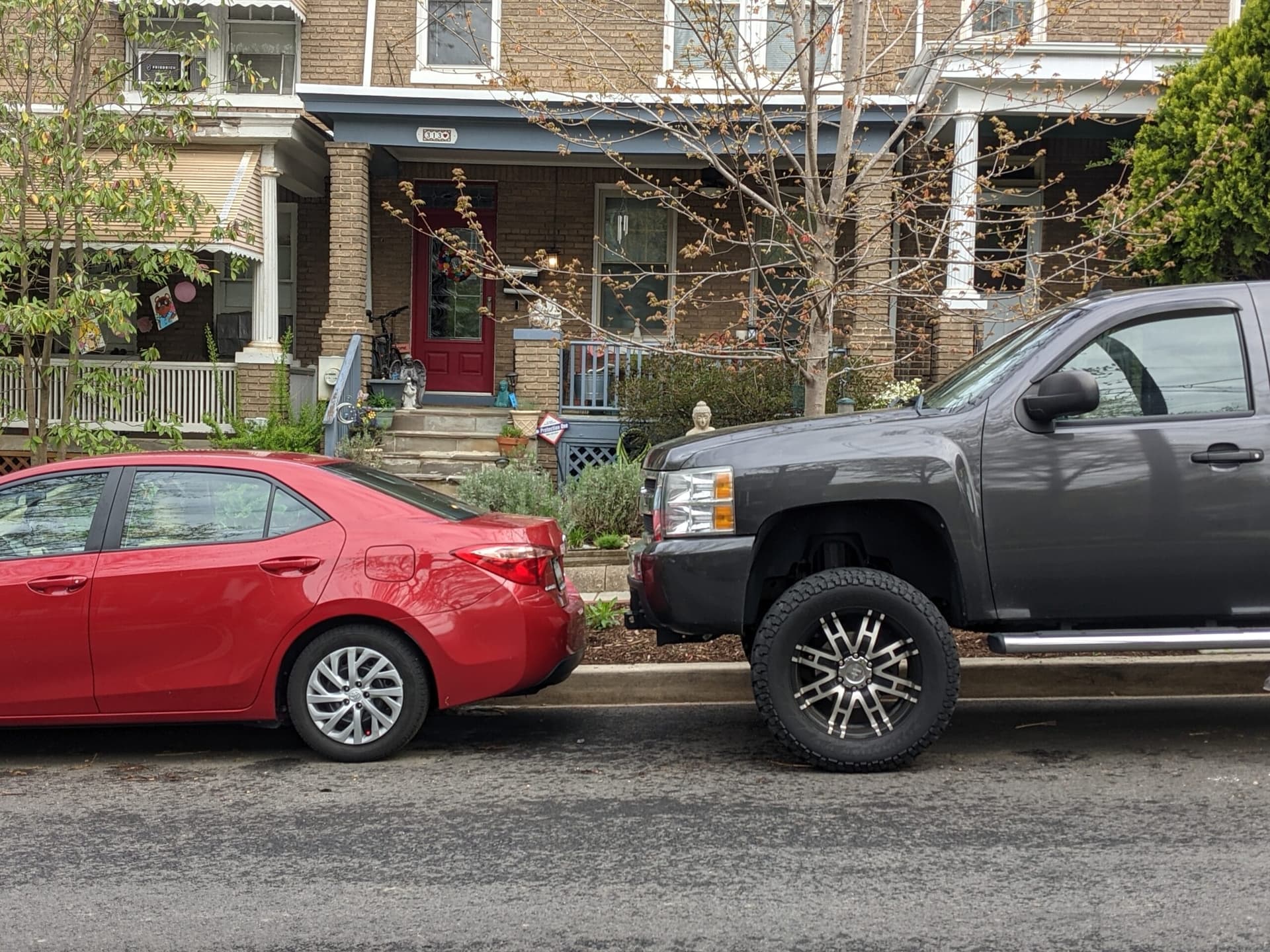
No one can ignore the role that bigger and heavier vehicles play in creating unsafe conditions for people walking and biking. Their size, shape, and weight reduce visibility and cause more damage during a crash. Smart Growth America agrees that this is a serious problem, and we’re grateful to the smart and dedicated partners raising this issue. But recent reporting suggests that the growth in oversized vehicles only accounts for about 10 percent of the rise in pedestrian fatalities. Even if that is true, it still leaves the vast majority of the problem unexplained. Street design changes like narrowing lanes, adding curb extensions that prevent collisions, incorporating leading pedestrian intervals that improve visibility, and reducing vehicle speeds help to address the remaining risk and reduce the severity of crashes when they do occur.
Roadway safety requires accountability, and drivers undeniably bear much of the responsibility. Individual behaviors like drinking, distraction, or general recklessness are rightfully called out as issues that need to be addressed to have a transportation system that gets everyone home safely at the end of the day. But street design has a role to play in addressing these issues, too. Safe road design encourages drivers to pay attention to their surroundings. What’s more, it provides protection in the form of dedicated space, physical barriers, and clear zones to help ensure that inevitable mistakes do not have deadly consequences. A safe transportation system recognizes that people will make mistakes. As other countries have demonstrated, we cannot design recklessness out of people, but we can design the danger it poses out of our roadways.
It’s convenient to blame a single cause of traffic crashes. Doing so lets us believe there’s a new technology, a silver bullet, or some undiscovered insight into human behavior that will finally fix the problem. The less convenient truth is that the way we have designed our communities lies at the heart of why our transportation system fails so many people each year. That truth becomes even more inconvenient when it challenges the outdated transportation philosophy that today’s USDOT seems to be embracing. We already know what it takes to make our streets safer. The question is whether we're willing to do it.
Related News







Livable places. Healthy people. Shared prosperity.


© 2026 Smart Growth America. All rights reserved
Site By3Lane Marketing
