





News
By Beth Osborne, July 30, 2026
We need millions of new homes to address the housing crisis. But being a YIMBY means fighting to build them where people want to live, not just pushing new housing to the fringes where existing homeowners won’t have to make room for new neighbors.
I am an avowed YIMBY. What does it mean to be YIMBY—”yes in my backyard”? It means you want to see more housing and development inside your neighborhood, in your “backyard.”
Fortunately, there are some wonderful organizations pushing for more housing. Groups like YIMBY Action and the Welcoming Neighbors Network. And the need is huge. The national housing shortage now tops 4 million homes, according to Realtor.com’s latest estimate. For the lowest-income renters, it’s even starker: the National Low Income Housing Coalition’s 2026 Gap report found a shortage of 7.2 million affordable and available rental homes for extremely low-income households. This is not a niche problem. It touches nearly every community in the country.
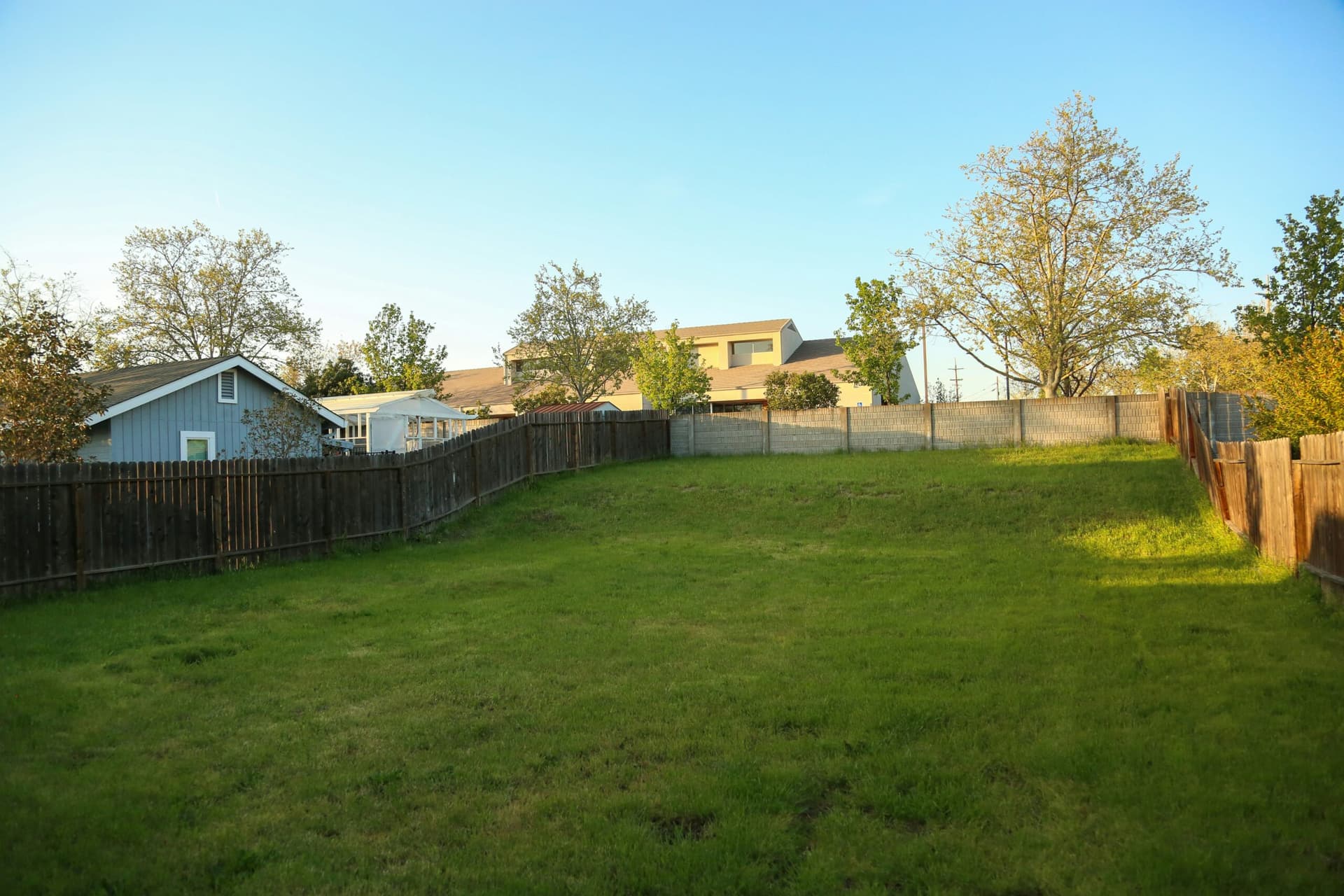
But the housing affordability crisis leads some who call themselves YIMBYs to fight to build housing anywhere—even far from existing communities. The easiest place to build new housing is where there are no neighbors to disturb, no backyards to interfere with. That’s the problem. It’s easy to plop a new community down on the fringes without reckoning with the fact that this isn’t where the demand is highest, or that building entirely new infrastructure and public services is enormously expensive, or that new residents will be saddled with higher transportation costs. And best of all, it doesn’t impact any existing property owner—a very NIMBY approach.
It is much more challenging to stand in the communities where housing costs the most and fight for the additional housing that’s so desperately needed, even though that is exactly what YIMBY means. Pushing people out to new, far-off developments—where they won’t disturb the people who got into existing neighborhoods early—is the easy path, not the right one. And once that new community is built, it often adopts its own restrictive zoning, making the problem worse down the line. This is how we got into this mess in the first place.
Almost every community in the country has inherited government restrictions and regulations created in the 1920s by the U.S. Department of Commerce under Herbert Hoover. Those rules—now embedded in city and town zoning codes—were meant to address real health problems: polluting industries sited too close to housing, a legacy of early industrialization. We’re still applying those regulations today as if nothing has changed in the last hundred years, as if we face no new challenges, when in fact everything has changed. We’ve been mindlessly blocking the free market from responding to a clear price signal: more people want to live in great, existing communities.
If you’re truly a YIMBY, you’re not only willing but excited to stand and fight to remove the government regulations that keep us from welcoming new homes and families into our neighborhoods. The YIMBY approach makes housing more affordable by building it where prices are highest and demand is greatest. You simply can’t call yourself a true YIMBY if most of what you are fighting for is housing in nobody’s backyard.
Related News




Livable places. Healthy people. Shared prosperity.


© 2026 Smart Growth America. All rights reserved
Site By3Lane Marketing
