






News
By Toccarra Nicole Thomas, Jeri Mintzer, December 19, 2025
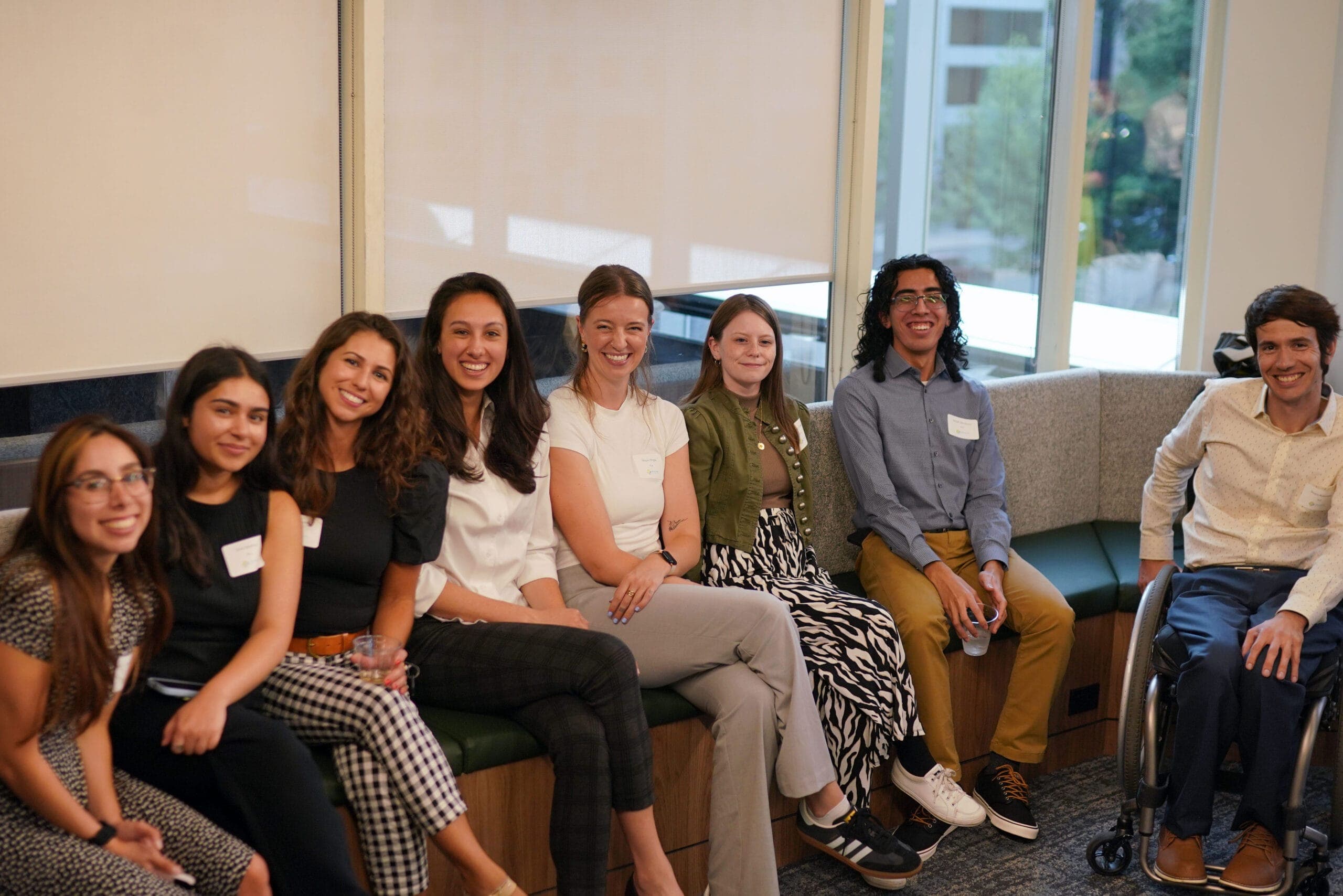
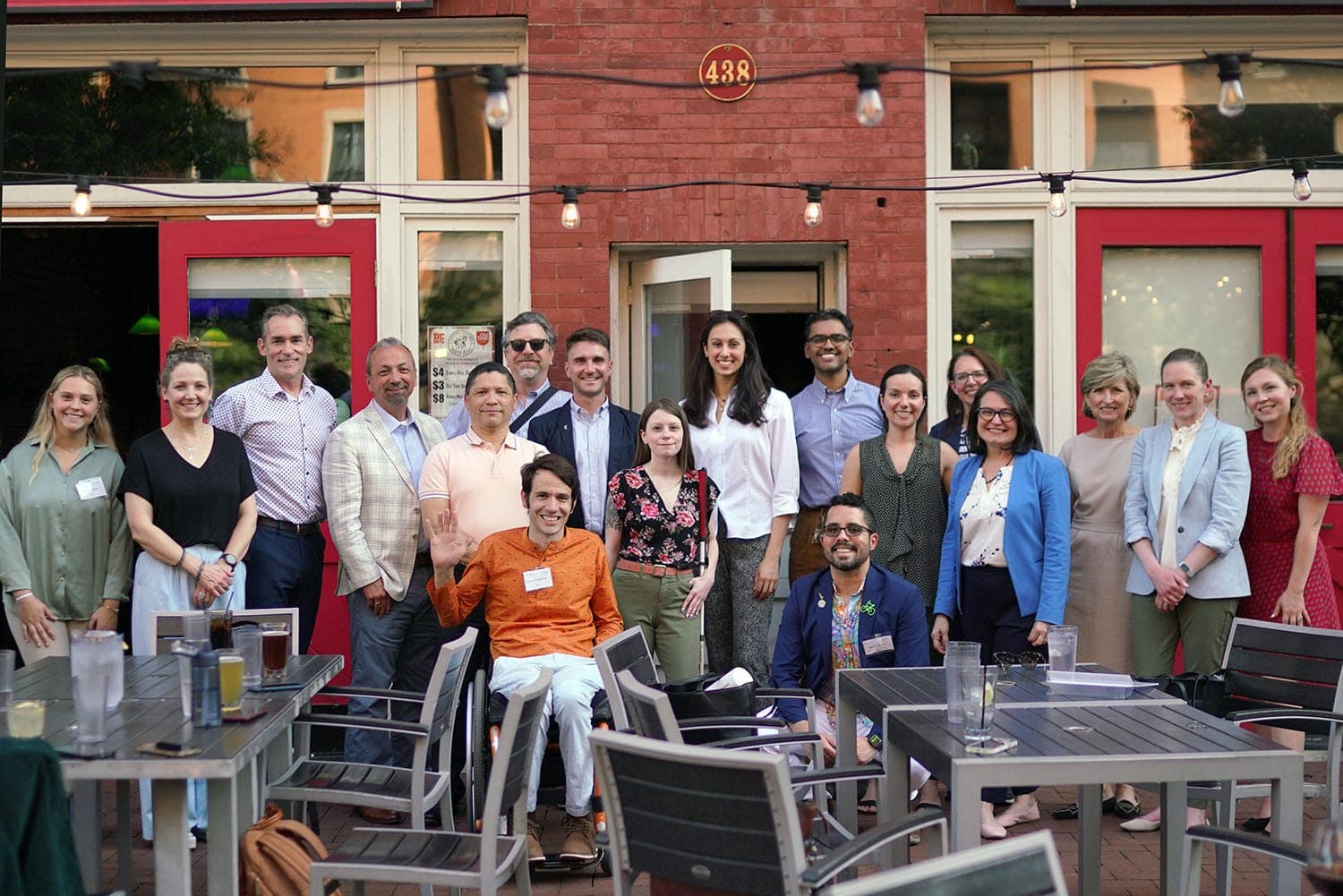
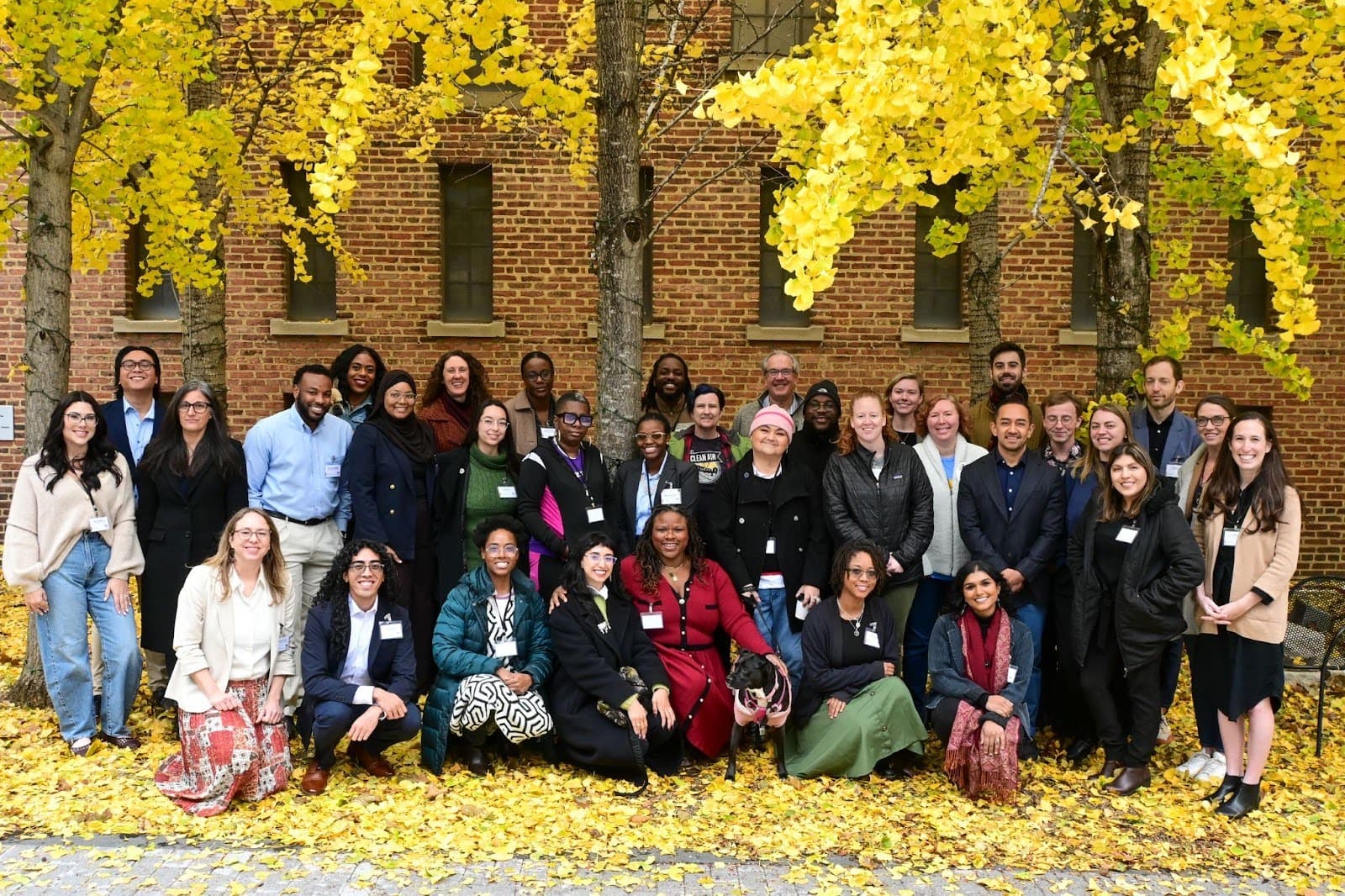
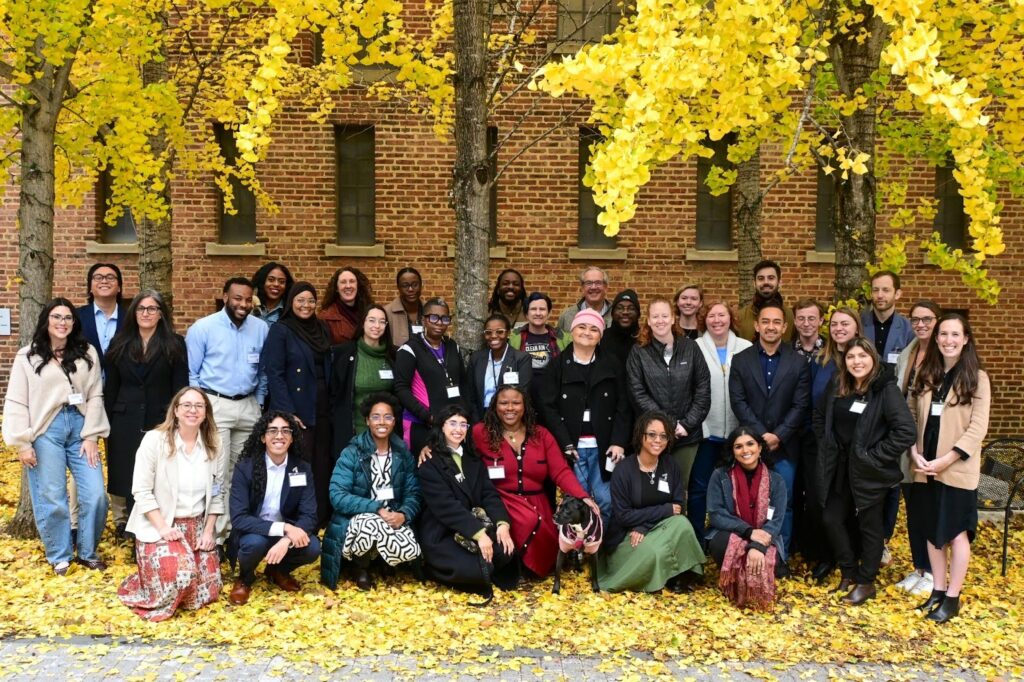
On November 19 & 20, 16 community-based organizations (CBOs) gathered in Baltimore, MD for a convening as part of our Center for Zoning Solutions’ Zoning for Equitable Solutions and Thriving Communities (ZEST) technical assistance program. Supported by the Robert Wood Johnson Foundation, ZEST marks a pivotal step in our work to dismantle the structural inequities embedded in land-use policy. A key goal of the convening was for this national network of community-based organizations to begin applying their learnings, build networks, foster collaboration, and turbocharge collective action.
Across the nation, communities are grappling with rising housing costs, dangerous roads, and climate impacts. At the heart of all of these issues is inequitable zoning. The ZEST program aims to shed light on how different communities struggle with the same challenges: Restrictive zoning codes that have long dictated who gets to live where, who has access to healthy food, who has access to safe and affordable housing, and even a person’s life expectancy. This is especially true for vulnerable groups like children, older adults, and communities of color. Because zoning codes are implemented at the local level, community-based organizations are well-positioned to drive meaningful changes that can benefit their communities now. This cohort brings a wide range of perspectives and motivations, reflecting the reality that this crisis can be addressed through various approaches to local zoning reform.
The event at a glance
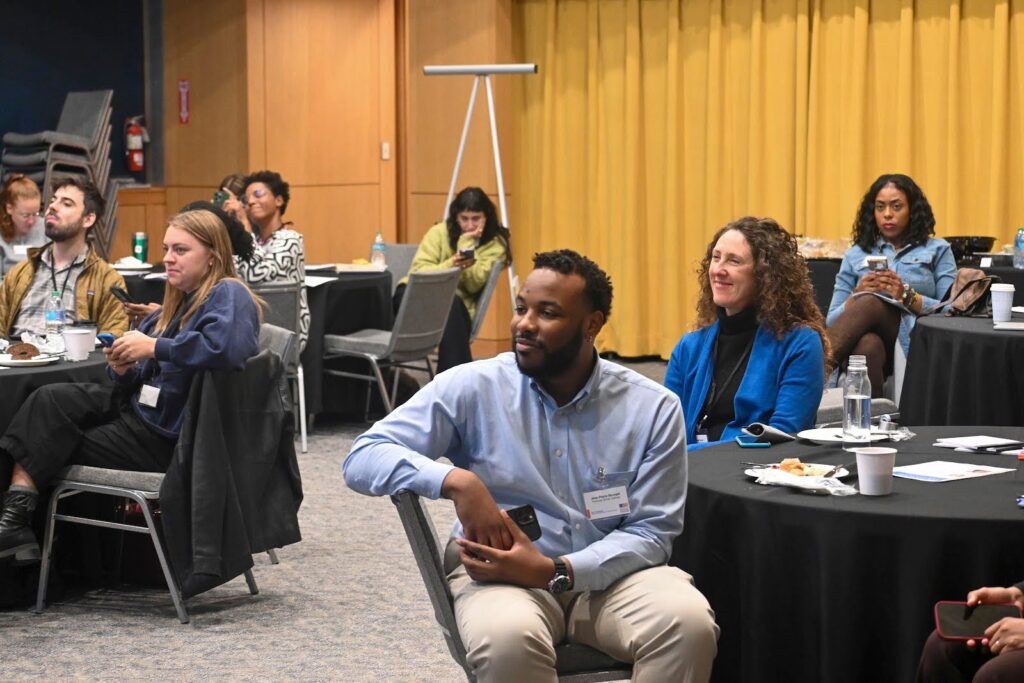
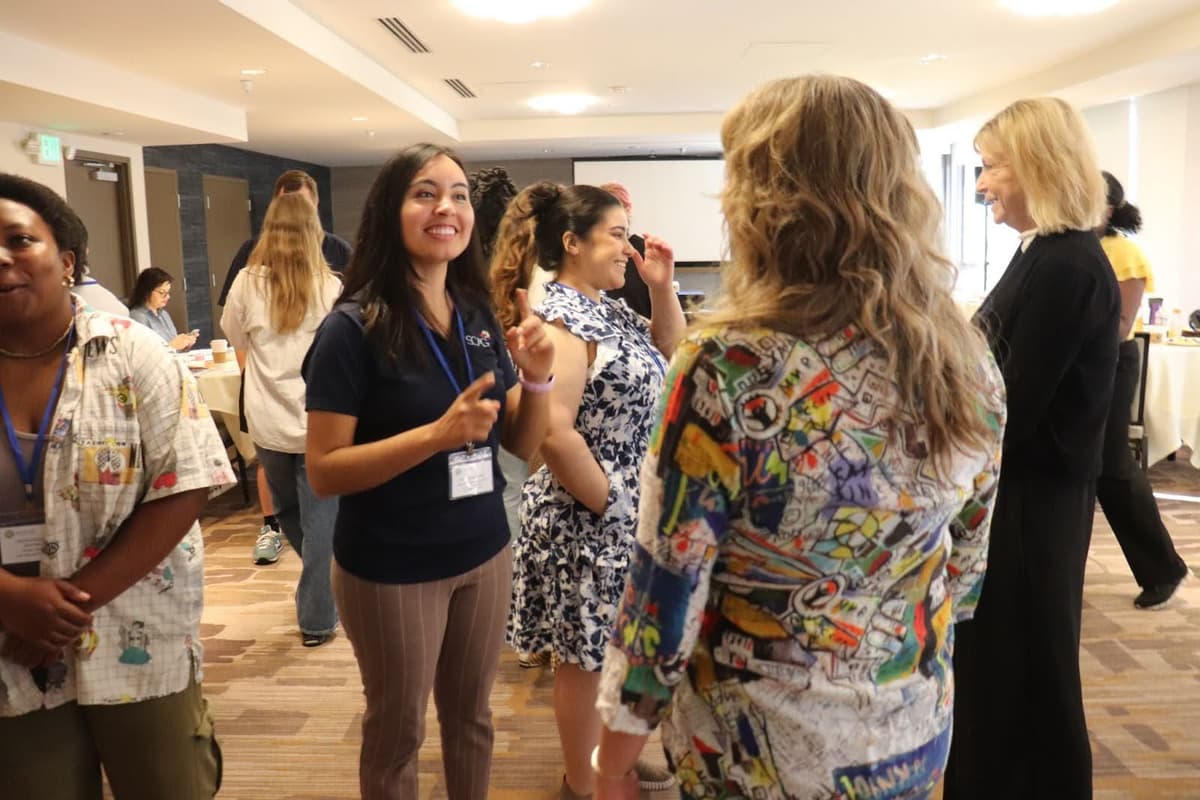
The convening brought together public health practitioners, artists, advocates, and community-based organizations to explore how zoning reform can advance health equity—grounded in lived experience, community storytelling, and local context. Over two days, participants engaged in panels, facilitated discussions, hands-on workshops, interactive games, and a keynote fireside chat to examine how zoning shapes daily life and how arts and culture can strengthen advocacy for more inclusive zoning policies.
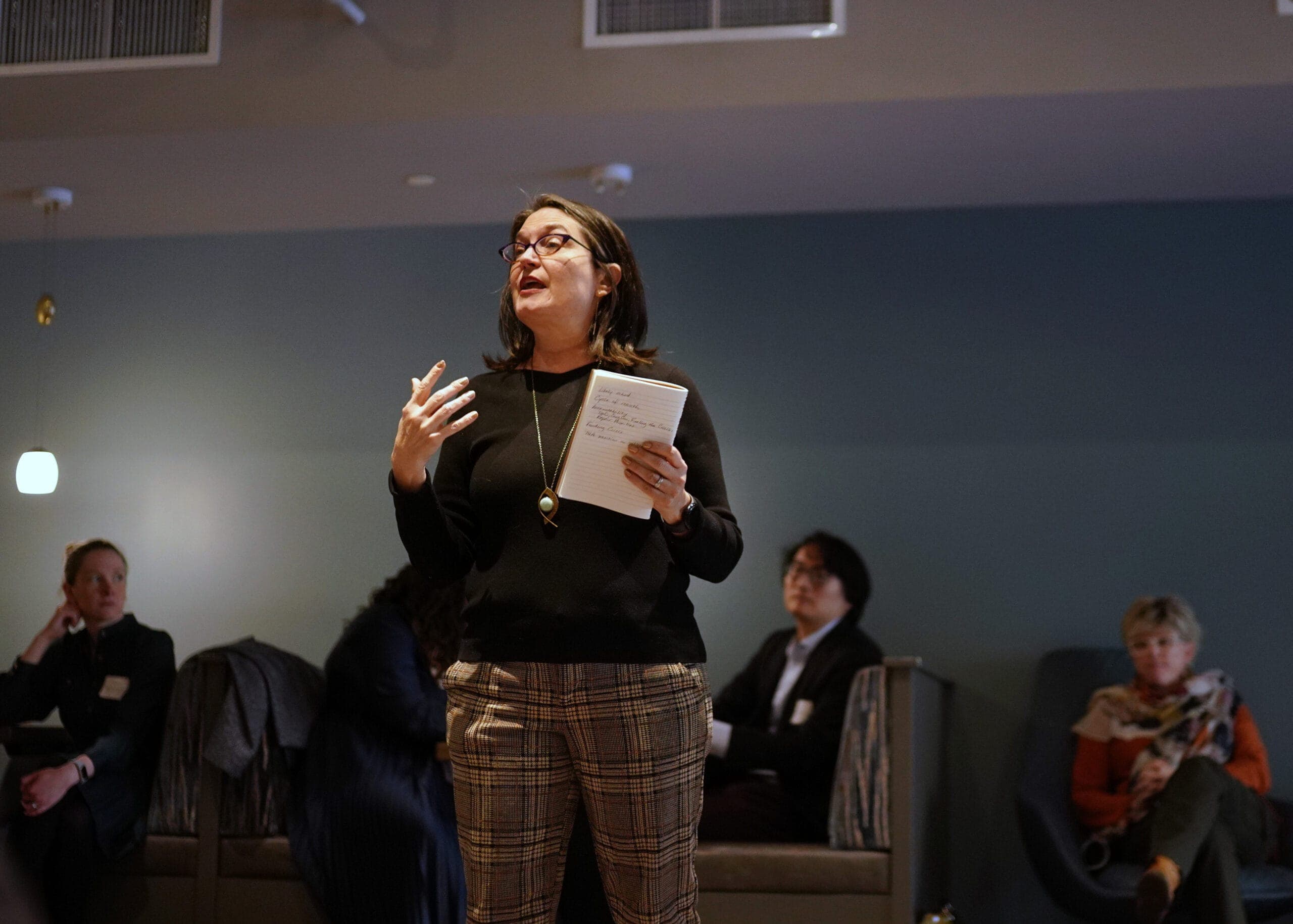
Key sessions illustrated this intersection of health, zoning, and community power. In a keynote fireside chat, Dr. Lisa A. Cooper, Founder and Executive Director of the Johns Hopkins Center for Health Equity, emphasized that health equity efforts must begin with lived experience and community wisdom. Aisha Nailah White, Founder and Director of RUMA Collective, led a facilitated experiential learning session on building community power, showing how zoning and urban design can either reinforce exclusion through hostile architecture or create public spaces that welcome community use. Participants also took part in a “Clue”-inspired gameshop designed by Purpose-Driven Games, where teams investigated the physical harms caused by zoning and developed local zoning reforms to address them.
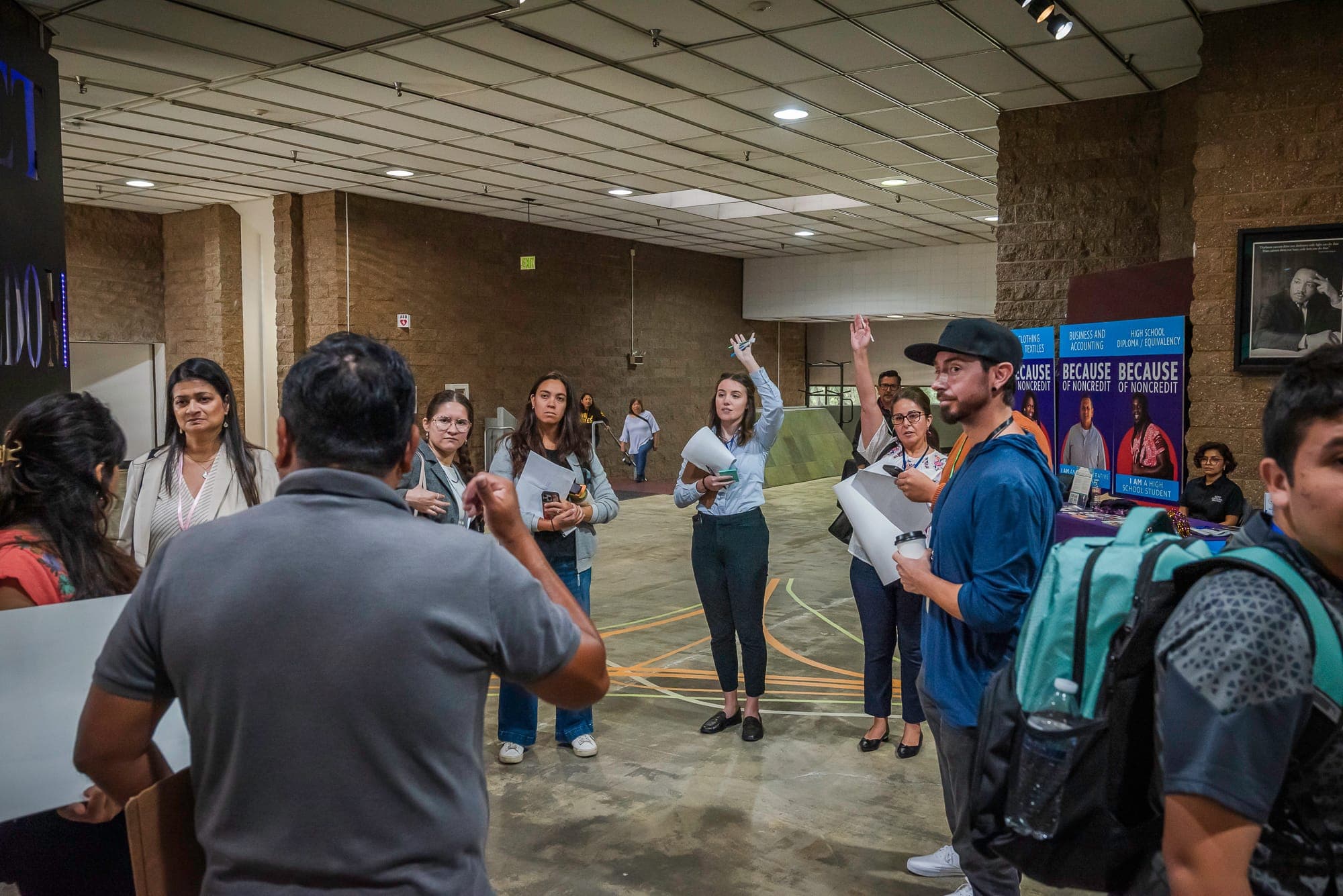
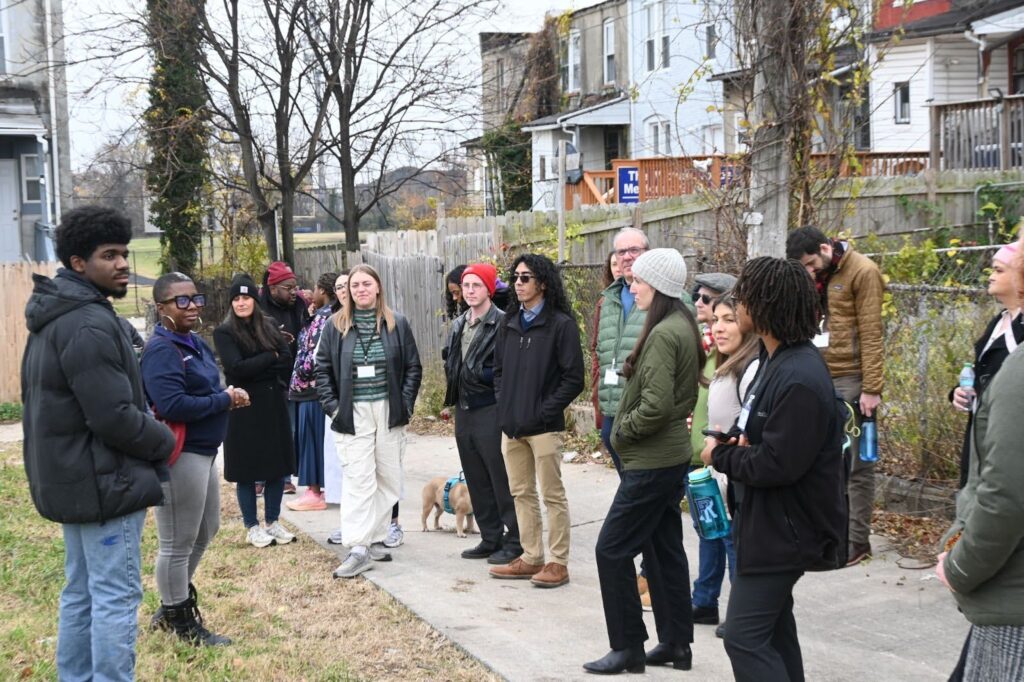
The convening also included a site visit to Requity Foundation (a ZEST Cohort member) in West Baltimore, where attendees toured project sites and learned how Requity connects vocational education, workforce pathways, and community reinvestment through the rehabilitation of local homes.
Key takeaways from the convening
Across all sessions, a shared theme emerged: advancing health equity through zoning requires centering community expertise, practicing deep listening, and designing policies that reflect the realities of daily life at the neighborhood level.
Convening participants walked away with actionable insights, including:
- Local action matters now more than ever. Change in today’s world often begins with neighborhoods, local governments, and grassroots coalitions that understand the day-to-day realities driving inequities.
- Strong coalitions mean stronger advocacy. Whether confronting food access barriers or inequitable housing conditions, partnerships and coalitions (across sectors, neighborhoods, and lived experiences) create the momentum needed for systems change.
- Effective advocacy requires clear communication. Complex topics like zoning require tailoring messages to different audiences. Creative engagement strategies and tools, such as games and arts-based organizing, can make technical topics such as land use more accessible.
- Community knowledge must lead the work. The strongest zoning and land use strategies are rooted in the voices, histories, and visions of the people most impacted.
- Creativity, storytelling, and documentation drive momentum. We must record what is working, share successes widely, and use multiple formats to do so.
What this means for smart growth
This convening reinforced the correlation between land use and zoning decisions and health outcomes, and the importance of partnerships to reach our goals of improving the well-being for everyone in a community. The challenges discussed during the convening won’t be solved overnight—but conversations like these help move the work forward. Building on what we heard, SGA will continue convening people, developing a nationally replicable Smart Growth is Health Equity strategy, and advocating for zoning reform to improve health outcomes.
Related News






Livable places. Healthy people. Shared prosperity.


© 2026 Smart Growth America. All rights reserved
Site By3Lane Marketing
