




News
By Raveena John, August 17, 2026
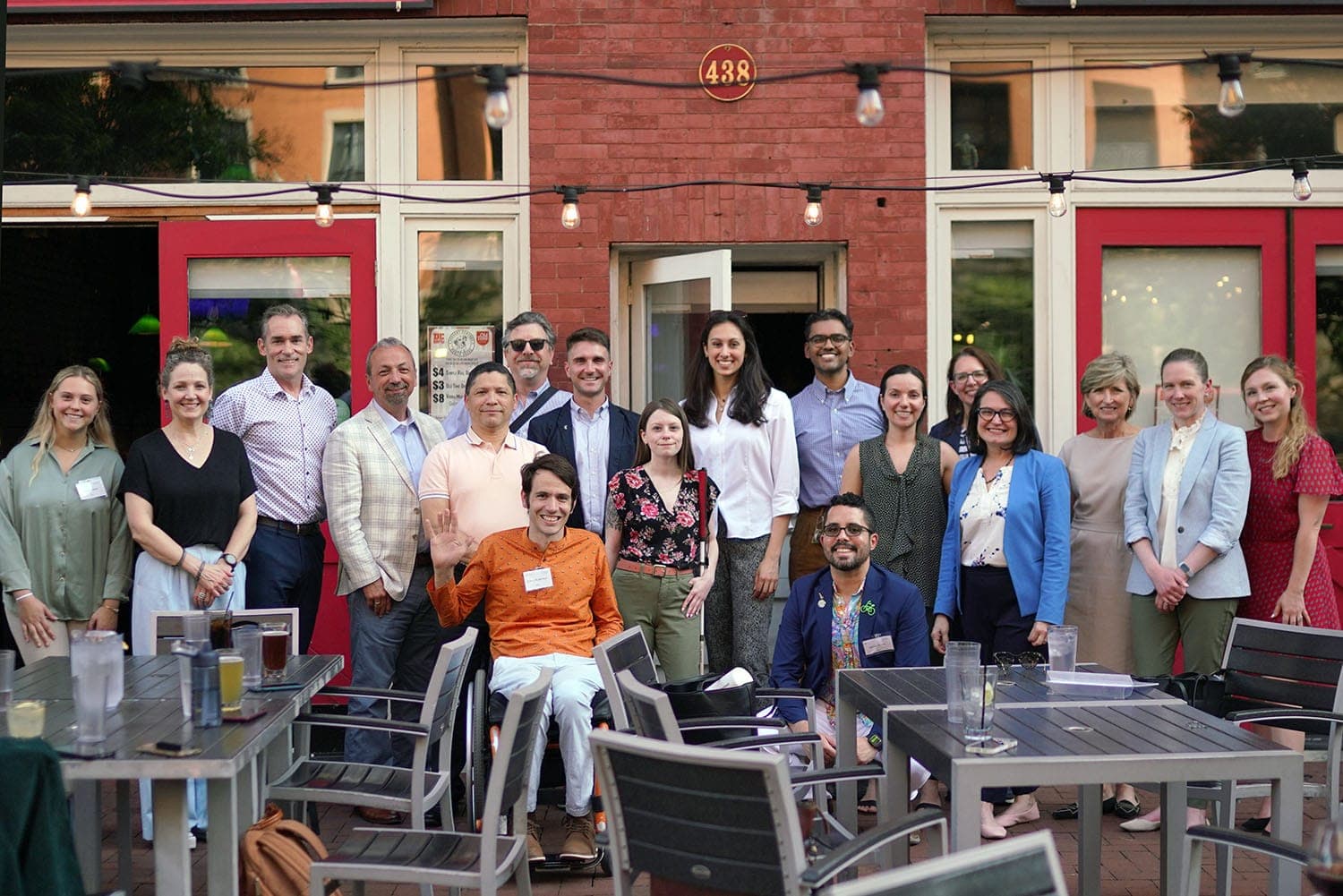
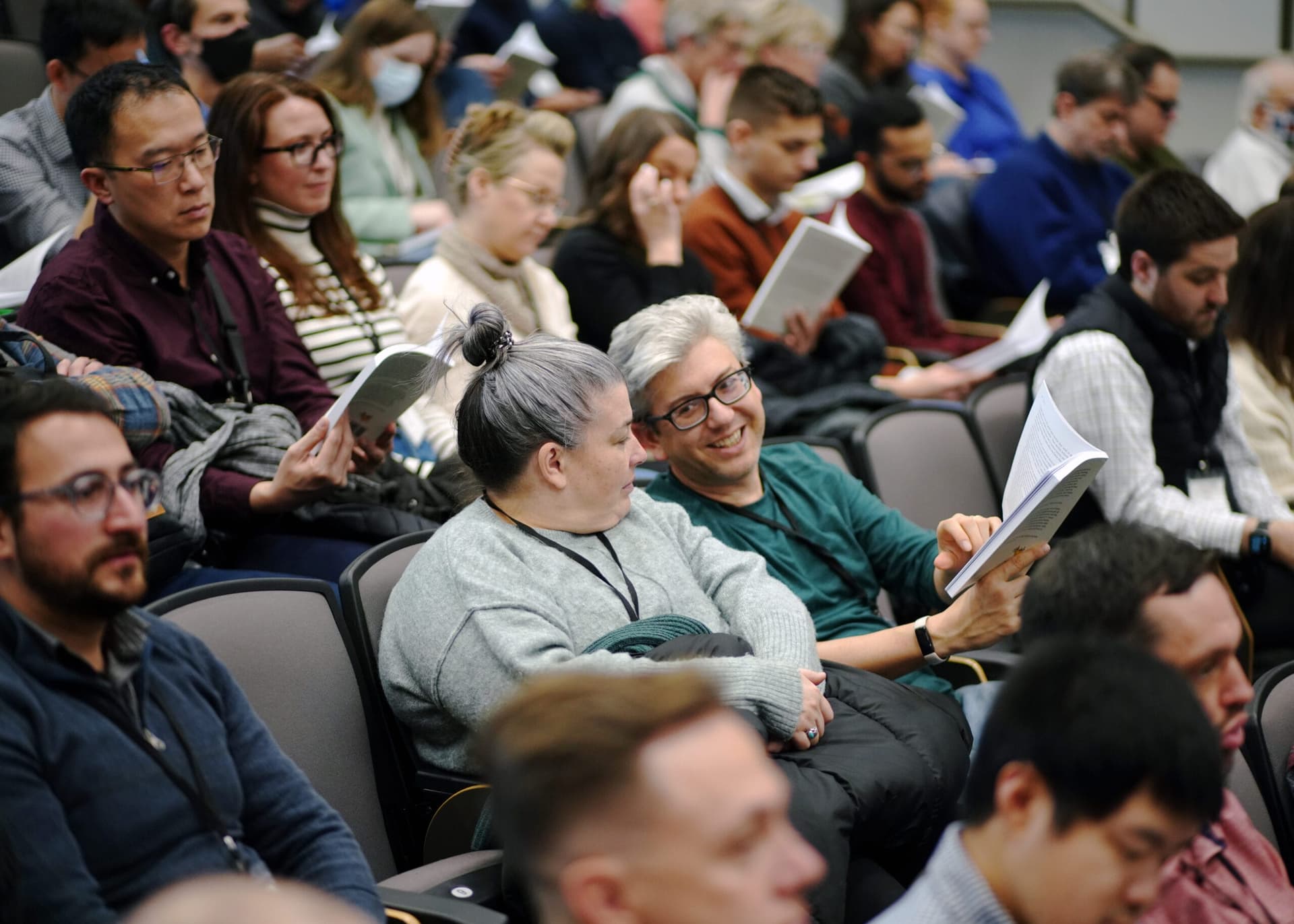
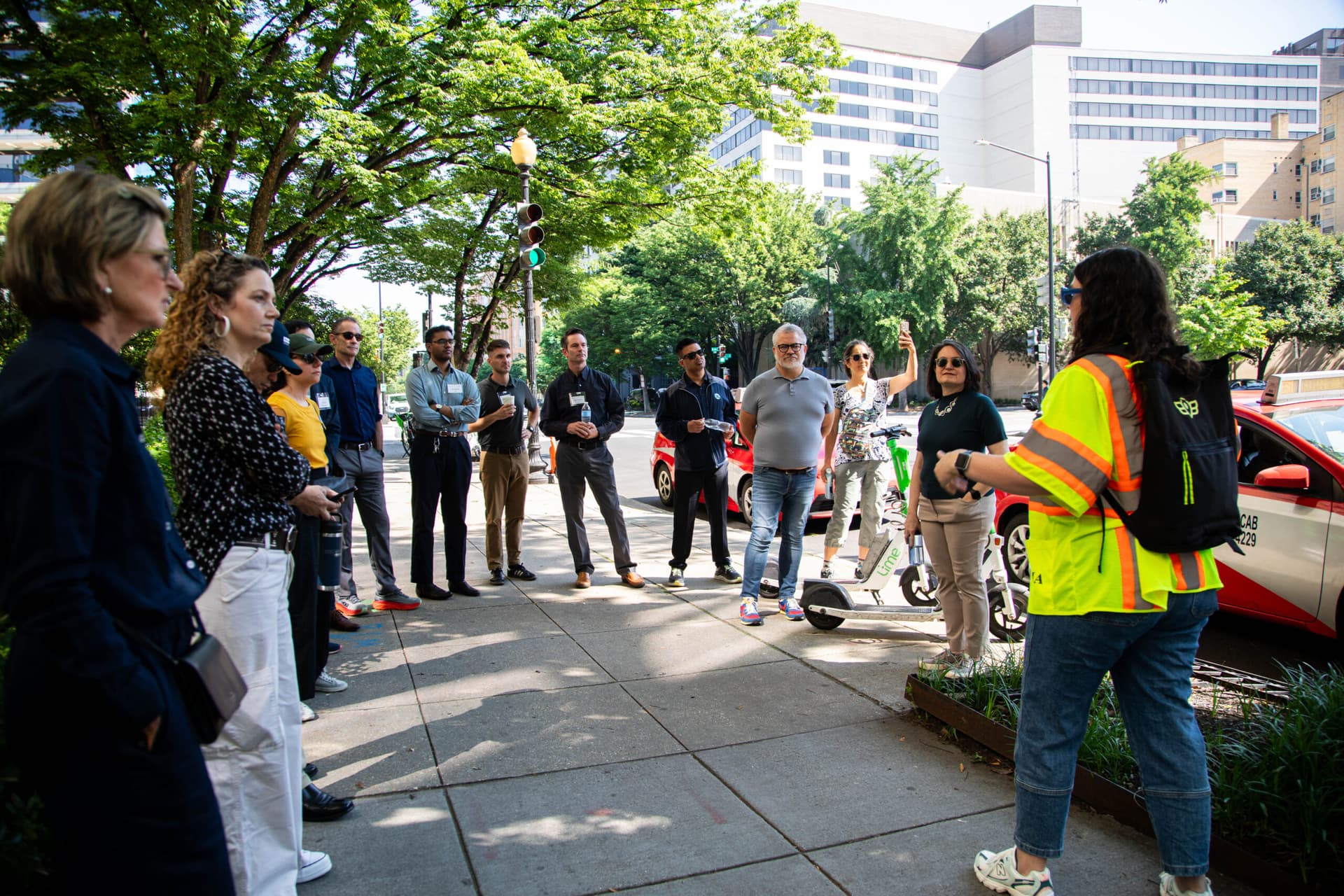
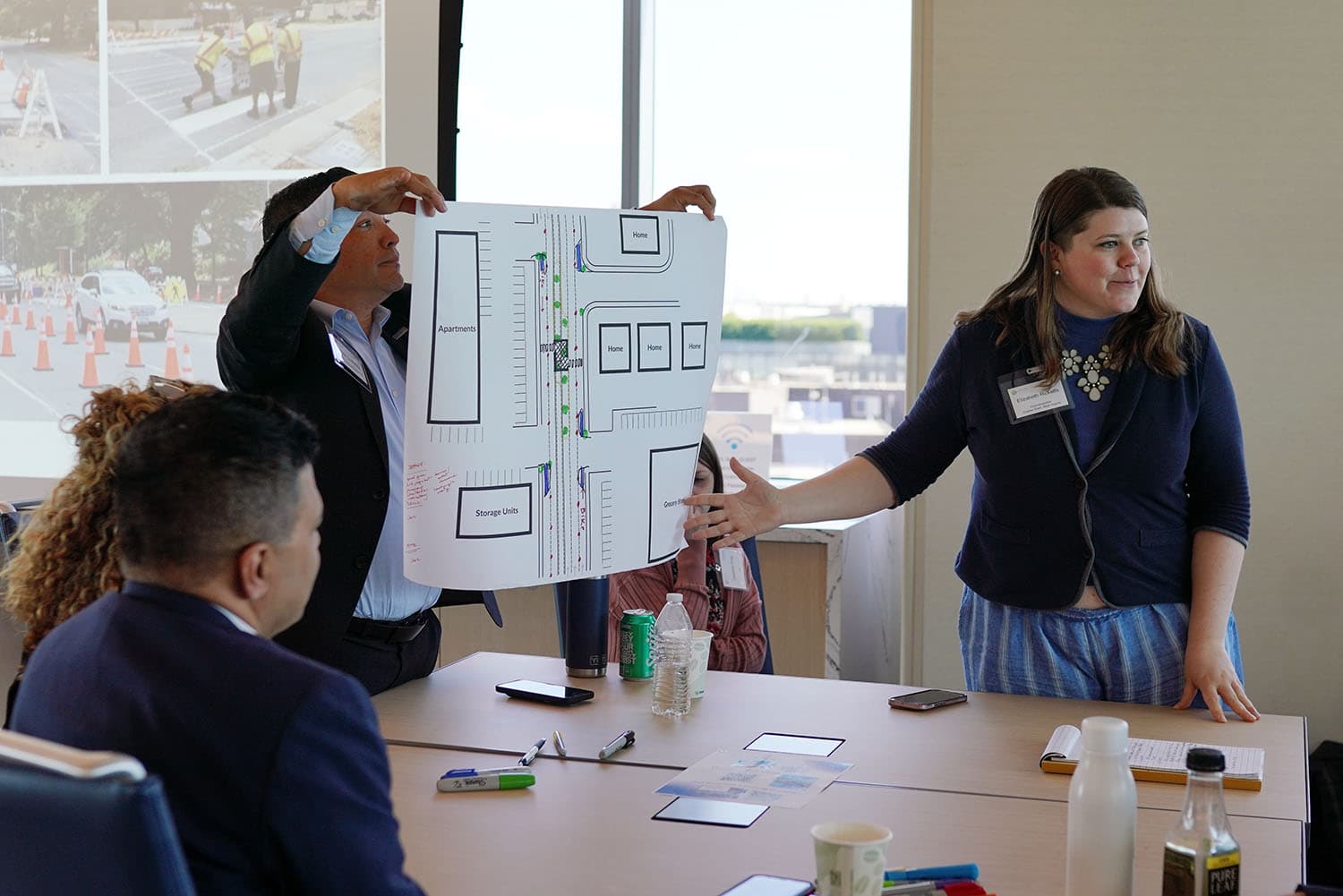
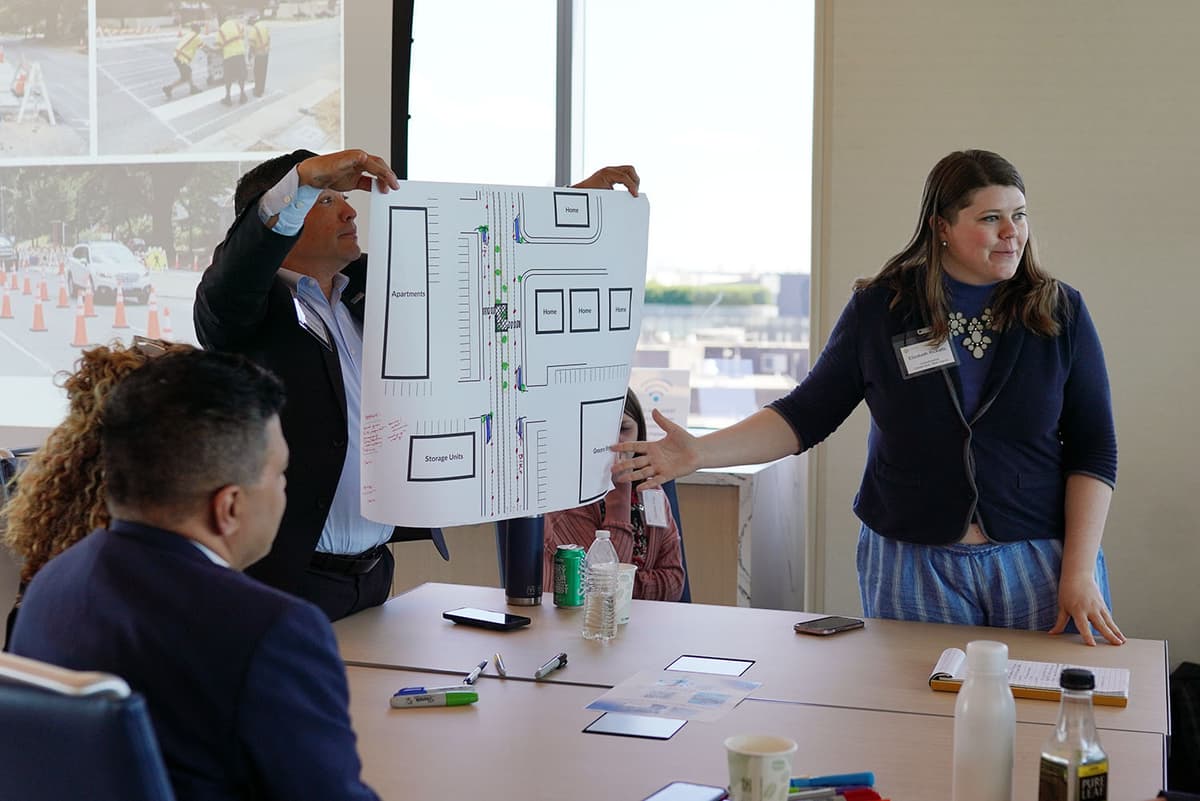
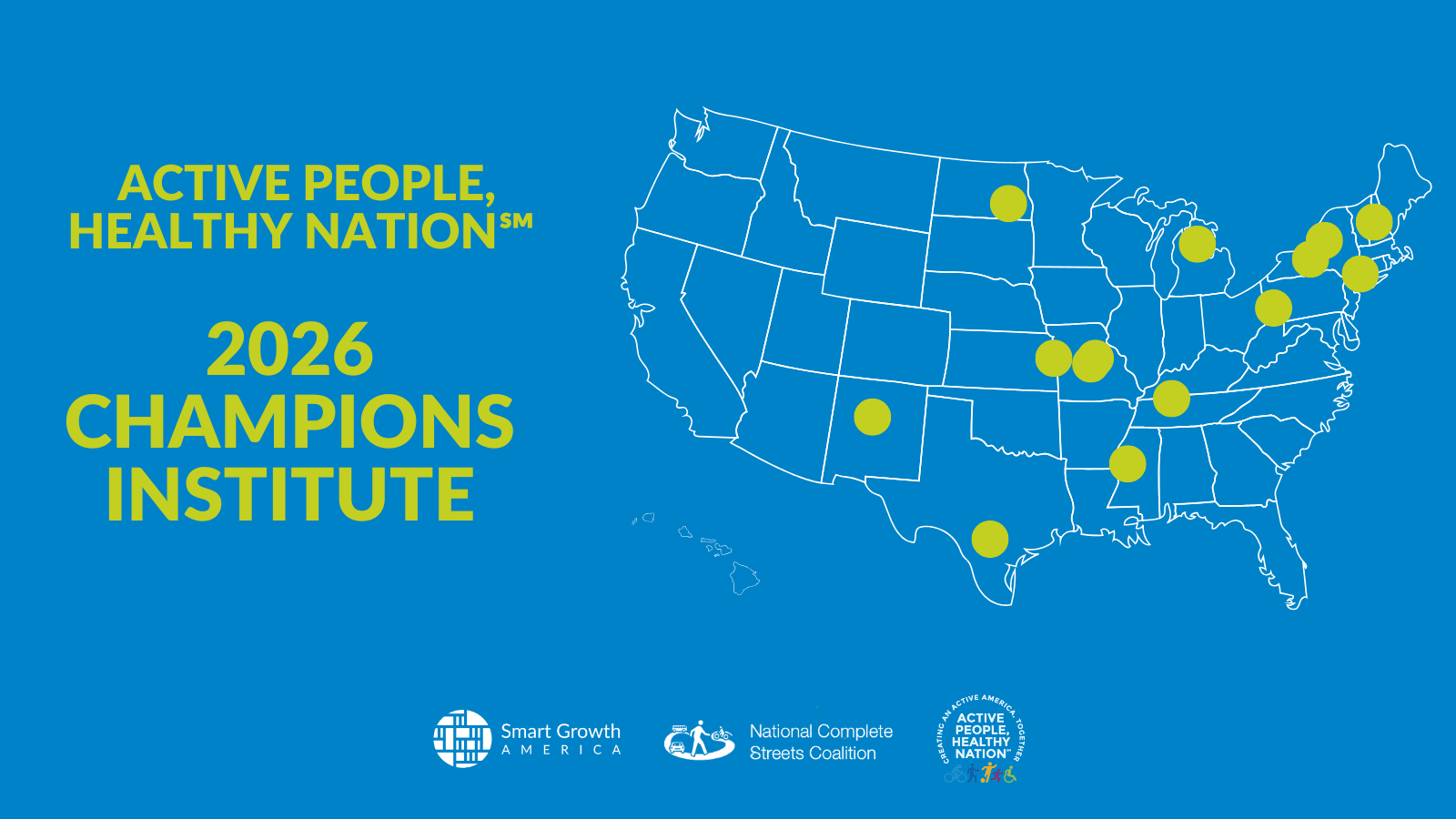
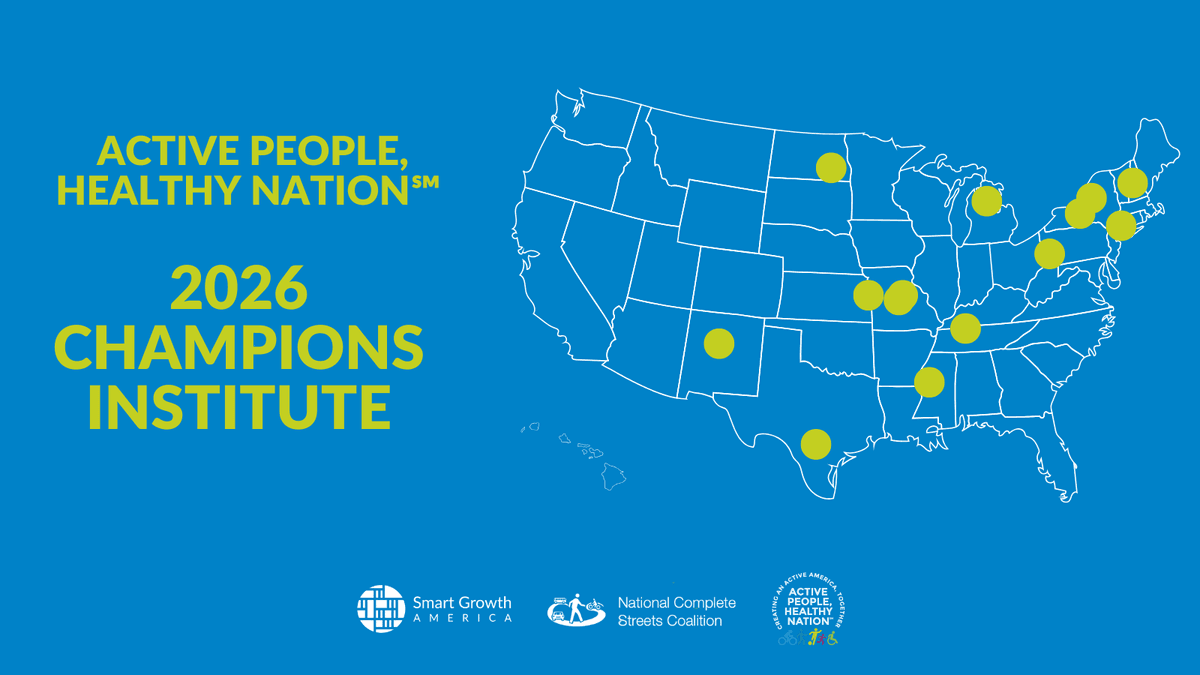
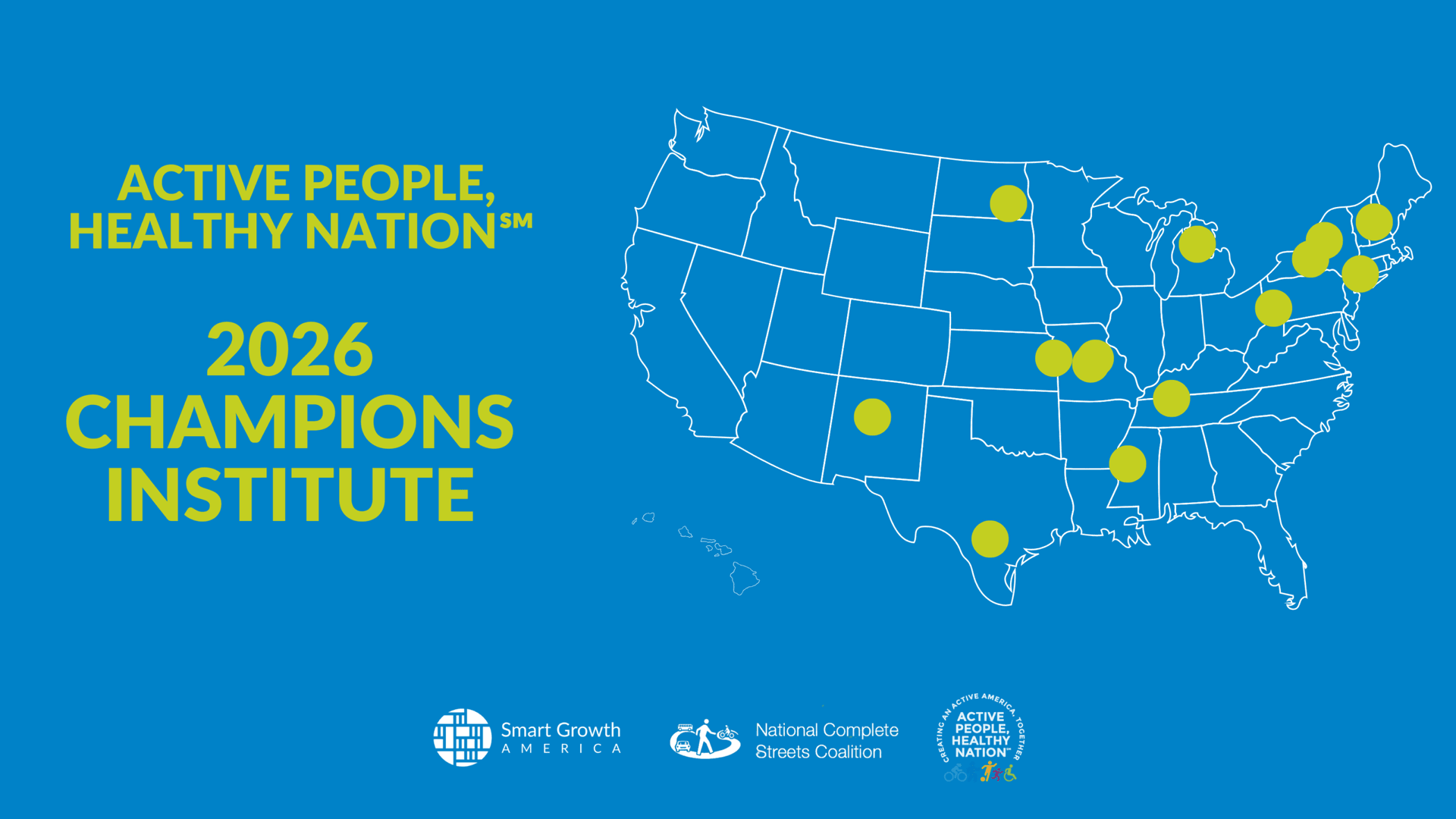
The Champions Institute trains local elected officials on the benefits of Complete Streets and active transportation networks, and how they can support economic revitalization and social connection in their communities. Through this program, participants design a project for their jurisdiction informed by community needs and develop Action Plans to see them through. From Complete Streets policies in Michigan to safe crossings in New Mexico, this year’s participants pursued a wide range of ideas. Across these, a throughline emerged: communities are interested in testing changes through pilot projects.
Elected officials participate in Champions Institute to learn how to identify, plan, and implement a change in their community to support increased physical activity and expanded available modes of transportation. In some cases, Champions had run for office to fix issues like few safe options for children to walk to school or dangerous conditions for people to cross the street. However, making change is not easy, and elected officials and other decisionmakers can encounter different types of barriers. Processes and practices within local governments and bureaucracies can favor the way things already work; implementing an innovative project aimed at supporting all road users may present many challenges for public servants.
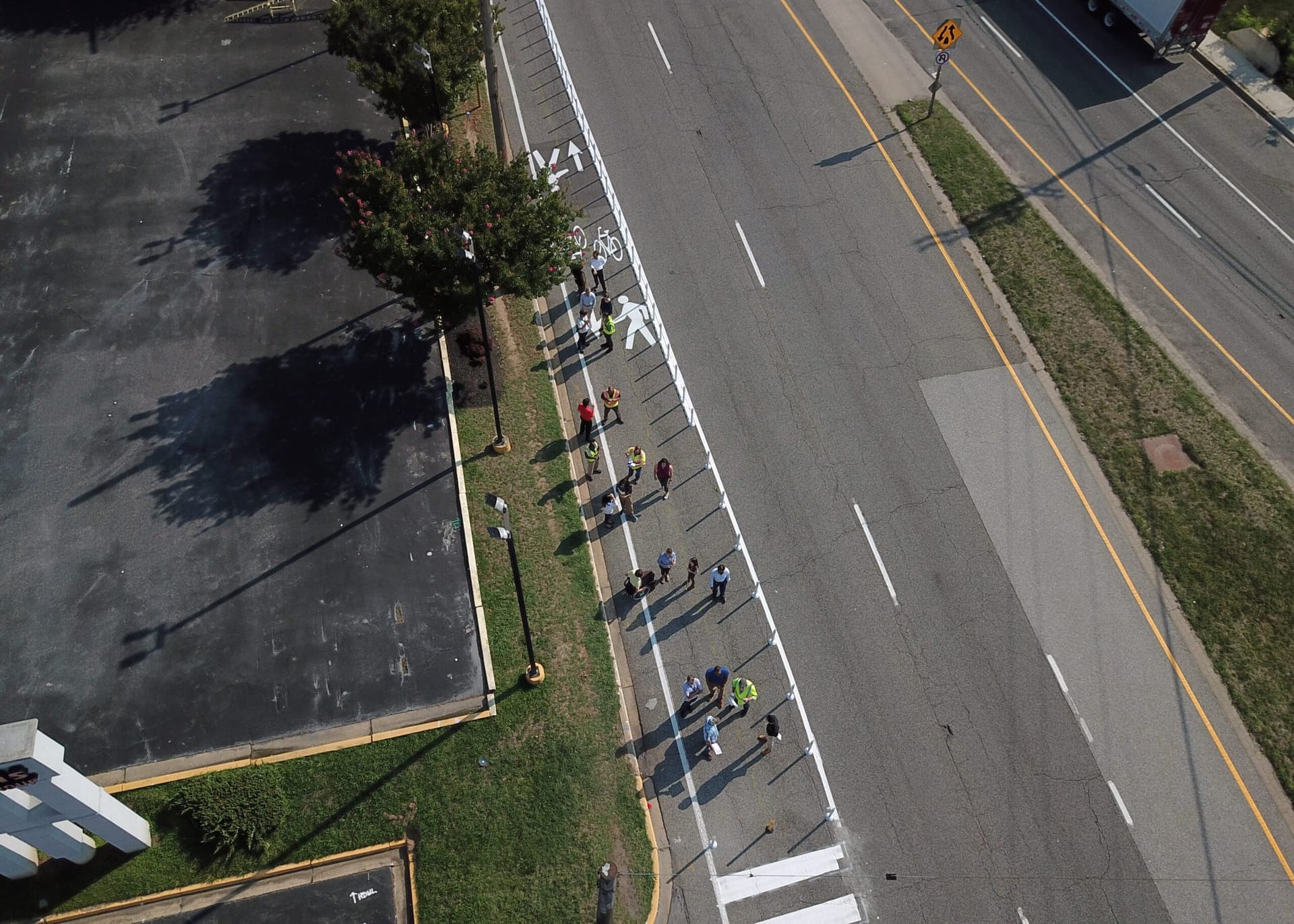
A pilot project, short-term installation, or other temporary measure can expose community members and decisionmakers to something new without enacting a permanent change. Pilot projects’ limited nature allows project teams to address any problems as they arise, gather data and feedback from the community, and build buy-in for a larger version or permanent installation. These benefits played a role in Champions’ decisions to include pilot projects as part of their Action Plans.
Definitions
Pilot: a small-scale, short-term trial of a program, policy, or event, used to identify challenges before a larger implementation.
Quick-build demonstration project: a street design change made of temporary materials, which may be used to inform permanent street redesigns (a type of pilot project).
Columbia, MO
A proposal for a pedestrian street event in Columbia, MO, will test a new event in a relatively calm part of football season at the University of Missouri. Opening some of the downtown streets to pedestrians on game days would make it more comfortable for students, residents, and visitors and would make it easier for first responders to ensure their safety. Since open streets events include logistics like overtime pay, trash collection, and signage, Columbia plans to test their pedestrian streets at a smaller home game late in the season. Choosing a moment with fewer expected visitors lowers the stakes for everyone working on the project and creates room for more supporters to get on board, building momentum for an open street at a future homecoming.
Hanover, NH
Hanover, NH, is planning to build support for permanent changes through a quick-build demonstration project. The town has strong social and economic connections to nearby West Lebanon, but there is no safe way to walk or bike between the two communities. A recent study for the proposed West Lebanon and Hanover Greenway (WaHG) trail identified a potential route for a multi-use path. The study included surveys and public engagement initiatives to gauge community interest, which helped attract attention and support for the trail. Now, the challenge is to build on that work and interest, turning it into sustained partnerships. To catch people’s attention and create a moment for a coalition to come together, the Champion from Hanover is considering a bike ride or open streets event, using a temporary, limited version of the trail.
Clarksville, TN
Clarksville, TN, proposed in their Action Plan to turn Peachers Mill Road, a wide arterial near a school, into a Complete Street, which fellow Champions recommended would be a good candidate for a quick-build demonstration project. The need for safety improvements in this area is high, with lighting only installed at one intersection after a pedestrian was killed. Reaching the planning and design phase of a Peachers Mill Road reconfiguration will take a long time, and the Champion expects any changes to be met with some pushback. In the meantime, a quick-build demonstration project that tests a new street design for a section of the road could show commuters, parents, and neighbors that changes to the existing road would benefit children and families near the school without disrupting commuters’ access. Collecting data on the temporary project, such as whether it has increased walking and biking near the school, can help elected officials and practitioners make the case for a permanent improvement.
The Champions Institute equips and empowers elected officials to champion Complete Streets and safe environments for physical activity, including actionable steps for making those changes in their own communities. Columbia, Hanover, and Clarksville all have the opportunity to use their Action Plans, including planning a pilot project, to build support and gather data to make the case for larger, permanent projects. Lessons from this year’s cohort may support other communities and decisionmakers to take these first steps in their own jurisdictions, piloting a new approach on the path to larger change.
The 2026 Champions Institute was made possible by the Centers for Disease Control and Prevention (CDC) (Cooperative Agreement CDC-RFA-PW-24-0080). Its contents are solely the responsibility of the authors and do not necessarily represent the official views of CDC. These efforts are part of the CDC’s Active People, Healthy Nation Initiative that is working to help 27 million Americans become more physically active by 2027.
Related News




Livable places. Healthy people. Shared prosperity.


© 2026 Smart Growth America. All rights reserved
Site By3Lane Marketing
