




News
By Raveena John, August 13, 2026
Smart Growth America’s Champions Institute wrapped up its 2026 cohort in early July. In its fifth year, the program once again brought elected officials from across the country together to advance safe environments for physical activity, economic revitalization, social connectedness, and other community benefits. This year’s cohort brought the total number of elected officials who have participated in the Institute to over 100 Champions!
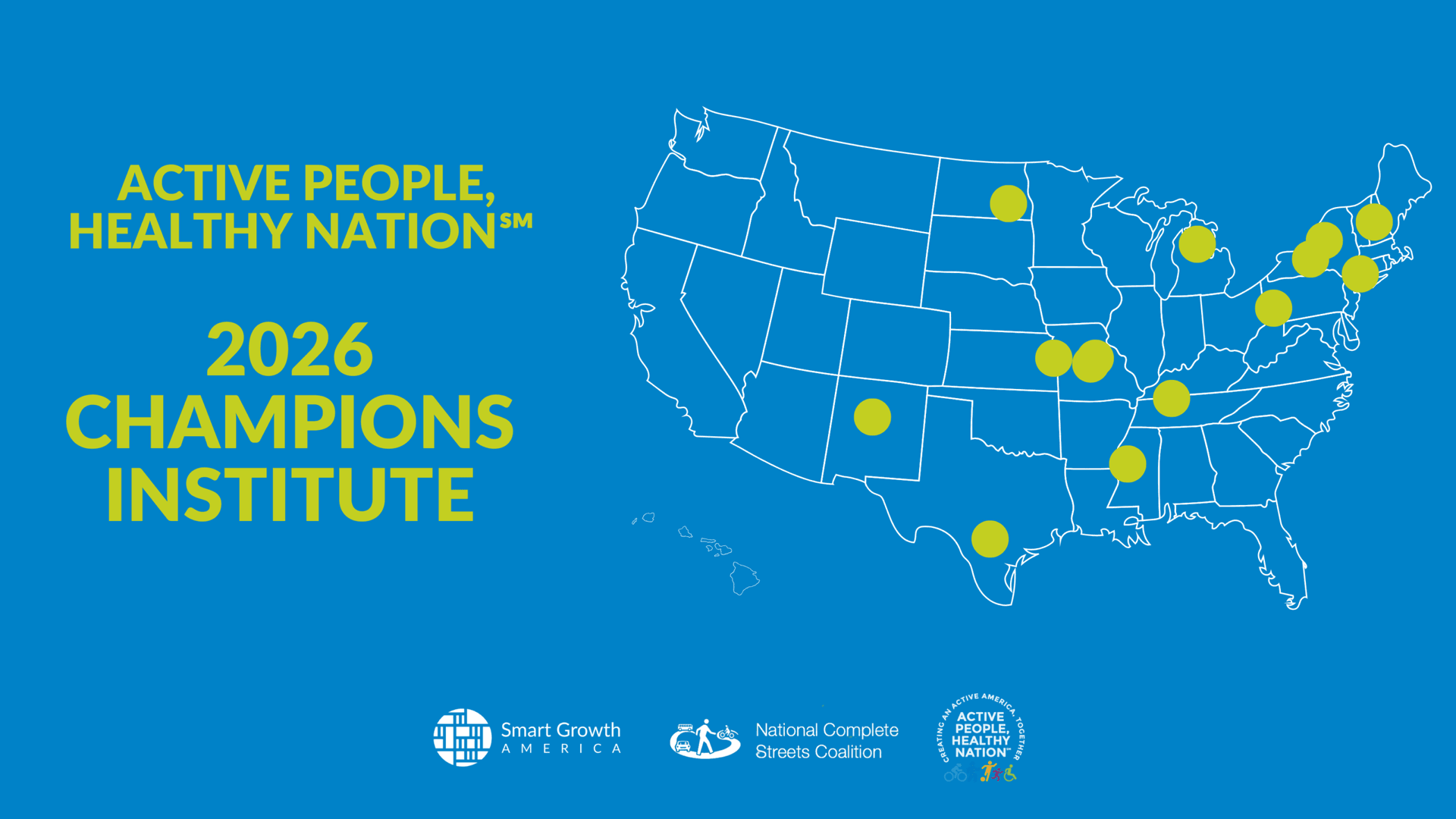
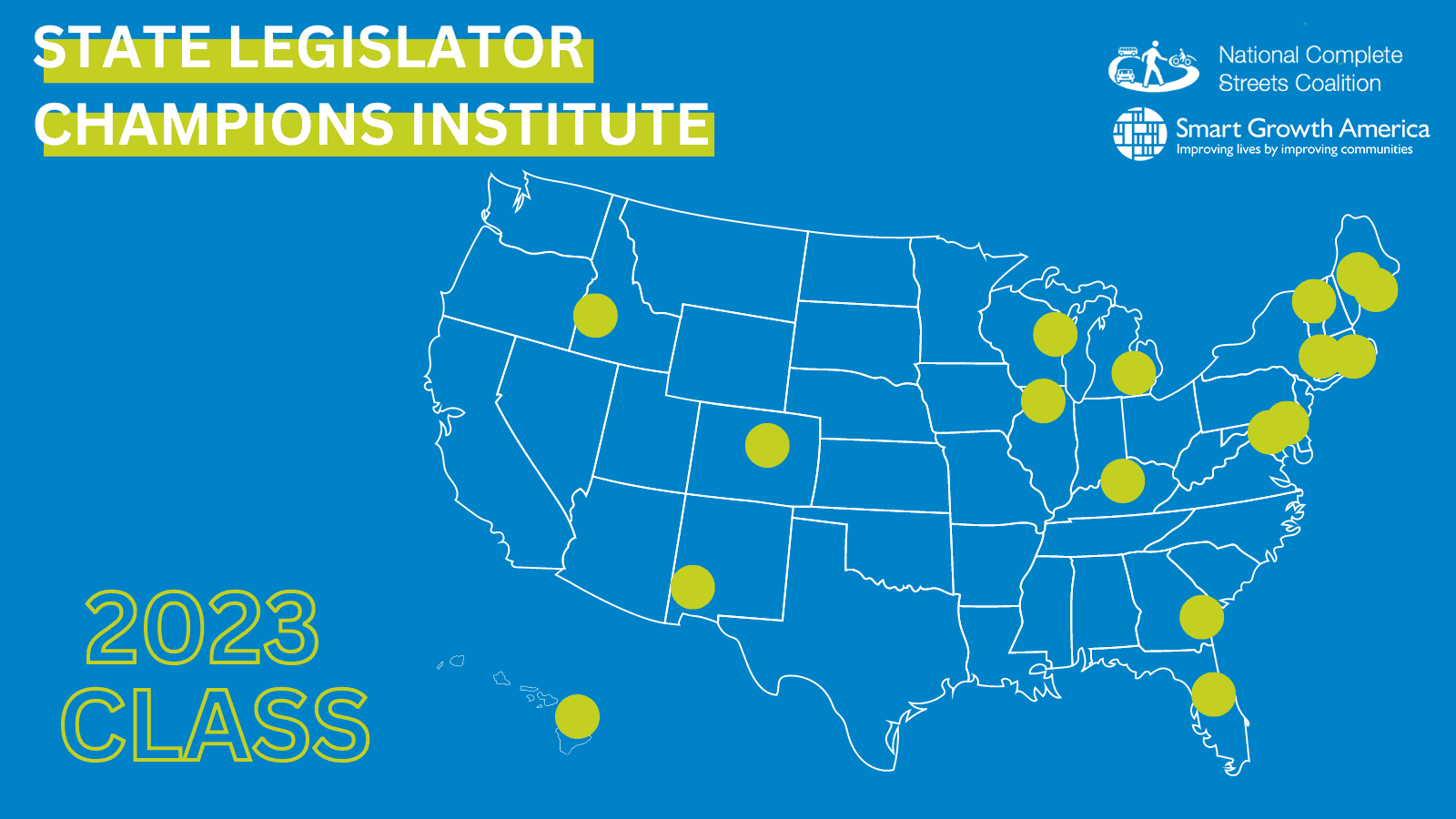
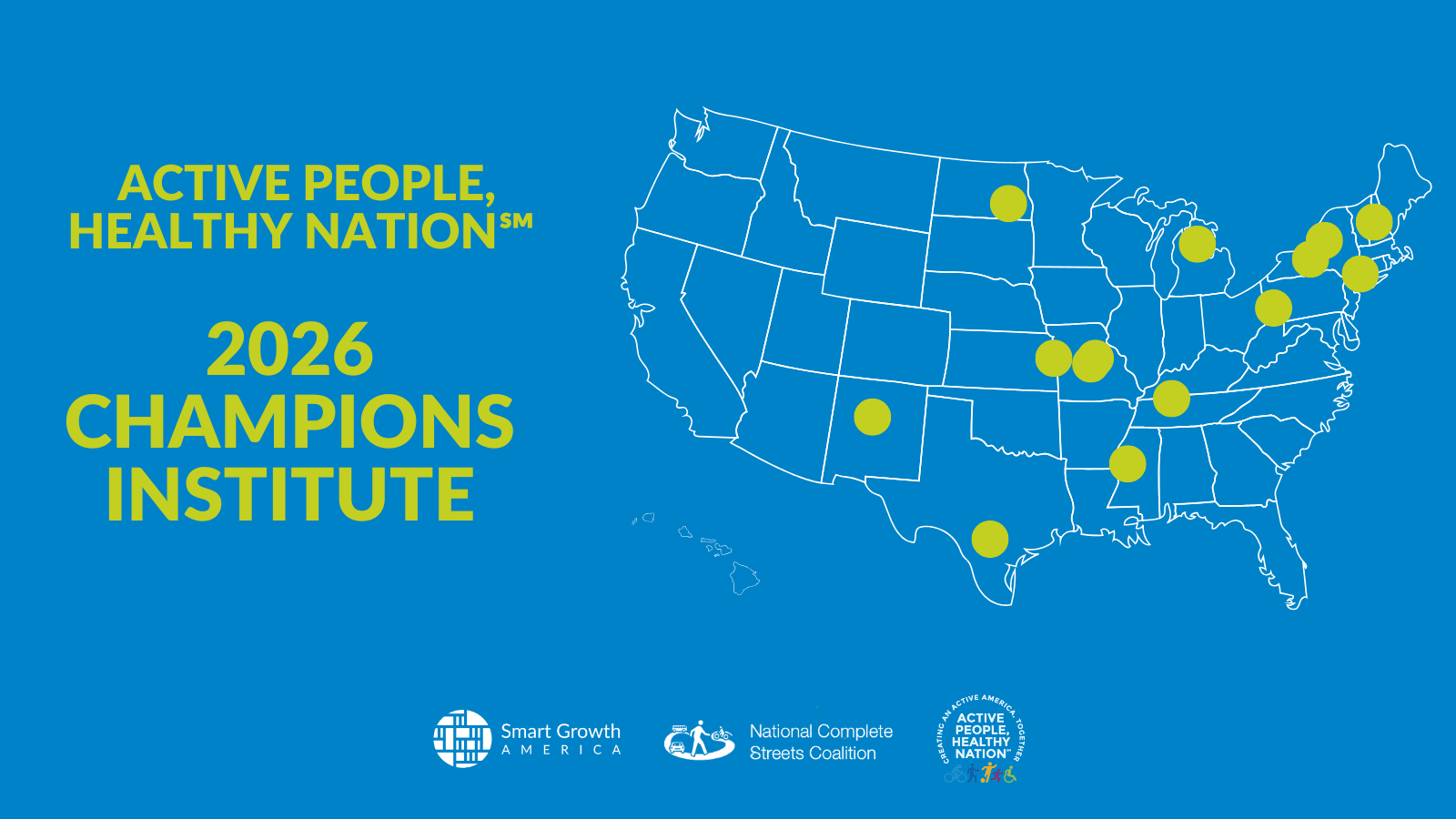
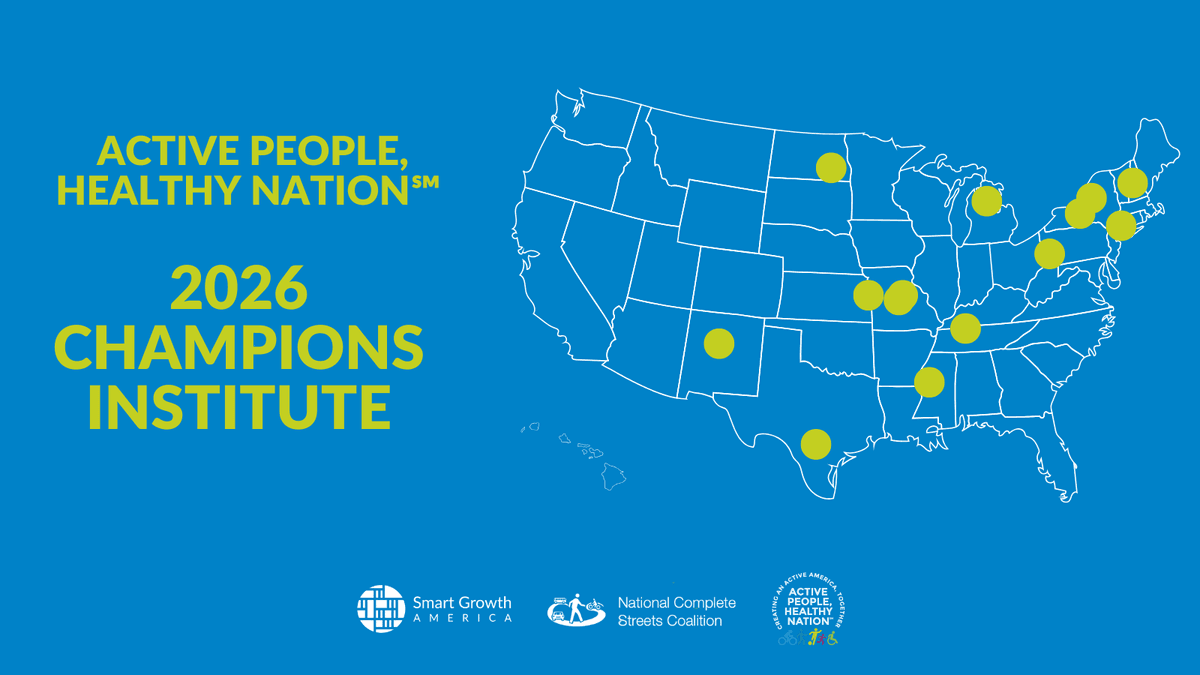
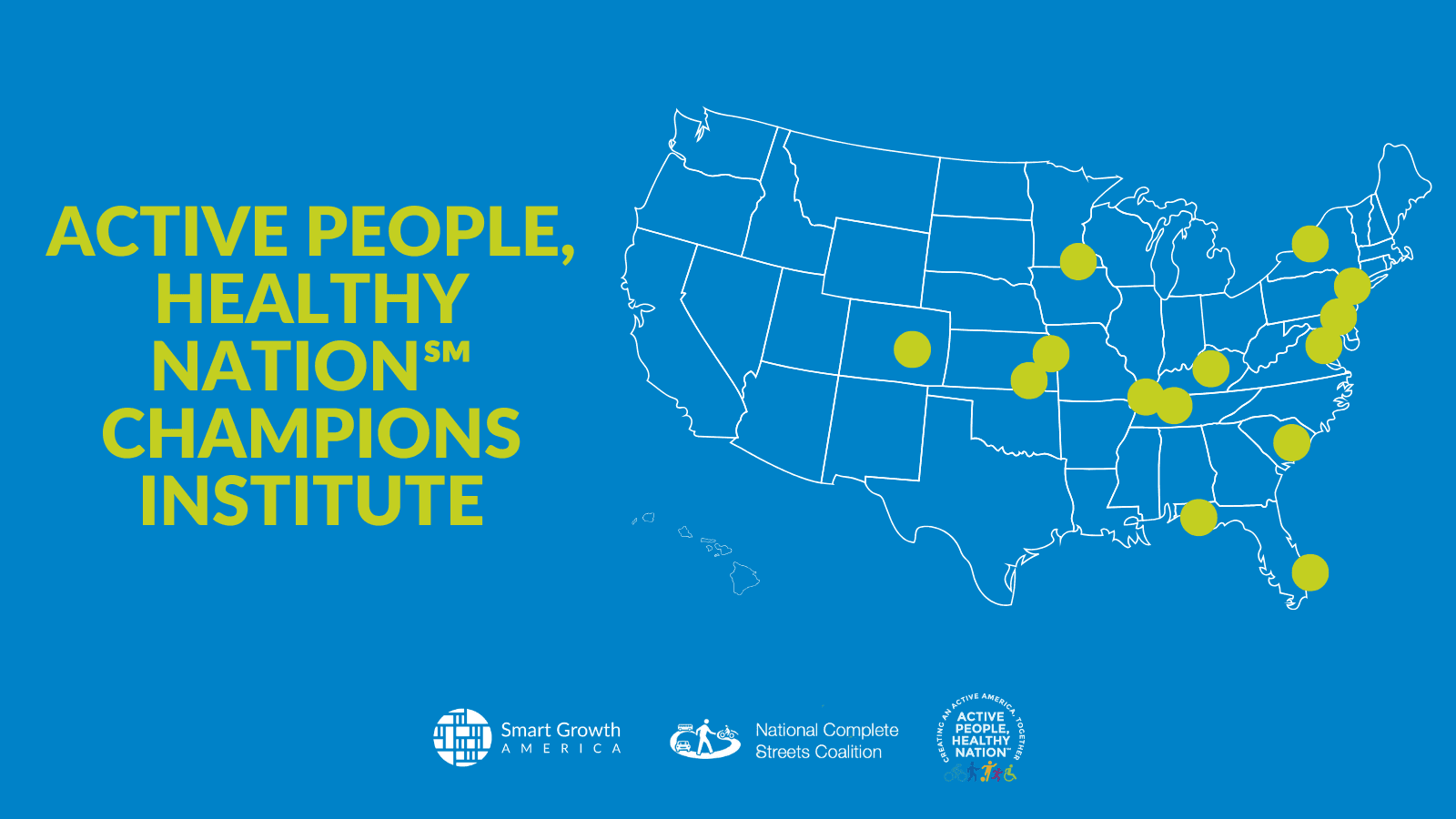
Smart Growth America selected 14 council members, county legislators, and mayors from 11 states to participate in the 2026 Champions Institute. These local elected officials stood out to SGA for their eagerness to build on their current initiatives and their dedication to learning about infrastructure improvements. From Albuquerque, NM, to Hanover, NH, this year’s Champions represented jurisdictions of all sizes and regions across the U.S.
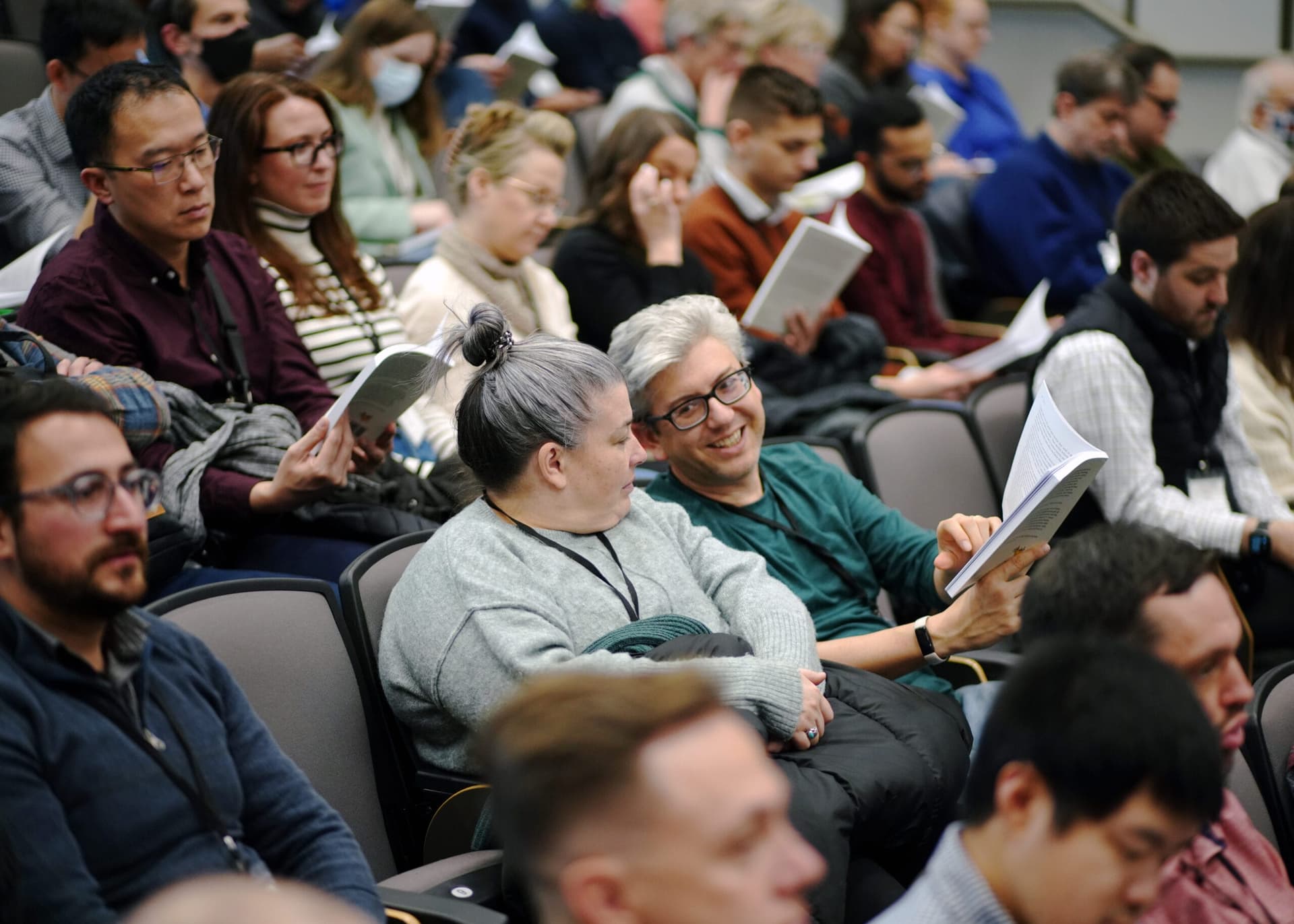
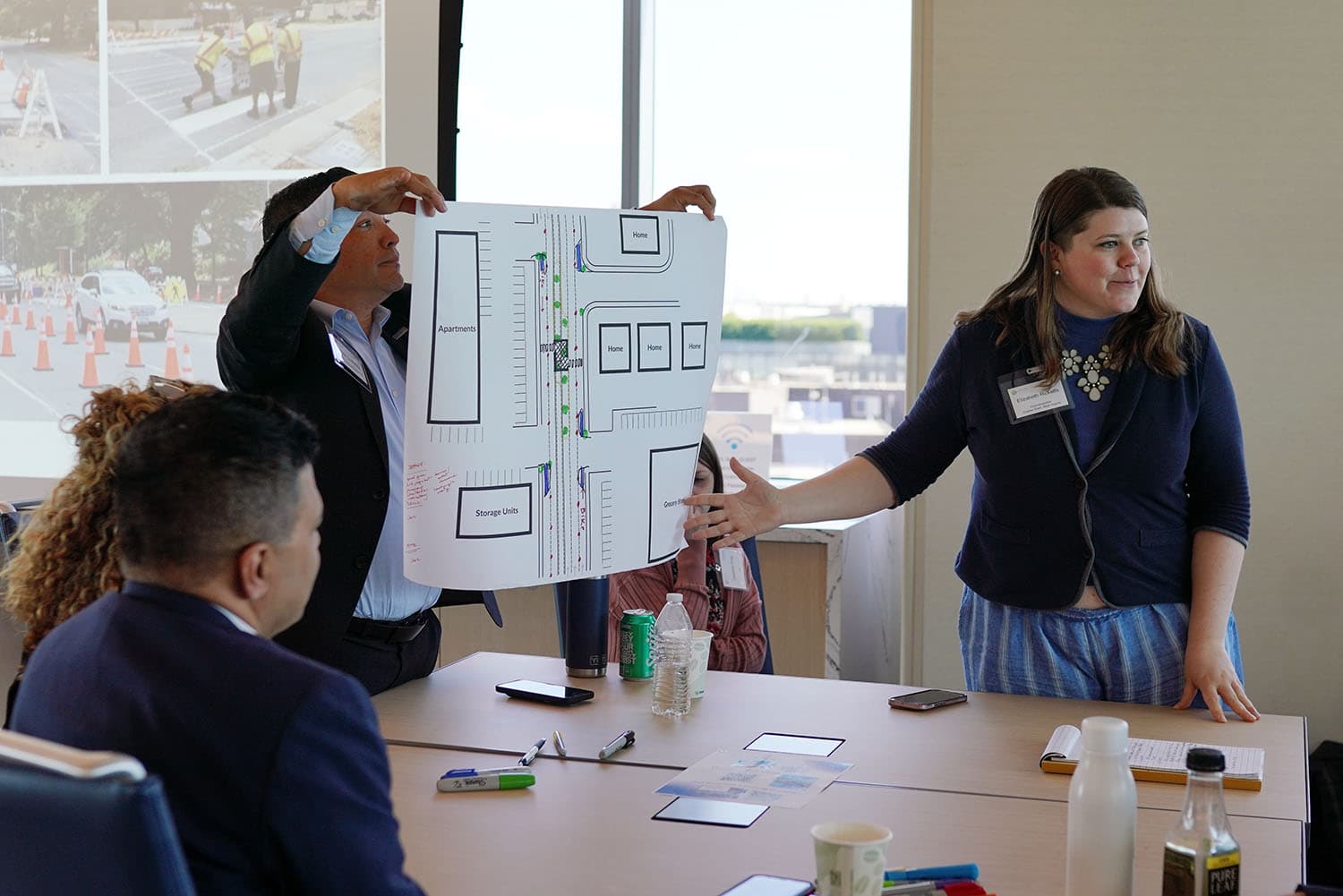
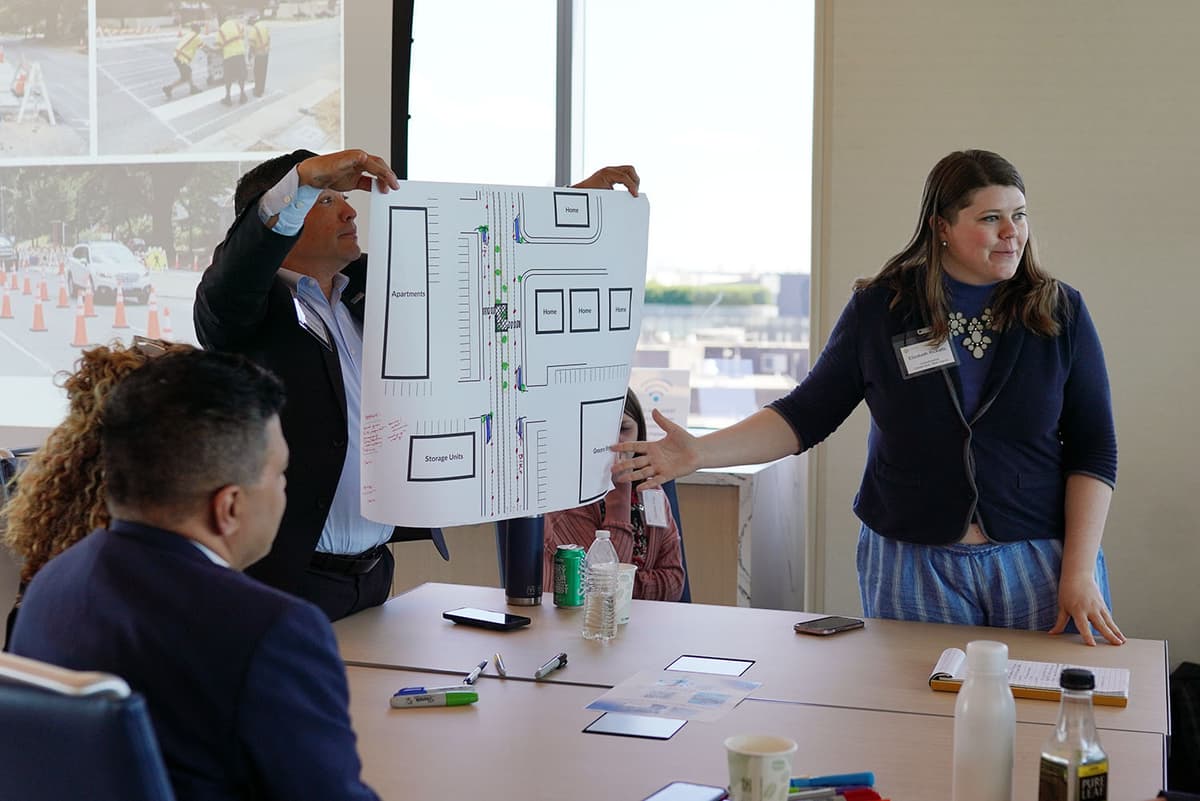
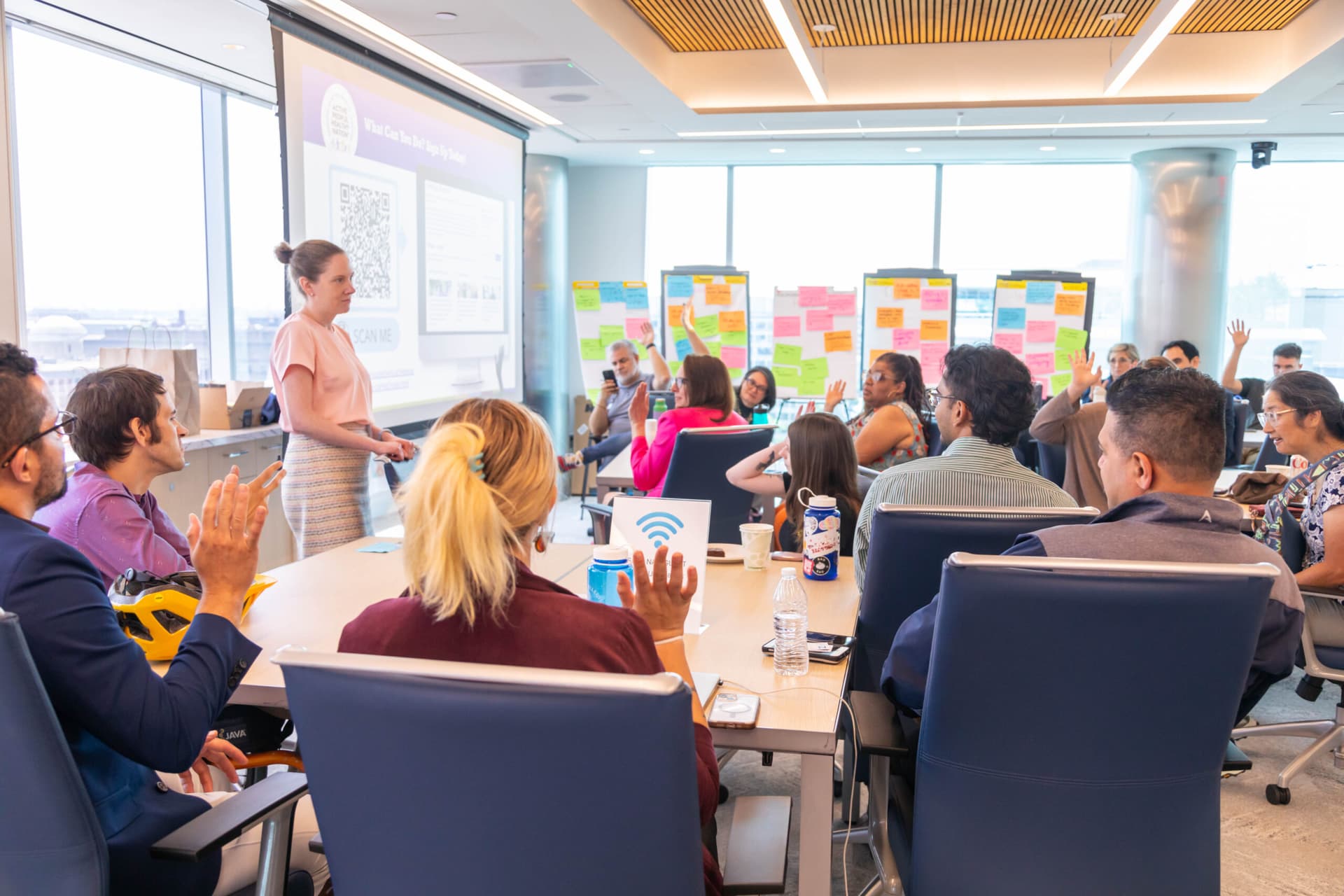
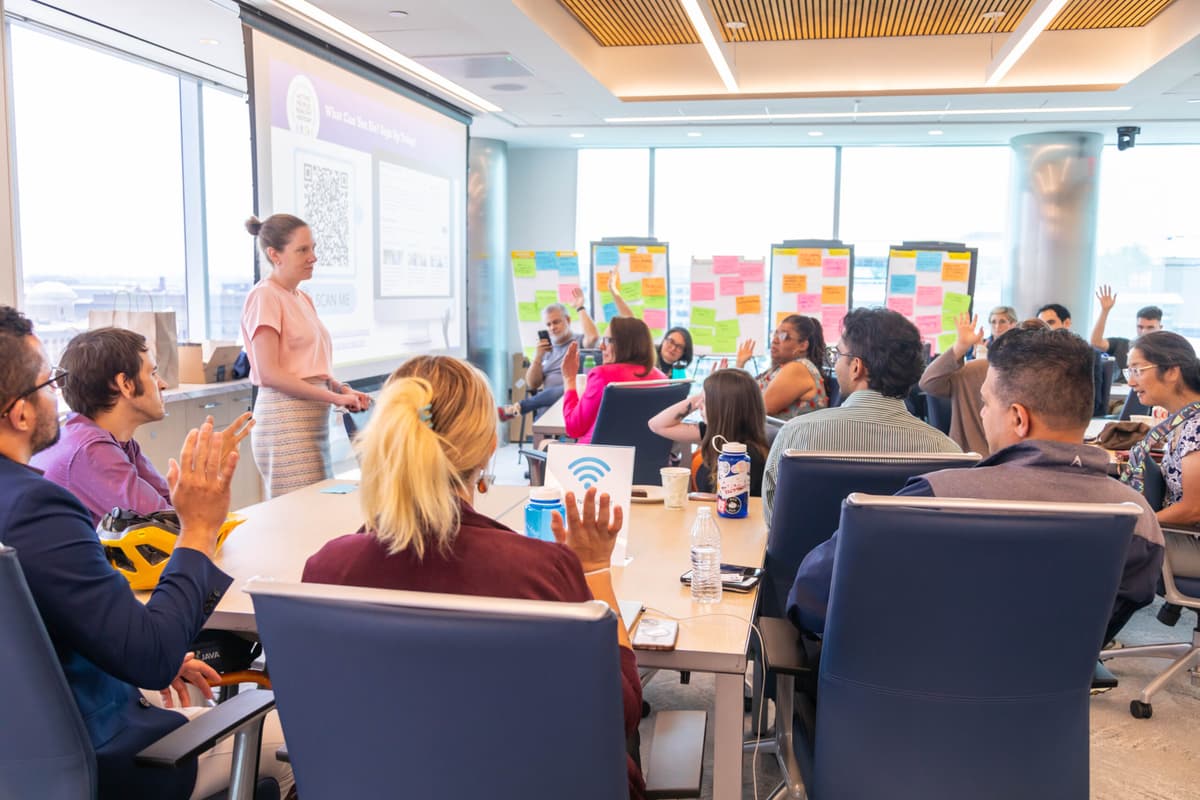
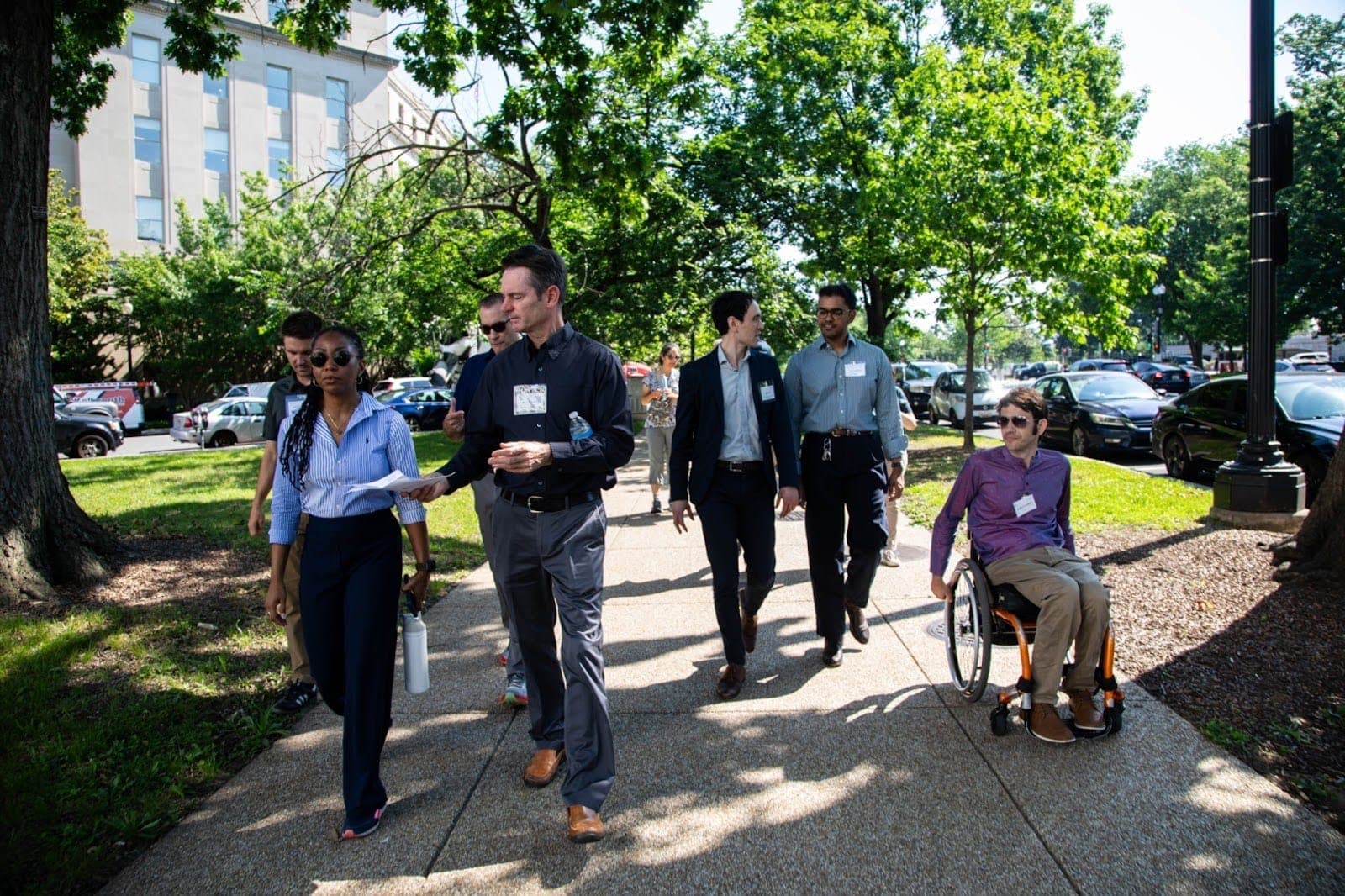
Through peer support, virtual sessions, and one-on-one office hours with SGA technical assistance providers, Champions developed Action Plans to turn their great ideas into tangible change for their communities. Champions Institute alumni, city staff from other jurisdictions, and elected officials from across the country joined virtual sessions to share their best practices on building teams, communicating effectively, and overcoming barriers to active transportation improvements. The SGA team brought expertise on Complete Streets policies, working with the media, and land use to deepen Champions’ knowledge of these topics.
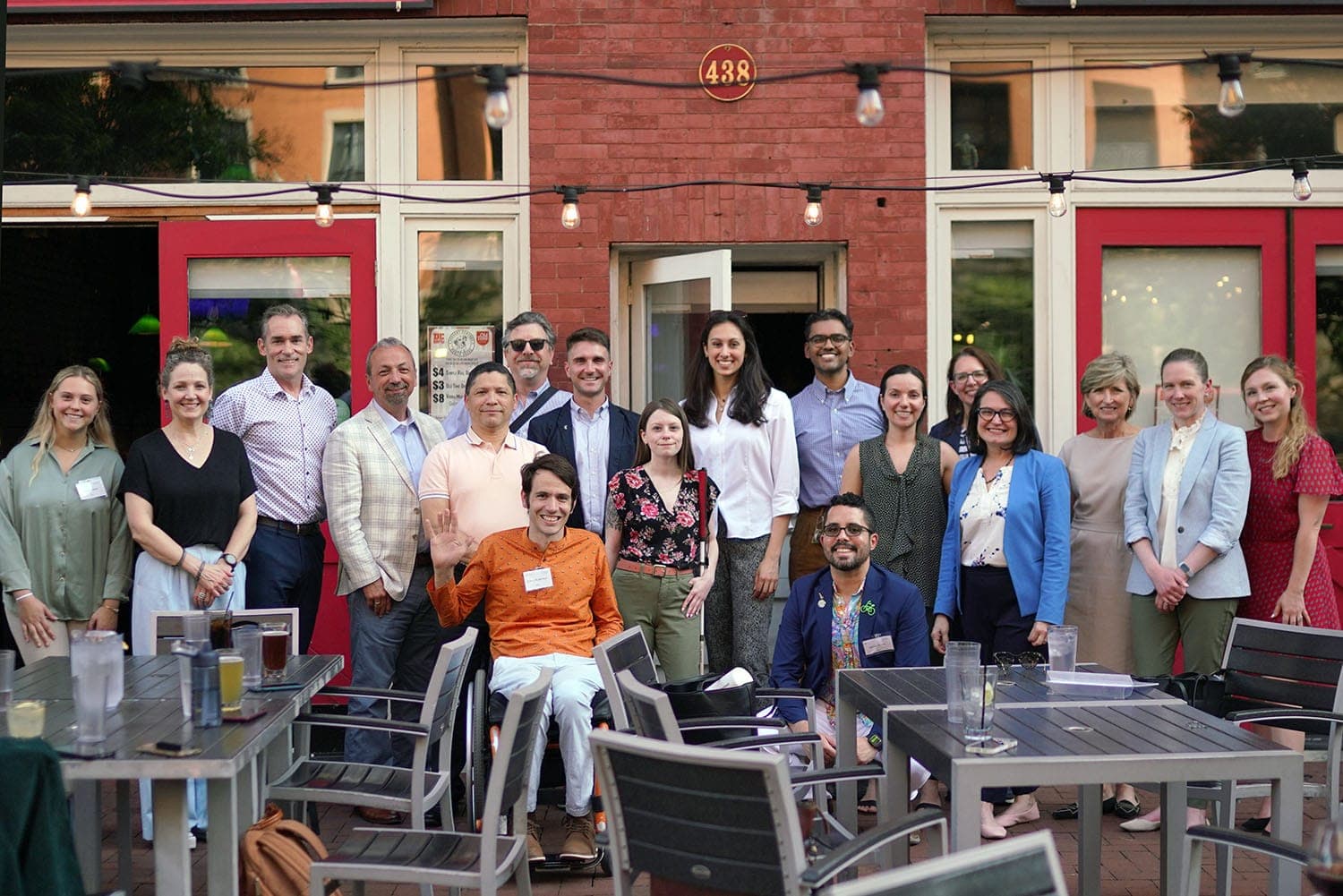
One of the biggest benefits of the Champions Institute program is peer learning and access to the alumni network: participants have frequent opportunities to hear from each other, reflect on shared challenges, and offer advice and encouragement. Each Champion brought creativity and dedication to the cohort and left with the knowledge and skills to implement their Action Plans in their local communities.
Similar challenges, different approaches
Fear of changing regular practices, established car-centric infrastructure, and institutional barriers to new approaches challenged all participants in this year’s program. Though each community’s specific issues are unique, these throughlines revealed high-level themes across different Action Plans and allowed the Champions to provide support to one another.
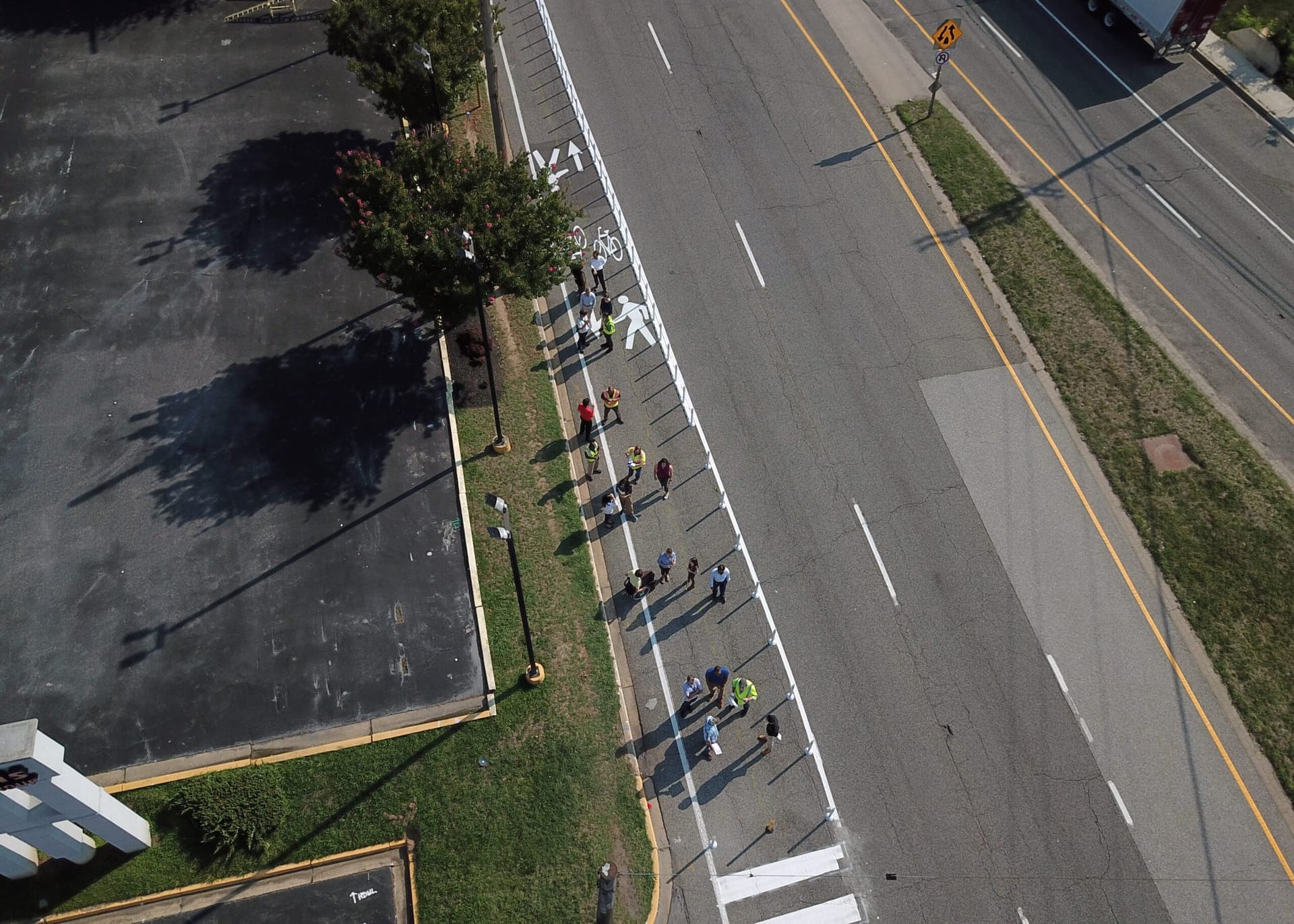
1. Pilot projects: Trying something new can seem risky, but not trying new ideas means more of the same. Using a pilot project, quick-build demonstration, or other short-term approach can help make a new idea feel less risky while identifying hiccups to iron out before a full-scale approach or a permanent change. Columbia, MO, is looking to pedestrianize a downtown street during home football games, and will start with a pilot project for a smaller crowd than homecoming. Hanover, NH, plans to use a demonstration project to build support for a multi-use trail connecting the town to West Lebanon, nearly four and a half miles away, with a group ride to boost momentum for more permanent changes. San Antonio, TX, also knows the value of quick-build demonstration projects for safer streets and is creating a dedicated quick-build team within city government to advance easier, faster improvements.
2. Designing streets for everyone: Building safer environments for physical activity requires making sure people can comfortably walk, bike, and use other modes of transportation to move around. In Columbia, MO, a few key additional sections of sidewalk would nearly complete the network downtown, particularly around parks and transit stops, making it safer for people to walk. Development patterns, insufficient lighting, and incomplete sidewalks make Peachers Mill Road in Clarksville, TN, particularly challenging for people to walk, so one Champion created an Action Plan to turn the road into a Complete Street. Central Avenue in Albuquerque, NM, is one of the most dangerous streets in the U.S. for people walking, and identifying specific design changes in partnership with the community will make this stretch of Route 66 safer for everyone.
3. New local policies: Some Champions developed and passed new policies to support safe walking, biking, and rolling. Champions from Beaverton, MI, and Mayersville, MS, both developed Complete Streets policies, setting a strong foundation to implement this approach across their cities going forward. Beaverton even found interest among other decisionmakers to create a Complete Streets ordinance, enacting stronger implementation requirements.
Lessons learned from the cohort
Even after five years of the Champions Institute and with over 100 alumni of the program, there is still more to learn from each participant. These are a few lessons we observed from this year’s cohort:
Framing projects as traffic safety improvements can bring more people to the table, offering opportunities to show how transportation improvements can benefit entire communities holistically. Making the built environment safer for everyone was an entry point for many of this year’s Champions, but they quickly realized how much the built environment can affect economic opportunity, environmental quality, social connections, and other issues. Columbia, MO, identified expansive partnerships in their Action Plan to connect the sidewalk network and achieve other benefits. For example, working with Missouri Conservation Corps and the city’s sustainability department on street tree planting slows vehicular speeds while making the sidewalk shadier and more comfortable, providing habitat and mental health benefits.
Making change takes a team, and that team may change over time. Champions know their work doesn’t happen in a vacuum, and cross-sector partners like city staff, nonprofits and nongovernmental organizations, and community members are needed to sustain progress. As projects evolve and timelines shift, support may change over time: Hanover, NH, plans to work across a disconnected network of environmental groups, students, and bike organizations, bringing them together to advance shared active transportation goals. Sometimes, collaborators are on board, but have different ideas for how to contribute: In San Antonio, TX, city staff benefitted from being tasked with a goal to accomplish rather than a checklist to complete, giving them room for creativity.
Cohort peers are an unmatched source of learning, support, and inspiration. Throughout the program, Champions offered advice and support to each other. One benefit of developing Action Plans among colleagues is knowing that you are not alone: The problems you face may be unique, but they are not singular, and others can relate and offer insights. Champions who have faced similar issues can share their own experiences and propose suggestions to each other for how to move forward. Be it Beaverton, MI, describing their work with the Michigan Department of Transportation, or San Antonio, TX, sharing lessons from the city’s past pedestrian street events, every Champion can learn from one another. We are excited to welcome this year’s Champions into the alumni network and to continue to learn from their experiences!
The 2026 Champions Institute was made possible by the Centers for Disease Control and Prevention (CDC) (Cooperative Agreement CDC-RFA-PW-24-0080). Its contents are solely the responsibility of the authors and do not necessarily represent the official views of CDC. These efforts are part of the CDC’s Active People, Healthy Nation Initiative that is working to help 27 million Americans become more physically active by 2027.
Related News




Livable places. Healthy people. Shared prosperity.


© 2026 Smart Growth America. All rights reserved
Site By3Lane Marketing
