






News
By Audri Rianna, September 2, 2026
This post was authored by Audri Rianna, a summer 2026 intern with Smart Growth America, based on her research into state brownfields programs and resources.
States have long played a central role in brownfield remediation and redevelopment, using voluntary cleanup programs, grants, tax incentives, and other tools to support and unlock private investment. As federal resources become less certain, these state and local programs will be even more important to getting contaminated properties cleaned up and back into productive use.
Across the country, there are more than 450,000 brownfields—former factories, power plants, mines, and other industrial sites sitting vacant—creating environmental and economic challenges for communities. High cleanup costs, regulatory requirements, and risks discourage redevelopment, even though many sites are in downtowns and neighborhoods where remediation can increase density, limit sprawl, and reduce environmental threats.
Brownfield cleanup efforts can unlock significant community benefits, often spurring surrounding development, attracting private investment, expanding the tax base, and creating new job opportunities. While brownfield cleanup and redevelopment is often financed by private funding, the public sector plays a huge role in supporting projects that might otherwise not come to fruition. In fiscal year (FY) 2025, every dollar the U.S. Environmental Protection Agency (EPA) awarded to brownfields grants pulled an average of $19.47 in additional cleanup and redevelopment funding.
Historically, the federal government has been a major source of fiscal support, funding redevelopment through EPA grants and loans for assessment, cleanup, and job training; EPA Regional Technical Assistance to Brownfields (TAB) providers; and the federal Brownfields Tax Incentive. But federal support is now sharply declining. Severe budget cuts to the EPA have made grants more competitive, and the federal brownfields tax credit has not been reauthorized since 2011, meaning that the approaching expiration of the Infrastructure Investment and Jobs Act (IIJA) will further reduce available funding.
That means state and local programs will have to fill the gap and provide additional financial assistance, tax incentives, and technical support on their own. Yet these resources remain fragmented, leaving communities struggling to find available assistance or successful models to follow.
SGA conducted nationwide research on available state brownfields programs and resources—including technical assistance, financing opportunities, tax credits, and case study projects. Key takeaways from our research include the variety of creative approaches that states take to fund their brownfields programs, how a state’s program structure reflects its priorities, and an ongoing disconnect between communities and governments around program awareness and trust.

Resource inequality among states
The increasing responsibility on states to fund and assist brownfield projects has revealed disparities across the nation. While some states can dedicate substantial resources toward cleaning up brownfields, others have little to no funding available.
Ohio demonstrates what sustained state investment can achieve. Since launching its own Brownfield Remediation Program in 2021, the state has awarded nearly $780 million to 841 projects. The program also prioritizes geographic equity: In FY 2026, Ohio reserved $1 million for brownfield projects in each of its 88 counties, with unclaimed funds redistributed later to ensure that every community has access to state resources.
In contrast, states including West Virginia, Arkansas, and North Dakota rely almost entirely on EPA grants to support cleanup efforts. Many communities are unable to secure these increasingly scarce grants, leaving contaminated sites abandoned, continuing to pose pollution risks and restricting the local tax base.
Even successful applicants face uncertainty: EPA grants typically fund for only three to five years with no guarantee of renewal. This short-term financing structure makes it harder for communities to plan and sustain long-term redevelopment efforts that brownfields require.
Creative ways of funding redevelopment
Tax incentives
Budget constraints and the high community costs of undeveloped brownfield sites have pushed some states to adopt more innovative financing strategies. The most common is Tax Increment Financing (TIF), which lets municipalities capture future increases in property tax revenue generated by redevelopment. States like Wisconsin, Michigan, and New York rely on TIF to encourage private investment by helping developers offset the costs of turning brownfields into productive land.
Florida takes a different approach to tax incentives. It is the only state in the country with three separate tax incentives specifically targeting brownfields: The Voluntary Cleanup Tax Credit (VCTC) helps cover partial cleanup costs through corporate income tax credits, the Job Bonus Tax Refund provides up to $2,500 per new job created on a redeveloped brownfield site, and the Refund of Sales and Use Tax Paid on Building Materials reimburses construction material costs for affordable housing built on brownfields.
Rather than administering large grant programs, Florida relies on these tax incentives to drive private redevelopment.
Overlapping opportunities
Where dedicated brownfields funding does not exist, states often look for opportunities within broader economic development programs. Brownfield offices redirect site owners and developers toward grant programs and tax credits tied to Opportunity Zones, environmental justice communities, affordable housing, job creation, and renewable energy. Many brownfield projects also qualify for federal tax incentives not specific to brownfields, including the Low-Income Housing Tax Credit (LIHTC) for affordable housing, the New Markets Tax Credit (NMTC) for investments in low-income communities, and the Historic Preservation Tax Credits for restoring historic buildings. Layering several of these programs together can make a redevelopment viable, but eligibility heavily depends on a site’s location and intended use, leaving many brownfields without a clear path to support.
Technical assistance
Where direct financial assistance is limited, technical assistance programs can partially fill the gap. Many local and state groups in southern and southwestern states such as Arkansas, Louisiana, Oklahoma, and New Mexico use EPA grant funding to provide free assessments and cleanup planning resources to communities.
West Virginia is a good example. The state has no dedicated tax or grant programs beyond its Revolving Loan Fund, yet there are 12 statewide technical assistance programs—the most of any state in the nation. These services are primarily led by West Virginia University and Marshall University, which together house the TAB provider for EPA Region 3.
This model shows how universities and nonprofit organizations can proactively and meaningfully fill funding gaps when state resources are thin. The limitation, however, is capacity: Technical assistance can identify contamination, but there are few pathways to actually fund cleanup once it has been found.
“Polluters pay” laws
New York and Vermont have taken a different approach altogether, recently passing “polluters pay” or “climate superfund” laws that require large fossil fuel companies to contribute to environmental cleanup and other climate-related projects. The funds are collected by the state and directed toward future remediation work. Eleven other states, mostly in the Northeast, are considering similar legislation. For states with limited environmental budgets, it serves as a promising new revenue stream worth exploring. And while climate superfund laws are generally directed toward climate resilience infrastructure projects, states could consider directing this funding toward brownfield remediation projects, or consider employing a similar model for brownfields projects specifically.
Reflecting state priorities
Because states cannot fund every brownfield project, their investments offer insight into their priorities.
Economic revitalization
In regions with a history of industrial decline such as the Rust Belt, abandoned factories and mines have become symbols of economic hardship, and state brownfields programs reflect that. Funding opportunities are concentrated around job creation, economic revitalization, downtown development, and Opportunity Zones. Prominent examples include Virginia’s Brownfield and Coal Mine Renewable Energy and Grant Fund, Pennsylvania’s Growing Greener Plus Grant, and at least four other Pennsylvania programs center on promoting business activity and employment.
Such investment has produced notable wins including The Wharf at Rivertown in Pennsylvania—a $60 million waterfront redevelopment of a former power plant—and Tech Town in downtown Dayton, Ohio, home to 36 tech-oriented businesses and 400 employees.
Environmental protection
Other states, particularly with more flexible budgets or greater vulnerability to climate change, prioritize environmental impact. Massachusetts’ Solar Massachusetts Renewable Target (SMART) and Rhode Island’s Renewable Energy Growth (REG) program both offer added incentives for solar energy development on former brownfields. Massachusetts, New York, Florida, and Minnesota direct certain grants to environmental justice communities.
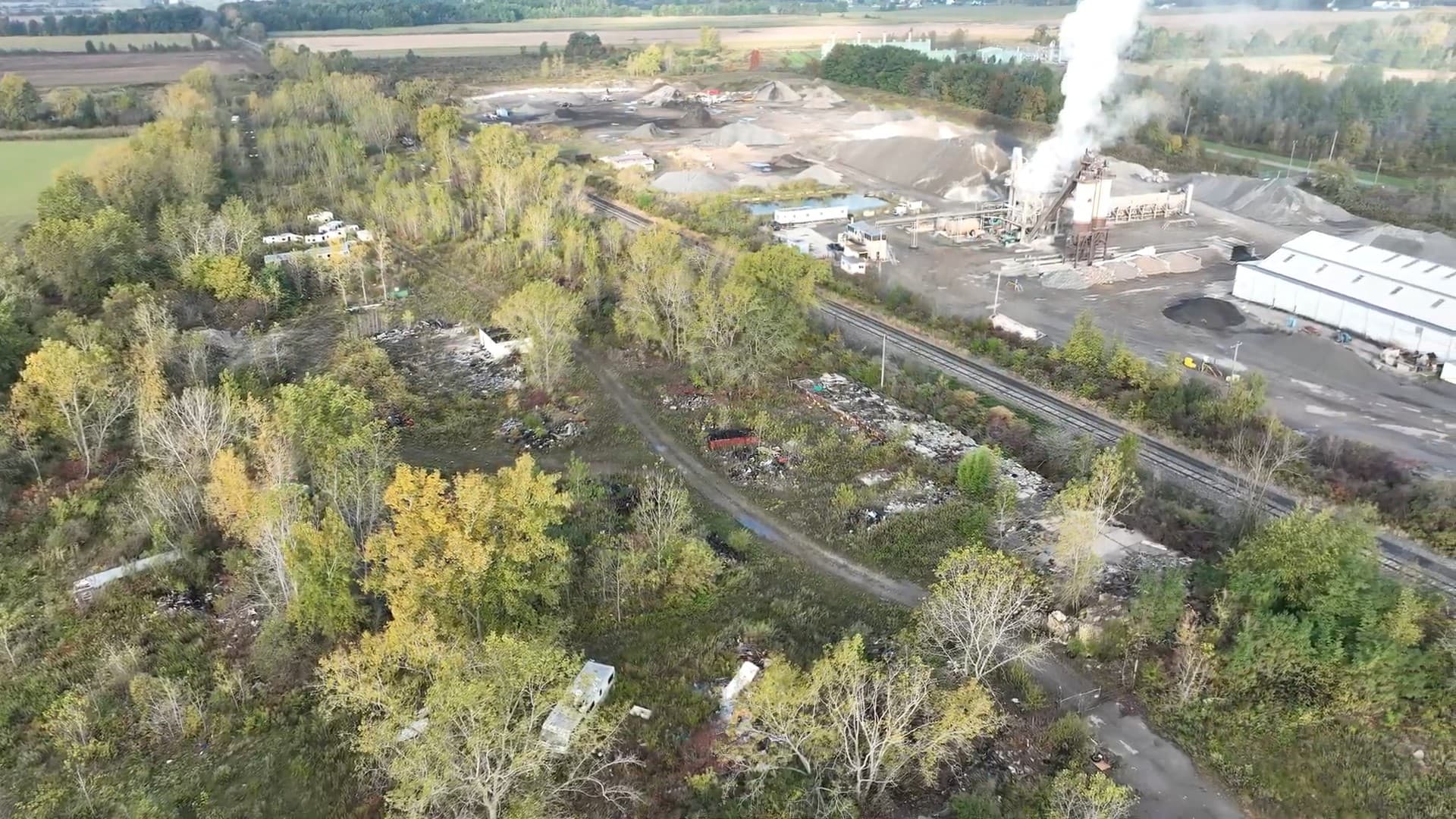
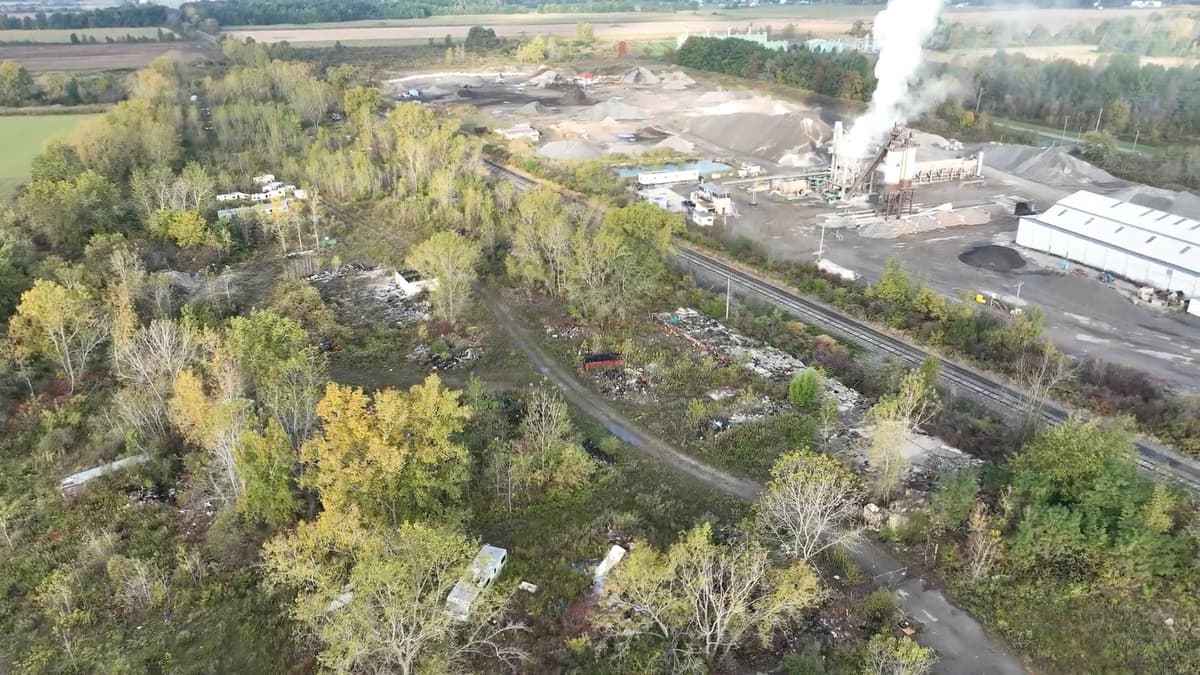
Such priorities are reflected in New York’s Brownfield Cleanup Program, which funded the development of Tecumseh Business Park in Erie County, combining a tubing manufacturing plant and rail line with wind and solar farms. In Florida, Connor Park—a former railway site redeveloped into an ecological park with reef clusters, oyster habitats, and restored wetlands—won the EPA’s 2025 Region 4 Phoenix Award.
Community Disconnect
Even where state programs exist, accessing them is not easy. Communities and developers interested in redeveloping contaminated sites must navigate a complex process involving both federal and state requirements. This often includes enrolling in a liability protection program, completing phases of environmental assessments, and in some cases, formally enrolling the property in a state brownfield program before cleanup can even begin. That complexity, and the perceived risk that comes with it, discourages many private property owners and developers from pursuing available assistance.
Lack of trust
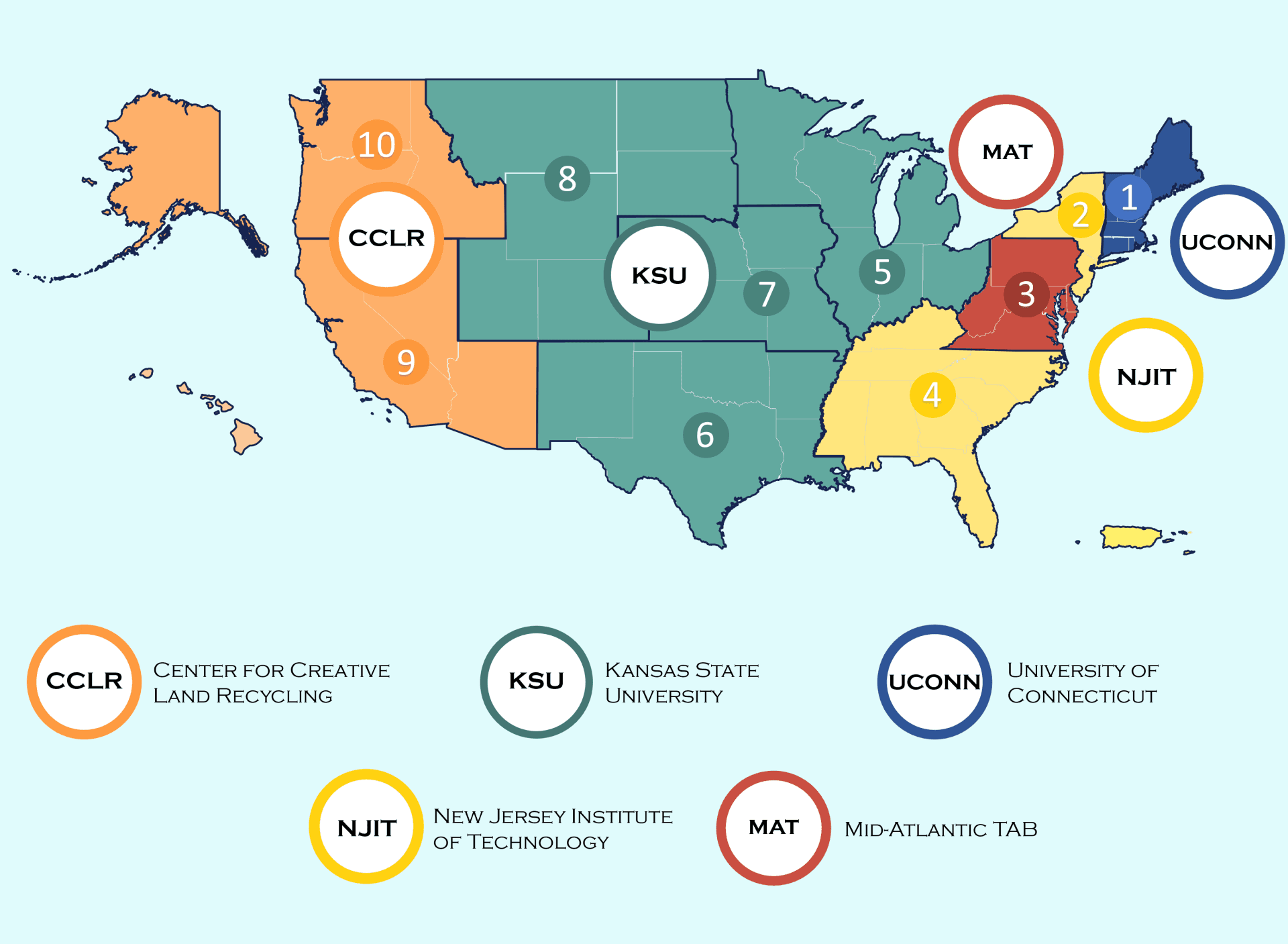
Limited awareness and outright distrust of government programs further reduce program participation. SGA’s conversations with the Mid-Atlantic TAB provider, which serves six states, surfaced a common concern: Many property owners worry that EPA involvement will create legal or financial complications, even when the opposite is often true.
Lack of information
Other community partners and property owners simply do not know these available state resources exist. In reality, TAB providers usually have the capacity to guide communities through the redevelopment process and provide environmental assessments at no cost, but they struggle to reach the property owners who would benefit most.
Public-private partnerships
Improving access to brownfield resources begins at the local level. Municipal governments are often a property owner or prospective developer’s first point of contact, making them well-positioned to connect communities with available programs. Opportunities like Brownfield Revolving Loan Fund grants are only available to local governments and nonprofits, but private owners often participate by partnering with a municipality and temporarily transferring land ownership during the cleanup process. But this pathway is rarely communicated publicly.
Better outreach, education, and technical assistance—delivered through public officials and nonprofit organizations—can close this information gap, increase participation in existing programs, and strengthen the public-private partnerships that are essential to financing successful redevelopment projects.
Conclusion
The future of brownfield redevelopment depends on partnerships between federal, state, and local governments; public agencies and private developers; and communities that are figuring this out and those that are just getting started. As federal support becomes more uncertain, the ability of states and communities to learn from one another will become just as important as funding itself.
Effective solutions are already emerging across the country. The challenge is making those best practices easier to find, adapt, and scale so that a community’s access to opportunity is not determined by where it is located.
Related News



Livable places. Healthy people. Shared prosperity.


© 2026 Smart Growth America. All rights reserved
Site By3Lane Marketing
