




News
By Eric Cova, September 16, 2026
Many churches want to use land they already own to help address the housing crisis, but far too often, zoning stands in the way. YIGBY, or “Yes in God’s Backyard,” can help change the rules to unlock these properties for housing in existing communities.
In Boise, Idaho, a church parking lot sat mostly empty for years. That’s why Collister United Methodist Church leases its underused land to local nonprofit LEAP Housing for $1 a year. LEAP turned the former parking area into two family-sized rental homes and offered rents roughly 50 percent below market values, making it affordable to households earning at or below 30 percent of the area’s median income. This transformation is one small example of the opportunity behind YIGBY.
Amid one of the most significant housing supply and affordability crises in generations, communities of all sizes need more housing that people can afford in the places they want to live, work, and play. At the same time, many faith-based institutions own significant amounts of underused land within existing neighborhoods.
Religious organizations collectively own more than 2.6 million acres across the U.S., which could support an estimated 800,000 new homes. That land might include parking lots, vacant lawns, former schools, or even space above existing buildings. And many congregations want to put that land to work serving their communities. But even when the land and the desire are there, zoning, financing, and other barriers can prevent housing from being built.
What is YIGBY?
Faith-based institutions have a long history of developing housing and supporting communities. More recently, a movement known as YIGBY, or “Yes in God’s Backyard,” has sought to make it easier for churches, synagogues, mosques, and other faith institutions to turn underused land into much-needed housing.
The idea is relatively simple: Faith institutions often already have the land, a long-term commitment to their communities, and a mission that aligns with meeting community needs. But owning land and wanting to build housing doesn't mean local rules allow it—or that a congregation has the expertise and resources needed to become a housing developer.
For example, a recent study from the Furman Center identified 47,019 acres of potentially developable faith-owned land in California. But 49 percent of that land is in areas with zoning regulations that block residential use. Updating zoning to allow housing on faith-owned properties could unlock land for much-needed homes in the places where people already live.
YIGBY through SGA’s Type, Place, and Price Framework
YIGBY isn't going to solve the housing crisis on its own. But it offers a particularly compelling example of how communities can address three interconnected questions that Smart Growth America believes should guide housing policy: Are we building the types of homes people need? Are we building them in the right places? And can people afford them?
Type. In many communities, zoning makes it difficult or impossible to build multifamily housing on land reserved for religious uses, even when a congregation wants to do so. YIGBY policies can remove those barriers by allowing housing—and particularly affordable housing—by right on faith-owned land. That can open the door to new apartments, senior housing, supportive housing, and other types of homes that communities urgently need.
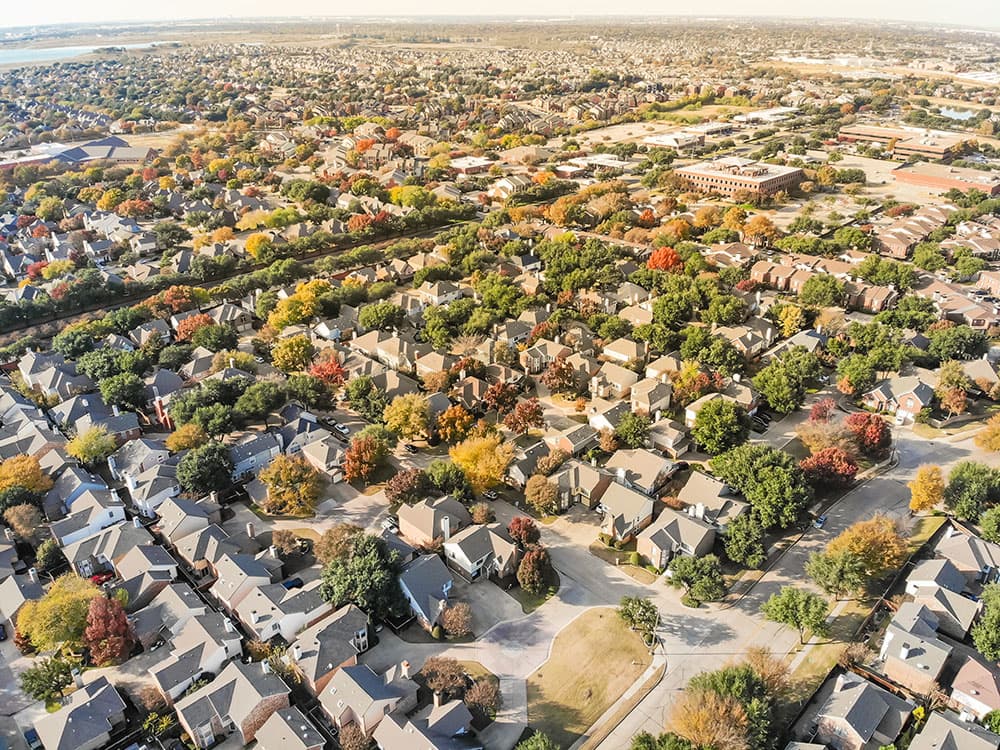
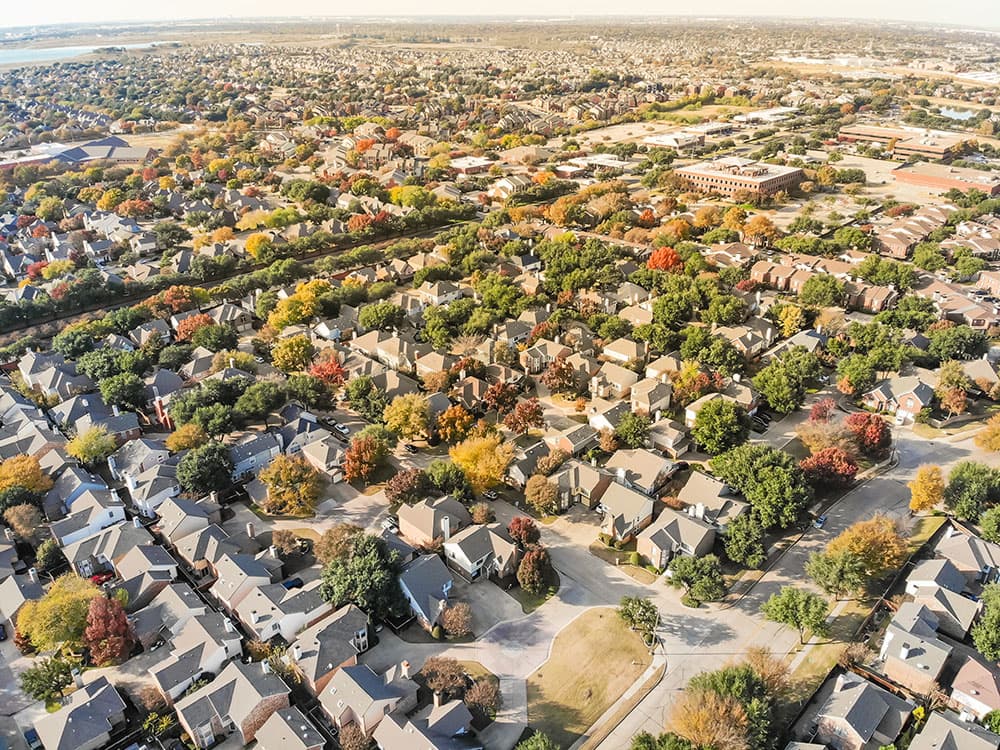
Place. Faith institutions are already integrated into communities across the U.S. Because many of these institutions acquired their property decades ago, much of the land they own is now embedded in established communities and connected to schools, transit, infrastructure, and other community assets. Allowing housing on that land means that communities can grow where people already call home, rather than relying on new housing to be built on the edges where essential services don’t reach.
Price. Faith-based institutions can be natural partners in creating affordable housing, particularly when providing housing aligns with their mission. Faith-owned land alone doesn't automatically make housing affordable, but a congregation can dramatically reduce one of the biggest costs of development—the land itself. That’s exactly what happened in the Bosie, Idaho example above.
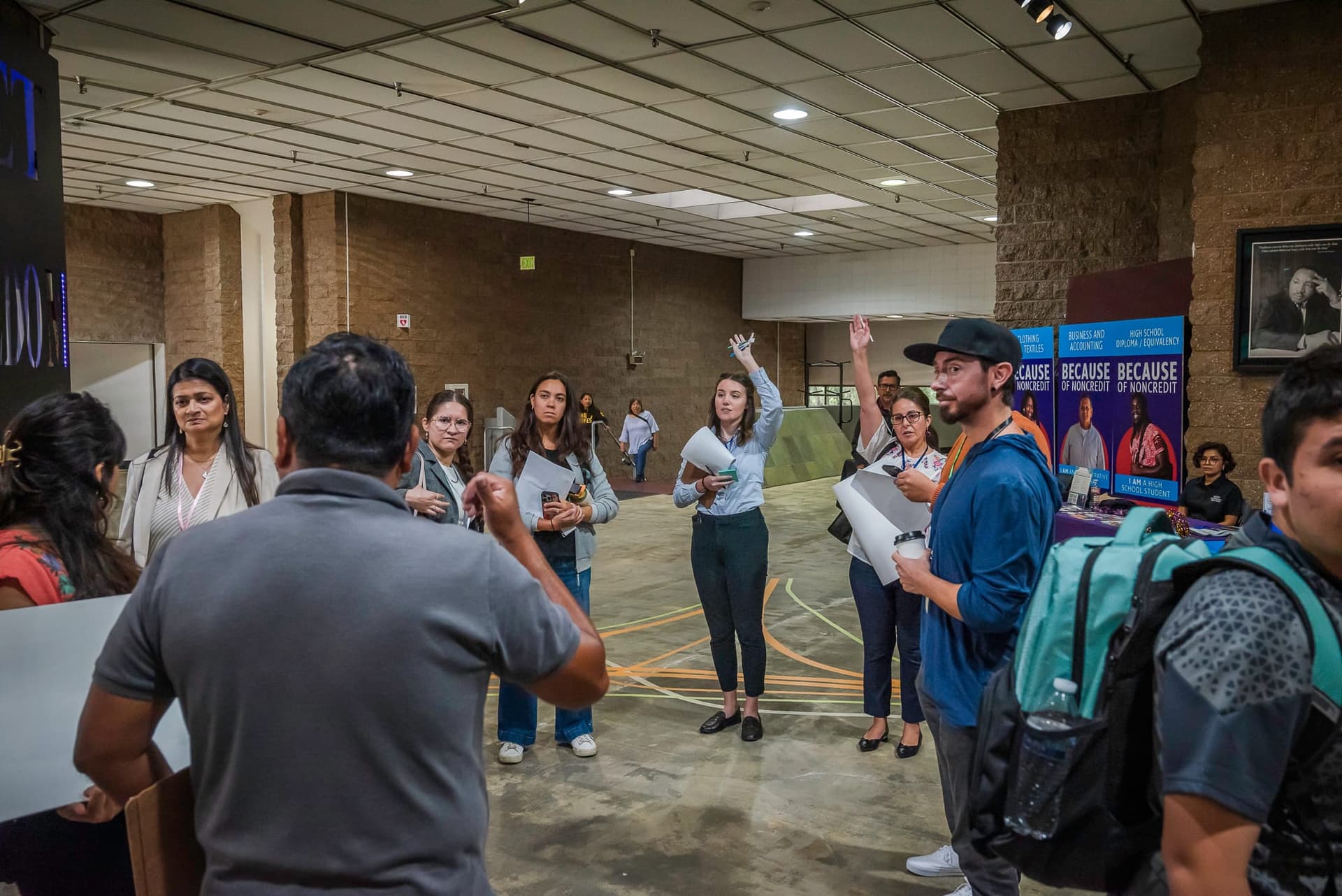
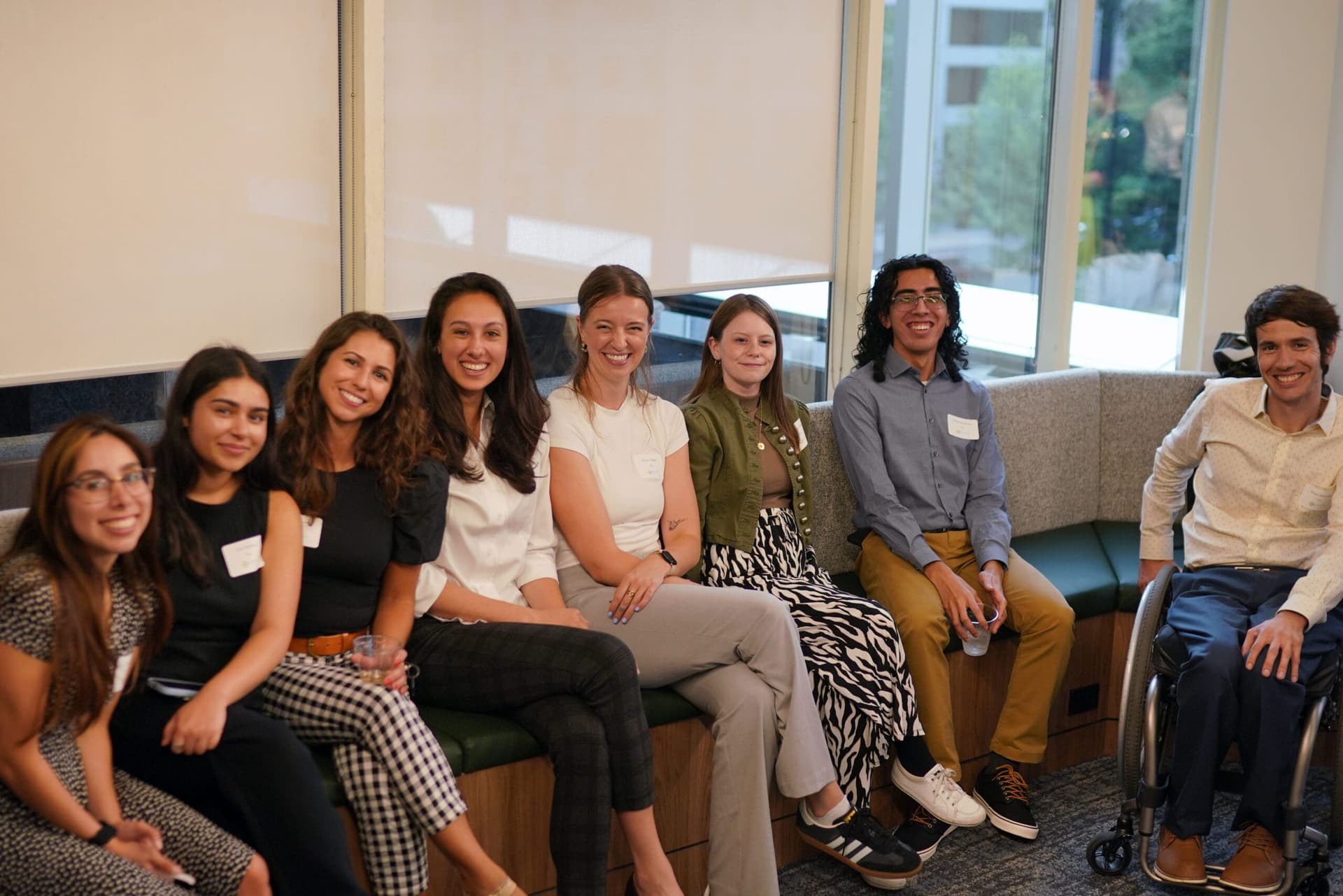
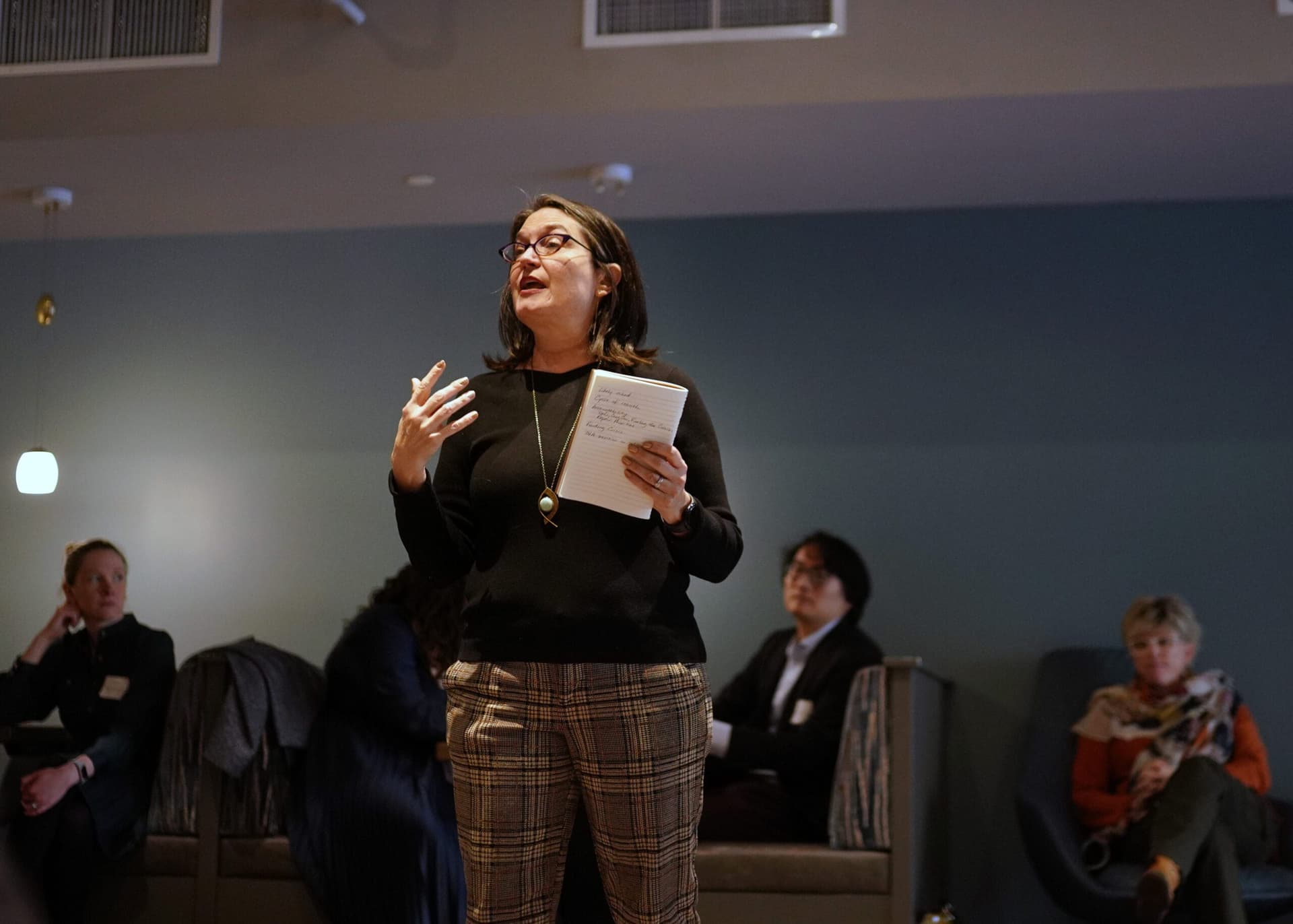
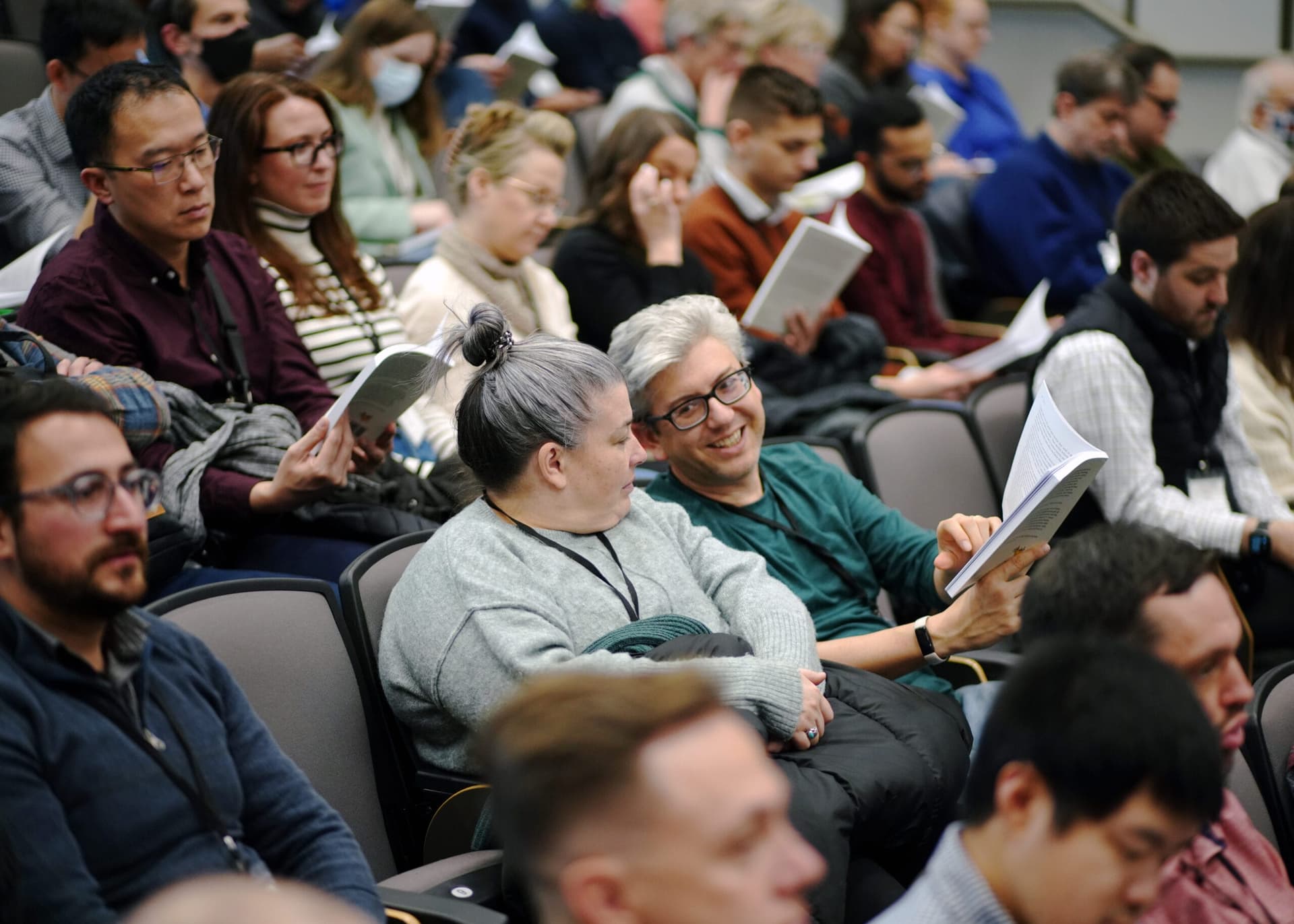
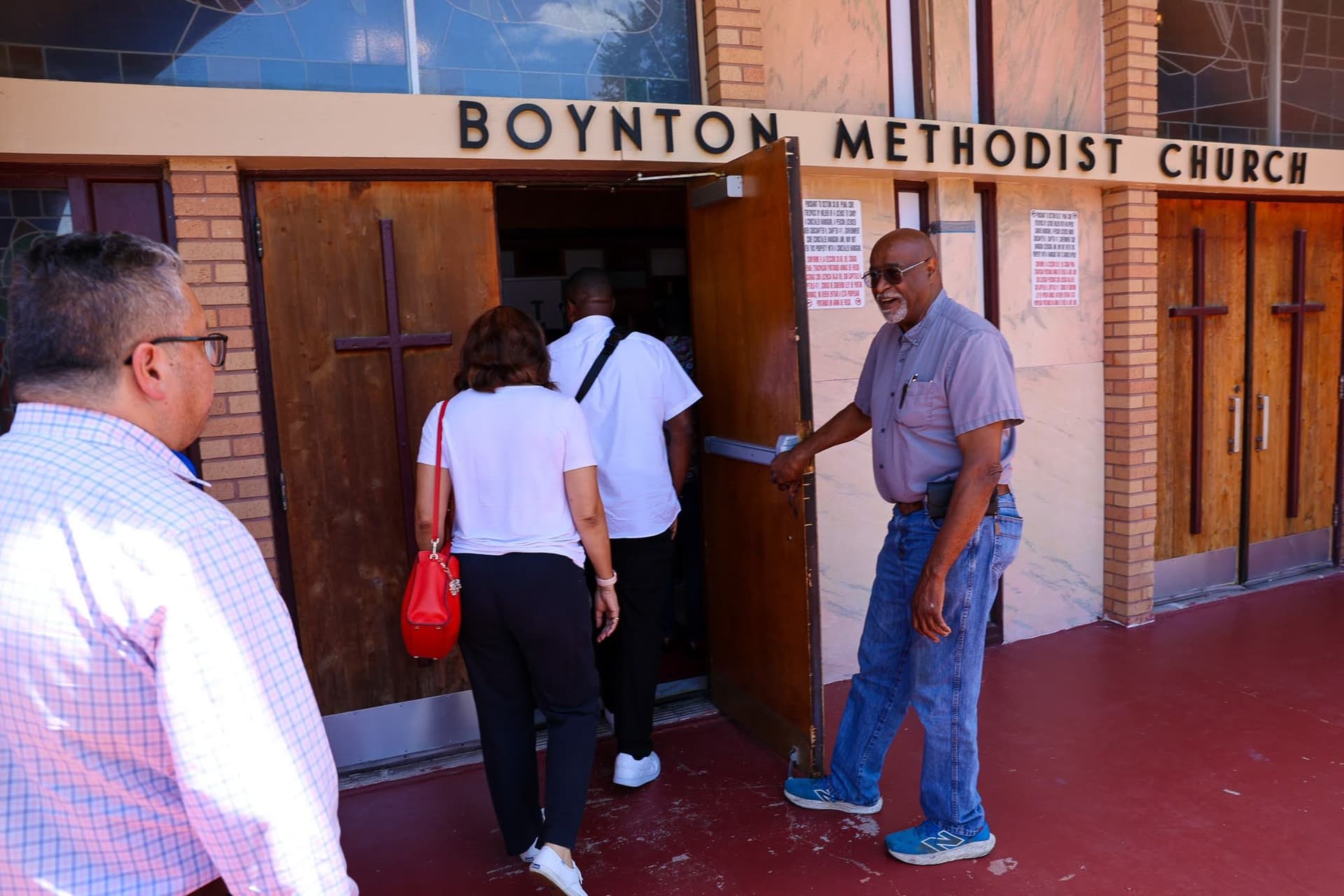
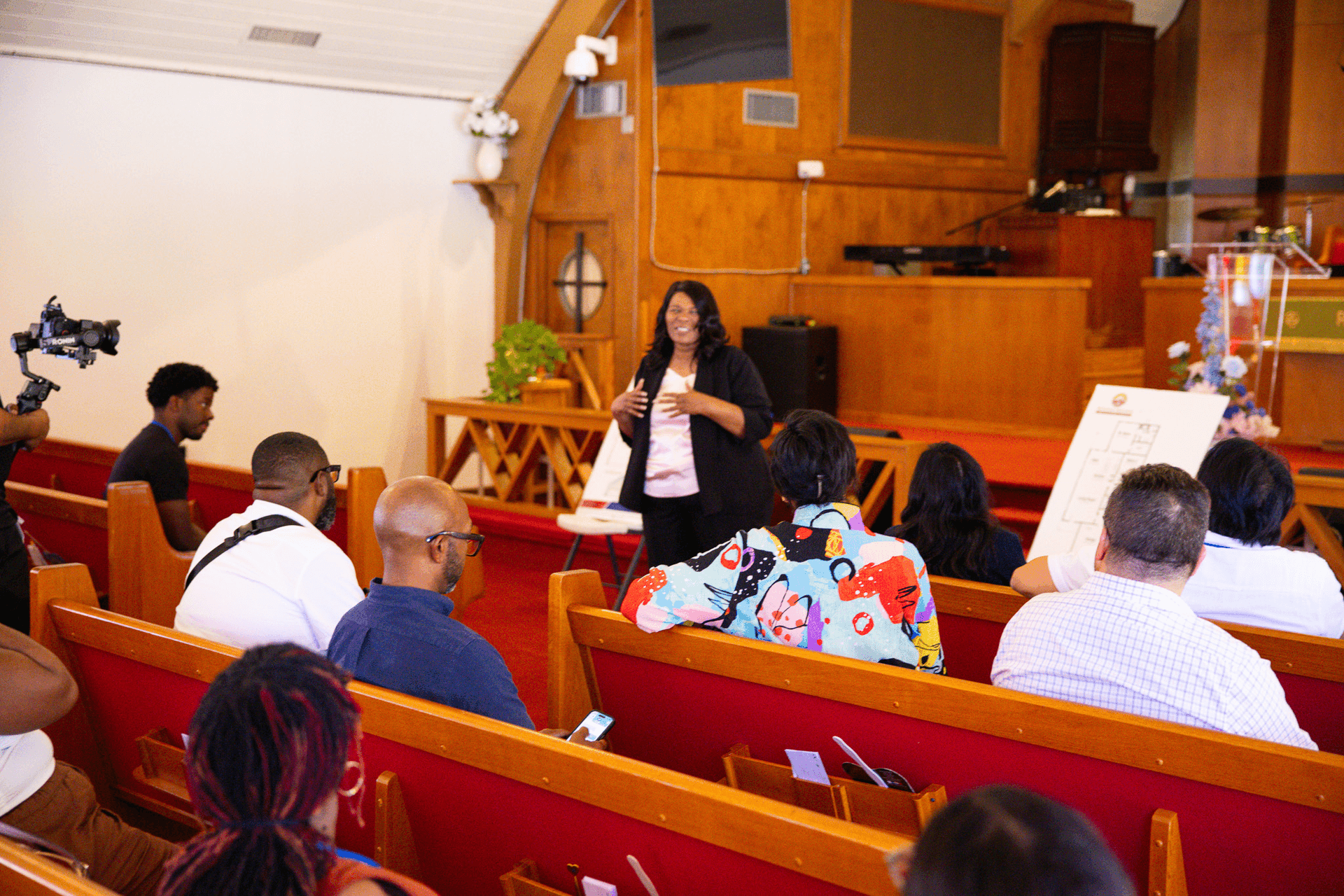
To better understand what it takes to turn faith-owned land into housing, SGA’s Center for Zoning Solutions recently convened faith leaders, developers, planners, practitioners, and local officials in Houston for a two-day convening on YIGBY.
What we heard? The land and will are there, but successful faith-based housing efforts will take more than zoning reform alone. Faith-based institutions need technical assistance, predevelopment resources, and strong partnerships to turn underused land into homes—and financing gaps, development capacity, and community buy-in all matter as much as reforming zoning code, which is only the first step.
Read more about what we learned in Houston and what could make faith-based housing work in your community.
The bigger lesson
Faith-based housing is ultimately about more than church parking lots. YIGBY shows that when communities pair better land-use rules with the right resources and partnerships, underused land can provide much-needed housing in the places people want to live, at prices more people can afford.
Related News






Livable places. Healthy people. Shared prosperity.


© 2026 Smart Growth America. All rights reserved
Site By3Lane Marketing
