




News
By Kathy Carter, September 16, 2026
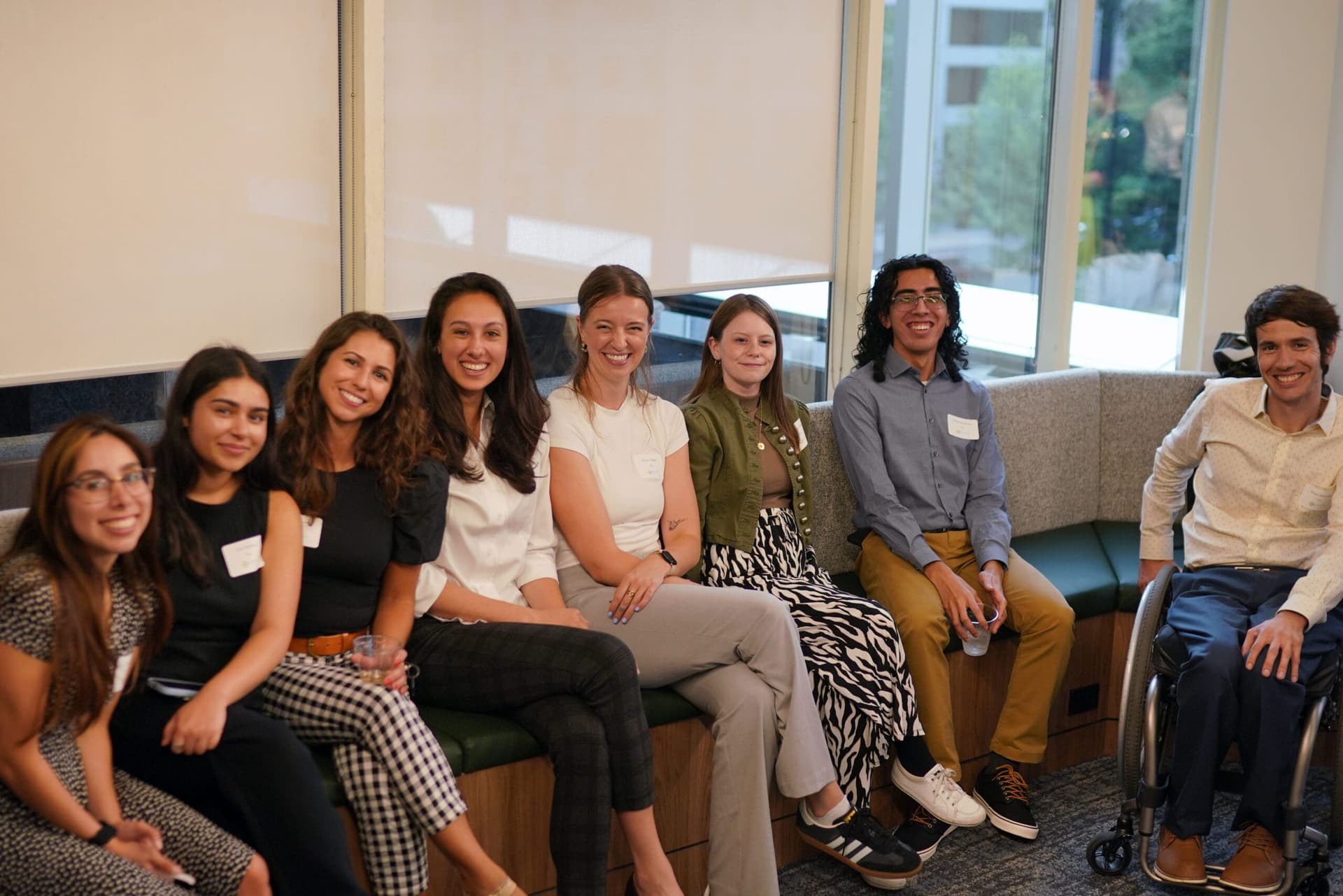
Last month, Smart Growth America's Center for Zoning Solutions brought together faith leaders, developers, planners, practitioners, and local officials in Houston, TX, for On Sacred Ground: A Conversation on Yes In God’s Backyard (YIGBY). Thank you to our local partner, the Houston Land Bank, and to the Robert Wood Johnson Foundation for its generous support.
Across the country, communities are grappling with the ongoing affordable housing shortage. As leaders look to build more housing, the "Yes In God's Backyard" (YIGBY) movement has emerged as one of the most promising responses.
What is YIGBY?
Faith-based institutions hold significant amounts of underutilized land, often in high-opportunity neighborhoods. Some of these parcels sit in neighborhoods already connected to schools, transit, and healthy environments, while others are situated in communities that have long endured environmental burdens—from their proximity to highways, industrial sites, or floodplains—where thoughtful development paired with investment can begin to redress those harms. In either case, unlocking faith-owned land can improve the well-being of people and their communities.
However, federal adoption and state uptake of YIGBY solutions have been slow. At the local level, the barriers aren’t a lack of land or will, but confusion about existing land-use policies and limited technical capacity within faith-based institutions.
In Houston, our central goal was to close the persistent gap between what planners, developers, and lawyers know is allowed, and what congregations, neighbors, and community-based organizations believe is acceptable, to build the tools communities need to act now. Building on the local movement underway, Houston—the largest U.S. city without a conventional zoning code—was a fitting backdrop to ask what faith-based development looks like where deed restrictions, land-use compliance, and financing can shape what gets built.

Inside the event
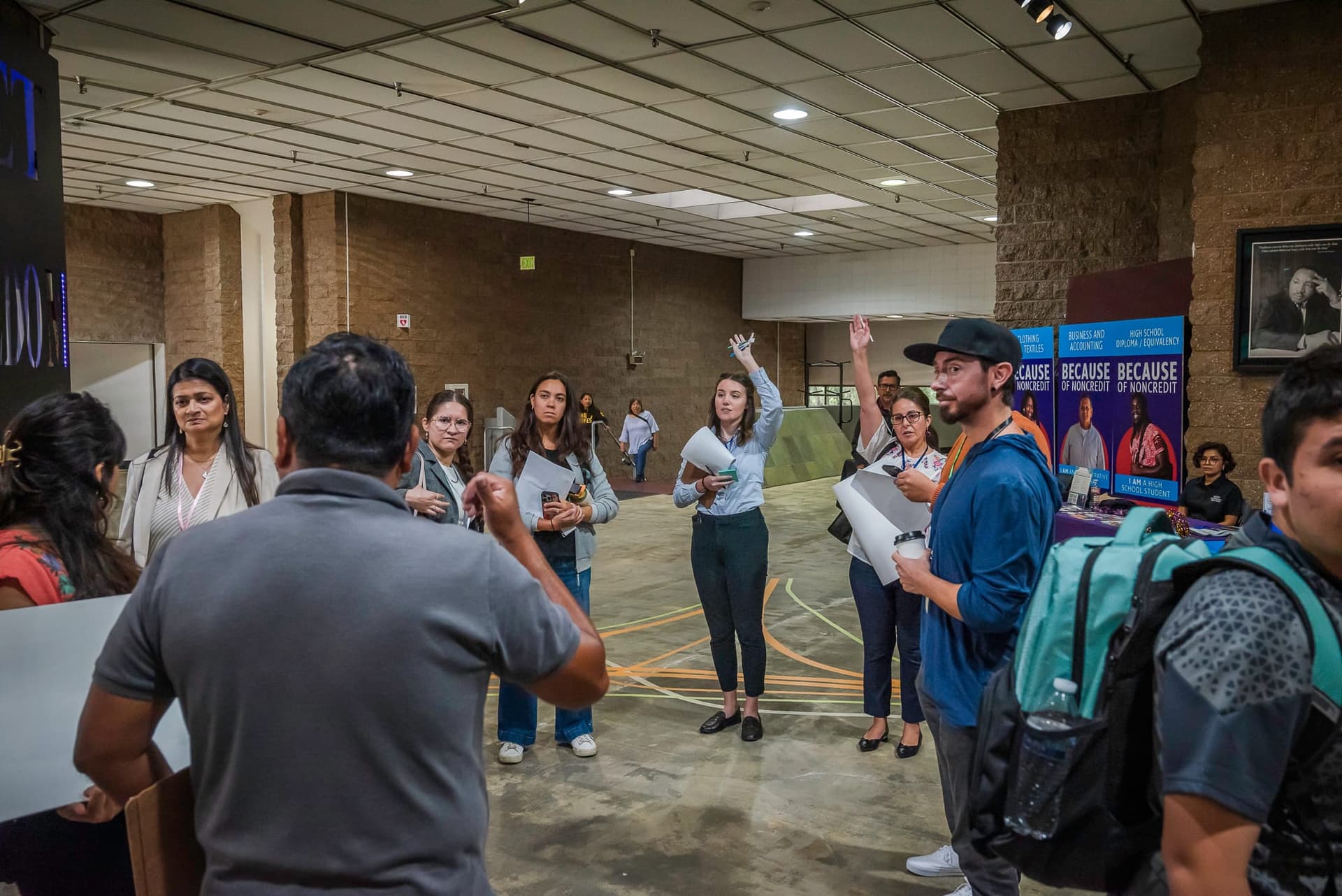
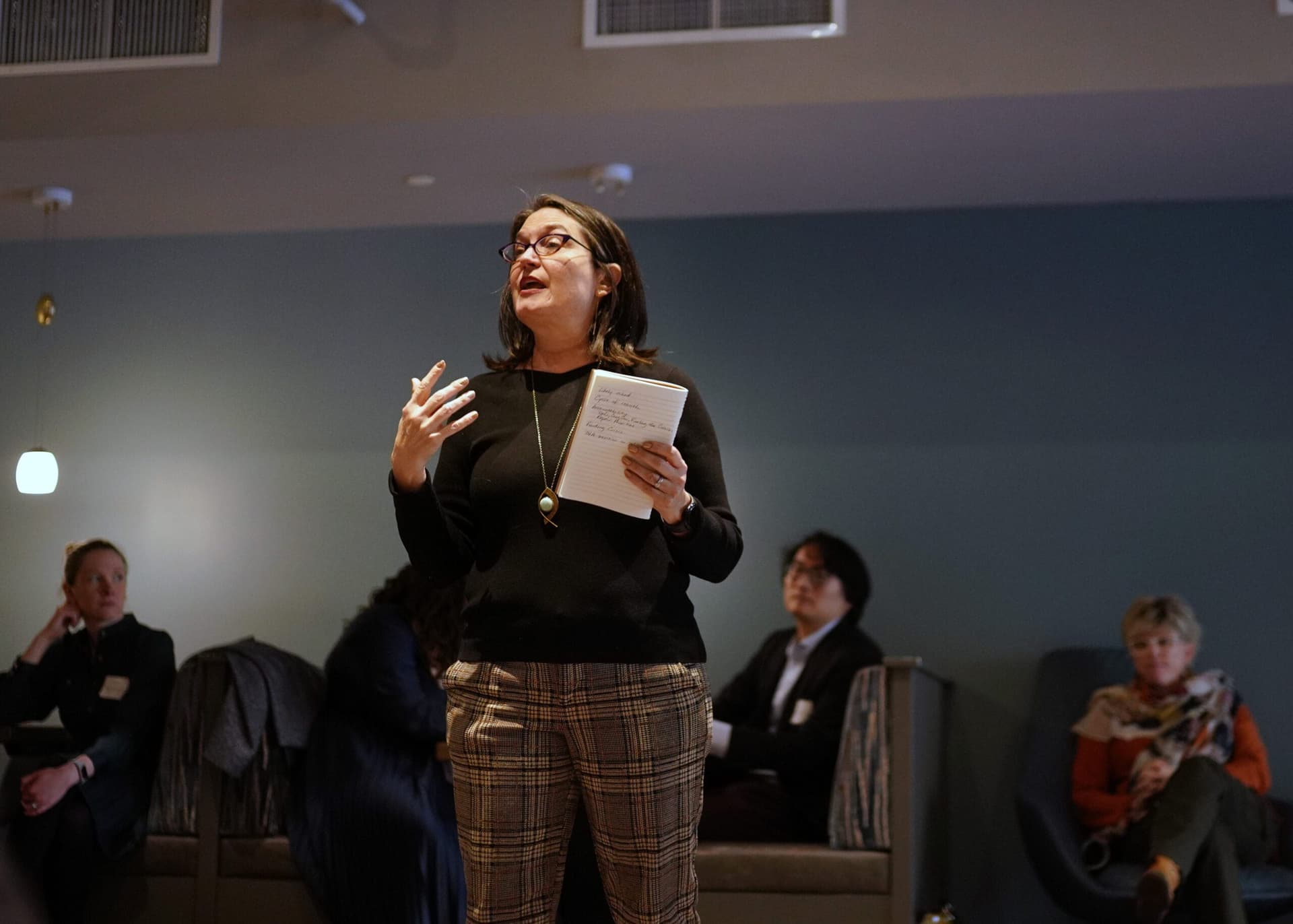
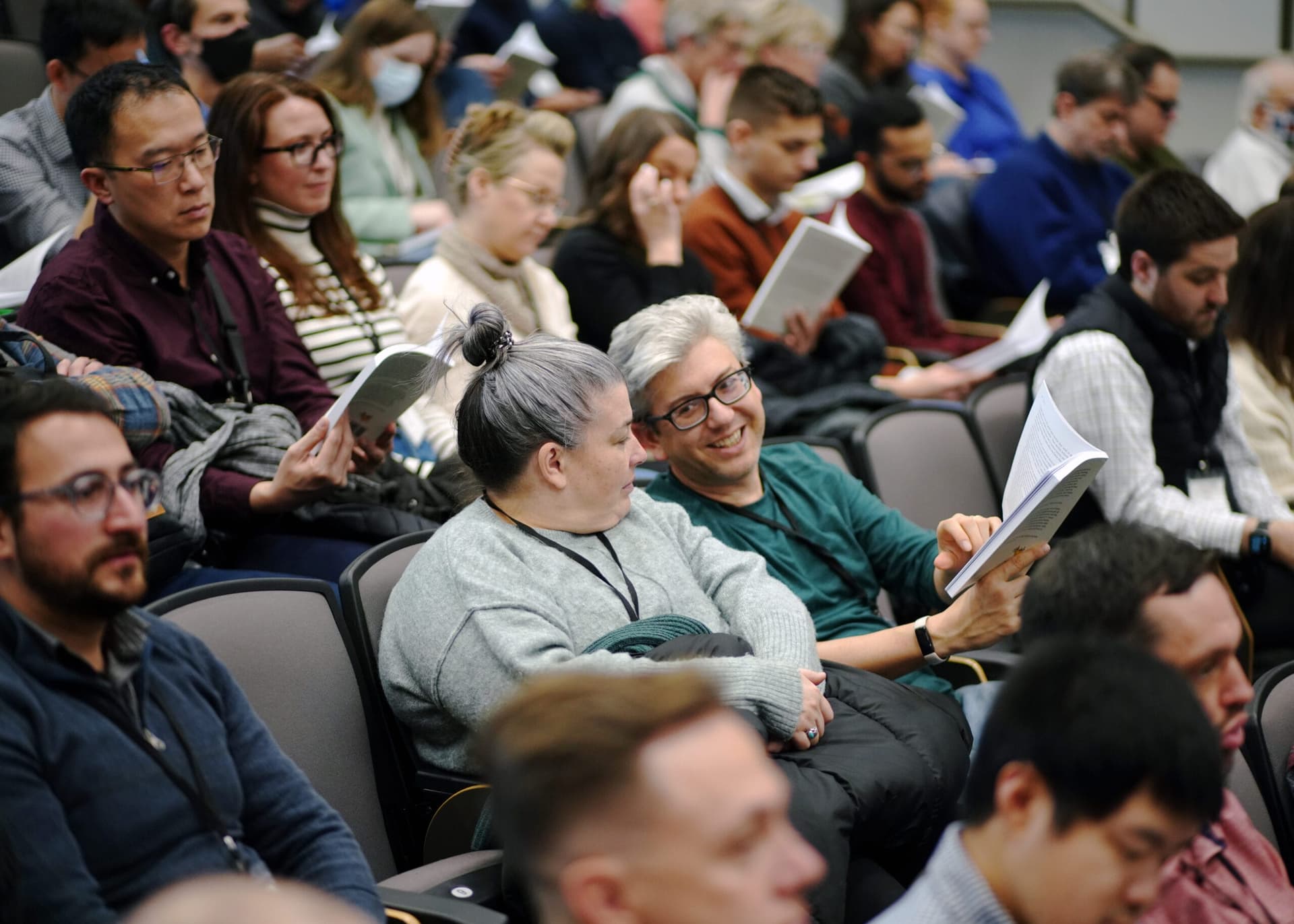
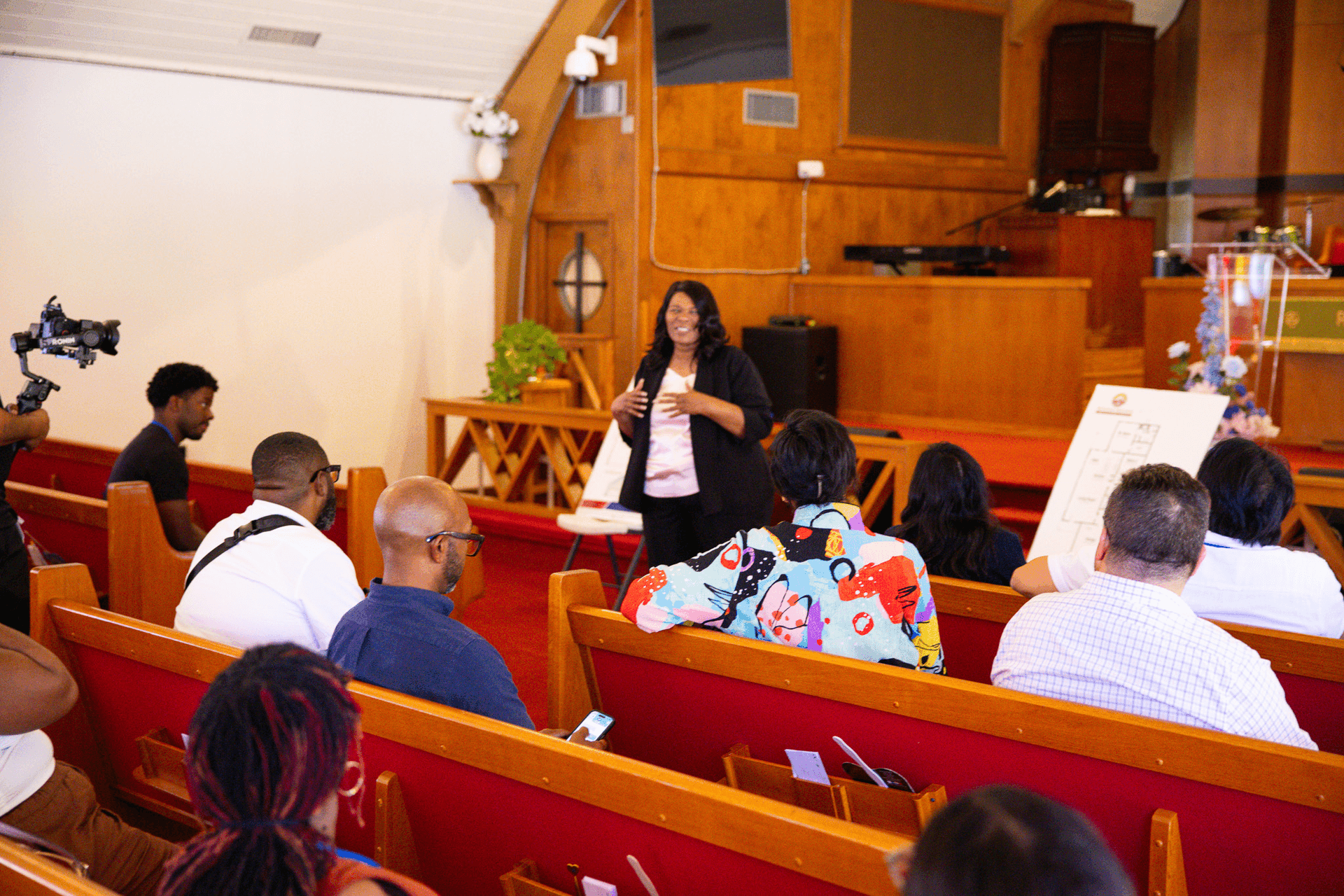
On Day 1, leaders from across the field and across the country came together for panel discussions, facilitated breakout discussions, and a fireside chat on YIGBY. These sessions traced the arc from local action to national context. A moderated keynote outlined work by the Urban League of Middle Tennessee and Enterprise Community Partners' Faith-Based Development Initiative to sketch out a replicable technical-assistance framework for congregations. One afternoon session brought together a real estate finance attorney, a pastor-developer, and other experts to discuss design, land-use, and financing barriers that faith-based institutions face.
A fireside chat on YIGBY legislation brought together Houston City Councilmember Tiffany Thomas, YIMBY Action Senior Campaigns Member Joh Gehlbach, and L.A. Voice Rev. Paul Daniels to map state and local policy solutions to address gaps that could be addressed in a national framework. To highlight federal YIGBY policy advances, U.S. Rep. Nanette Barragán (CA-44) spoke about her work on the YIGBY Act in a recorded video message from Capitol Hill, in which she recognized attendees' efforts to mobilize faith communities for affordable housing.


The convening also turned insight into actionable planning. With guidance from the Houston Chapter of the National Organization of Minority Architects, participants worked together to create a clear vision and roadmap for two local congregations, the Greater Emmanuel Family Worship Center and New Pleasant Grove Church, for future faith-based development.
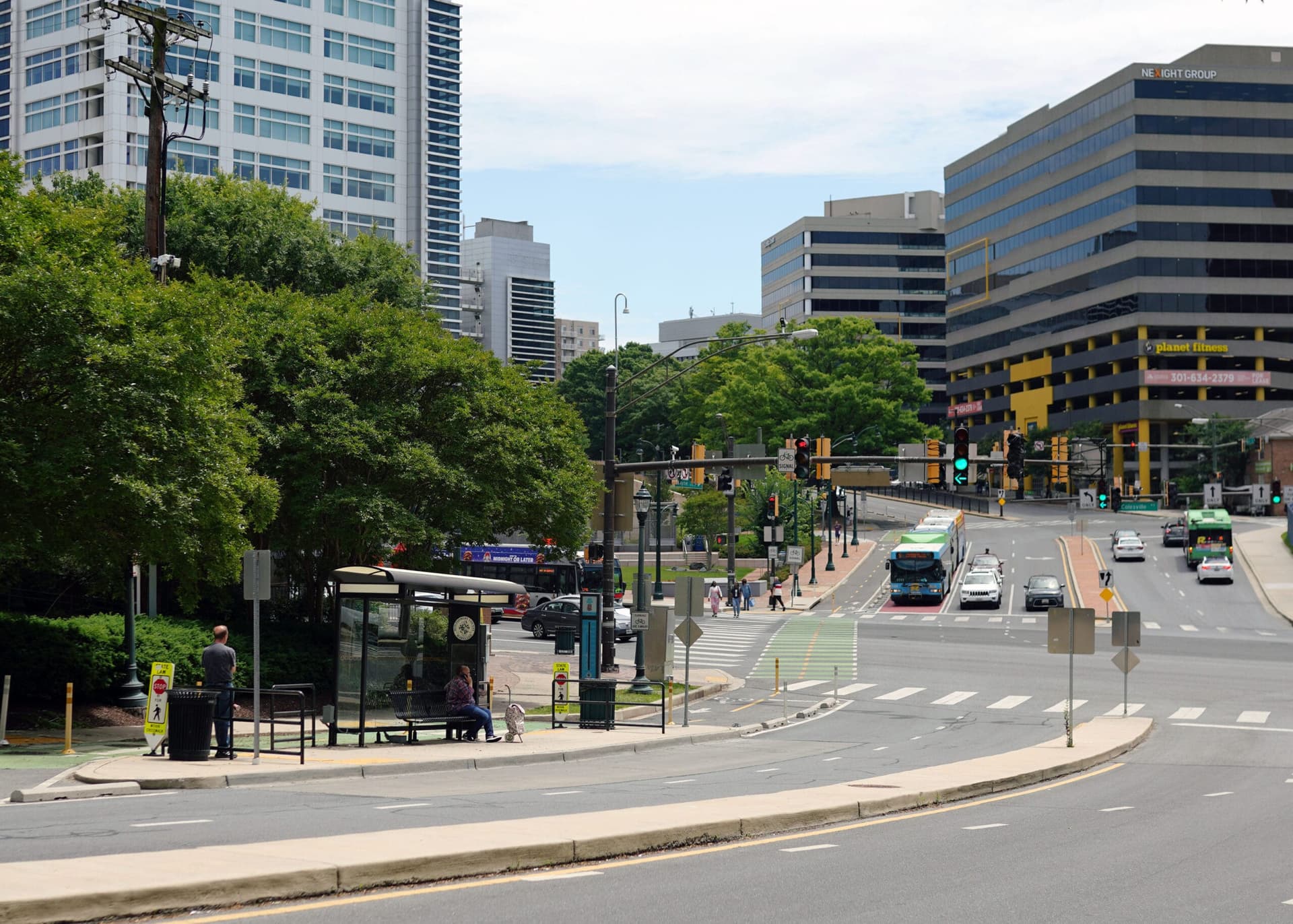
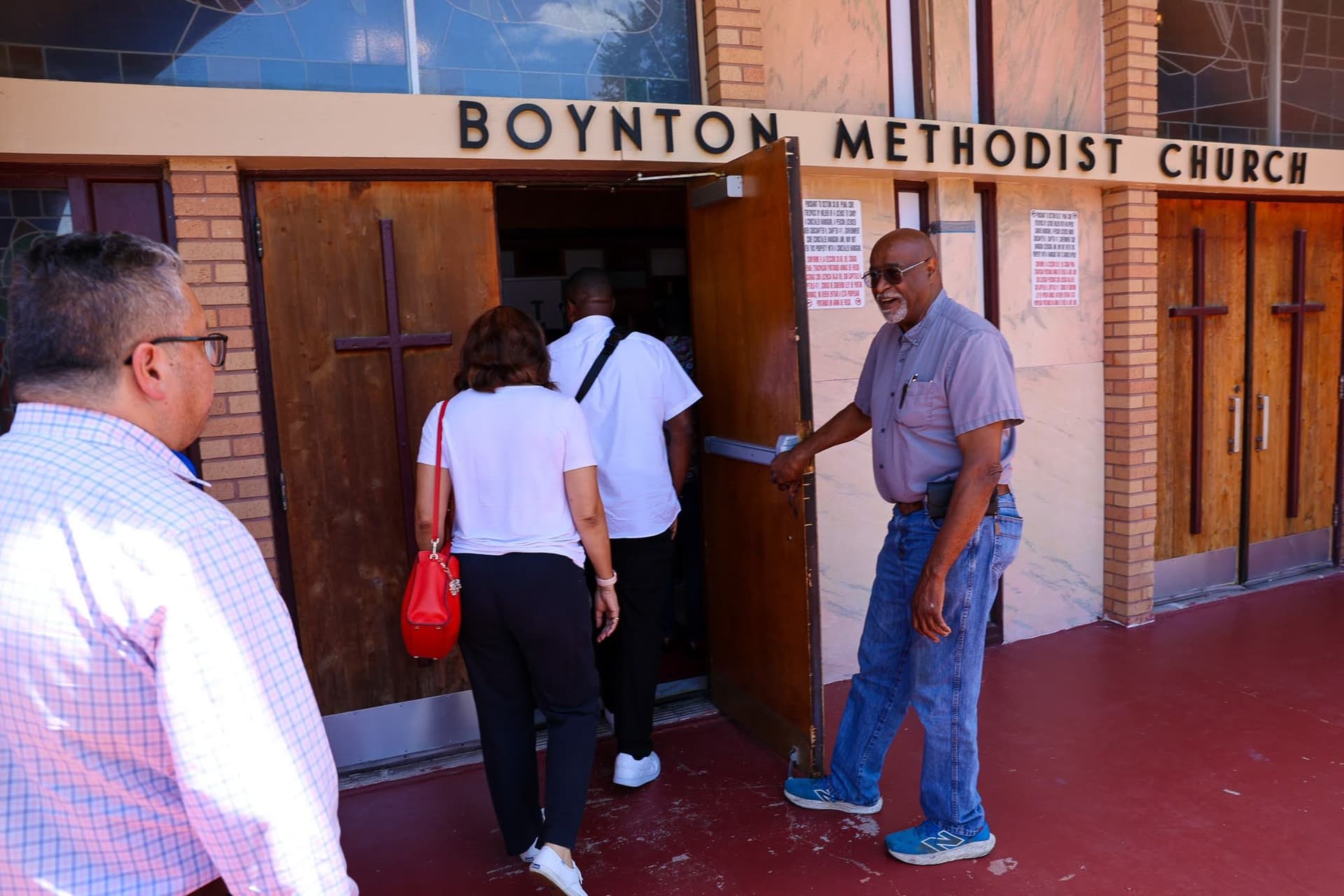
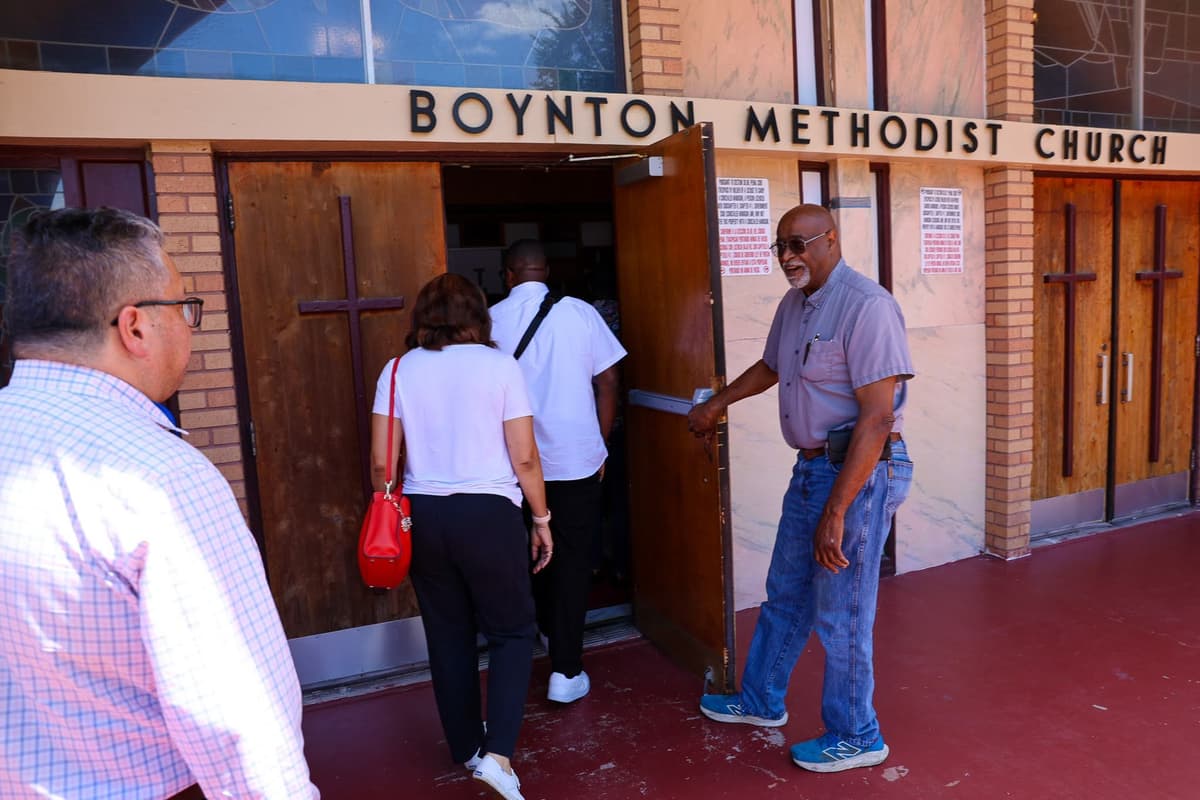
On Day 2, we moved into the city for a bus tour of the faith-based institutions already leading the way in YIGBY-aligned development. A guided bus tour visited three Houston congregations already proving the model: St. John's United Methodist Church, whose ministry anchors the 43-unit Knowles-Temenos Place Apartments; Fountain Life Center, created by The Fountain of Praise church as a hub for brownfield redevelopment and community revitalization; and Boynton Chapel Methodist Church, whose community development corporation is building affordable single-family infill homes in Houston’s Greater Third Ward neighborhood.

What we learned
From both days, a shared theme emerged: Faith-based housing moves when policy, capacity, and community trust advance together. Participants walked away with the following actionable insights:
- Local leadership matters. YIGBY is implemented at the local level, which means congregations, local officials, and grassroots coalitions are well-positioned to drive change in their own communities—right now.
- Capacity is the challenge. Reform only works when the people closest to a project—congregations, neighbors, and local officials—understand what the rules now permit and trust the process behind them. Congregations often have land and conviction, but need predevelopment resources and technical assistance to make a shovel-ready plan.
- Partnerships make progress. Land banks, community development corporations, developers, attorneys, and architects are each important pieces of the puzzle. The strongest projects assemble all of these partners early.
- YIGBY is already working. Houston is just one of several places across the country with examples of YIGBY development, and the stories behind them are among the most persuasive tools for turning skepticism into support.


What's next
On Sacred Ground reinforced a simple truth: the land is there, and so is the will. What the field needs now are the tools and partnerships to enable stronger connections in communities across the country. These challenges won't be solved overnight, but convenings like this help move the work forward.
Building on what we heard in Houston, the Center for Zoning Solutions will continue convening leaders, developing a replicable technical-assistance framework for faith-based development, and advocating for federal, state, and local policy that makes YIGBY possible.
The ground is sacred. Now let's build on it.
Related News




Livable places. Healthy people. Shared prosperity.


© 2026 Smart Growth America. All rights reserved
Site By3Lane Marketing
