









News
By Smart Growth Network, July 23, 2026
Authored by Caroline Daigle, with the American Council for an Energy-Efficient Economy (ACEEE) on behalf of the Smart Growth Network Executive Committee
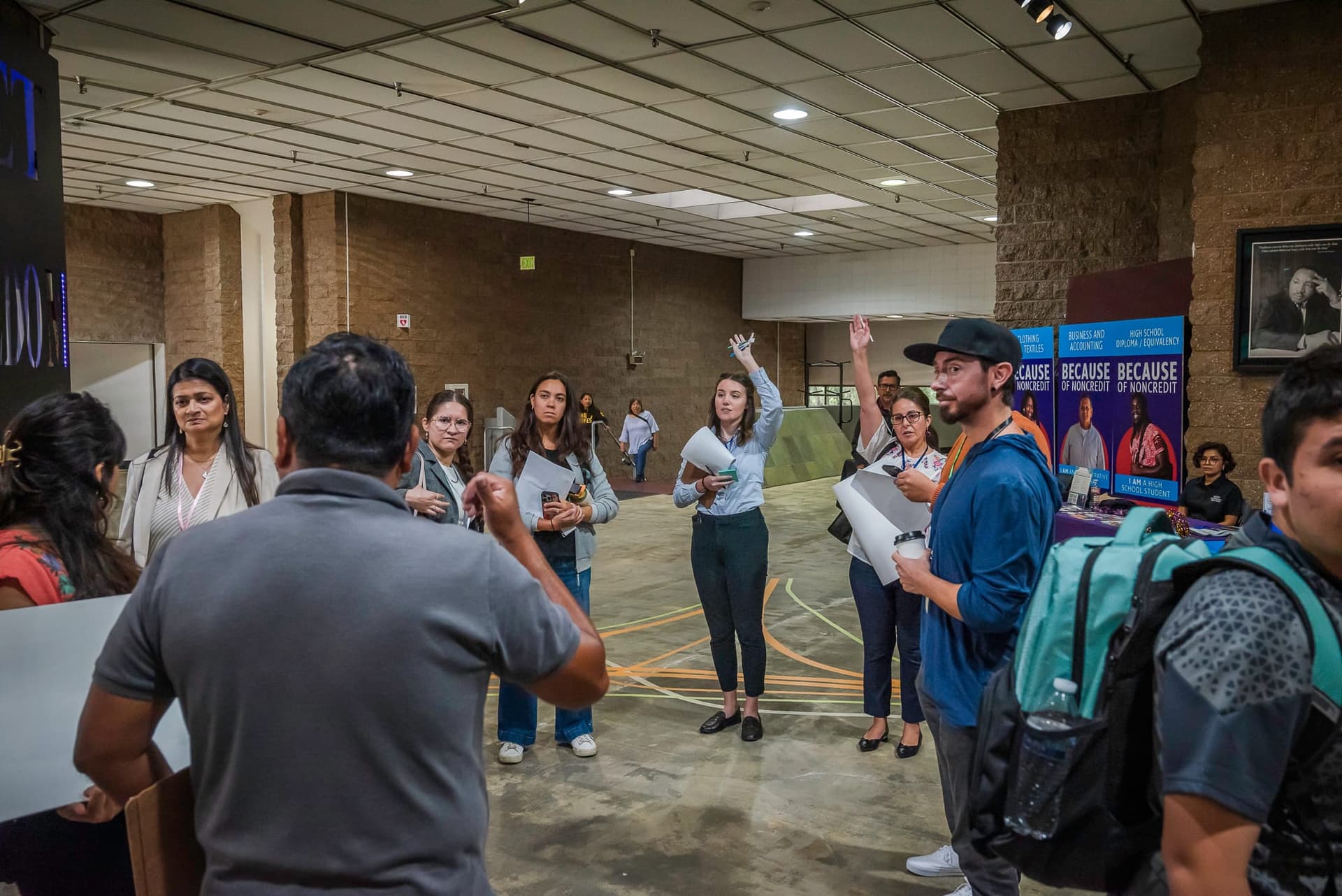
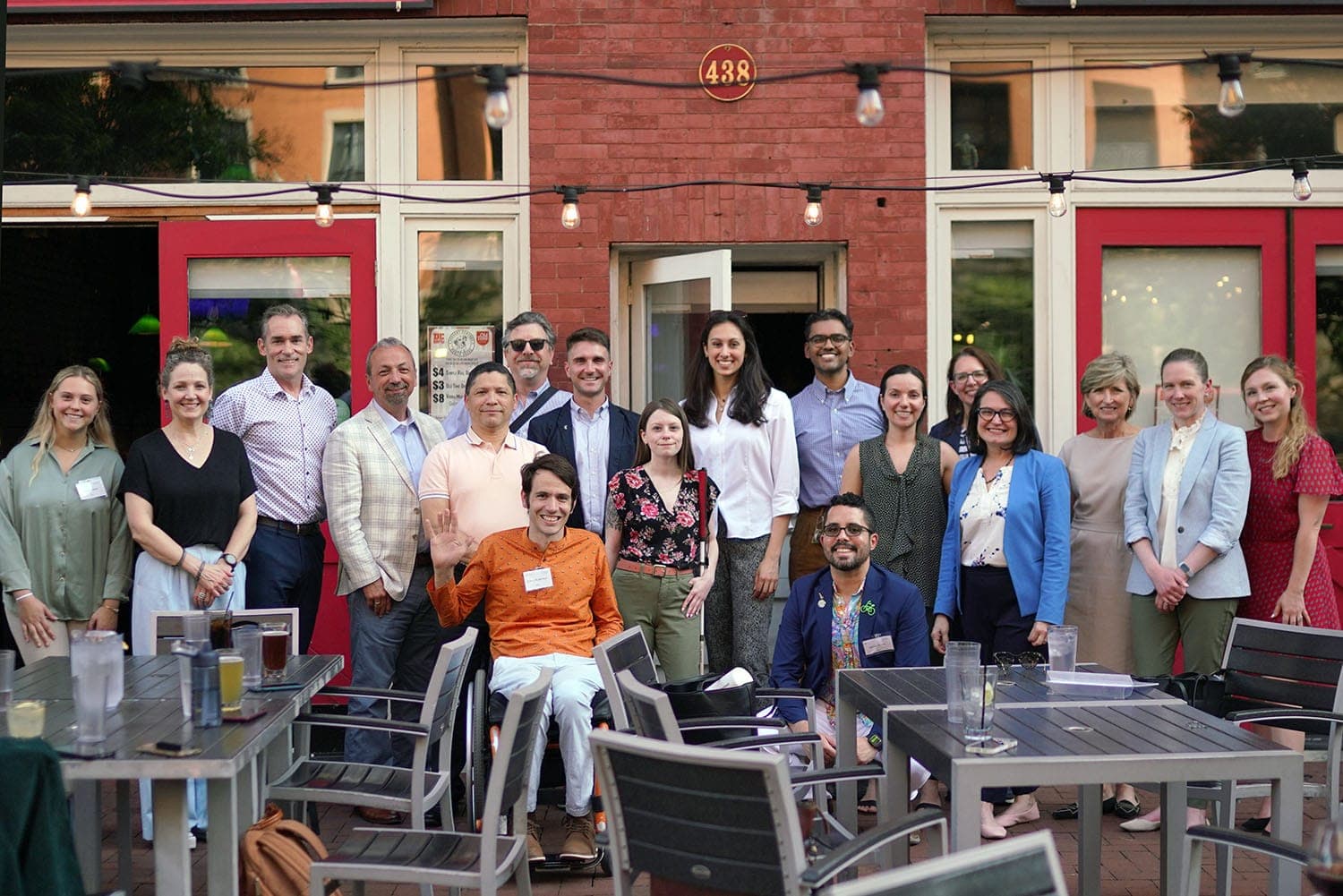
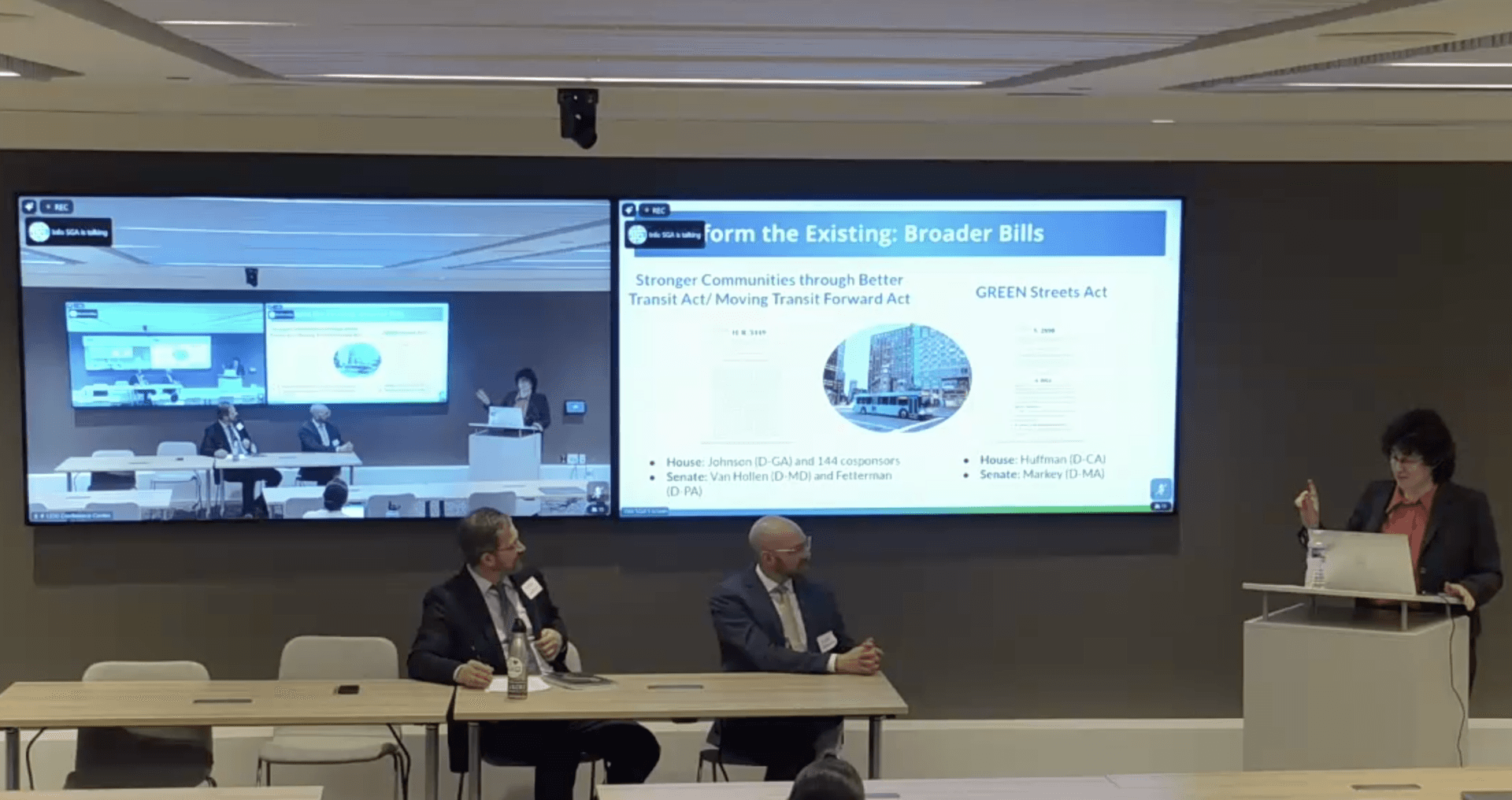
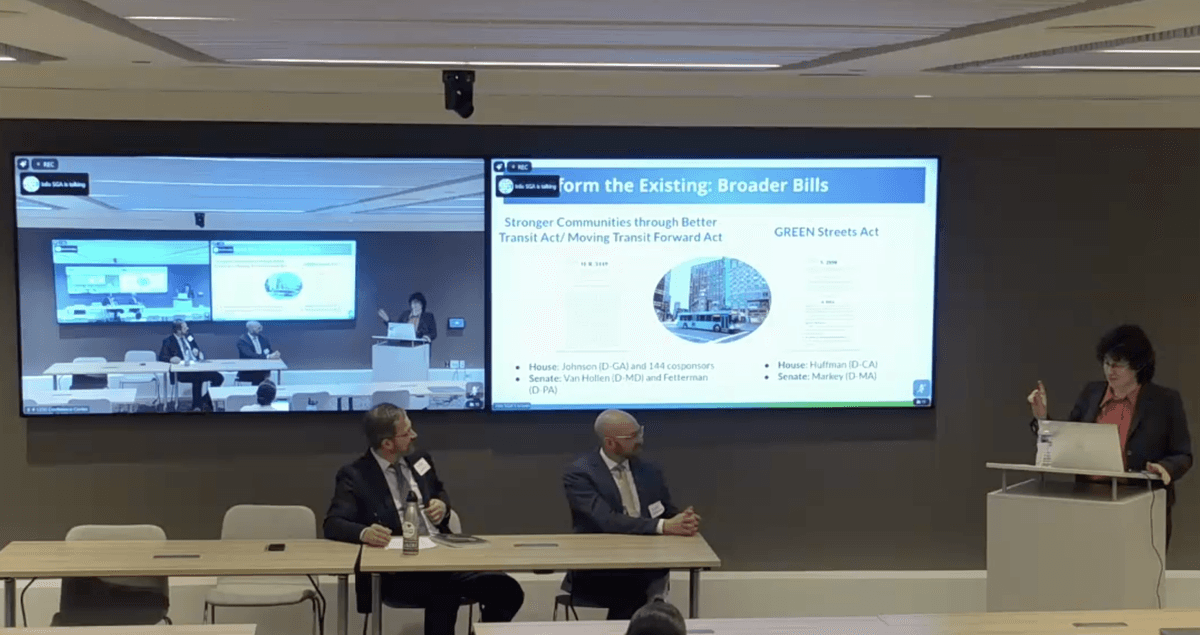
The Smart Growth Network (SGN) hosted its second quarterly discussion of 2026 on May 14 in Washington, D.C. SGN is an alliance of over 80 organizations working to advance sustainable, equitable, and healthy land use and infrastructure policies. The network hosts quarterly discussions to provide a space for sharing and elevating emerging ideas, research, and best practices from around the country.
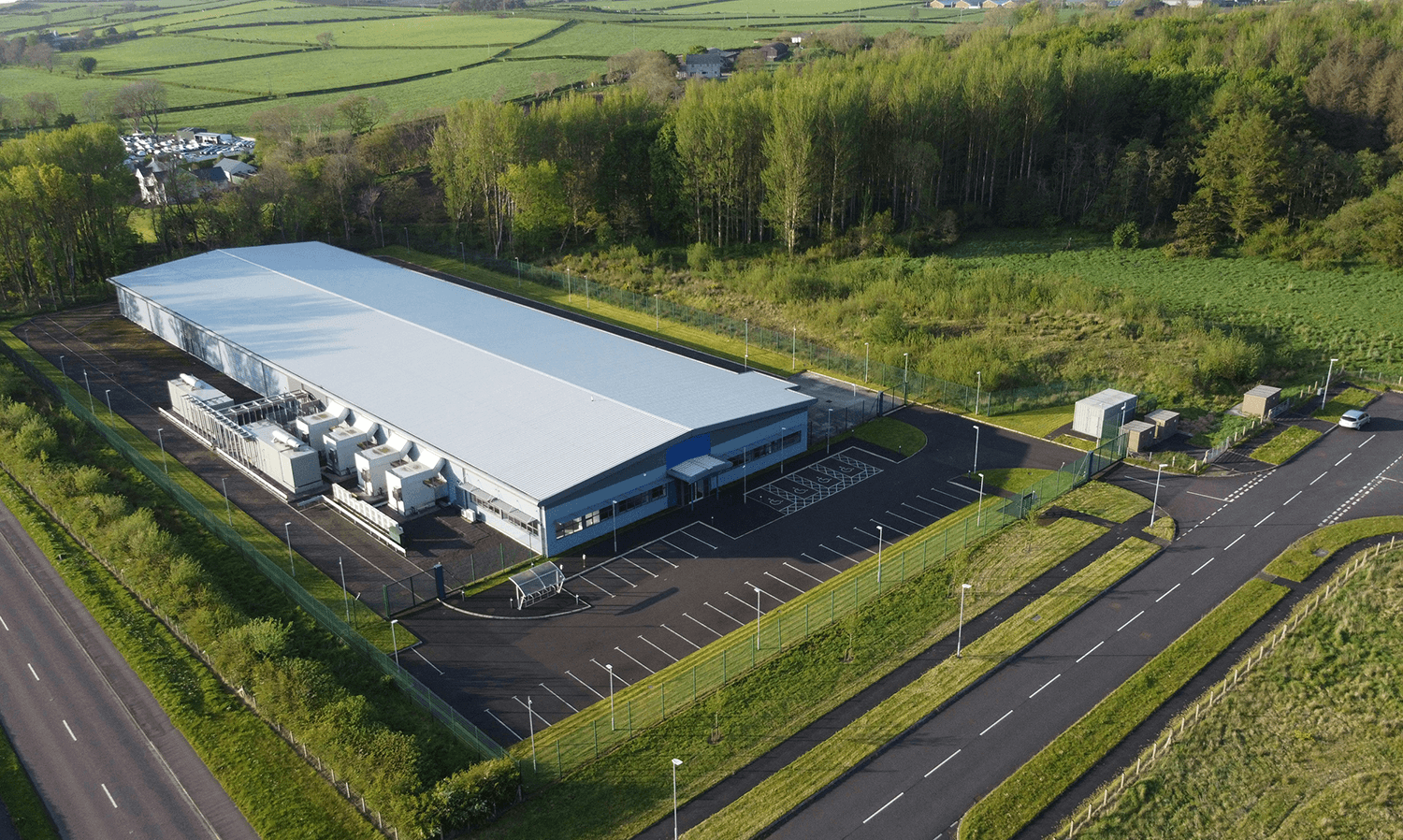
May’s event focused on the timely topic of data centers. With nearly 3,000 new data centers either planned or under construction across the country, many communities are grappling with how to best plan for, regulate, and leverage these facilities in accordance with their broader land use planning goals.
During the quarterly discussion, Mary Ann Dickinson with the Lincoln Institute of Land Policy, Khalil Shahyd with NRDC, and Daniel Goetzel with the Brookings Institution and Harvard Kennedy School offered cross-sector perspectives on how data center development is affecting communities and how practitioners are beginning to respond. To ground the national insights in local practice, the group also heard from Gary Larrowe, county administrator of Botetourt County in rural Southwest Virginia, where Google is building a new data center campus.
To best align with smart growth goals, all speakers emphasized how local communities need to consider the social, environmental, and economic systems in which data centers operate. A few key themes emerged from the discussion.
Tailored regulatory tools can help guide data center development
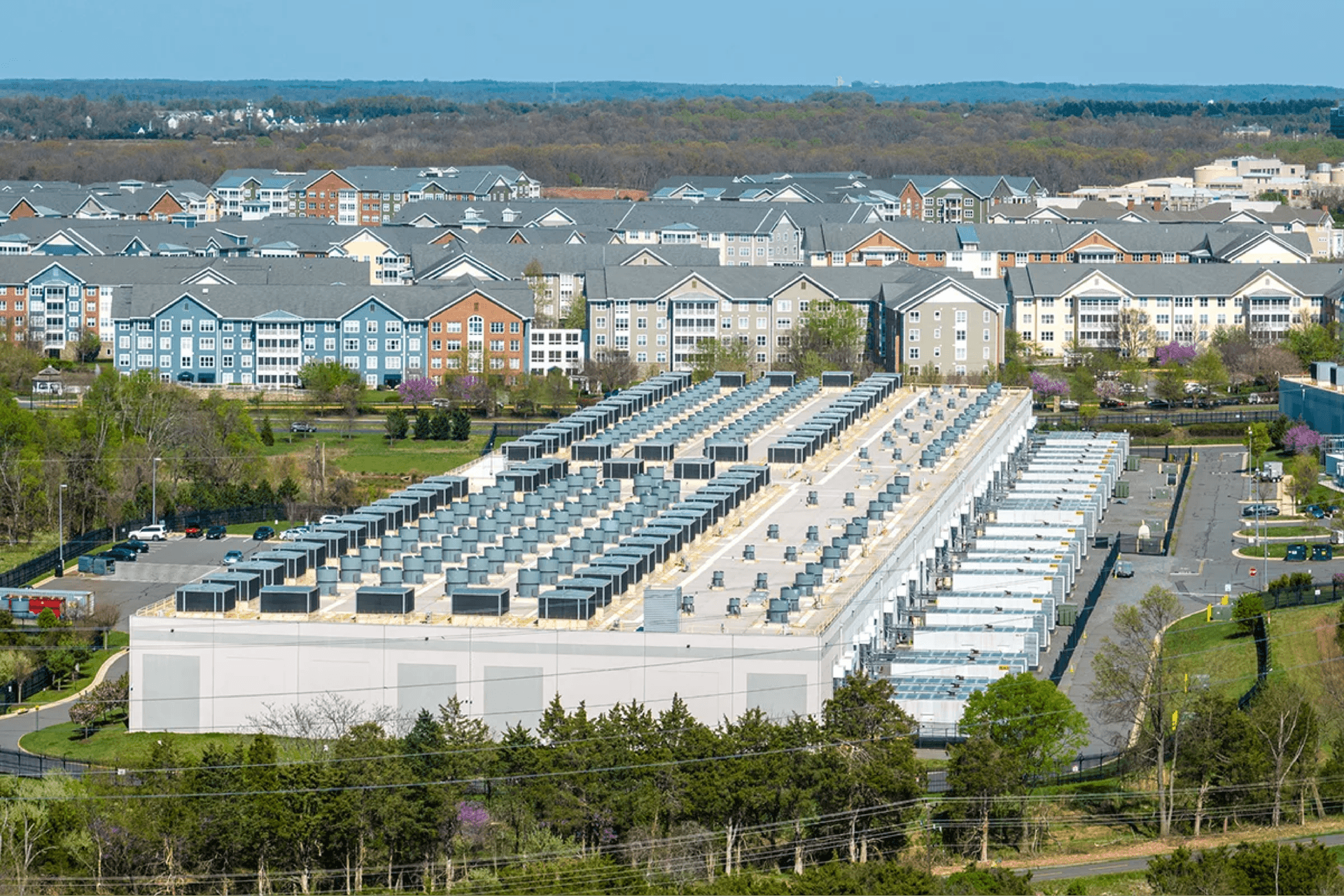
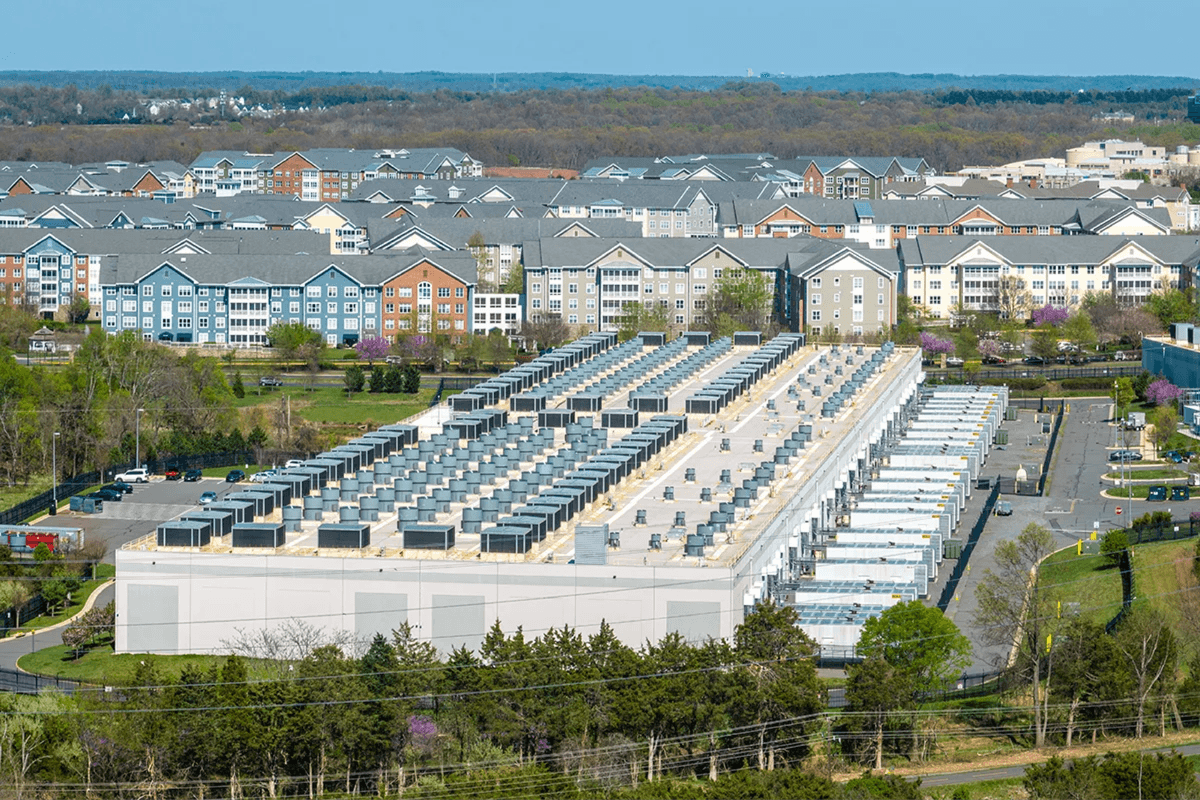
Data centers vary by scale and impact. Many communities may have had smaller, less energy-intensive data centers operating for years without causing many issues, but more recent hyperscale data centers—with land footprints spanning several hundred acres and intensive energy requirements often surpassing 100 megawatts—present new challenges that call for new tools.
These hyperscale data centers have especially significant implications for local water systems, requiring as much as 5 million gallons of water daily. As communities, particularly those in rural areas, review proposals for new data centers, panelists emphasized the importance of developing fine-tuned local ordinances rather than relying on overly blunt policy instruments like data center moratoriums. Model ordinances and other policy guidance can offer a blueprint for under-resourced communities, but the most effective regulatory tools will be tailored to the local context.
In addition, given the competitive nature of the industry, many data center proposals include non-disclosure agreements and limited or vague estimates of the facilities’ projected energy and water consumption. Well-designed local ordinances can include provisions for these unknowns, such as regulatory actions that will kick in if consumption crosses a certain threshold.
Local officials should think long-term about the impacts of data center development
Development review processes and permitting decisions are relatively short-term actions in the grand scheme of land use planning. To best prepare for a resilient future, local leaders should look beyond these decisions on the immediate horizon to also evaluate long-term implications. While goals like job creation and economic development may be front of mind for many, panelists emphasized how communities also need to think about the full lifespan of hyperscale data centers as a land use.
Rapidly evolving AI computing hardware, like chips and servers, is advancing much faster than previous generations of data center technology, meaning today’s data centers could risk becoming obsolete in years, not decades. Thinking about “what comes next” will help local planners make decisions that serve their communities both today and in the long-term. Local officials can also hedge against the risks of early decommissioning by enacting policies that trigger financial remittances to the local government to help deal with abandoned sites.
The discussion also highlighted how local leaders should weigh the overall impacts of data centers across multiple measures, avoiding overreliance on a single metric for their decision-making. For example, a well-rounded analysis could reveal whether projected gains to local tax bases from data center development are over-inflated. To make local tax incentive packages a good deal for communities, these projections are critical to get right. Similarly, construction jobs supported by data centers may pull labor from other industries, like housing development. In a tight construction market, this could result in increases to housing construction costs that may not be immediately on the radar of many decisionmakers.
Negotiations between small towns and global corporations can feel unbalanced, but regional and statewide leadership can help level the playing field
Although the impacts of data centers are felt most directly at the local level, the discussion also highlighted how hyperscale centers interact with regional and statewide water systems and electric grids. To best address all the potential implications of data center development, communities should think not only about project-level questions but also about ecosystem-level questions.
Regional planning commissions and state governments have started stepping up to help decisionmakers zoom out from the project-level lens. This leadership also provides more consistency to data center regulation, which can help set clear expectations for private sector developers as well as unlock creative opportunities for partnerships that benefit more communities across the state. For example, in Wisconsin, state leadership on this issue has led to workforce development partnerships between data center developers and universities across several communities.
Locally developed Community Benefits Agreements are an essential tool for unlocking shared prosperity
As highlighted throughout the discussion, communities need locally developed tools that allow them to tap into potential gains from data center development while also protecting them against unknowns in a rapidly evolving industry. Community benefits agreements are one promising policy mechanism. These agreements can provide assurances for local communities and ultimately foster strong and sustainable partnerships with developers.
As Botetourt County Administrator Gary Larrowe described, negotiations between communities and developers can lead to agreements that deliver strong local benefits. In Botetourt County, leaders secured extensive funding to deliver multiple elements of the county’s Capital Improvement Plan, including purchasing multiple new emergency vehicles and funding a major renovation of the local library, as part of their community benefits discussions with a data center developer. To make these investments most impactful, Larrowe advised communities to tie them to specific budget line items rather than unspecified general fund contributions.
What’s Next
Data centers are a new frontier for many communities. But locally tailored regulatory tools, strengthened by regional and statewide leadership, can help communities protect their smart growth goals while still unlocking meaningful benefits from data center development.
A recording of the discussion can be found here. If you are interested in joining the Smart Growth Network for future discussions on timely policy issues related to smart growth, please complete this short membership interest form.
Related News






Livable places. Healthy people. Shared prosperity.


© 2026 Smart Growth America. All rights reserved
Site By3Lane Marketing
