






News
By Eileen Pomeroy, June 16, 2026
Memphis, in the second straight report, ranks as the deadliest metro area for pedestrians in the United States, with a pedestrian fatality rate of 5.5 people killed annually per 100,000. Despite years of warnings and national attention, Memphis’s streets continue to become more deadly for people walking.
Since the last time Smart Growth America published Dangerous by Design in 2024, Memphis, TN, remains the deadliest metro area in the U.S. At that time, Memphis’ pedestrian fatality rate had nearly tripled since 2009. Dangerous by Design 2026 reports that the city’s pedestrian fatality rate has continued to rise, with total deaths nearly doubling from 44 fatalities each year between 2015 and 2019 to 74 fatalities between 2020 and 2024. That means someone is killed on Memphis roads almost every five days.
What makes the roads in Memphis so dangerous? Two years ago, SGA visited the city to find out, meeting with residents and practitioners on the ground who described the ongoing challenge in Walking in Memphis: These streets are Dangerous by Design.
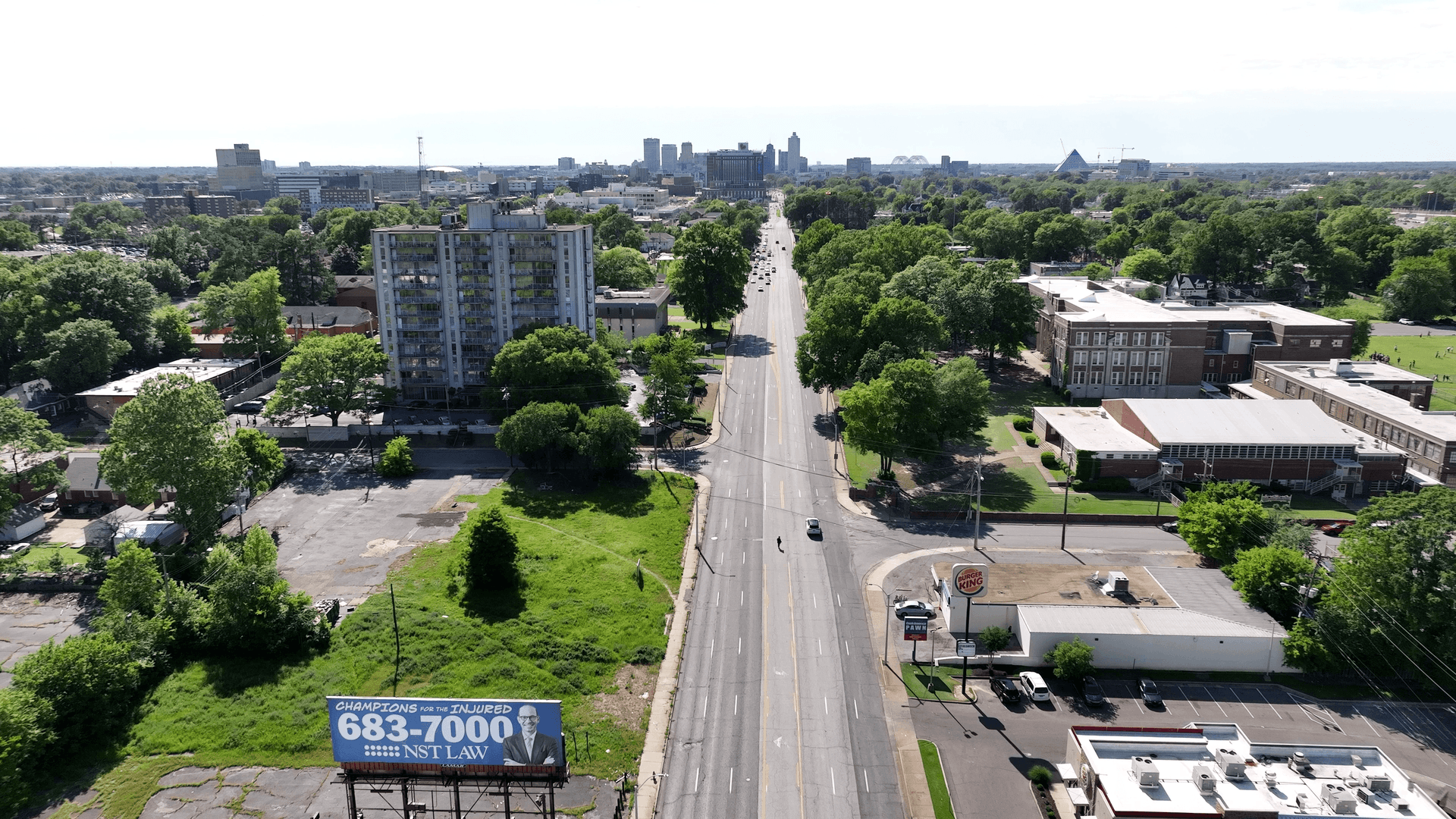
The video joins Memphis residents Vernice Foster and Shannon Curtis as they travel their regular routes and discuss the challenges of traveling on streets like Poplar Avenue, which has seven lanes of traffic, and Summer Avenue, where the crash rate is twice that of similar roads. These streets perfectly illustrate what it means to be dangerous by design: crumbling sidewalks with significant gaps, wide lanes that encourage fast speeds, and barely visible crossings placed far apart, prompting people to cross the street at locations. These are the designs practitioners choose when they prioritize speeding cars over people’s safety. Residents in neighborhoods like The Heights, who rely more on walking and biking, often face fear as they run everyday errands to meet basic needs.
Since our video, people in Memphis have continued to be struck and killed. Just this spring, residents as young as six have been killed on their roads. In February, three people were hit by cars in a single day, including one who was killed near the intersection of Poplar Avenue and Claybrook Street. Last week, 13 crashes involving pedestrians happened across the city. These individual stories are tragic but represent only a small part of the pain caused by the city’s inability to stop these preventable deaths.
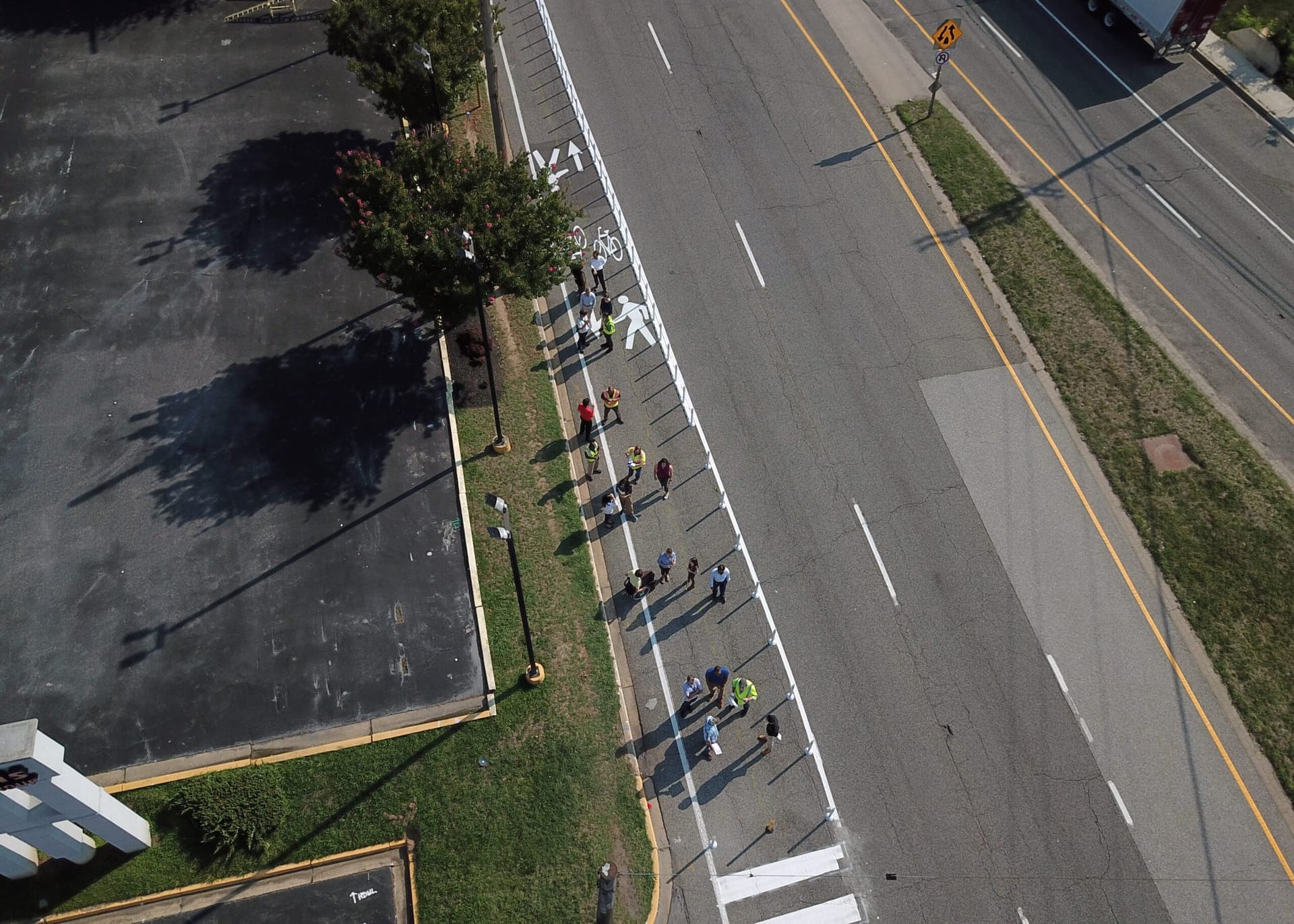
There is some work being done in Memphis. Our video spotlights street redesign projects in the city, including on National Street, where cars once sped down the four lanes next to a school. Now, its middle lanes are a grassy median with a park and a mixed-use path where people can walk and bike safely. Clearly, we know how to design streets that prioritize safety and encourage active transportation, but far too many places choose not to. Projects like National Street signal progress, but the numbers demonstrate that they aren’t enough to slow the growing crisis.
Memphis remains the deadliest metro area on our list, but even areas that dropped in the rankings haven’t necessarily become safer. More than 80 percent of metro areas have made no progress since our last report, and the 14 most dangerous have rates exceeding the highest rate in our initial Dangerous by Design report from 2009. The images and stories from Memphis are the reality in far too many places across the country.
As we’ve noted before, street designs that change roads with multiple lanes, missing or infrequent crosswalks, and other features that put speed over safety—ideally taking a Complete Streets approach—improve safety for pedestrians, who are most at risk while traveling on our roads, as well as for drivers, who don’t want to hit and kill anyone walking.
Memphis shows that broader changes are urgently needed to address the growing crisis. We need design standards that reflect best practices and are supported by sufficient funding to implement street redesign at every level, holding places that refuse to act accountable. With recent federal funding, including a $6.8 million Safe Streets for All grant, Memphis leaders once again have the opportunity to implement reform and save lives.
Related News








Livable places. Healthy people. Shared prosperity.


© 2026 Smart Growth America. All rights reserved
Site By3Lane Marketing
