








News
By Eileen Pomeroy, June 18, 2026
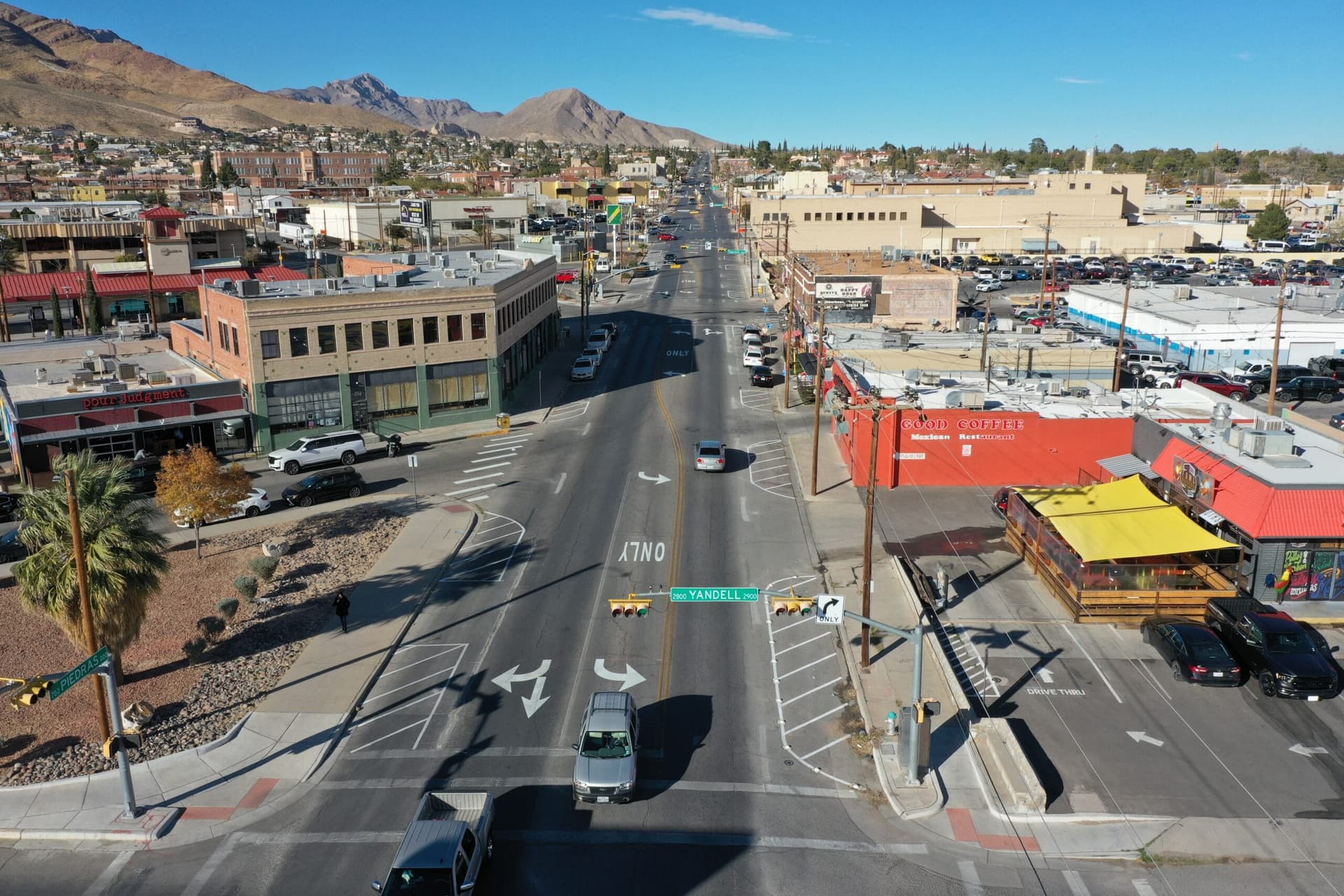
After years of concerted efforts by community advocates and city officials to address roadway safety by adopting policies, allocating resources, and implementing street design changes that prioritize safety, El Paso is one of the few U.S. cities starting to move toward a future in which residents aren’t forced to risk their lives to reach a destination.
After a decade of rapid growth and continued sprawling development, El Paso’s pedestrian fatality rate started rising faster than other metro areas. From 2010 to 2019, El Paso saw 2.6 deaths per 100,000 people, ranking it the 20th most deadly metro area in the 2021 edition of Dangerous by Design. But our newest version of Dangerous by Design suggests that things may be starting to change. From 2020 to 2024, El Paso’s pedestrian fatality rate fell to 2.33 deaths per 100,000 people. Compared to the highs experienced during the 2015–19 period, that’s a decline of .62 deaths per 100,000 people—more than a 20 percent decline. While the region remains far too dangerous for people walking, this improvement stands out at a time when many metro areas continue to move in the opposite direction.
That drop in pedestrian fatalities didn’t happen by chance. Although El Paso established roadway safety goals in its 2012 Comprehensive Plan, progress was limited until city officials realized they needed additional guidance and began working toward a Vision Zero approach. City staff weren’t the only ones who recognized that something needed to change. Around the same time, advocates formed the El Paso Complete Streets Coalition, led by the American Heart Association and funded through a Centers for Disease Control and Prevention grant, to address both road safety and public health challenges.
Over the next two years, coalition members and city officials worked together to build support for a Complete Streets policy. In collaboration with the National Complete Streets Coalition and Safe Routes Partnership, El Paso drafted a policy drawing on Tucson, AZ’s 2019 Complete Streets policy. This policy was later recognized as one of the top policies from across the country in the National Complete Streets Coalition’s 2023 Best Complete Streets Policy Report.
To implement the policy, the city immediately approved an updated street design manual that ensures street design supports the safety of everyone who uses their roads, including pedestrians, bicyclists, and transit users. The manual requires engineers to take a more holistic approach to project review, and managers even use a Complete Streets checklist that prompts them to consider design features such as lane widths, pedestrian infrastructure, bike lanes, and traffic-calming countermeasures in both new projects and reconstruction efforts. In addition to formally updating their project approach, Transportation Planning Administrator Anna Mesa-Zendt said the manual helped usher in a cultural shift inside city government.
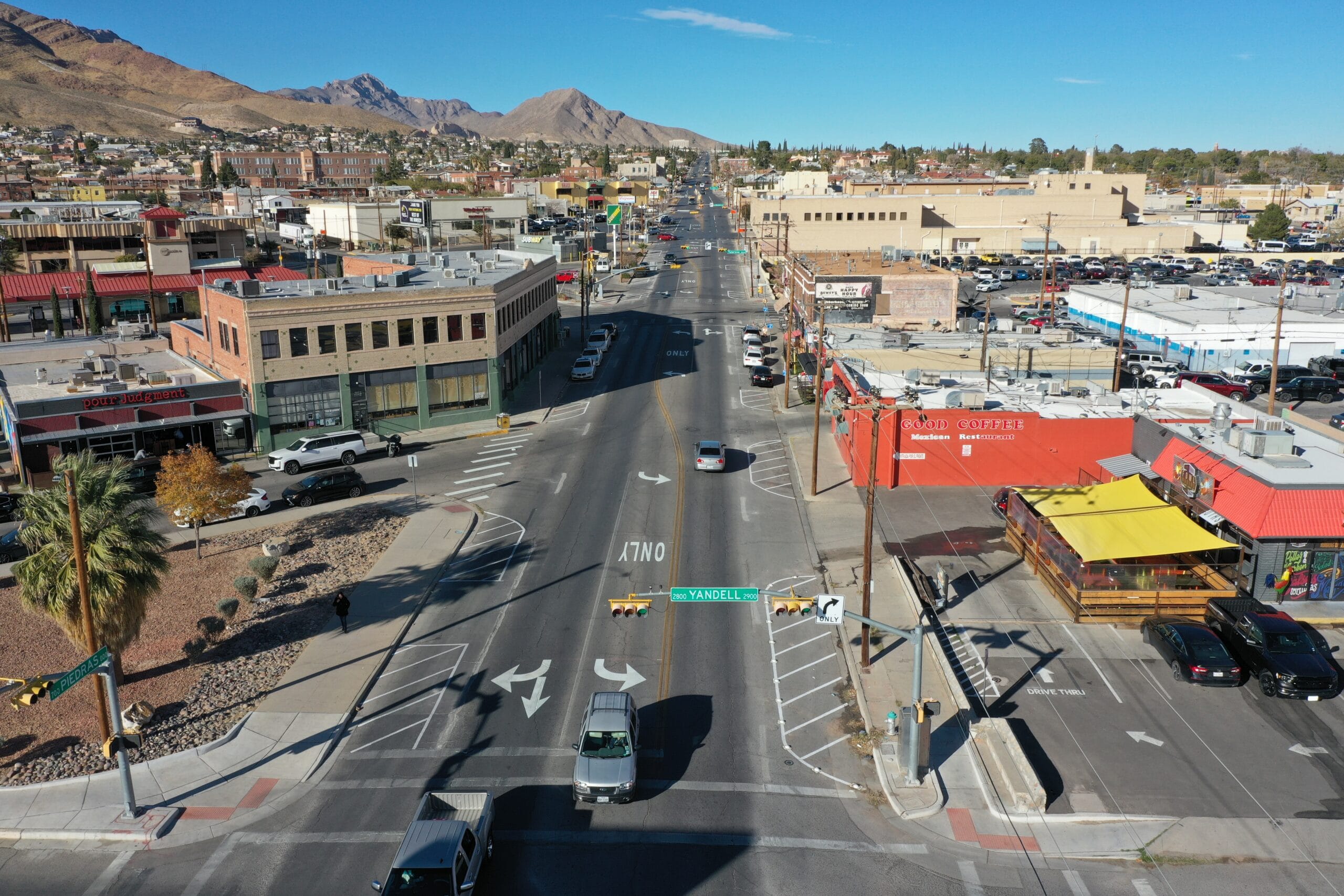
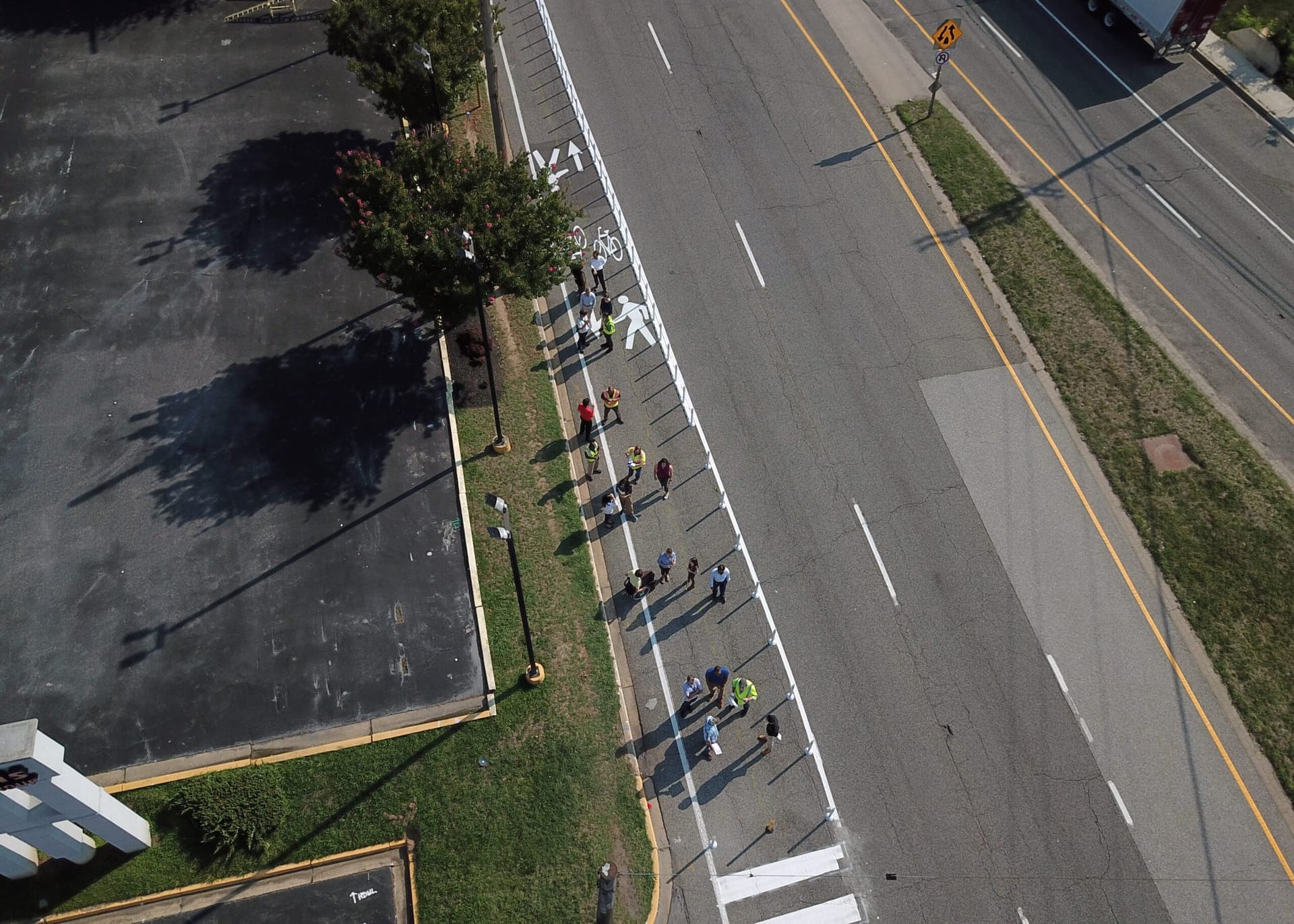
Addressing roadway fatalities means changing the streets. The city passed three major arterial extension and roadway capacity projects through the 2022 Community Progress Bond, which will complete major arterial corridors in line with the updated design manual. These projects, at various stages of construction, include sidewalks, shared-use paths, and other infrastructure that allow people to travel along major corridors by walking or biking, which can help reduce congestion and make roads safer for all users.
The City of El Paso also established an external Mobility Advisory Committee to make sure that community members representing every district in El Paso and the core values of Complete Streets policies shape street projects. That same year, the city adopted its Vision Zero Action Plan and created an internal cross-departmental committee to coordinate implementation and identify projects, with support from the new bicycle and pedestrian program manager position originally held by Mesa-Zendt. Creating structures that maintain strong community engagement in the design and implementation of the city’s capital improvement plan
The vision and tools established in El Paso’s Complete Streets policy earned the city a nearly perfect score in our 2023 Best Complete Streets Report, and initiatives like “Safe Routes,” expanding on the 2024 Safe Routes to School Action Plan, have helped the city start to see progress in its pedestrian fatality rate. City officials continue to navigate challenges such as securing funding for new projects, but the data in Dangerous by Design 2026 shows their early efforts are starting to have a tangible impact.
Even though there’s a lot more work to be done, El Paso demonstrates that policymakers at every level have the power to start making real progress and save lives. In our newest edition of Dangerous by Design, we found that only 20 of the 101 largest metro areas improved their pedestrian fatality rates, and only seven maintained their progress measured in our last report.
See your city and state’s pedestrian fatalities in Dangerous by Design 2026, and join our call on policymakers, practitioners, and partners to set a better standard of progress in pedestrian safety.
Related News








Livable places. Healthy people. Shared prosperity.


© 2026 Smart Growth America. All rights reserved
Site By3Lane Marketing
