




News
By Marian Liou, November 23, 2026
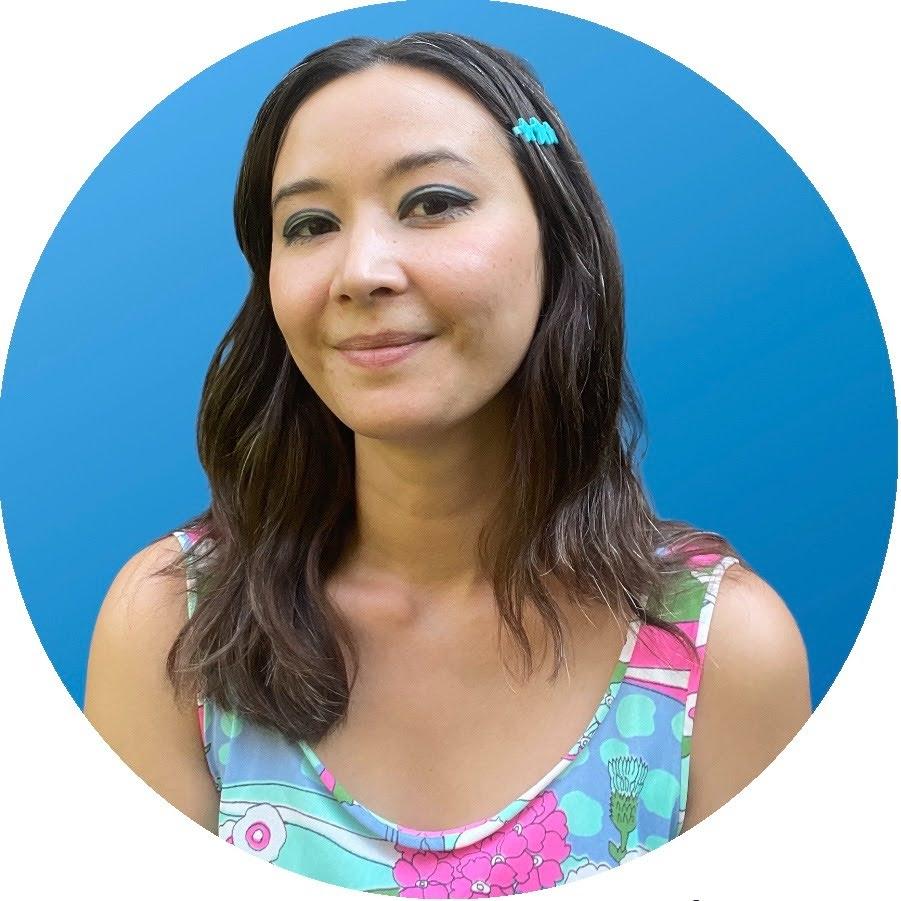
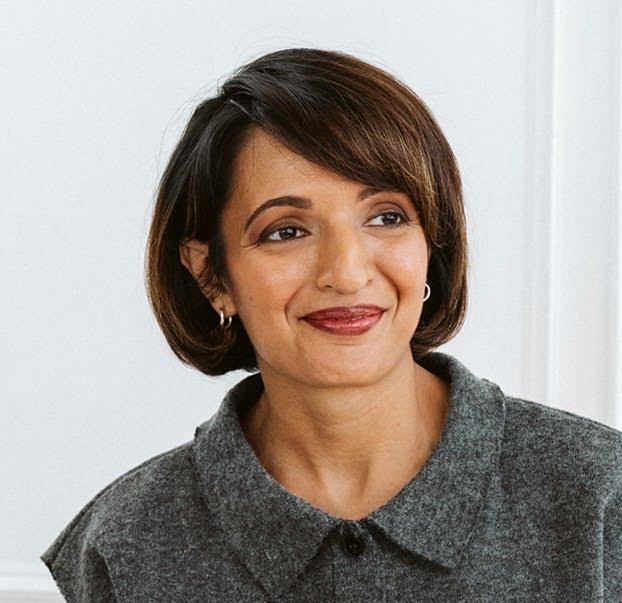
Erica Qualy (she/her) is a Malaysian-American artist, educator, and organizer based in Memphis, Tennessee. She is the founder and curator of Memphis Zine Fest and a co-founder of Tako's Secondhand, a worker-owned and woman-owned cooperative vintage and secondhand shop in downtown Memphis. Find her at ericaqualy.com.
This profile is part of a series featuring the artists and cultural workers in the Outside In Arts and Culture Fellowship, a part of Smart Growth America's Outside In project, which documents the histories and futures of suburban Asian American and Pacific Islander (AAPI) communities across Atlanta, Dallas, and Memphis.

Erica Qualy is a maker of many things: photographs, zines, shoes, metalwork, and community. But the thread running through all of her work is gathering. She builds things that bring people together, help them tell their own stories, and prompt them to rethink their relationship to what they consume. That instinct toward community-making is at the heart of what she brings to the Outside In cohort: A belief that everyone has a story to tell, a skill for building connection, and the ability to find shared purpose through storytelling.
The conversation below has been organized and condensed for clarity.
Tell us about your creative practice and what you're thinking about right now.
Ever since I was a kid, I’ve expressed myself through art and through clothing. In high school, I studied pottery and photography, and I went on to study photography on a full scholarship at Memphis College of Art, which is what brought me to Memphis.
I didn't quite vibe with the school and left after two years to focus on my secondhand store, Tako's Treasures, which I've been running as a hobby and professionally for about a decade. This past spring, I opened a secondhand cooperative.
I also dedicated this year to exploring new creative mediums: I started making shoes, which I'd wanted to do for a long time, and took a metalsmithing class. As Americans, we're very disconnected from all parts of labor and the items we use every day, so I find a lot of joy in taking leather and nails and turning that into a shoe.
How does your work connect to Outside In and to communities in Memphis?
My role is probably best described as organizer. I've reflected on that more during Outside In—wondering if part of why I've taken on this role is that I haven't always felt a lot of community myself, being mixed race, an only child, living in a state where I don't have family.
I organize a few communities at once. There's the zine community. There's the vintage community. We do a fashion show fundraiser, we host documentary movie nights, and we host the Memphis Social Bicycle Club as well. We're trying to gather people while also encouraging them to fundamentally rethink their relationship with clothing, or with transportation, or the little actions and choices that add up. For example, if we all consciously choose to buy secondhand, or to bike to the store, that can make a huge difference. Little acts do add up.
You've said everyone has a story to tell. What draws you to helping people tell theirs?
What I love about the medium of a zine is that you don't have to go to a publisher and get something approved. You write your story, you print it, you put it out there. It's so empowering, and I want to help people do that. Just yesterday, a zine vendor came over, and we went through their storyboard together, talking about how we get this into a master copy, how we add context on these pages, and how we make sure your name is on there. That kind of thing really helps build community.
I think back to the youth zine workshops, and one sticks with me. A kid was dealing with his peers struggling to understand his Tourette's, so he made a zine explaining what it is, how it affects him, and how you might experience him experiencing it. We're all so complex, and we have so much going on. I'd love to hear more about what people are dealing with, and ask, “Can we help?”
What are you hoping to explore through the project?
I've been thinking about a few oral history ideas and talking them through with Dr. Shaolu Yu . One is documenting fellow AAPI-owned small businesses in Memphis. Another is gathering oral histories from mixed-race AAPI folks in Memphis, which would help me understand my own identity and find community with others who are mixed, since many of us feel like we don't belong to either side.
What has stayed with you from the fellowship sessions?
For me, speaking with the other participants in the small groups and hearing their point of view on whatever question was posed was the most fruitful part for me.
Related News






Livable places. Healthy people. Shared prosperity.


© 2026 Smart Growth America. All rights reserved
Site By3Lane Marketing
