




News
By Marian Liou, November 23, 2026
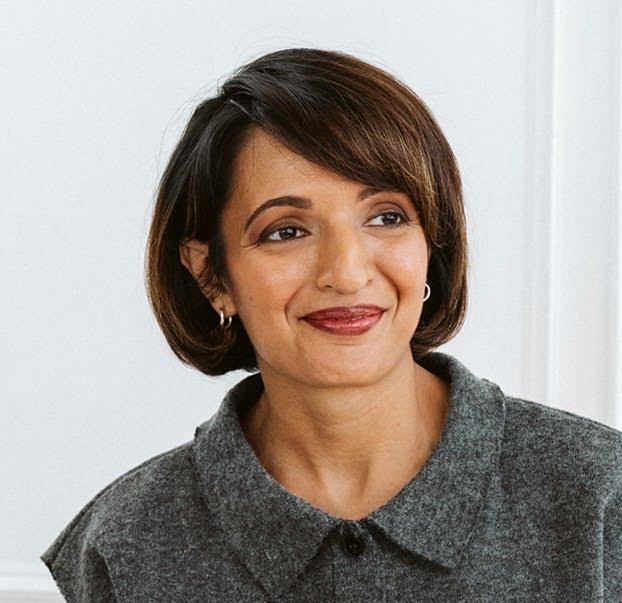
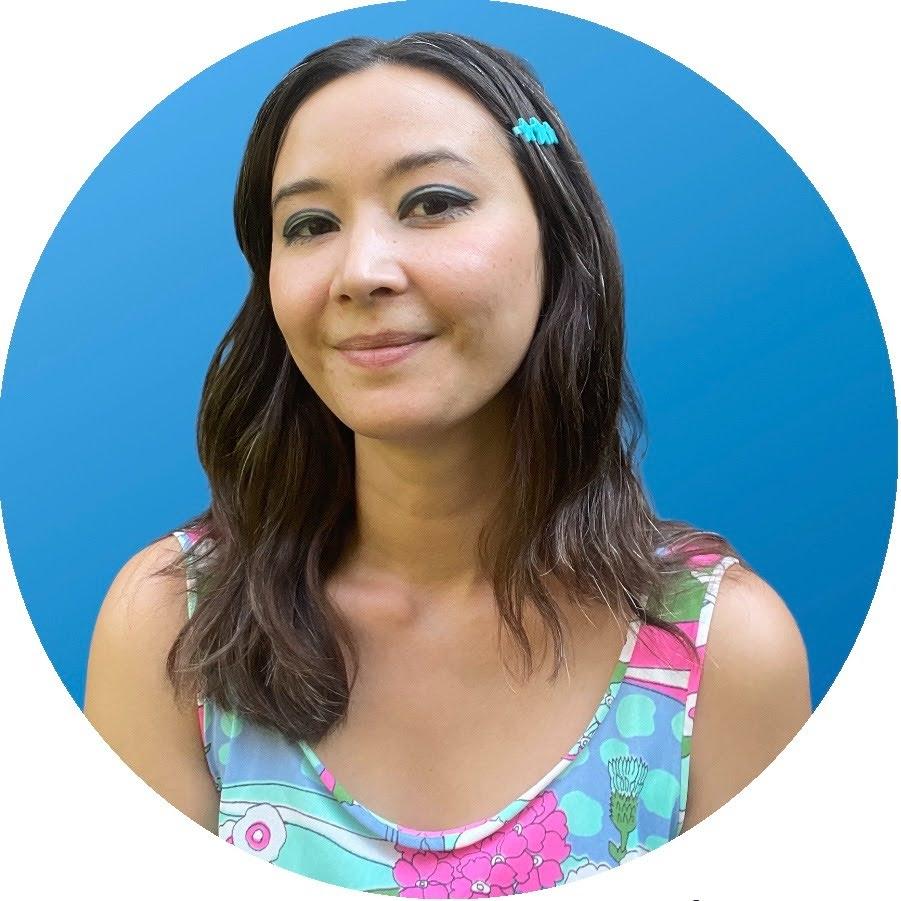
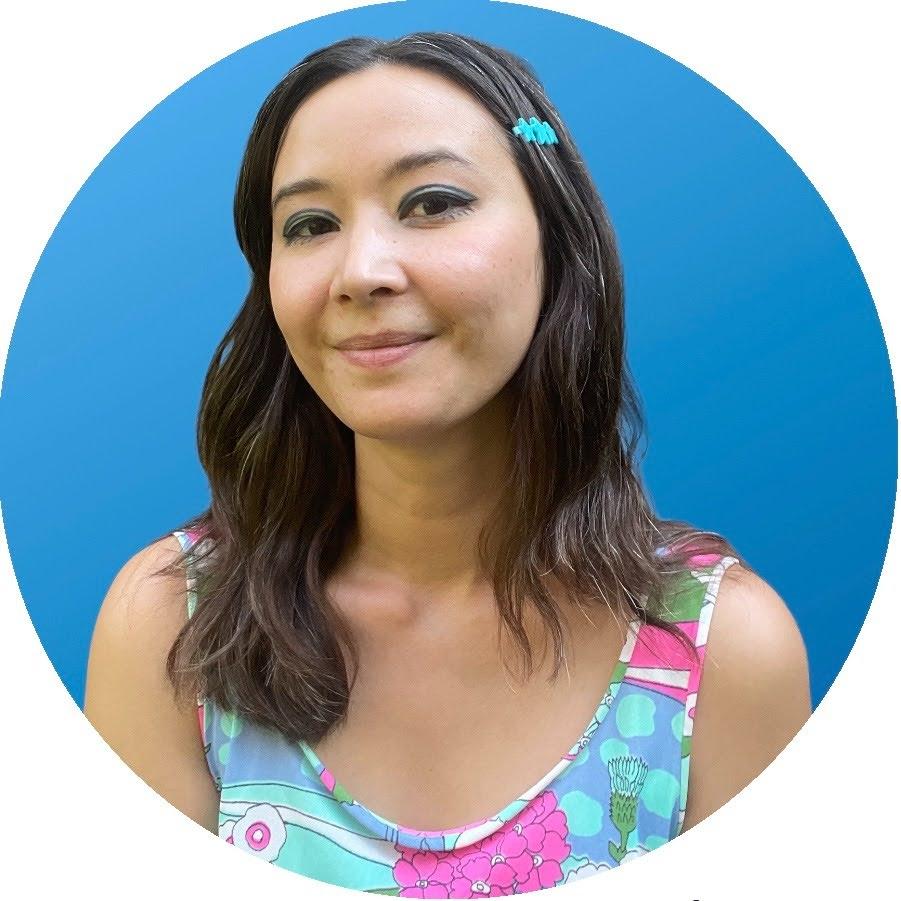
Hiba Haroon (she/her) is a Pakistani-American artist, healer, and somatics practitioner based in suburban Houston. She is currently pursuing a doctorate in Research Psychology with a concentration in Somatic Psychology, exploring embodiment, justice, and liberation. Find her at unjaan.com.
This profile is part of a series introducing the artists and cultural workers in the Outside In Arts and Culture Fellowship, a part of Smart Growth America's Outside In project. The project documents the histories and futures of suburban Asian American and Pacific Islander (AAPI) communities across Atlanta, Dallas, and Memphis.

Much of Hiba Haroon’s work at the intersection of healing, culture, and freedom begins with the body. Born in Pakistan and raised just outside Houston, she spent years advancing economic justice in the nonprofit sector before turning toward somatics—the study of how our bodies, both personal and collective, hold the conditions we live within. As she pursues a doctorate that blends justice and somatics, she brings to Outside In a belief and an insistence that questions of place, policy, and justice are held and lived in the body.
The conversation below has been organized and condensed for clarity.
Tell us about your creative practice and how you got to where you are.
I was born in Pakistan and immigrated to Houston with my family when I was six, growing up in a suburb called La Porte. I grew up around everything that entails immigrant families—the work hours, the lack of time off. But I didn't have language to describe that experience until I was older and started developing a consciousness about workers' rights and economic inequities, especially the ways immigrants and refugees are pushed or funneled into certain sectors. I felt a lot of rage about how hard my parents worked for what felt like instability and wealth extraction. That led me into the nonprofit sector and economic justice work.
Over the last eight or nine years, I found myself moving between two parallel spaces: embodied, somatic spaces that were hyper-individual, and activist spaces full of beautiful, intellectualized language about the world’s problems that always felt neck-up, like we weren't really feeling any of it. Blending the two ideas led me to my doctorate, which aims to improve understanding of how our bodies—and not just personal bodies, but our collective bodies—hold the conditions we operate within, and how true justice and liberation work can't happen outside them.
You've talked about a justice-centered approach to somatics. What do you mean by that?
I get frustrated that we talk about somatics in the U.S. context as though it's a recent phenomenon, like it was developed in the seventies. It's actually very indigenous: These ways of being attuned to yourself and the world have existed for a very long time. At its heart, somatics is liberatory, not rooted in supremacy, domination, or violence. But right now everything is being called somatics, often without a justice orientation, without a freedom orientation.
For creatives in particular, there's something powerful in being attuned to what's leading us to explore what we explore and why we're not choosing to explore other things. Our sense of self, what we deem possible, our worldviews—they're all held by our bodies. It's not about making art devoid of politics, but about being aware of how our own relationship to a topic and to the people and communities in it is informing our work.
You joined this fellowship thinking about the South Asian communities that manage gas stations in the suburban South. Why do these places matter to you?
My exploration of gas stations is, honestly, fueled by rage, but I'm trying to use not only rage, but also love. Part of what drives me is how invisibilized these workers are in suburban America and the South, a landscape so heavily dependent on gasoline. So many people move in and out of that space every day without any awareness of the working conditions, the stories, or who these people are. That's not unique to this sector—it happens to people who work in hotels and the service industry too: The assumption that your food just appears, your bed is just made.
My intention through this fellowship is really to learn. I want to learn how to capture stories, soften that invisibilizing, and bring light to these people's lives. This work emerged in the 1970s and 80s, predominantly among South Asian and Pakistani families, some of whom own large numbers of stations and have been in Houston a long time. But there's understandable reluctance in sharing stories. And while rage fuels my commitment , it's really curiosity that sustains it: I know my parents, but I wonder about everyone else.
What has stayed with you from the fellowship sessions?
The Dallas Asian American Historical Project session about their first project, which involved gathering matchbooks from Chinese restaurants in Dallas, has stayed with me. We learned how one old restaurant matchbox led to an entire exhibit that the family’s elder was able to visit and be part of. What I've found most helpful is listening to, learning from, and witnessing people share their own storytelling processes and meaning-making—the ways they go about creating their art.
We're living in a time when the rise of AI and our reliance on it can make us feel like there's no need to learn from one another. This cohort has been the opposite—getting on those calls, hearing people doing remarkable work, hearing what led them there, and having that open up new possibilities for me.
You've described policy work itself as something that should be embodied. Can you say more?
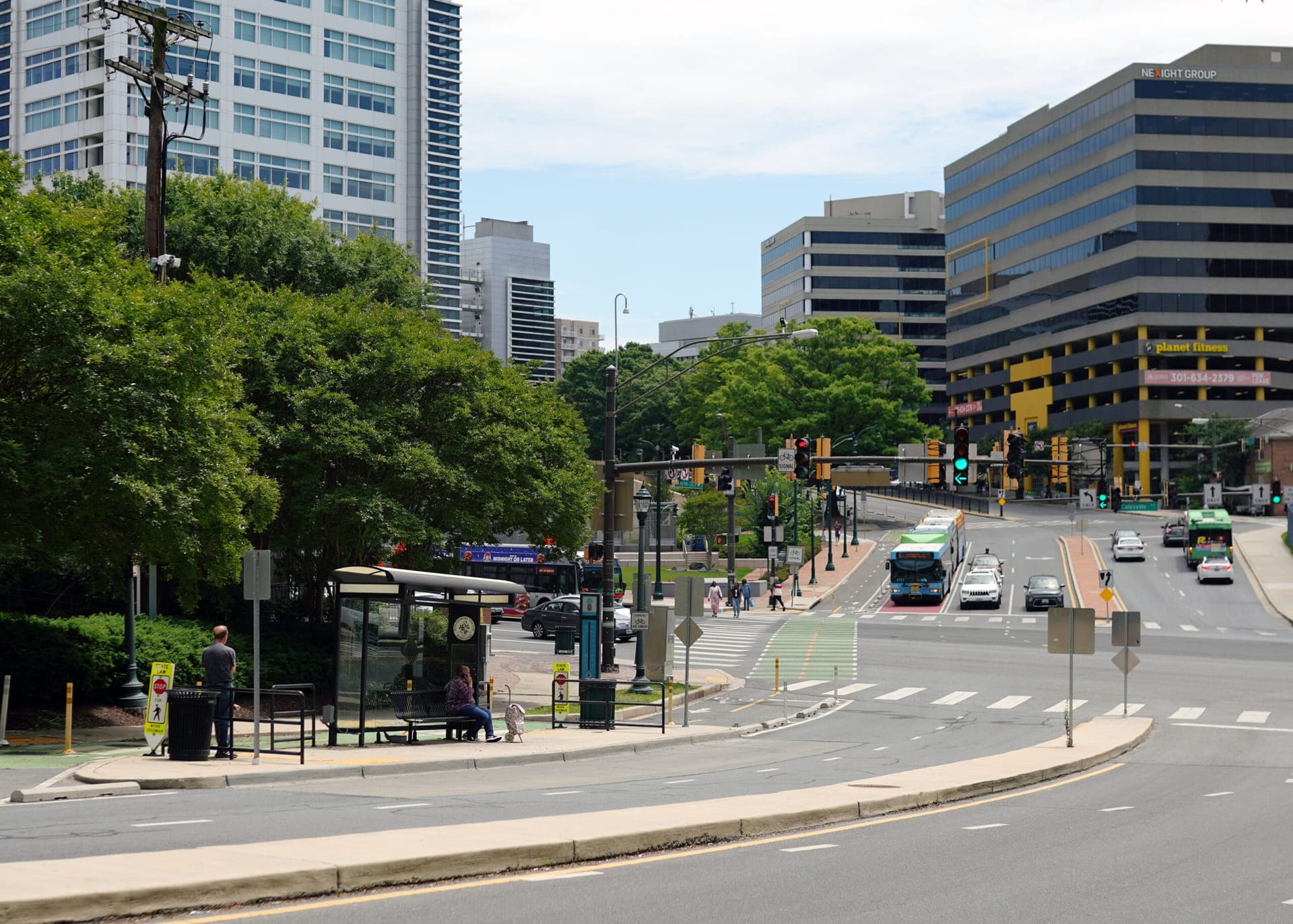
So much of the built environment we take for granted was a choice. Why a particular intersection looks the way it does in this country—that was decided. In policy work, when we're moving from a sense of urgency, we assume certain things are set in stone because there isn't always space to reckon with the fact that they were choices. That makes for a reactive, almost bandage-like approach.
Part of an embodied approach is holding the capacity to let things fall apart—to realize everything around me is made up, that we've assigned these values, and that we can choose differently. How we see ourselves in the world dictates the kind of world we build. That's why policy work should inherently be an embodied, somatic inquiry. Without that, we're just replicating the same paradigms in a different color or flavor, and they'll still result in inequities, only of different kinds.
Why does Outside In matter?
It offers space for imagining, exploration, and inquiry, which our dominant culture doesn’t really incentivize. We're assumed to just know everything, and God forbid you say "I don't know," "I'm learning," or "let me be curious about who's in front of me and why things are the way they are." I'd bet what we're exploring together has fundamentally shifted how people are seeing the world.
Related News




Livable places. Healthy people. Shared prosperity.


© 2026 Smart Growth America. All rights reserved
Site By3Lane Marketing
