







News
By Beth Osborne, August 4, 2026
We know that road design shapes how fast people drive. Yet we continue to design roads that encourage speeding and then punish drivers for behaving exactly as those roads were engineered to behave. If we want safer roads, we should demand better road design standards.
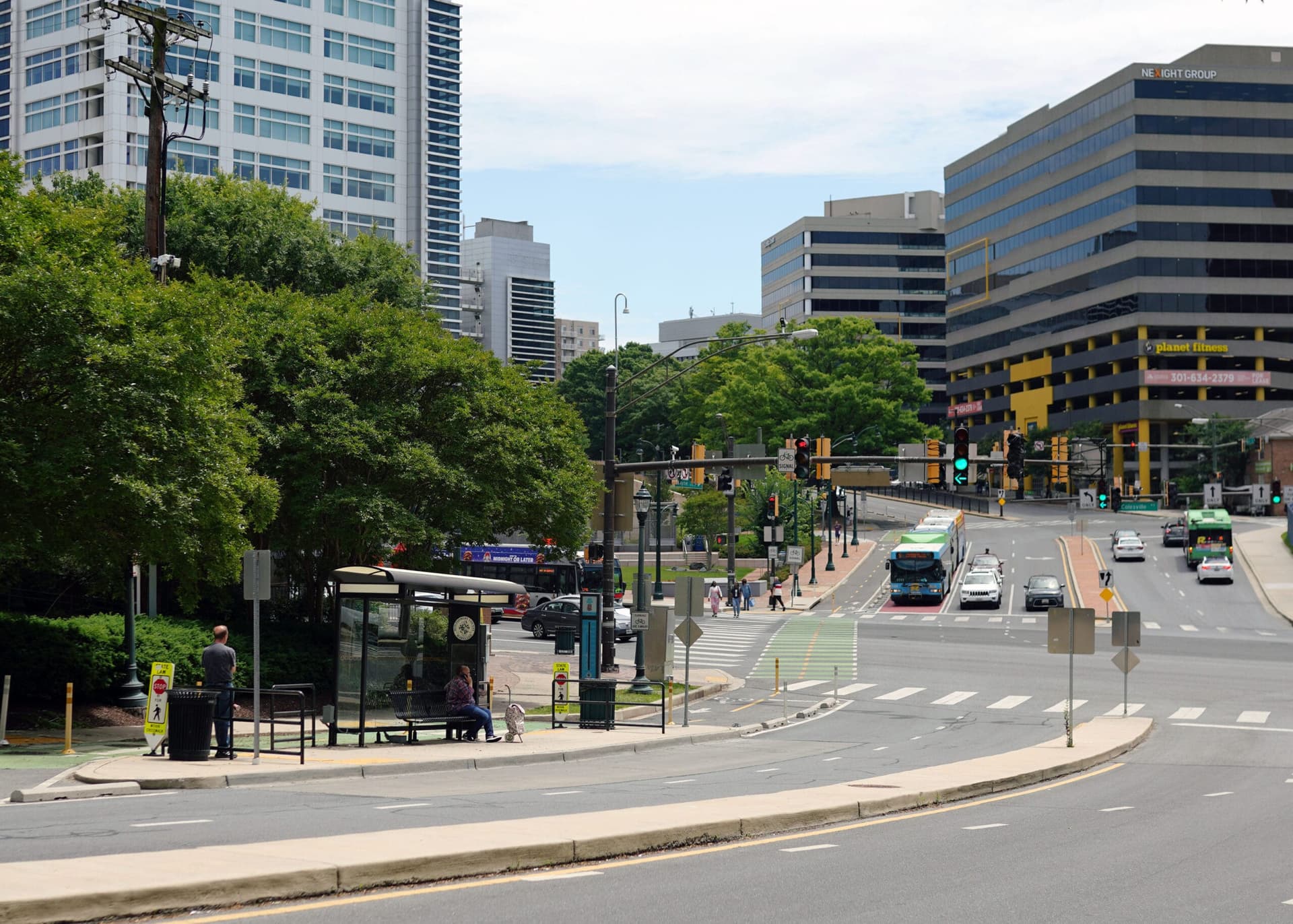
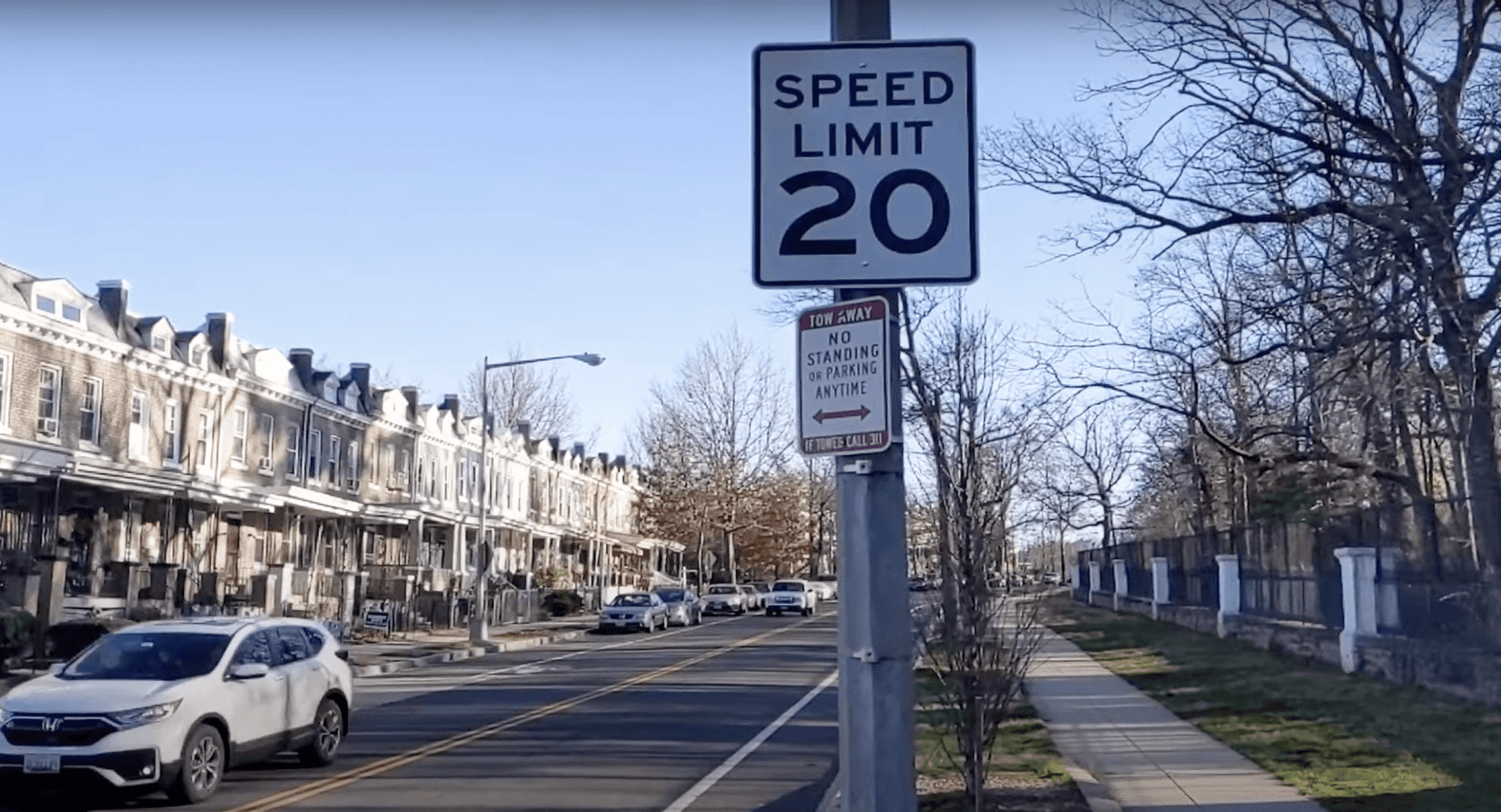
Everyone knows what a speed trap is. It's a roadway that is wide and straight, where driving 40 or 45mph feels comfortable—it can even feel wrong to go slower—but the speed limit is strangely low, like 25mph (and often a police officer or a speed camera is waiting for you). When you drive too fast, you can get a ticket. So basically, the government takes your money to build roads that trick you into driving too fast and then takes more of your money as punishment. Why do we tolerate this? Why do we think this auto-centric approach is in any way pro-driver?
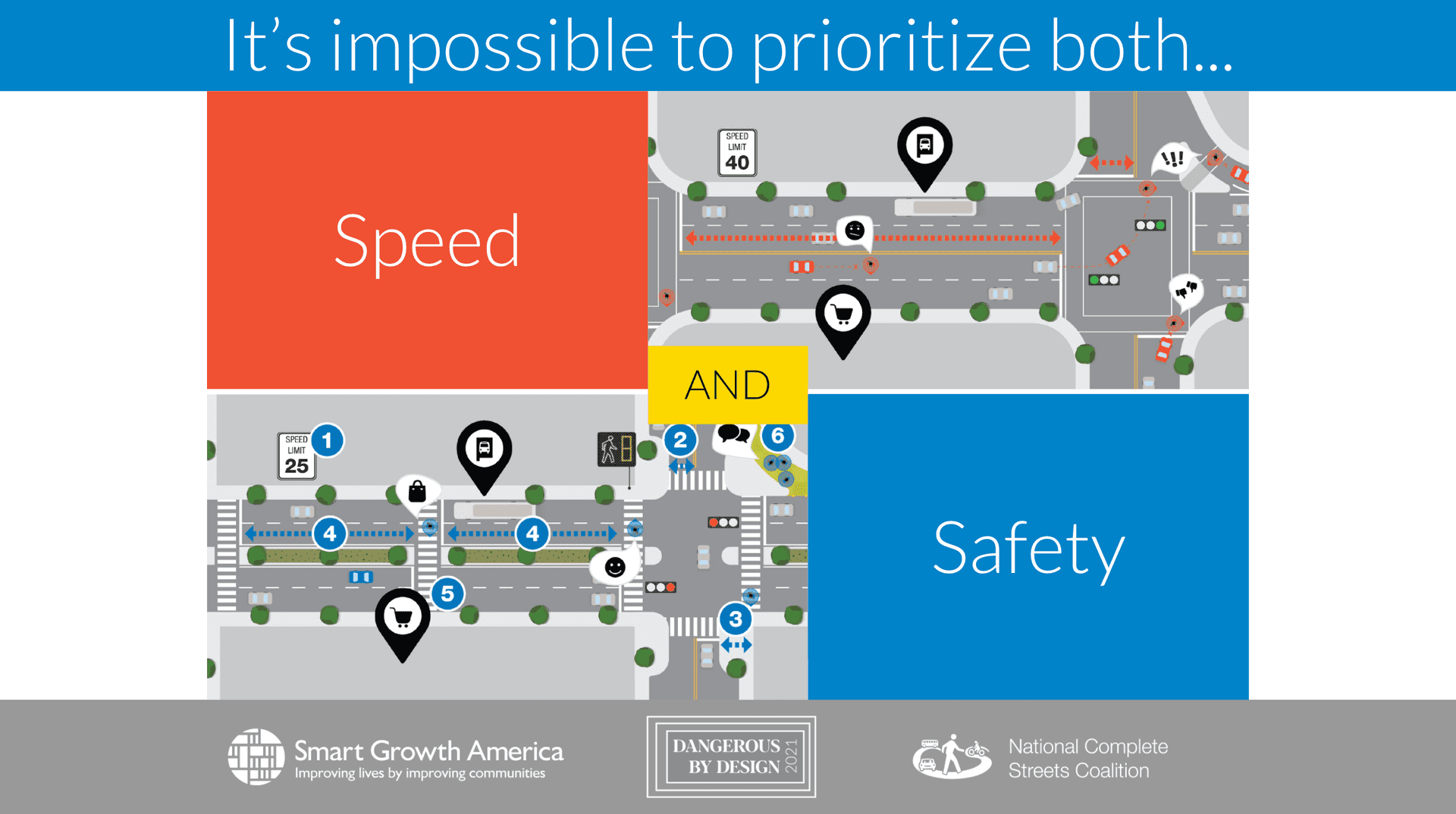
Most people don't know this, but this is actually the standard practice that roadway engineers are taught to design. Roadways have a design speed often set well above the posted speed limit—10+ mph higher—because engineering guidance (like AASHTO's "Green Book") has traditionally built in a “safety margin” for driver error on the assumption that some people will exceed the limit. So a road posted at 25 mph might be designed to be safely drivable at 40 mph. The result is a road that "feels" safe to drive fast on because it was literally built to be driven fast on even though the legal limit says otherwise.

We call it a "trap" because we all sense the con. The speed limit sign pops up from time to time, but the design is ubiquitous and constant. Drivers respond to what they see—lane width, curve radius, sightlines. Engineers have known for decades that people drive the speed a road is built for, not the speed a sign tells them. So when a four-lane road as wide as an airport runway carries a 25 mph limit, the government has built a trap and blamed its taxpaying driver for falling into it.
And the cost isn't only financial. The United States has the most dangerous roadway system in the wealthy world (learn all about it by reading our amazing report, Dangerous by Design, released earlier this summer). When drivers are trapped into driving dangerously, it can lead to deadly crashes. But when that happens, we blame the users of the transportation system. The party with actual control over the design, the one who set the trap, is not responsible.
I can’t emphasize how different the approaches in other countries (with safer transportation systems) are. Peruse the Netherlands’ principles for safe roads. This line in particular: “Public communication can improve the knowledge about the meaning of road markings, but in practice it appears that driving behavior is mainly intuitively evoked by the design of the road.”
By contrast, our USDOT just announced that designs to slow traffic (often to the legal speed) are DEI nonsense. The only way to free us, apparently, is to trap us. And before you wax rhapsodic about the previous administration, they didn’t change the practice of roadway engineering to get rid of speed traps. They suggested best practices and gave funding to localities to figure out how to do better, but the federal roadway programs, for the most part, continued as they always have.
I don’t understand why it is a popular bipartisan consensus to allow this at all. It should be standard to design the roads for the behavior we want. If you don’t get that behavior, try a new design and bring in education and enforcement. But designing a road for dangerous behavior and then using education and punishment on the taxpayer who's just following the designs set out by their tax dollars is cruel.
Fix the design, and you fix the problem at the source. Match the road design to the speed limit and watch drivers slow down. Those outliers that go against the design and speed should be punished, but it should not be hard to figure out how to drive safely and within legal limits. That's not radical. It should be basic. And we should not tolerate anything less.
Want to hear more from SGA President and CEO Beth Osborne? Follow her on Substack for regular commentary on transportation, housing, smart growth, and the policies shaping our communities.
Related News




Livable places. Healthy people. Shared prosperity.


© 2026 Smart Growth America. All rights reserved
Site By3Lane Marketing
