







News
By Courtney Cole, September 30, 2026
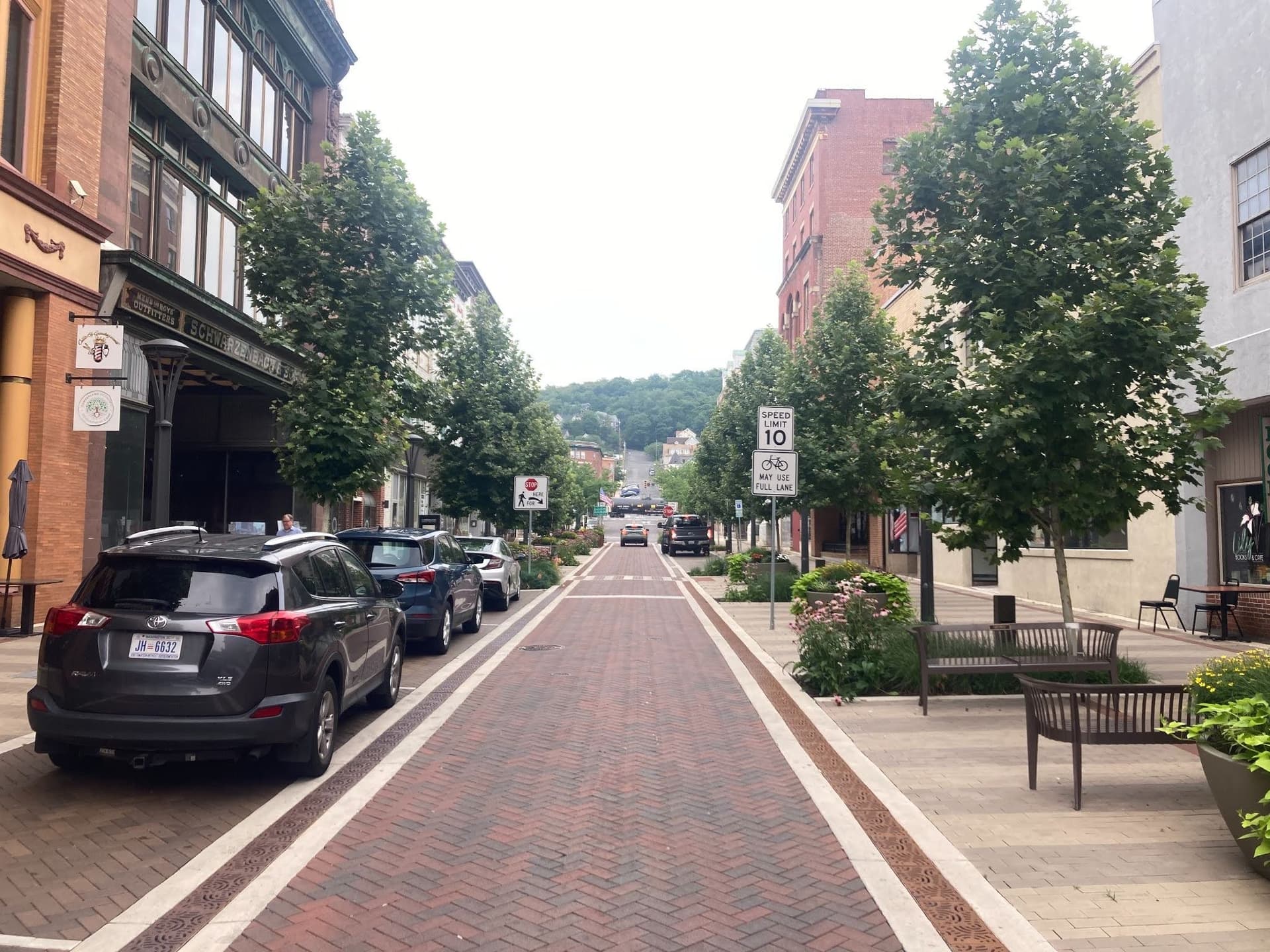
How we’re able to navigate the places we choose to call home plays a critical role in determining our quality of life. Planning decisions related to transportation and land use shape how we get where we need to go. The key ingredients to effective Complete Streets and transit-oriented development are often one and the same.
Our ability to navigate our communities and where we live within them are deeply interconnected. Unfortunately, the U.S. still approaches community planning with decades-old standards that don’t meet our needs. Transportation decisions still prioritize moving cars as quickly as possible over safety. Land-use practices still follow an outdated blueprint that encourages sprawling suburbs instead of connected communities with more diverse, affordable, effective, and safe transportation options.
Complete Streets and transit-oriented development approaches go hand in hand in prioritizing what people need: safe, affordable, and effective ways to get where they need to go. That’s why it makes sense that many elements of a successful Complete Streets policy can be applied to transit-oriented development, too. And although Complete Streets focuses mainly on transportation while transit-oriented development centers on land use, they can work together to create people-centered communities when implemented effectively.

Strong commitment and vision
A Complete Streets approach promotes transportation projects not only focused on convenience for cars, but also on how safely and efficiently people can move by walking, biking, rolling, taking transit, or driving. A good policy is the first step in implementing Complete Streets principles because it creates a clear commitment and vision that helps communities stick to the approach over time.
Form-based codes—land development regulations based on the physical attributes of structures, instead of their original intended purpose—support transit-oriented development in a similar way. Traditional zoning often separates housing from everyday necessities, forcing people to spend more time and money driving to get from place to place. Form-based codes allow housing to be built closer to jobs, schools, grocery stores, and medical services, making essential trips and transportation options like walking, biking, and public transit more accessible. Form-based codes are legally binding regulations, so like a good Complete Streets policy, they help communities create consistent standards that serve as a foundation for future development.
Coordination and collaboration
Complete Streets and transit-oriented development both require cross-discipline collaboration. This means practitioners and concepts from a variety of fields should be integrated into policies and projects. For example, land use is an essential part of successfully implementing Complete Streets. Land use practices that prioritize mixed-use development allow housing to be built closer to transit, encourage physical activity, and allow people to live close to the destinations that matter most to making Complete Streets systems successful.
Complete Streets and transit-oriented development also need to be guided by what the community wants and needs. To achieve this, it’s critical to integrate community input and expertise into the policy development process so the direction and contents of policies are well informed.
Complete Streets and transit-oriented development also have public health implications. Building housing near Complete Streets can reduce the risk of injury or death from traffic collisions, decrease exposure to car-related pollution, and increase physical activity through walking, biking, and rolling.
Measuring progress and success
Complete Streets and transit-oriented development aren’t “set it and forget it” approaches. To be effective, communities should monitor the impacts of these policies over time to give the community a clear picture of what these approaches offer and provide insights to make future implementation more effective.
Strong Complete Streets policies lay out specific metrics to gather, who specifically will be responsible for collecting that data, and how often the results will be published. Transit-oriented development should be measured in a similar way to paint a clear picture of how pivoting from traditional zoning and development practices changes a community. Quantifying the benefits of Complete Streets and transit-oriented development often reveals that the approaches have significant economic, safety, and environmental benefits, and demonstrating success with data positions communities to pursue funding and other support for future projects.
Plan for implementation
A critical element of a good Complete Streets policy is an implementation plan that includes assigning responsibilities and establishing strategies for community engagement as the approach is put into practice. Transit-oriented development also benefits from careful planning informed by community voices before development begins because it can help identify who will be most affected by the changes, how to gather and embed ongoing feedback throughout the implementation process, and what people’s roles and responsibilities are moving forward.
Different strategies, same benefits
Complete Streets and transit-oriented development strategies share another important characteristic—they create places that are safer, healthier, and more vibrant. With strong policies and meaningful implementation of these approaches, communities can unlock new potential for a bright, thriving future.
Related News



Livable places. Healthy people. Shared prosperity.


© 2026 Smart Growth America. All rights reserved
Site By3Lane Marketing
