





News
By Beth Osborne, September 30, 2026
The rules many Americans were taught as kids aren’t able to keep us safe on our roads today. In her latest column, SGA President and CEO Beth Osborne calls out the outdated assumptions that put the burden of staying safe on the most vulnerable people using our roads. And since Congress and leaders at other levels don’t seem likely to act on safety anytime soon, she shares practical truths to survive a system that’s dangerous by design.
I was taught to look both ways before crossing the street, and you probably were too. But that is not enough today, and we need to teach our children more practical rules about how to stay safe on America’s unsafe roads.
Many of the rules we were taught for traveling safely assume a world that no longer exists. The rules assume drivers can see the road, that crosswalks exist, and that speed limits are appropriate. None of that holds up. Let’s take a few of them one at a time:
You have probably heard that you should make eye contact with the driver. Good luck! Vehicles can come with tinted windows and blind spots that make it hard to see where the driver is looking.
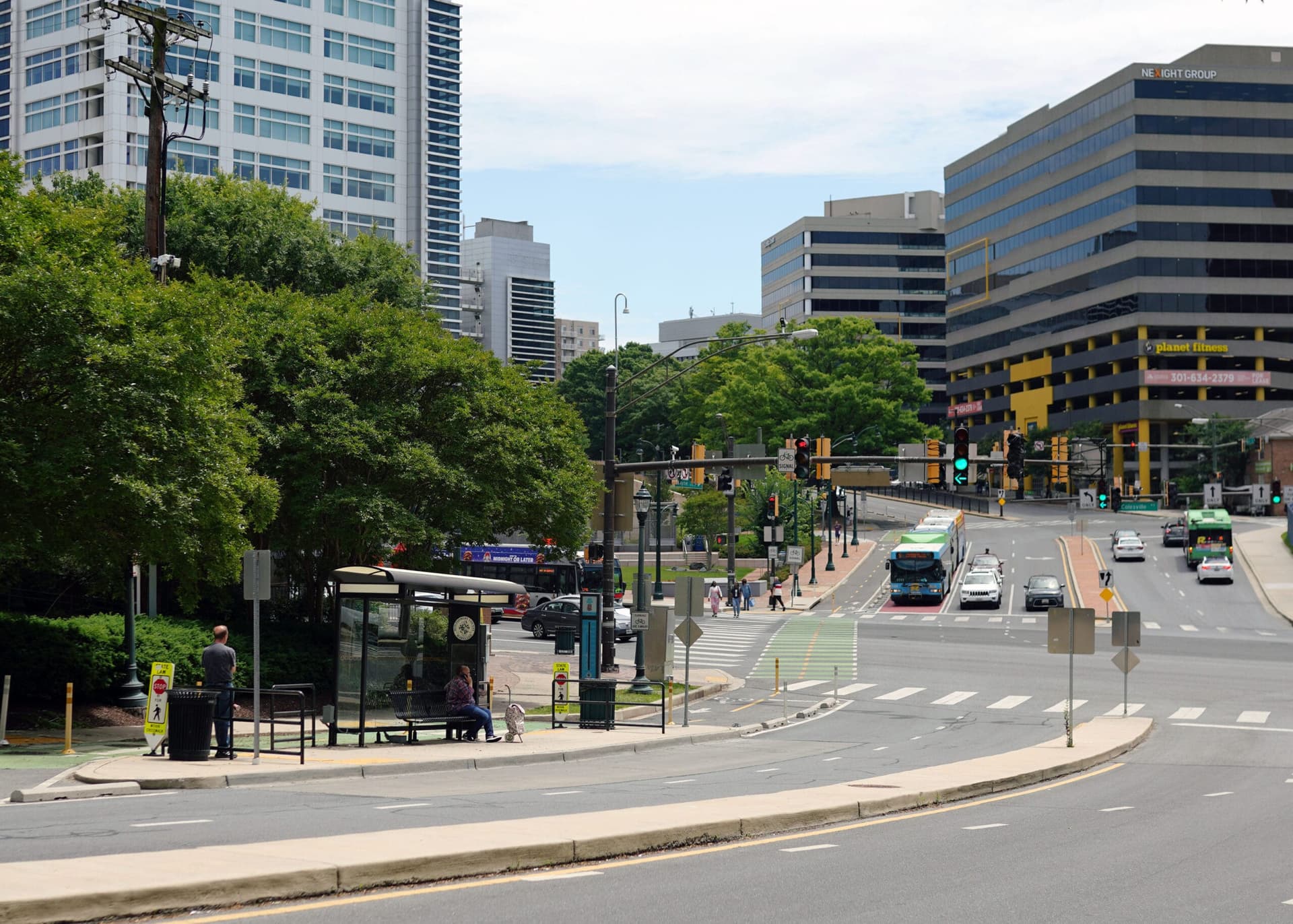
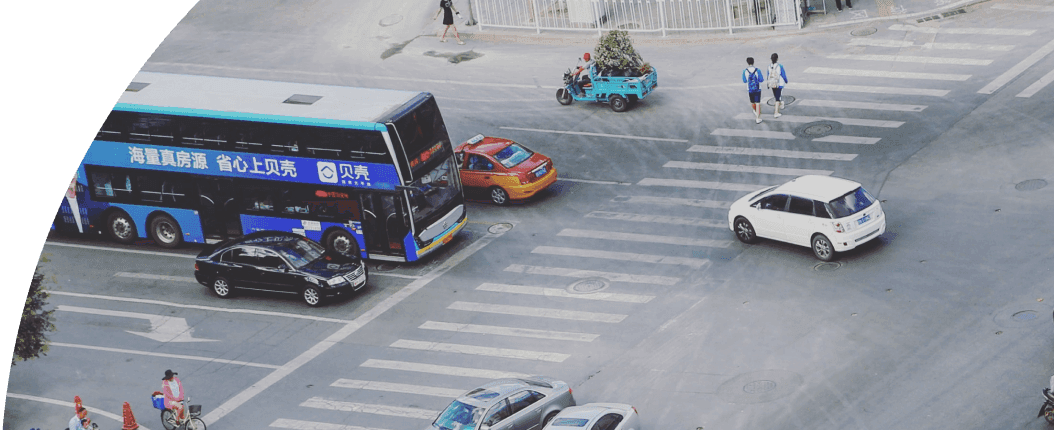
We are told to cross the street where there’s a crosswalk. First, it is often legal to cross at a corner, whether it is marked with a crosswalk or not. Second, there are huge swaths of this country that don’t provide crosswalks. When there are crosswalks, they are often faded, poorly lit, or spread far apart, requiring a hike just to cross the street. (We don’t bat an eye at making a pedestrian walk 10 minutes out of the way to avoid making a driver stop at a crosswalk for 20 seconds.)
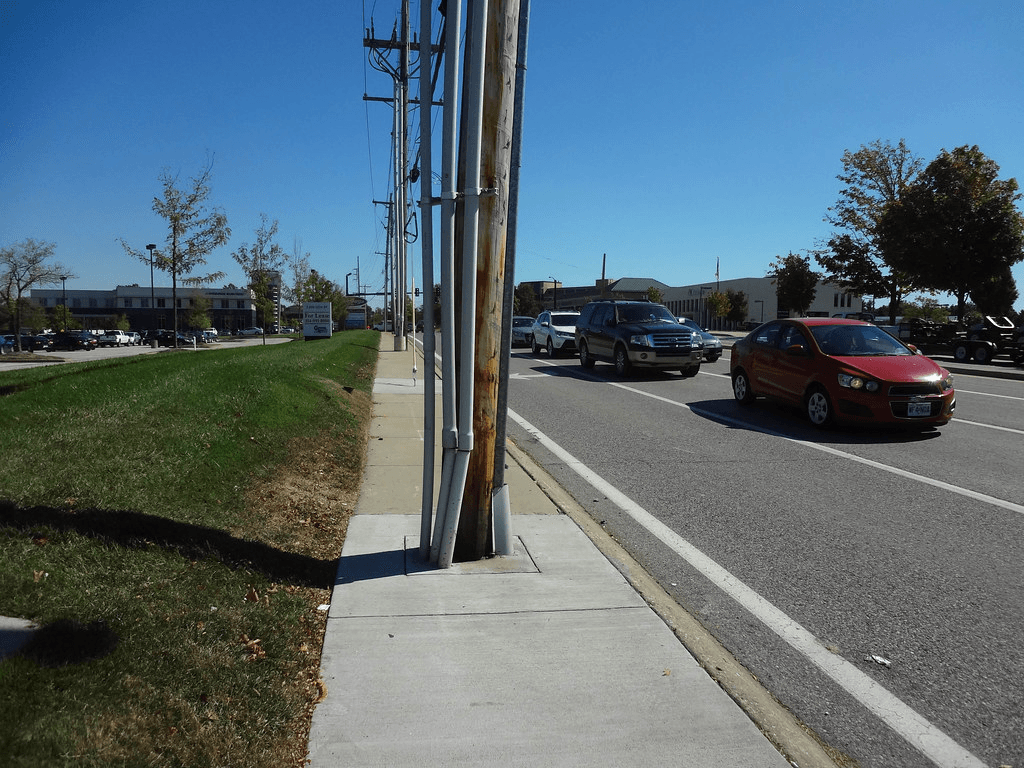
We are told to walk on the sidewalk. But again, a lot of places don’t have them or put an obstacle, like a light pole, in the middle of them. Or you will find the place Shel Silverstein wrote about.


Every rule we’re taught puts the burden of not being hit on the person with the least power in the interaction—the one on foot. But when the pedestrian follows the rules and the system fails anyway, the fault still lands on the pedestrian. They didn’t get the driver’s attention, they crossed in a poorly lit area (at the crosswalk), or their clothing wasn’t bright enough.
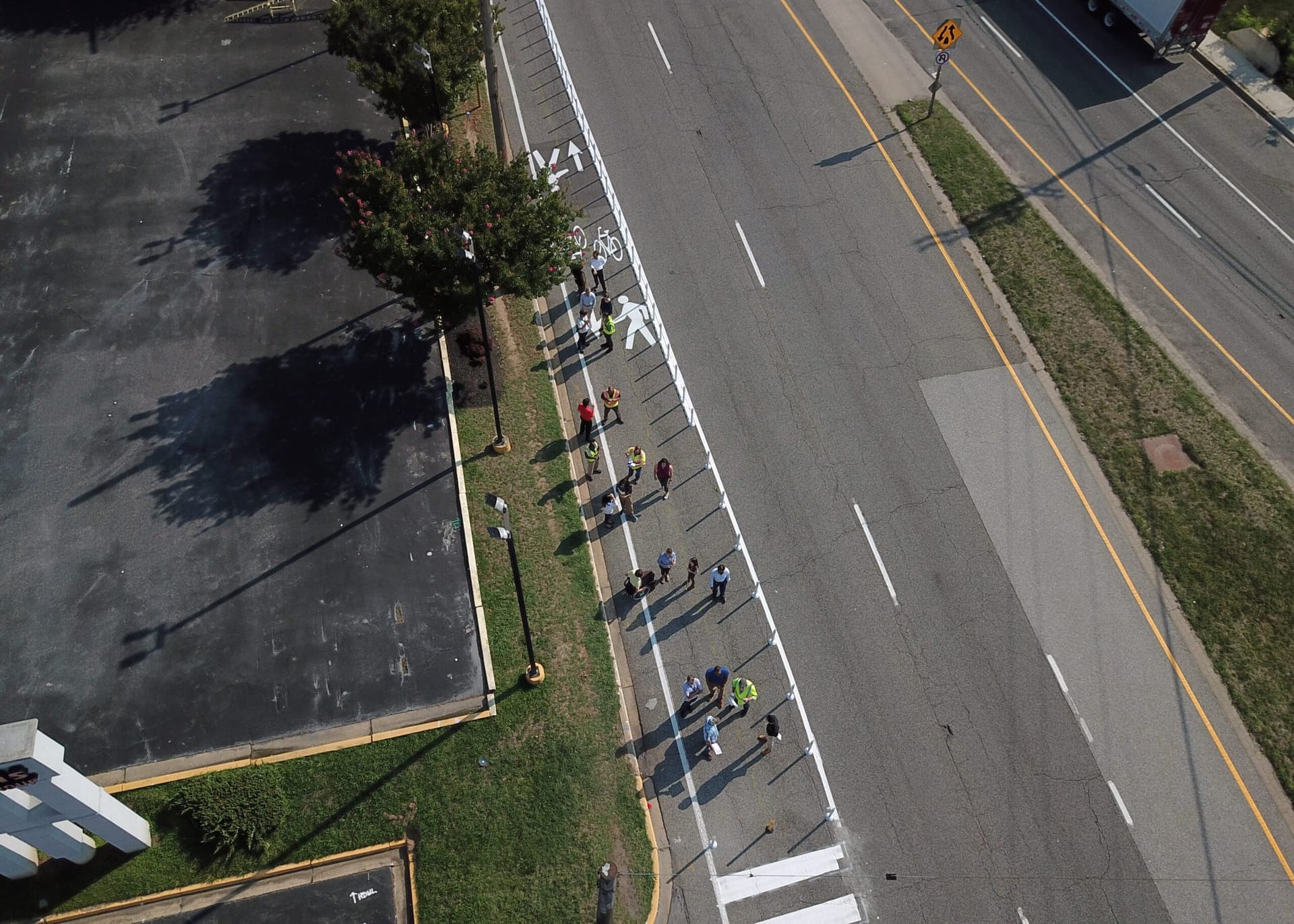
Bicyclists face a whole other set of challenges. Many people fuss about separated bike lanes but don’t want to share their travel lanes either. Where there is a bike lane, it is often precarious. I remember driving on a Florida arterial with a posted speed limit of 45 mph, but people were easily driving 60 mph. When I stopped to wait for a left-turn signal, the air draft from passing cars made my car shake. But bicyclists were expected to ride in a three-foot bike lane protected only by paint. If a bicyclist were hit in that lane or fell in the draft that shook my vehicle, you would likely see an article claiming they “darted” into traffic.
To be clear, none of this means that the auto-centric system is pro-driver. Think about how we hang drivers out to dry. Vehicles are now built with so much computerization—touchscreens, backup cameras, infotainment systems—that drivers routinely have to take their eyes off the road just to operate the thing they’re driving.
Vehicles that are sold as safe are built in ways that, frankly, blind the driver to things around them. Their hoods are too high, the A-pillar is too wide, and the driver cannot see the world near their car. Because of the increasing number of drivers who run over something or someone in front of their vehicle, we made up a word for crashes when a driver literally can’t see in front of them: “frontover.” Sadly, that is sometimes a child, and sometimes even the driver’s child. I have heard leaders call for a camera in front of the car to help. That would mean that the driver would have to take their eyes off the road to see the road on a screen.
And while the police are trying to determine if the pedestrian or driver is to blame, the designers of the road duck all responsibility—and often grant themselves immunity. There is no consideration or accountability for setting the legal speed too high to give drivers a chance to spot a pedestrian and stop in time, or for designing a slip lane that lets drivers avoid slowing down as they turn…into a crosswalk and possibly a person.
Our Congressional leaders should address this. They can require safer roadway designs and safer speeds. They can require targets to improve safety outcomes, reward states that make progress, and penalize those that do not. They can regulate vehicle design to minimize blind spots or require more driver training for drivers in vehicles that have big blind spots (like truck drivers have to).
Earlier this month, Smart Growth America released the ranking of most dangerous congressional districts for pedestrians, and I can’t help but notice that three representatives of the top 25 most dangerous districts voted for the BUILD America 250 Act when it was passed through the House Transportation and Infrastructure Committee:
- Rep. Frederica Wilson (D-FL-24) — ranked #2
- Rep. Henry “Hank” Johnson (D-GA-04) — ranked #9
- Rep. Maxwell Frost (D-FL-10) — ranked #22
While this bill did maintain a wonderful, if small, safety program called Safe Streets and Roads for All, it did little to reorient the rest of the large and growing federal transportation program toward safety. It only requires the Secretary of Transportation to let Congress know when states set “safety” targets for worse outcomes. Shouldn’t they find out how their own states are performing before they authorize those states to spend more of our money? And I won’t even get started on how the U.S. Department of Transportation has repealed grants that would help improve the safety of people outside of a car and removed guidance on how to protect them.
Given the fact that there is little indication that Congress, the administration, state agencies, or auto manufacturers will tackle the problems cataloged above, we need to update how we teach safety on American roadways.
If you are driving, you should never assume that the speed limit is a safe speed, that the roadway is designed for you to be able to see and avoid crashes, or that the vehicles rated as safe allow you to see what you need to see.
But as a pedestrian, there are some practical truths, and we need to teach our kids the real rules:
- Don’t cross in front of a vehicle with a hood at or above your chest height, even if the driver waves you on. The driver’s sightline may not include you at all. It’s not worth the risk.
- On a four-lane road or wider, one car stopping for you means nothing about the next lane. The driver in lane two may not see you, may not be able to stop in time, or may not even know you’re there. Treat every lane like its own street, which means standing in front of one car while looking to see if you can go on. It is not fun.
- You don’t know what a driver can actually see at the speed they’re going. So move across at a jog or a run. If you can’t, well…good luck. If you’ve got a kid, that means a jogging stroller, or picking them up and running. If you don’t have a jogging stroller or have too many kids to carry, well…good luck.
- You need to cross in a well-lit area that has a crosswalk, and those two things may not exist anywhere near where you are.
- Be very, very careful because if you are hit, it will be your fault for being outside a crosswalk or in a poorly lit area, even if you had no other option.
Read that last list again. That’s not actually safety advice —that’s advice for surviving an unsafe system. We’ve engineered streets and vehicles that make them dangerous by design then handed users (particularly those walking, biking, and rolling) a longer and longer list of individual behaviors to compensate for it.
At what point do we stop teaching people how to outrun bad design, and start asking why we allow such dangerous design in the first place?
Want to hear more from SGA President and CEO Beth Osborne? Follow her on Substack for regular commentary on transportation, housing, smart growth, and the policies shaping our communities.
Related News




Livable places. Healthy people. Shared prosperity.


© 2026 Smart Growth America. All rights reserved
Site By3Lane Marketing
