




News
By Kristina Curtiss, September 22, 2026
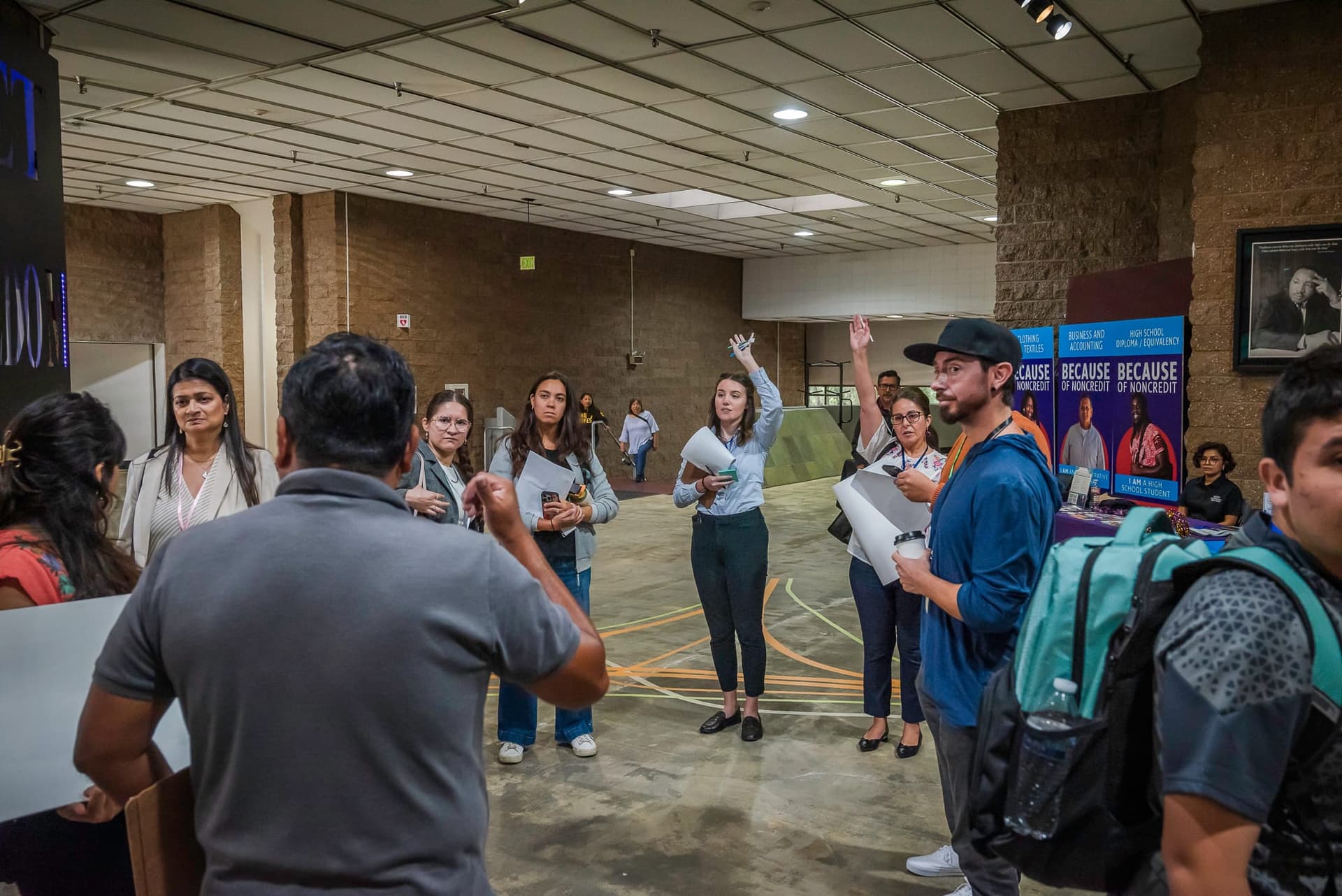
As part of Dangerous by Design 2026, Smart Growth America recently briefed congressional staffers on Capitol Hill about the pedestrian fatality crisis that kills more than 7,000 people every year. Updated rankings of the deadliest congressional districts for people walking reveal dangerous conditions in individual communities that the earlier rankings of states and the 101 largest metro areas don't show as clearly. Transportation for America’s Senior Policy Manager Kristina Curtiss reflects on the crisis as a practitioner, advocate, and member of the public.
Many people don't realize the full gravity and scale of the pedestrian fatality crisis until they lose someone to traffic violence. Although the enormity of loss is heavy and nearly impossible to comprehend, it’s essential that we feel it and respond. Instead of becoming numb to the crisis and tuning it out, we need to understand it and let its gravity lead us to action.
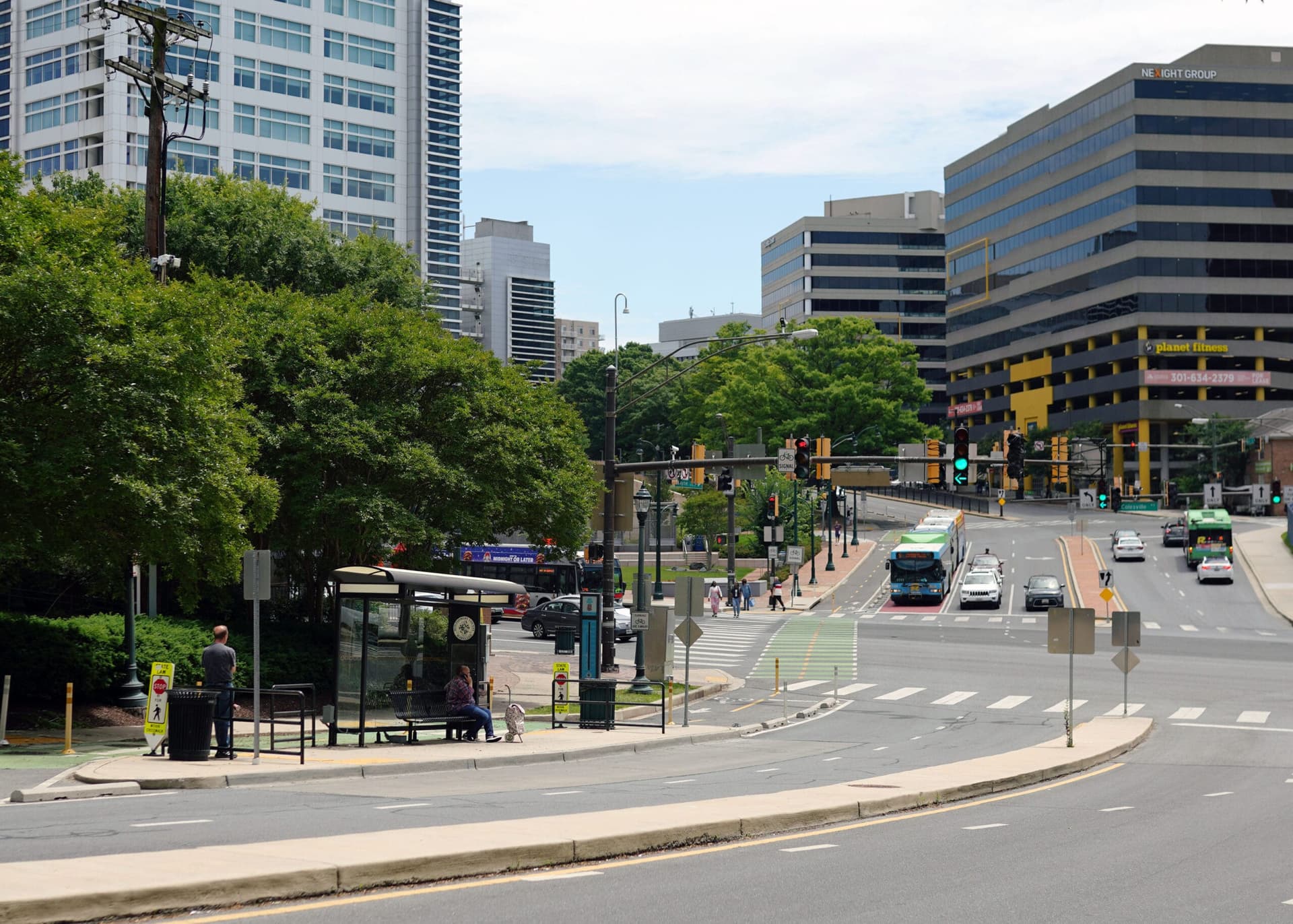
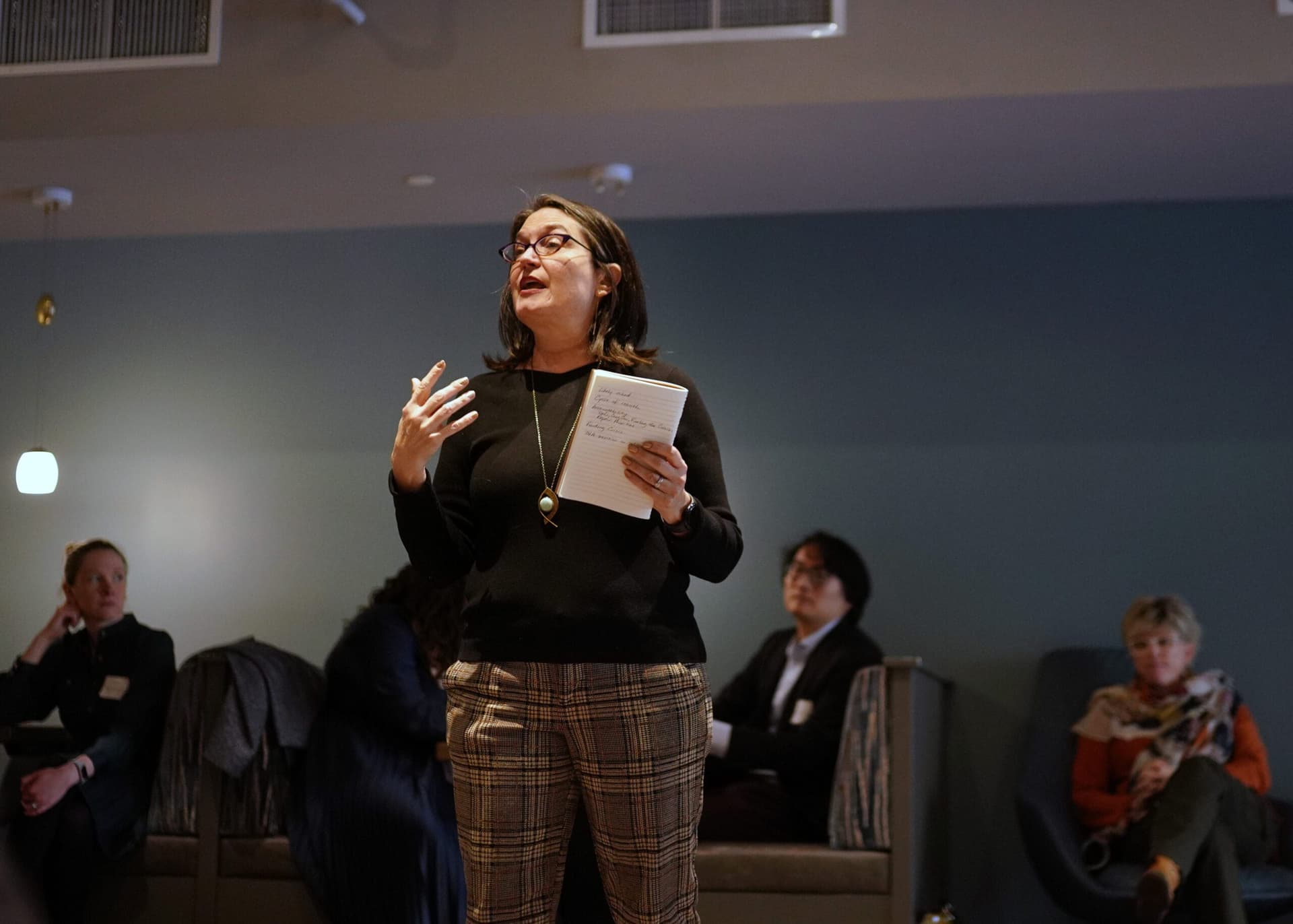
Mindy Badin has a firsthand understanding of the pedestrian fatality crisis shared by hundreds of thousands of families across the country. Last week, she shared her story in the Senate Russell Building, telling a room of local advocates and congressional staffers about her son, Brett, who was killed by a driver after being dropped off at a midblock bus stop on the side of a busy six-lane highway in Maryland. At the briefing, Mindy’s stories reflected her love for her son and the pain that her family feels after his loss.
Hundreds of thousands of American families are living with the same pain as the Badins because of a problem that's completely preventable. With rising rates of pedestrian fatalities, stories like theirs have become even more frequent. Brett was just one of the 703 people who were killed while walking in Maryland in just five years. Just like him, each person was someone’s loved one, family member, and friend.
This is the reality of our pedestrian safety crisis: Most people will eventually know someone who has been seriously injured or killed in a crash. That prospect is only continuing to grow. In Dangerous by Design 2026, we found that even if pedestrian fatalities keep declining at the current rate, we wouldn’t reach the slightly lower level of pedestrian fatalities from 2009 until 2042. That means during the next decade, almost 96,615 people would be killed on our roads. This number is simply unacceptable.
Understanding loss is essential for practitioners and the public
As a former pedestrian safety planner, I’ve heard many stories from families that lost a loved one. For each of those stories, there was a harrowing fatal site review that followed the crash to document exactly why the road conditions were unsafe for those who died, and a devastating police-issued crash report that I read to better understand the sequence of events. The gravity of safety work did not escape me, and each story stays with me, reminding me of the importance of working toward zero serious injuries and fatalities on our roads.
When faced with the immense responsibility of addressing crashes, I often turned to my peers and asked how they handled the emotional weight of the work. Too many, across many cities and states, told me that to survive doing roadway safety work, I had to “become numb” to the loss around us. This was always a disappointing answer to me, but it is unfortunately the norm—not just as practitioners but as the public as well.
When so many people are killed on our roadways each year, it is impossible to conceptualize the enormity of loss. In 2024, a staggering 39,254 people were killed on roads in the U.S. That number of people is approximately the entire population of Asheville, North Carolina. That number of people could fill the average Major League Baseball stadium on a game day. But those who died will never get the opportunity to visit Asheville or see a baseball game again and enjoy sitting outside with a ballpark snack of choice. For many of us, another traffic death is just another poorly written headline that goes in one ear and out the other. But for those impacted, the next traffic death could be the loss of their entire world.
Let your emotions lead you to action
Becoming numb to the pedestrian safety crisis prevents us from making substantial progress toward addressing it. There’s a lack of urgency and attention toward this pressing issue because it’s easier to zone out than it is to care, and that slows down any progress. That is why the work of Mindy Badin and scores of others with Families for Safe Streets is so important: It reminds us that each of these numbers is a story. These families shouldn't have to be advocates in the first place. We should just have safer streets to begin with.
The problem isn't that we don’t know how to stop people from dying on our roads. In fact, plenty of evidence shows exactly how we can make our infrastructure safer for everyone who uses it. The problem is that we favor public opinion and political wins over proven safety countermeasures, and then don’t invest the resources, time, or energy to fight for the lifesaving measures needed to change a road designed for speed over safety. If the U.S. invested the resources necessary to keep up with the progress towards crash reduction seen in every other peer country, 63,441 lives otherwise lost to traffic violence could have been saved over the last decade alone.
To combat the pedestrian safety crisis, let yourself feel, and then let the emotional response lead you to action. Take the time to understand the importance of the lives we’ve lost. For practitioners, understanding the gravity is essential to driving culture change in your organization, motivating action, and prioritizing the right resources. For the public, understanding the issue lets you push practitioners and your representatives to do better.
Mindy is an excellent advocate, but she should not have to be one. The work families who have lost a loved one do forces them to confront their loss again and again to advance any change. Instead, it should also be up to all of us to understand, feel, and then work together toward action on the pedestrian safety crisis.
Today, I will remember Brett as Mindy intended: someone who loved bowling, who was a cherished coworker and family member, and who deserves to be here today. I hope you remember him too, and then decide to do something about it.
Related News






Livable places. Healthy people. Shared prosperity.


© 2026 Smart Growth America. All rights reserved
Site By3Lane Marketing
