




News
By Sam Gordon, Joseph Mendonca, May 19, 2026
In Buffalo and Dallas, community organizations are addressing the long-term health impacts of industrial zoning and environmental harm. Through the ZEST program, the Clean Air Coalition of Western New York and Downwinders at Risk strengthened their advocacy efforts by examining how other communities have approached industrial land-use reform and environmental justice.
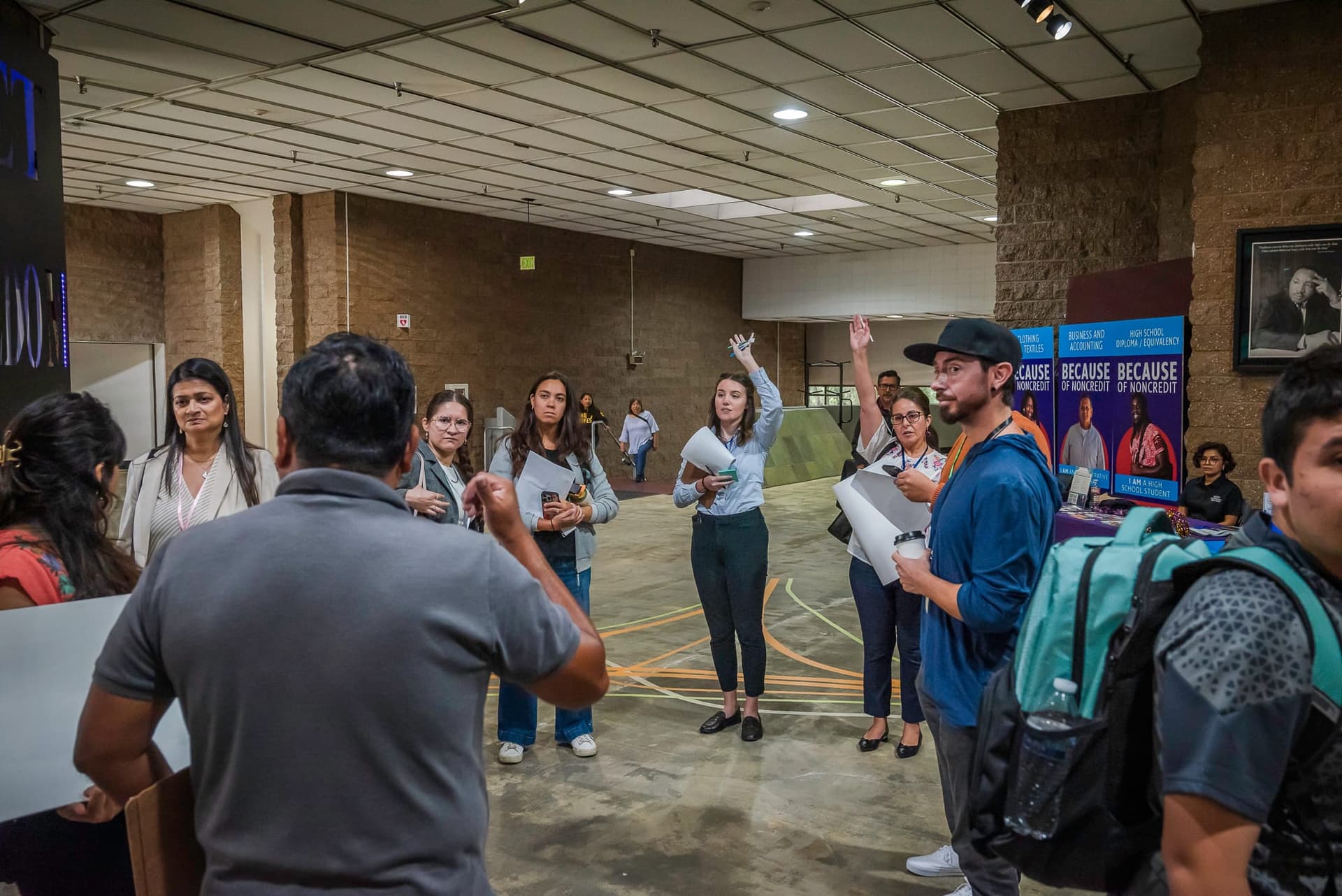
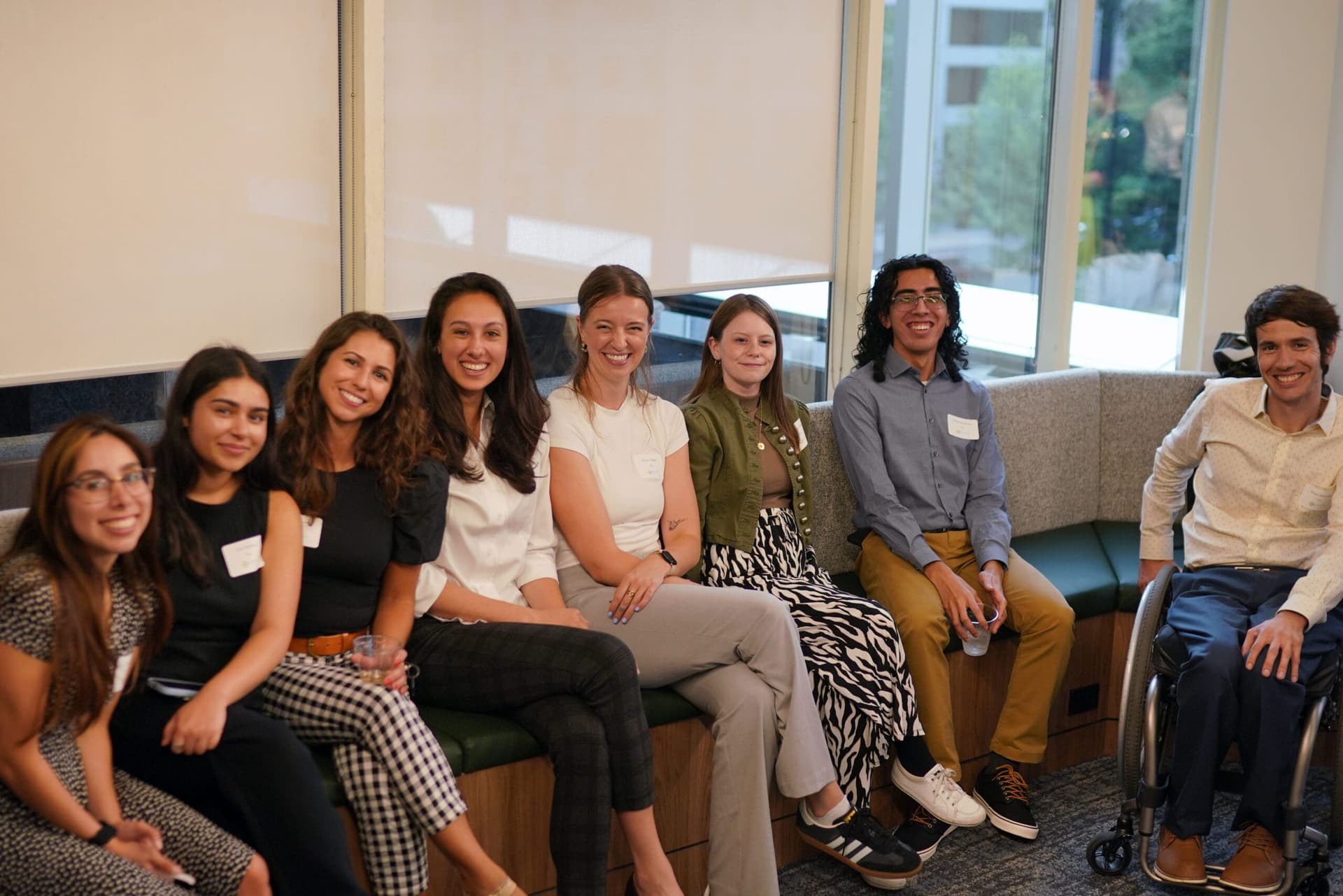
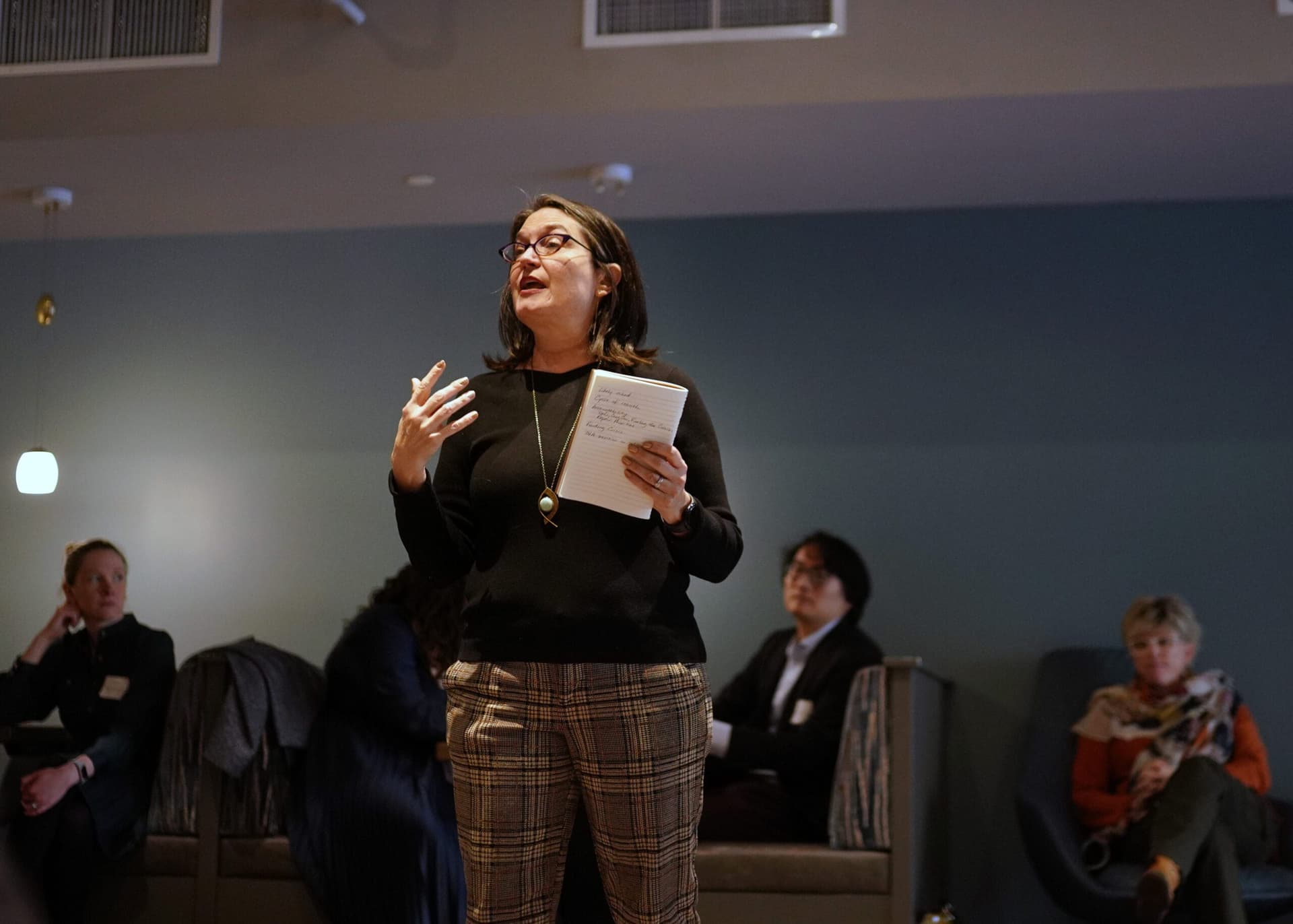
Throughout the fall and winter of 2025, Smart Growth America’s Center for Zoning Solutions supported 19 community-based organizations (CBOs) across the country through the Zoning for Equitable Solutions and Thriving Communities (ZEST) program. Together, they strengthened each organization’s ability to connect land use and health outcomes, identify zoning barriers, and translate complex policies into practical, community-driven strategies.
Zoning is a powerful driver of health outcomes, shaping nearly every aspect of daily life—from housing and transportation to environmental exposure and access to opportunity—in both visible and invisible ways. Over six months, Smart Growth America delivered tailored technical assistance spanning policy analysis, data analysis, ArcGIS StoryMaps, and education and advocacy tools, building participants’ capacity to turn complex zoning systems into actionable strategies for creating healthier communities.
A key takeaway from this work was the power of storytelling as an essential tool for translating complex issues into relatable, actionable narratives. This blog series builds on those lessons, highlighting real-world examples, tools, and insights to support others navigating zoning challenges and advancing reform in their own communities.
Legacies of former industrial centers
In upstate New York, Buffalo’s legacy as a major industrial center left behind a landscape of both active industrial uses and dormant brownfield sites. While brownfield sites offer significant redevelopment opportunities, they have historically imposed environmental health burdens on surrounding communities, particularly when redevelopment decisions were made without meaningful community input. The Clean Air Coalition of Western New York is learning from other industrial regions around the country facing similar challenges to strengthen its education and advocacy efforts on environmental justice and public health.
There’s a similar story in Dallas, TX. Downwinders at Risk amplifies community voices in neighborhoods across southern and western Dallas that have long experienced adverse environmental health effects of redlining and industrial zoning. These communities—whose residents are predominantly Black, Latino, and low-income—have been disproportionately exposed to air pollution and other environmental hazards from the concentration of heavy industry allowed to exist nearby. Downwinders has served as a voice for these communities during local planning processes, advocating for stronger environmental justice considerations and reimagining how former and current industrial sites can be repurposed to better serve surrounding communities. Their core belief is that "environmental justice is a civil right," and that belief guides their approach with community partners.
Challenges with recent redevelopment opportunities
In both Buffalo and Dallas, as well as countless other communities across the country, legacy industrial zoning patterns continue to negatively affect public health outcomes. Industrial sites often remain embedded in or near residential neighborhoods, and the local systems governing land-use decisions can make it confusing and difficult for community organizations like Clean Air Coalition and Downwinders to actually influence decision-making processes.
Even when redevelopment opportunities emerge, communities face barriers in navigating notoriously complicated local zoning regulations and identifying the most effective paths forward. Ensuring that the communities most adversely affected by industrial activity have a meaningful voice in shaping future land use is an ongoing challenge nationwide.
“Poor zoning choices in the 20th century, rooted in discriminatory practices, directly contributed to many of the issues these communities face - but modern zoning practices rooted in equity and justice with a goal of reparations and reconciliation can not only make these neighborhoods whole but build a better world for today and tomorrow.” - Bridge Rauch, Environmental Justice Organizer, Clean Air Coalition
Support from SGA
Through ZEST, SGA supported both organizations by providing research and analysis of communities facing similar challenges to strengthen their advocacy strategy and engagement efforts.
For the Clean Air Coalition, our work included providing case studies of cities that incorporated environmental justice protections into their zoning codes, including Newark, NJ, and examples of equitable brownfield redevelopment projects, such as Chevy Commons in Flint, MI. SGA also provided resources on recent zoning reforms that better regulate emerging industrial uses such as data centers, which are being developed on former industrial land at an increasing rate.
For Downwinders at Risk, SGA conducted a targeted review of Dallas’ industrial zoning framework, breaking down the city’s four industrial zoning classifications, permitting processes, and allowable uses. This analysis helped clarify advocacy opportunities related to reimagining and repurposing industrial-zoned land in West Dallas. SGA also researched and compiled case studies from Atlanta, San Francisco, Oakland, and other cities that have successfully transformed former industrial areas into community-oriented and mixed-use districts.
Connecting zoning to community health
Both organizations’ work centers on the connection between industrial land use, environmental conditions, and public health. Industrial facilities are often concentrated in historically disinvested communities, resulting in disproportionate exposure to air pollution and other environmental hazards that contribute to adverse health outcomes.
By providing analysis, case studies, and examples from other communities, ZEST helped the Clean Air Coalition and Downwinders at Risk advance local efforts to reshape how industrial land is regulated and repurposed. More broadly, the work of both organizations underscores a critical issue: addressing the legacy of industrial zoning is one of the most pressing land-use challenges today. Sustainable, community-centered land-use policies are essential to improving health outcomes in groups that have long borne the brunt of harmful planning decisions.
Related News







Livable places. Healthy people. Shared prosperity.


© 2026 Smart Growth America. All rights reserved
Site By3Lane Marketing
