




News
By Sam Gordon, May 19, 2026
In West Baltimore, Requity Foundation is transforming vacant properties into opportunities for workforce development, environmental sustainability, and community revitalization. Through its participation in ZEST, we worked with Requity to strengthen its understanding of the zoning barriers that often make community-led land activation more difficult than it should be.
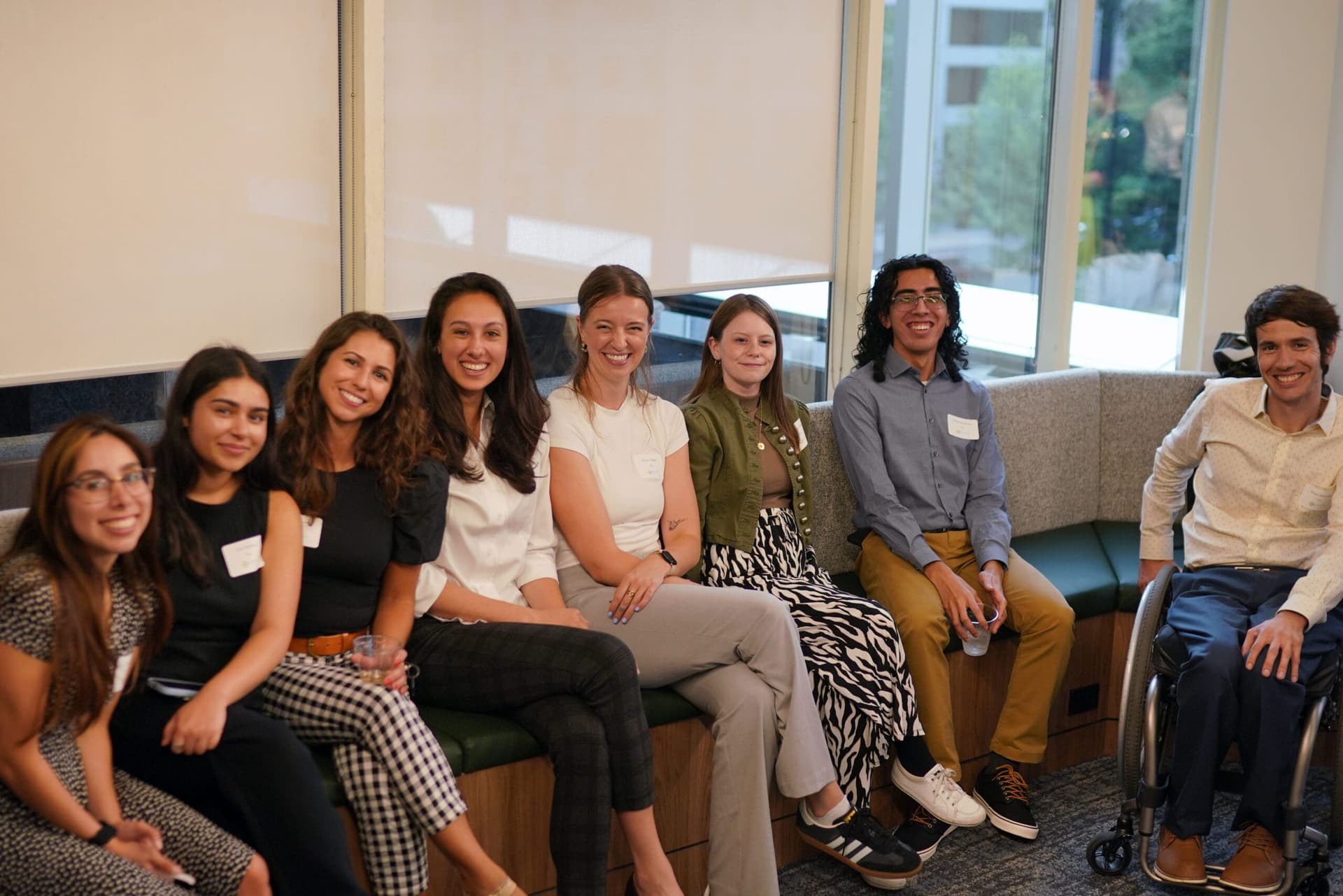
Throughout the fall and winter of 2025, Smart Growth America’s Center for Zoning Solutions supported 19 community-based organizations (CBOs) across the country through the Zoning for Equitable Solutions and Thriving Communities (ZEST) program. Together, they strengthened each organization’s ability to connect land use and health outcomes, identify zoning barriers, and translate complex policies into practical, community-driven strategies.
Zoning is a powerful driver of health outcomes, shaping nearly every aspect of daily life—from housing and transportation to environmental exposure and access to opportunity—in both visible and invisible ways. Over six months, Smart Growth America delivered tailored technical assistance spanning policy analysis, data analysis, ArcGIS StoryMaps, and education and advocacy tools, building participants’ capacity to turn complex zoning systems into actionable strategies for creating healthier communities.
A key takeaway from this work was the power of storytelling as an essential tool for translating complex issues into relatable, actionable narratives. This blog series builds on those lessons, highlighting real-world examples, tools, and insights to support others navigating zoning challenges and advancing reform in their own communities.
Using vacant land for workforce development
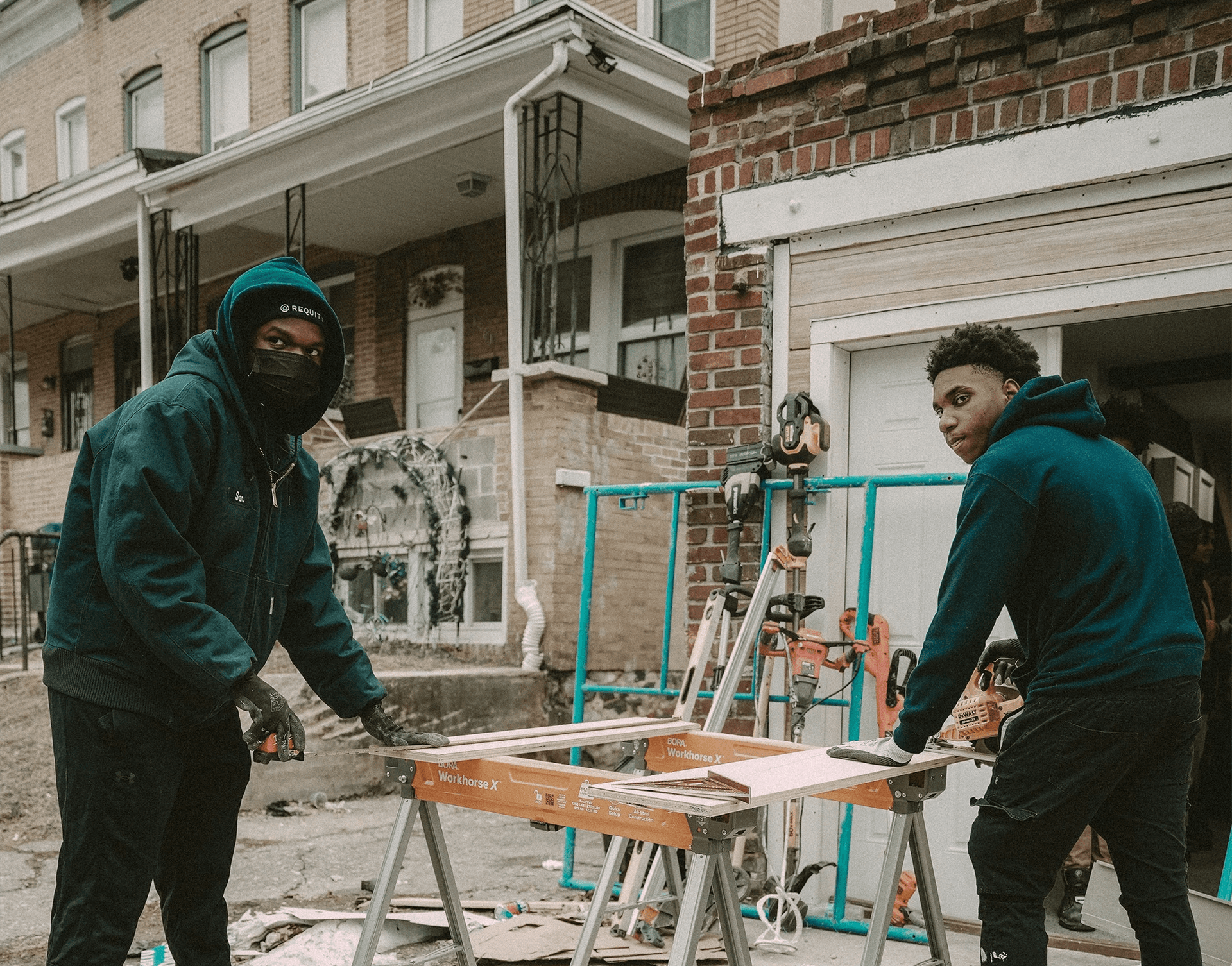
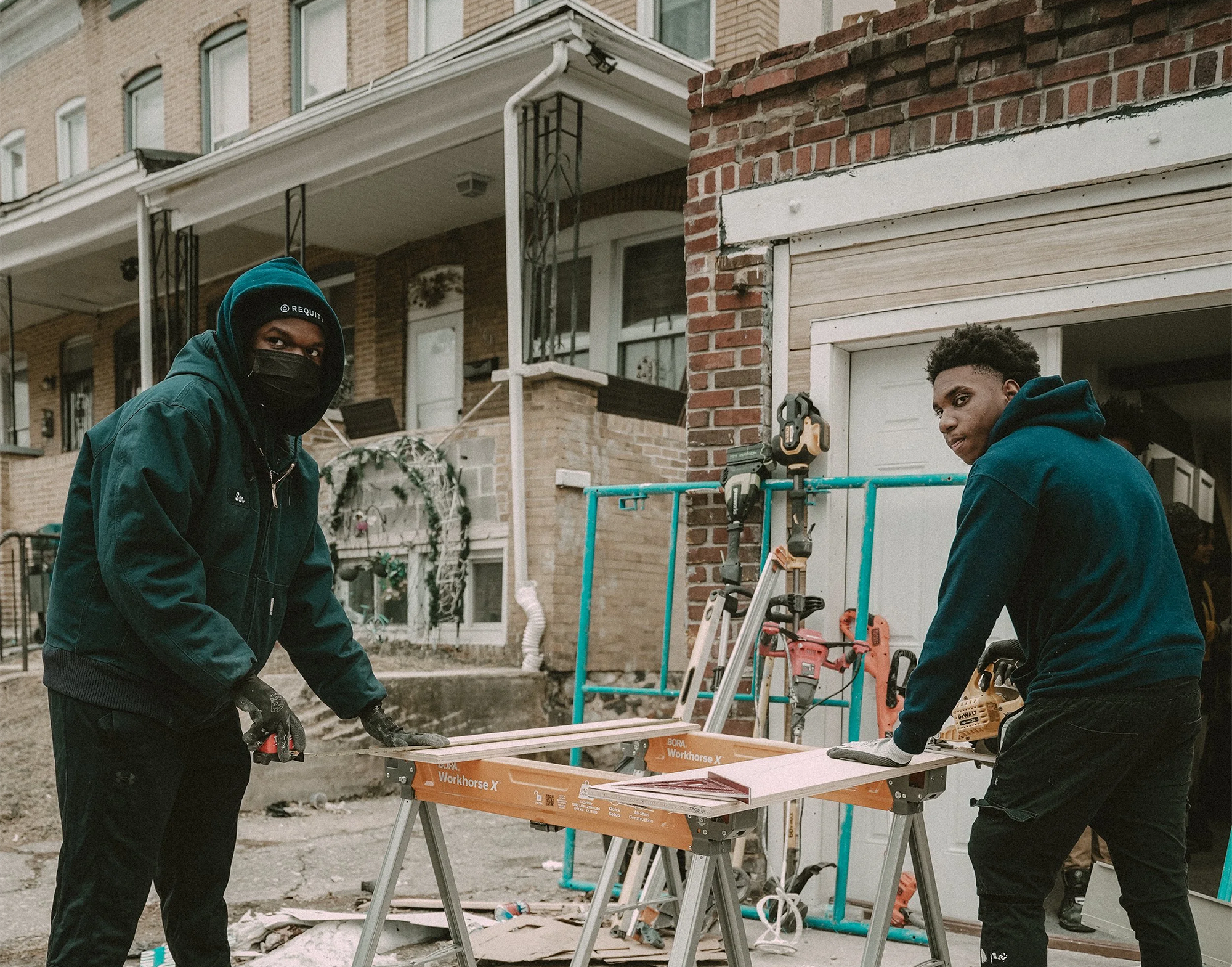
Based in west Baltimore’s Coppin Heights-Easterwood neighborhood, Requity Foundation runs programs that connect students from Carver Vocational-Technical High School—located across the street—and other nearby schools to real-world experience and job training in construction, digital media, business, and the culinary arts. A core feature of their programming includes transforming vacant neighborhood properties into living laboratories to train students who will become the next generation of the local workforce.
Despite being a relatively new organization, founded only in 2020, Requity quickly steeped in the community development space, working to activate unused spaces that municipal systems had struggled to revitalize. Requity launched its first major program in 2021, rooted in an idea that began nearly a decade earlier when Carver student-athlete Sterling Hardy asked his baseball coach, Michael Rosenband, “Why don’t we work on rehabilitating those houses across the street?” The question stayed with Rosenband, who later founded Requity and turned that idea into action.
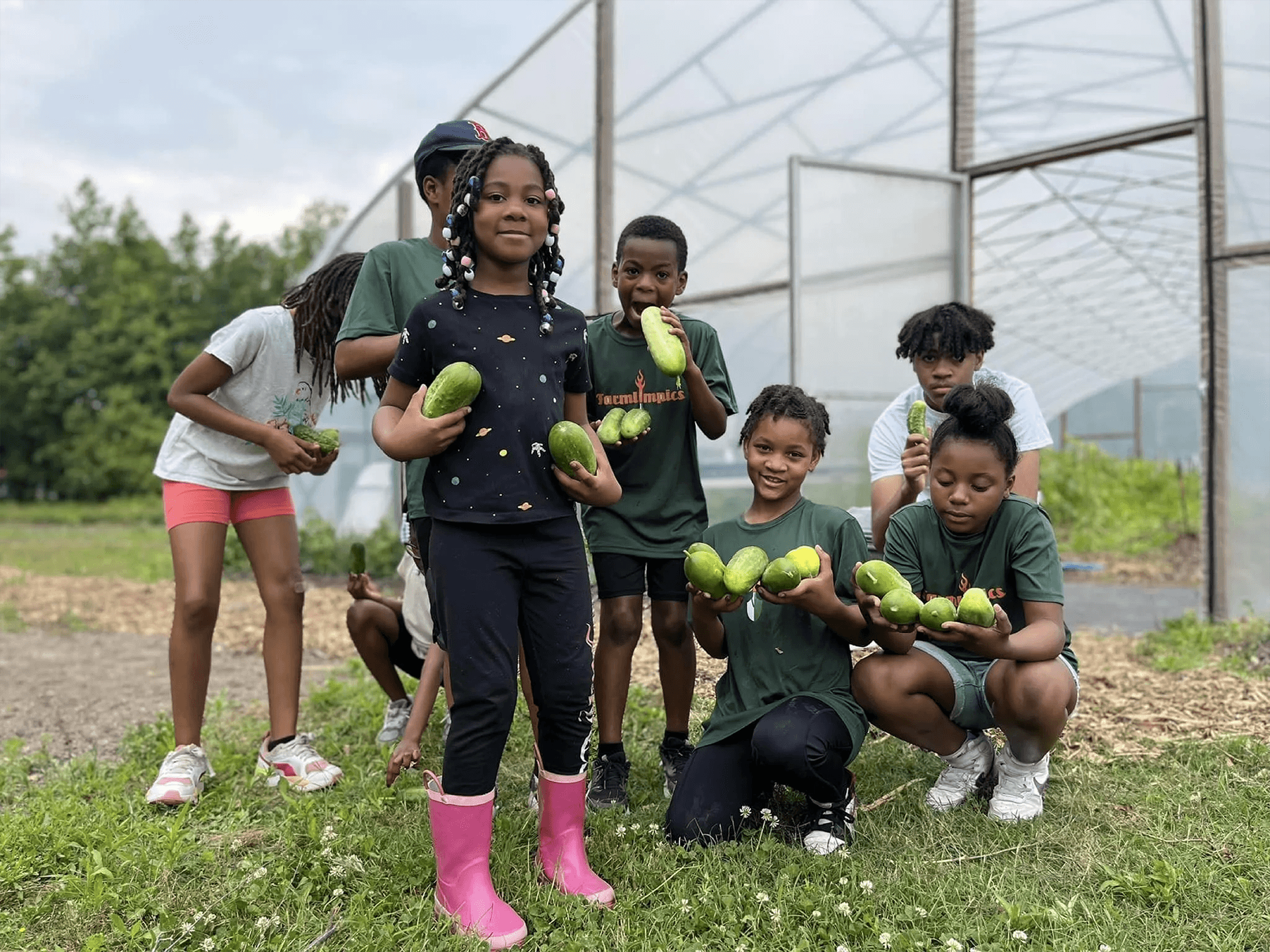
The organization acquired a vacant house across from the school, which participating students have been working to rehabilitate into an environmentally sustainable, energy-efficient home. This means that “Carver House” will have significantly lower energy costs. As this project gained momentum, Requity identified another poorly maintained vacant parcel in the middle of a nearby block of rowhomes, presenting a similar opportunity—this time for a community garden.
These projects require navigating the City of Baltimore’s zoning and regulatory systems, which are—like others across the country—often bureaucratic and unintuitive. And over time, it has become clear that zoning and regulatory processes remain a key barrier to scaling their work, limiting Requity’s ability to acquire and activate vacant land to support its broader community and workforce development goals. Through its participation in ZEST, the organization gained a clearer understanding of how to navigate these systems, positioning it to expand programs to additional sites.
How the city’s Comprehensive Plan makes this work difficult
The city’s zoning ordinance should make it easier for community members and organizations actively working to improve their neighborhoods in accordance with the city’s Comprehensive Plan.
For example, in Baltimore’s R-6 Residential-Zoned Districts, where Requity works, “youth vocational programming” is legally defined as a conditional commercial use rather than the simple community-serving activity it is. (Requity isn’t a trade school in the traditional sense, but a community organization.) The code also defines “urban agriculture” as an activity that requires special board approval. That means Requity has to jump through an additional regulatory barrier and get permission from the Board of Zoning Adjustments, which can add weeks, if not months, before they even begin to reactivate a long-vacant,ill-maintained lot for community benefit.
“We’ve been stuck in limbo for several months—there’s confusion about whether we even need to go before the board, and delays in getting a site visit scheduled,” said staff members from Requity.
Acquiring city-owned lots also involves parallel, sometimes unaligned, review processes across multiple departments—including the Housing and Community Development and Planning and Permitting departments.
In short, Requity’s programming that directly aligns with Baltimore’s goals still encounters regulatory fiction. Granted, the City of Baltimore is in the process of revising its zoning ordinance to be more straightforward and congruent with the updated Comprehensive Plan.
Support from SGA
SGA conducted a targeted scan of zoning ordinances and land-use policies, identifying and explaining gaps between the lofty goals stated in Baltimore’s Comprehensive Plan and the actual legal zoning ordinances that allows the plan’s vision to be implemented. This analysis provided Requity with a stronger understanding of the regulatory framework and explained why their efforts to acquire a vacant lot for community use aren’t as easy as they should be.
SGA also documented some of the regulatory barriers Requity has encountered, including permitting delays and parallel, separate lot-acquisition processes, and pointed out other municipalities that simplified their regulatory systems to make it easier for community-based organizations to acquire and use land.
The resulting memo translated technical definitions and provided practical strategies to help Requity navigate the city’s zoning regulations in future vacant lot acquisitions.
Connecting zoning to community health
Requity’s work addresses food access, workforce development, housing stability, and environmental sustainability—all core determinants of health outcomes. Unfortunately, most American zoning regulations are still written and structured to treat such community-serving activities as special exceptions, rather than priorities. This disconnect underscores why Smart Growth America, in partnership with the Robert Wood Johnson Foundation, is working to elevate the connection between land use and health equity through ZEST.
Our work with Requity underscores a broader lesson: When zoning codes reflect community goals and priorities, the community-based organizations already doing this important work can focus less on navigating red tape and more on building the healthier, sustainable neighborhoods that communities deserve.
Related News





Livable places. Healthy people. Shared prosperity.


© 2026 Smart Growth America. All rights reserved
Site By3Lane Marketing
