






News
By Marian Liou, May 19, 2026
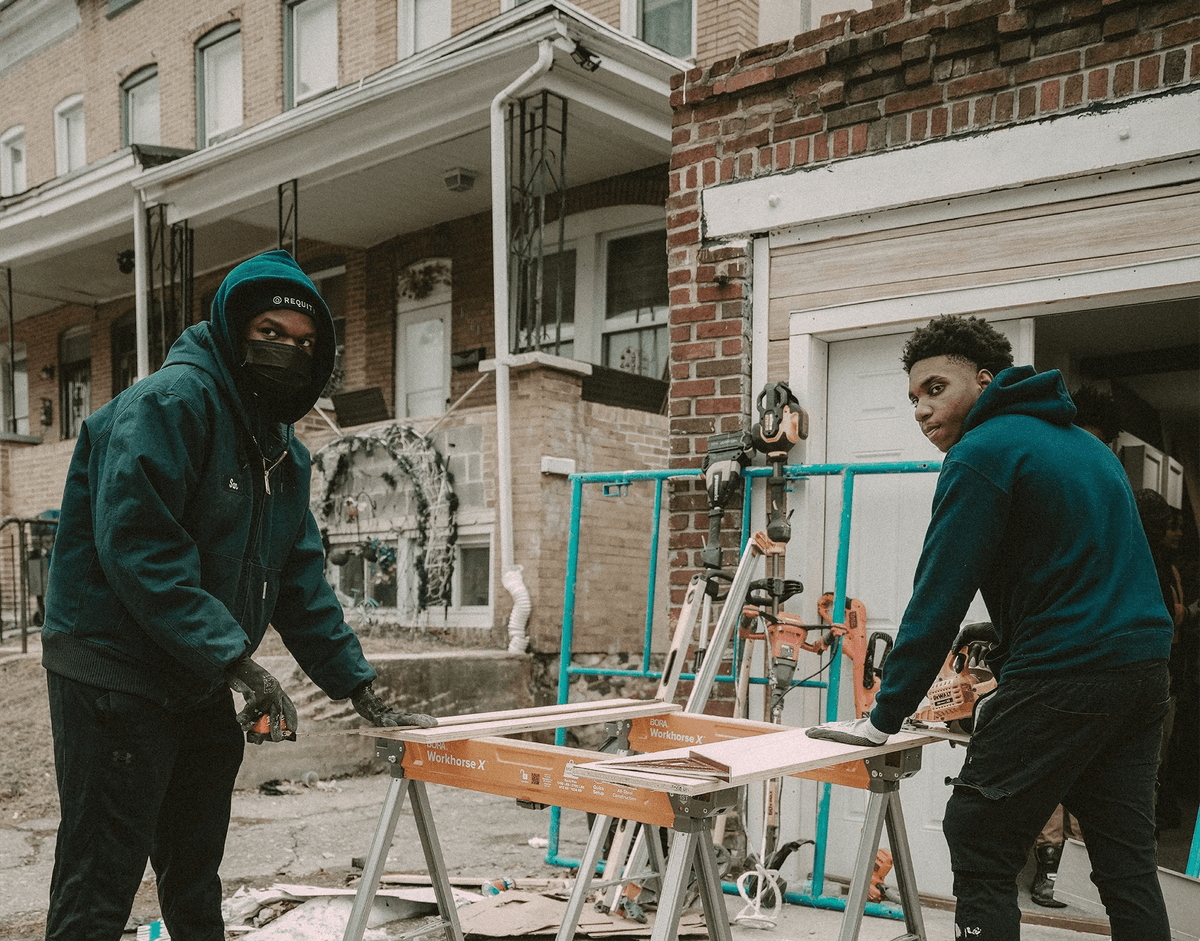
In Montgomery, Alabama the Metropolitan United Methodist Church is building community power to tackle zoning challenges. Through its participation in ZEST, we supported Metropolitan in better navigating complex land-use systems and advocating for long-term community change.
Throughout the fall and winter of 2025, Smart Growth America’s Center for Zoning Solutions supported 19 community-based organizations (CBOs) across the country through the Zoning for Equitable Solutions and Thriving Communities (ZEST) program. Together, they strengthened each organization’s ability to connect land use and health outcomes, identify zoning barriers, and translate complex policies into practical, community-driven strategies.
Zoning is a powerful driver of health outcomes, shaping nearly every aspect of daily life—from housing and transportation to environmental exposure and access to opportunity—in both visible and invisible ways. Over six months, Smart Growth America delivered tailored technical assistance spanning policy analysis, data analysis, ArcGIS StoryMaps, and education and advocacy tools, building participants’ capacity to turn complex zoning systems into actionable strategies for creating healthier communities.
A key takeaway from this work was the power of storytelling as an essential tool for translating complex issues into relatable, actionable narratives. This blog series builds on those lessons, highlighting real-world examples, tools, and insights to support others navigating zoning challenges and advancing reform in their own communities.
Introducing the partner
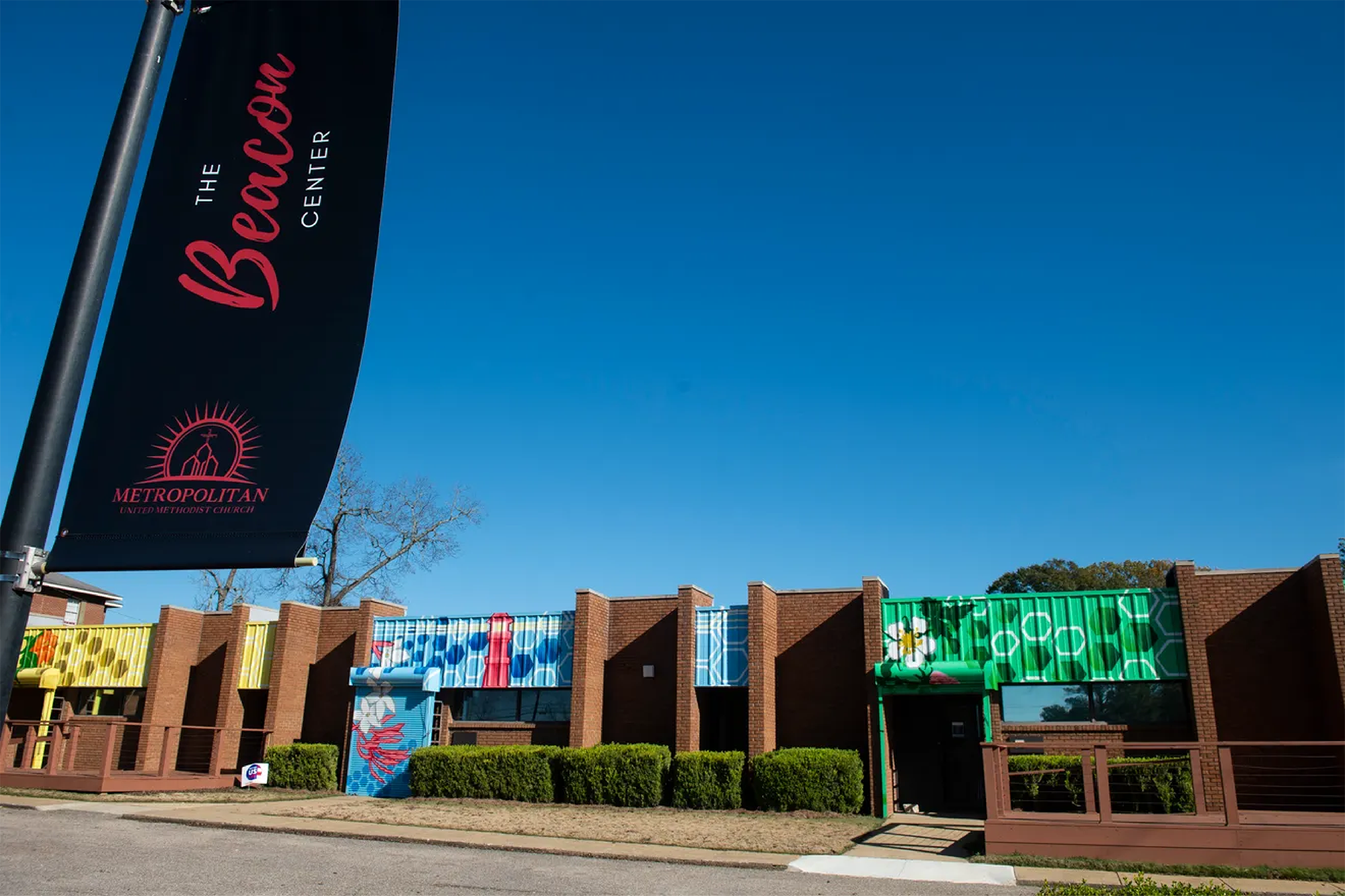
The Metropolitan United Methodist Church (Metropolitan) is an anchor institution in western Montgomery, Alabama. Its Beacon Center, established by lead Pastor Richard Williams, serves as a community hub that distributes food and provides healthcare, education, and workforce development programming, serving more than 9,000 households through its food pantry program alone. Metropolitan provides these direct services to community members while also addressing entrenched challenges related to housing stability and limited transportation options.
Despite visionary and committed stewardship, Metropolitan is not always recognized for its important role in the community or welcomed as an equal partner in decisions that shape the lives of those it serves. In response to those experiences, Metropolitan joined ZEST to better understand the rules of the game to help change them.
Barriers to community-led change
This development disparity reflects the long-term impacts of segregation, disinvestment, and unequal access to opportunity, as investment continues to be concentrated in Montgomery’s wealthier, predominantly white eastern neighborhoods.
Additionally, the city lacks a functioning municipal land bank, leaving vacant and tax-delinquent properties inaccessible to community organizations with neighborhood-centered visions. The city's ongoing zoning rewrite offers a rare opportunity, but only for those who know how to effectively participate in this process.
Support from SGA
Through ZEST, SGA reviewed Montgomery's zoning ordinance and provided Metropolitan with a memo examining eight land-use barriers—from fragmented revitalization tools and missing middle housing to parking minimums and procedural confusion—and an advocacy roadmap identifying who holds power in Montgomery's planning system and which community voices have the most leverage. SGA also developed a customizable presentation designed to inform Pastor Williams and equip Metropolitan leaders and residents with adaptable messages for different audiences and settings—whether a traditional church meeting, a conversation over coffee with a city official, or a local interfaith gathering.
Human element
Pastor Williams envisions an interfaith coalition in which different faith communities and organizations each steward different pieces of a broad policy agenda. The goal is to move from being a messenger for the city government to being an architect of community power.
Connecting zoning to community health
Addressing Metropolitan’s challenges is critical to improving public health. Housing instability, displacement, and limited mobility are established determinants of poor health outcomes, from chronic disease and mental illness to reduced life expectancy. By building community leadership and advocacy capacity, Metropolitan is positioning itself to pursue three policy priorities with direct implications for community health:
- Community-centered acquisition and redevelopment of vacant and tax-delinquent properties;
- The modernization of Montgomery's zoning to allow a greater variety of housing types that expand affordable options for its community; and
- The reform of parking minimums and street design standards to reduce car dependency and increase safe and efficient transportation options.
Each of these reforms addresses a structural condition that shapes the daily health and well-being of Montgomery residents served by Metropolitan. By helping Metropolitan connect land-use policy and zoning reform to its work, ZEST is equipping a faith institution already addressing the symptoms of disinvestment to pursue systemic solutions at the core of its work.
Learn more:
Related News








Livable places. Healthy people. Shared prosperity.


© 2026 Smart Growth America. All rights reserved
Site By3Lane Marketing
