






News
By Joseph Mendonca, May 19, 2026
In North Carolina, Freedom Org is working to transform FEMA buyout parcels into community gardens and other spaces that make their communities thrive. Through the ZEST program, the organization strengthened its ability to navigate complex floodplain regulations and land-use requirements tied to these properties.
Throughout the fall and winter of 2025, Smart Growth America’s Center for Zoning Solutions supported 19 community-based organizations (CBOs) across the country through the Zoning for Equitable Solutions and Thriving Communities (ZEST) program. Together, they strengthened each organization’s ability to connect land use and health outcomes, identify zoning barriers, and translate complex policies into practical, community-driven strategies.
Zoning is a powerful driver of health outcomes, shaping nearly every aspect of daily life—from housing and transportation to environmental exposure and access to opportunity—in both visible and invisible ways. Over six months, Smart Growth America delivered tailored technical assistance spanning policy analysis, data analysis, ArcGIS StoryMaps, and education and advocacy tools, building participants’ capacity to turn complex zoning systems into actionable strategies for creating healthier communities.
A key takeaway from this work was the power of storytelling as an essential tool for translating complex issues into relatable, actionable narratives. This blog series builds on those lessons, highlighting real-world examples, tools, and insights to support others navigating zoning challenges and advancing reform in their own communities.
Introducing the partner
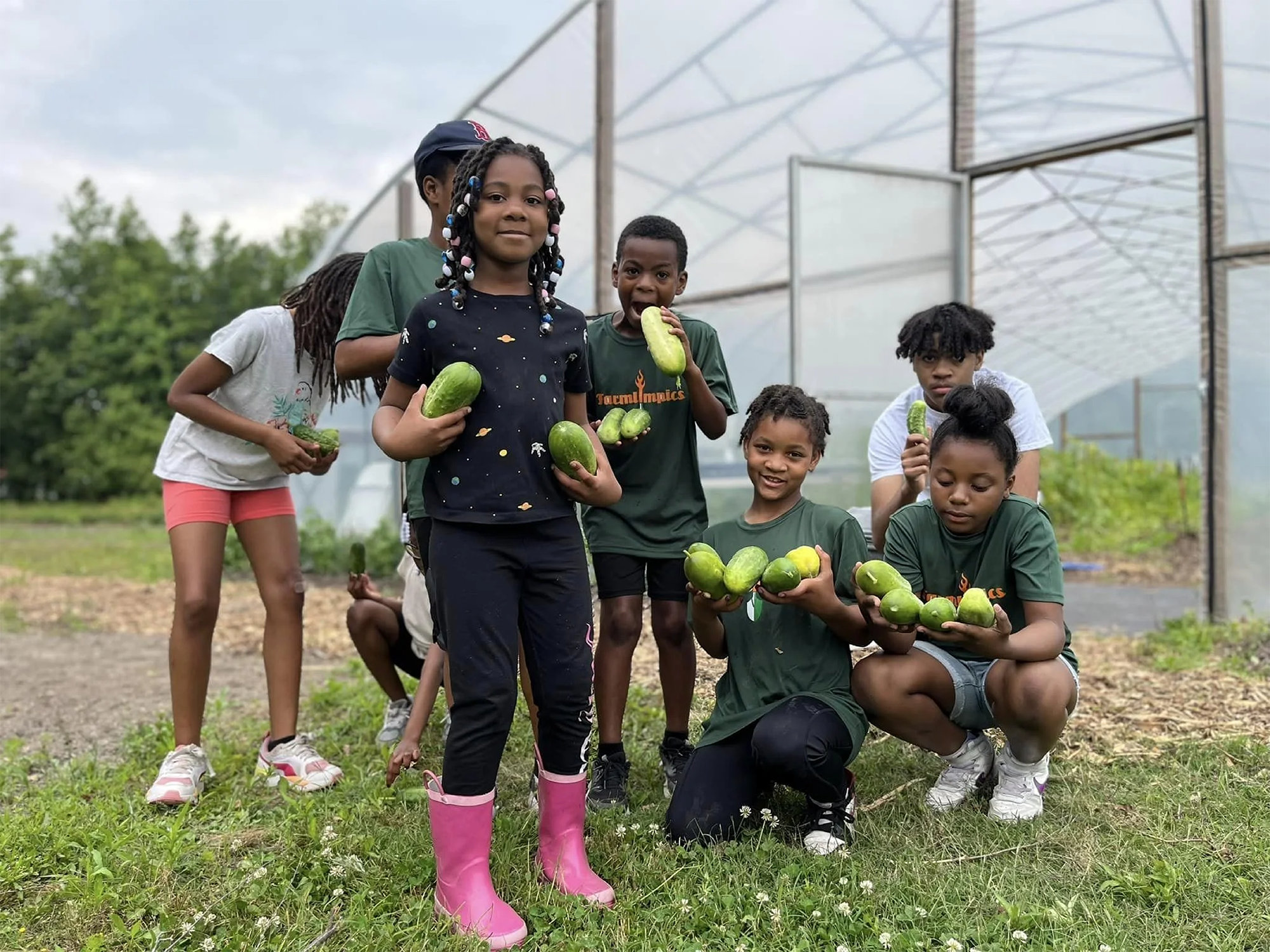
In Edgecombe County, NC, the towns of Tarboro and Princeville sit across from one another on opposite sides of the Tar River. Flooding from hurricanes Floyd (1999) and Matthew (2016) devastated both towns, leaving behind damaged lots which, through FEMA’s floodplain buyout program, are kept vacant to prevent future losses. Despite this, many residents in the region remain, driven by deep historical, cultural, and generational ties—Princeville, notably, was the first town in the U.S. founded by freed Black people after the Civil War.
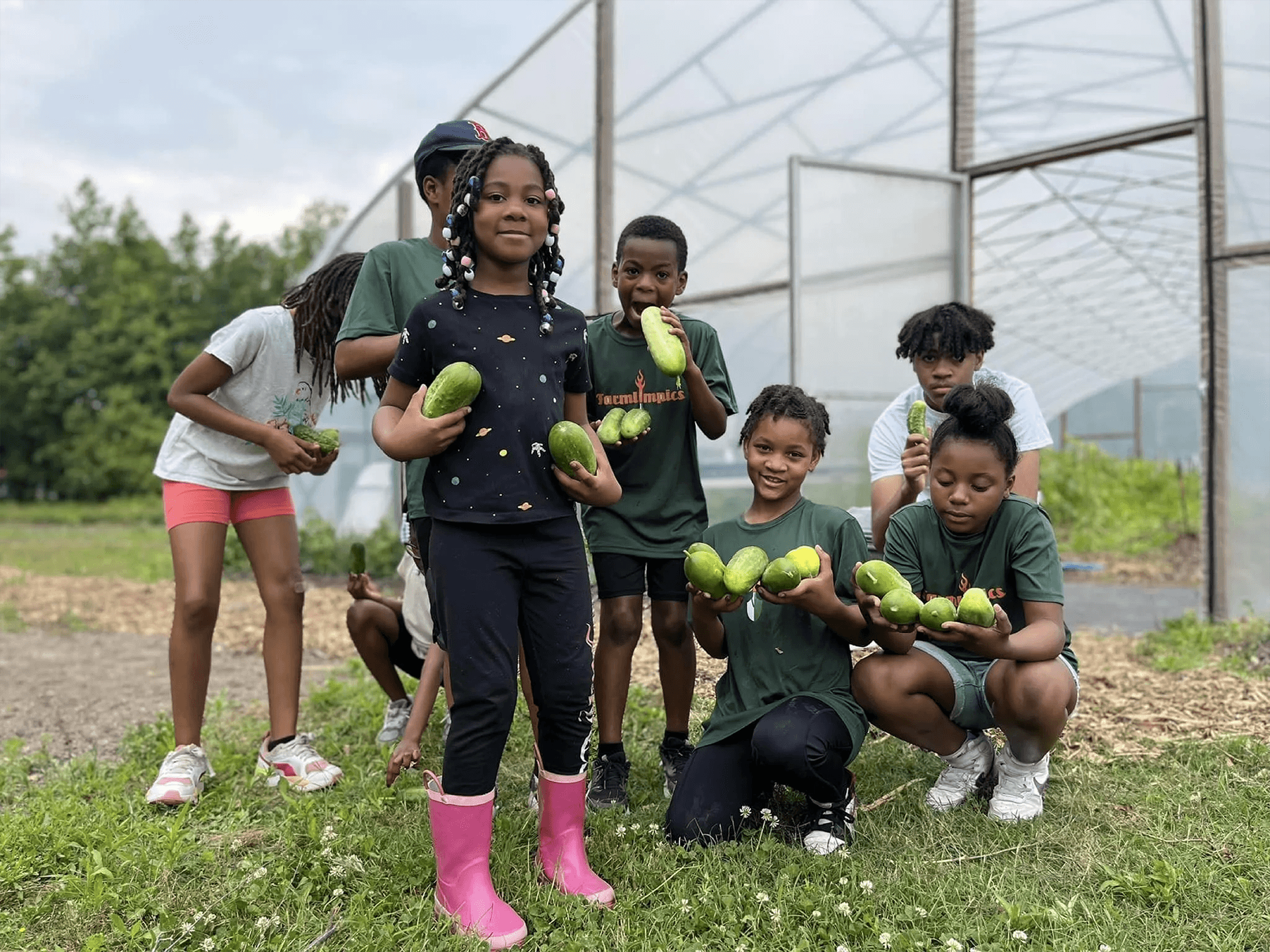
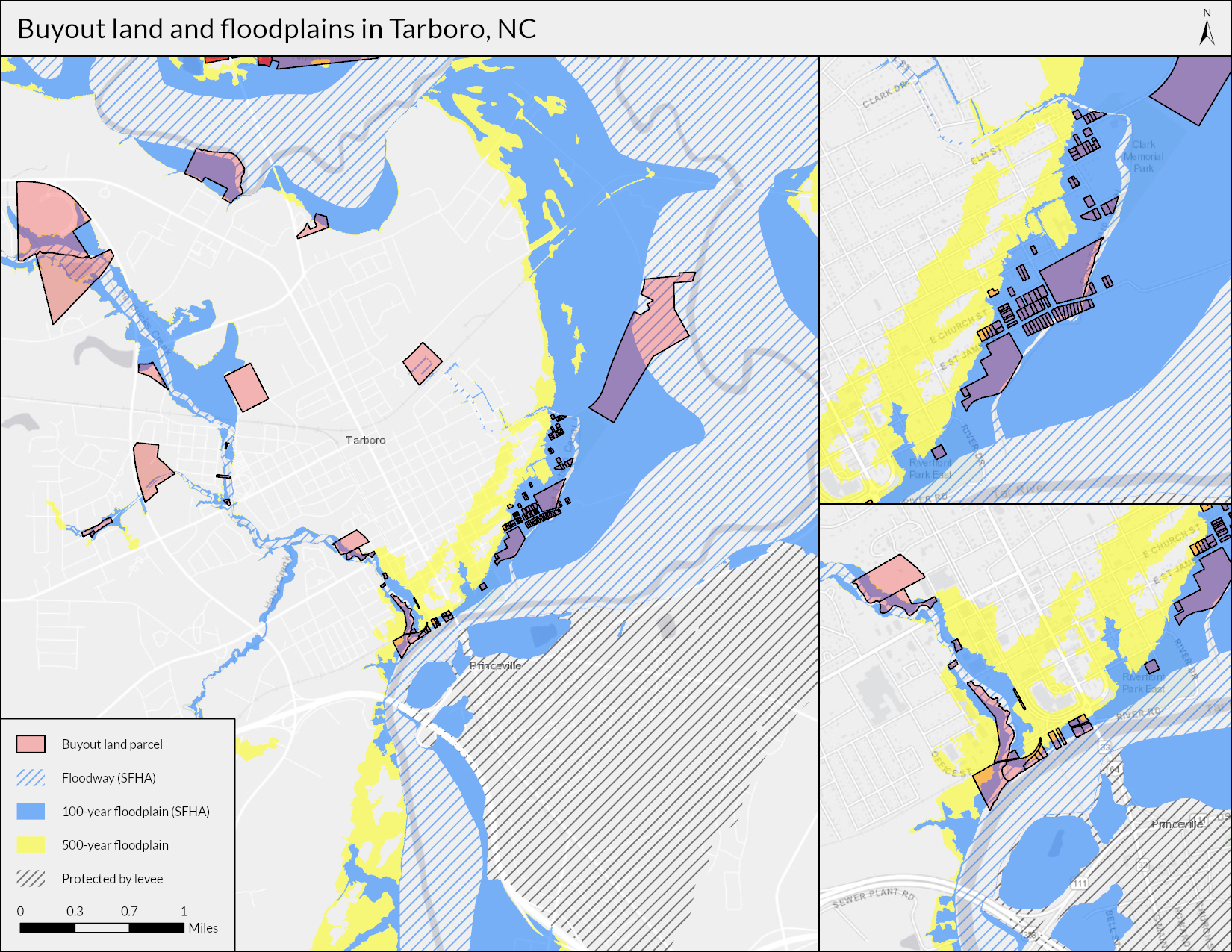
Freedom Org works to foster growth, empowerment, and sustainable change for historically disinvested communities in both towns. Through its agriculture, cultural preservation, and economic development departments, Freedom Org works to build and maintain a sense of community, support local food systems, and promote equitable economic development. One of its key initiatives—the Tarboro/Edgecombe Community Demonstration Garden—transforms vacant lots into community gardens to improve local food access, boost flooding resilience, and provide spaces for youth agricultural education. Building on this, Freedom Org aims to continue leveraging FEMA buyout parcels to build additional gardens and related infrastructure.
However, overlapping federal and local regulations create significant barriers to this work. Strict and confusing requirements designed to limit future flood risk make it difficult for Freedom Org to identify eligible parcels, navigate approval processes, and ultimately move forward in the application process to acquire these lots.
“These requirements can be disproportionately burdensome for grassroots organizations without access to engineering support, even when projects are nature-based and low-risk.” - Aerhealle Chace, Agriculture Director, Freedom Org
Support from SGA
SGA accessed an inventory of FEMA buyout parcels in Tarboro and mapped them against the town’s zoning regulations and FEMA flood zones to conduct a targeted analysis of relevant regulations. This analysis clarified which uses are permitted and outlined in the step-by-step application process—such as community garden projects—as well as the necessary documentation and certifications needed to advance these projects.
SGA also identified key constraints on design, construction, and operations for these land parcels, as well as potential pathways for program implementation that consider these challenges. By translating complex regulatory requirements into clear, actionable guidance, our work helped reduce uncertainty in the process and better positioned Freedom Org to expand its programming.
Connecting zoning to community health
Freedom Org’s work on community gardens (as well as their other work on cultural preservation and economic development) addresses several social determinants of health outcomes. Transforming vacant lots into community gardens not only increases access to fresh, healthy food but also cultivates a sense of place and community identity.
Freedom Org’s experience in Tarboro highlights a broader challenge faced by others in the ZEST cohort: complex and onerous zoning regulations often make community-driven projects prohibitively expensive and difficult, particularly for local organizations with limited resources. Streamlining regulations for community gardens and similar projects can unlock the potential of underutilized land and build healthier, more resilient communities.
Related News







Livable places. Healthy people. Shared prosperity.


© 2026 Smart Growth America. All rights reserved
Site By3Lane Marketing
