






News
By Heidi Simon, October 14, 2026
As we’ve shown time and again, you cannot successfully design roads to prioritize both the speed and convenience of vehicles and the safety of all users. Too many transportation leaders continue trying to have it both ways and inevitably fail to make meaningful progress on roadway safety.
Congratulations! You’ve landed a leadership position at a department of transportation where you’re in charge of making roads safer. Now, you might be wondering how you can make progress on safety without slowing down traffic, inconveniencing drivers, upsetting constituents, or changing the way you've always done things.

If you want to look like a safety champion without changing your actual priorities, here are seven ways to show that you’re committed to safety while continuing to move vehicles quickly, reduce complaints, and luxuriate in the comfort of the status quo. Be inspired to be uninspiring by:
1. Putting too much faith in the new and improved: Why design for safety today when you can wait for technology to save us tomorrow? Whether it’s big data or the long-promised autonomous-vehicle revolution, there’s always some exciting innovation promising to solve our roadway safety crisis. It’s easy to forget, but you already have proven street design solutions that could save lives today.
2. Using data, research, and planning as an excuse to do nothing: Don’t like what the data tells you? You can always find another way to interpret it and claim progress even though there’s still so much work to do. Or, better yet, why not commission another months- or years-long study? Never mind that we already know what works to make streets safer for people walking and biking.
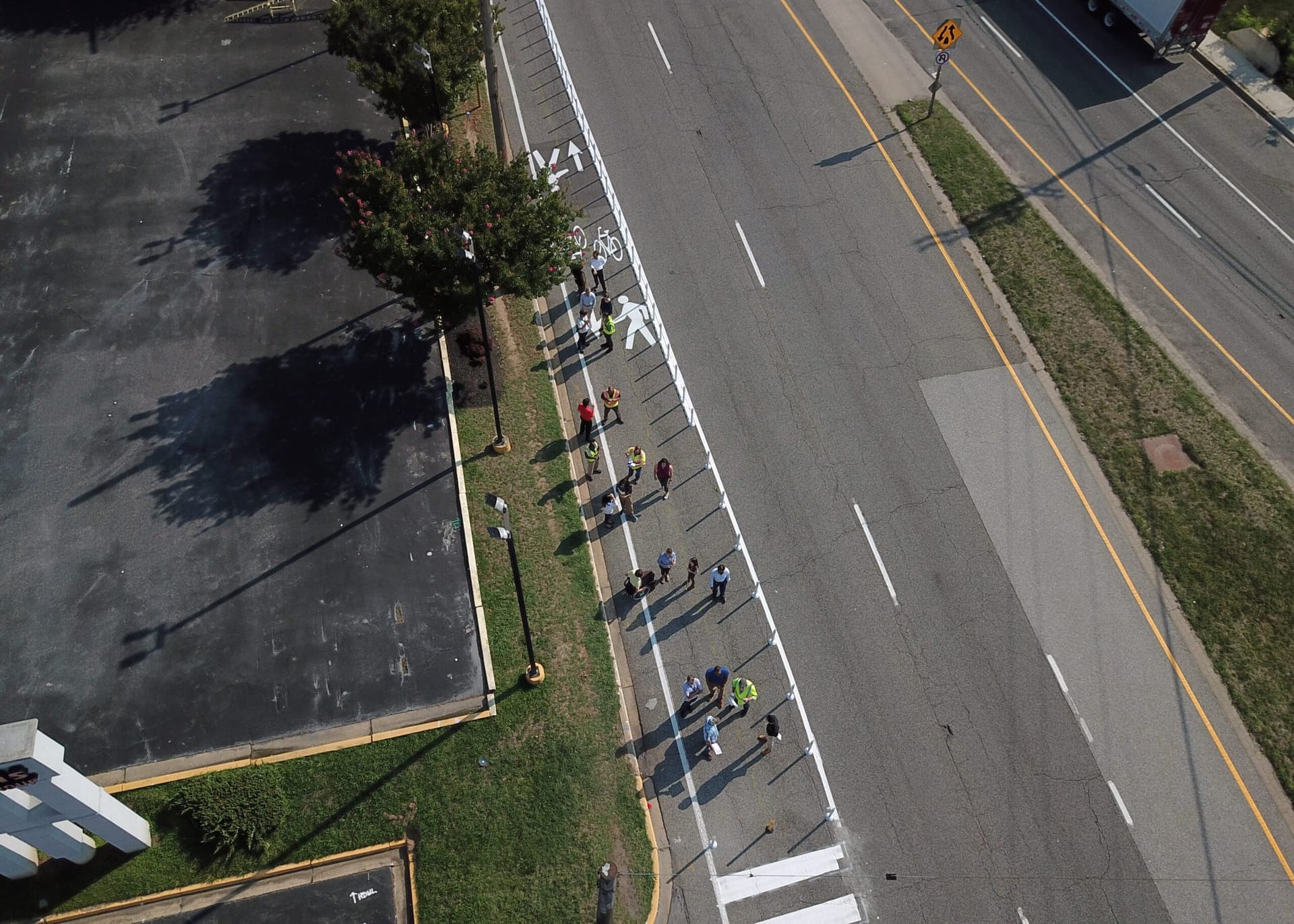
3. Requiring unanimous support for things we know work: Why do what works when someone might complain? Meaningful community engagement is extremely important, but when lives are on the line, waiting for everyone to agree is a great way to do nothing. Never mind that some initially unpopular street design changes can win over skeptics once they are implemented. Quick-build demonstrations offer a way to test improvements and gather feedback without waiting for unanimous approval.
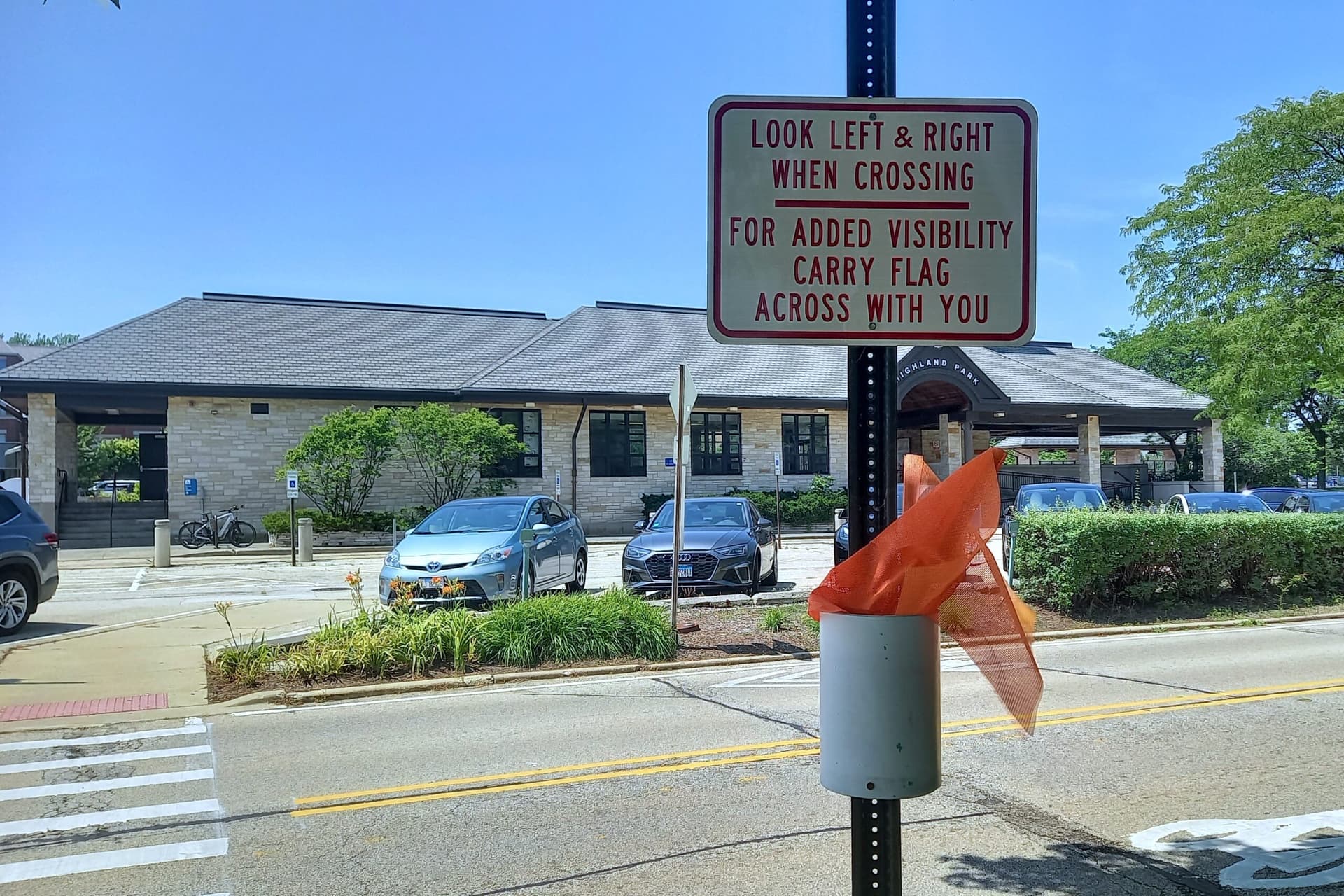
4. Forcing individuals to take matters into their own hands (literally): Why redesign a dangerous intersection when you can just hand pedestrians a flag and hope for the best? Crossing flags might make people walking more visible to drivers, but they also make something else pretty obvious: there's a known safety problem that isn't being adequately addressed.
5. Making safety campaigns with catchy taglines instead of street design changes: Who needs safer streets when you have a catchy slogan and a mascot? Costumes and fun catchphrases are a great way to signal that you're taking safety seriously without actually changing anything. Never mind that the same creativity could be put toward actually redesigning a dangerous street.
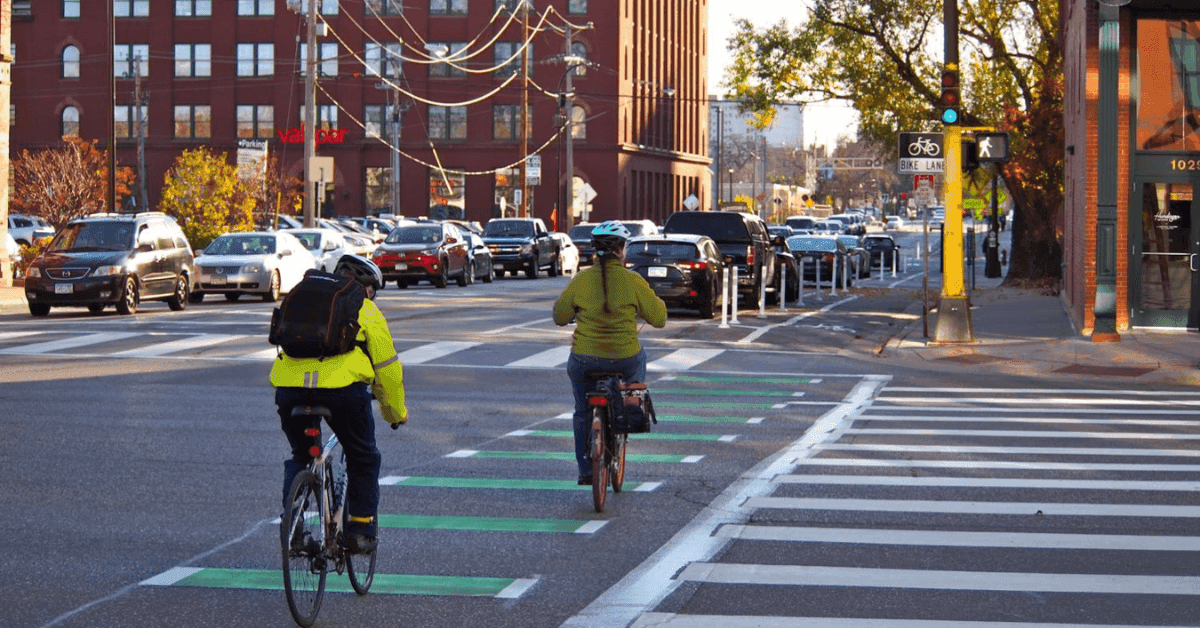
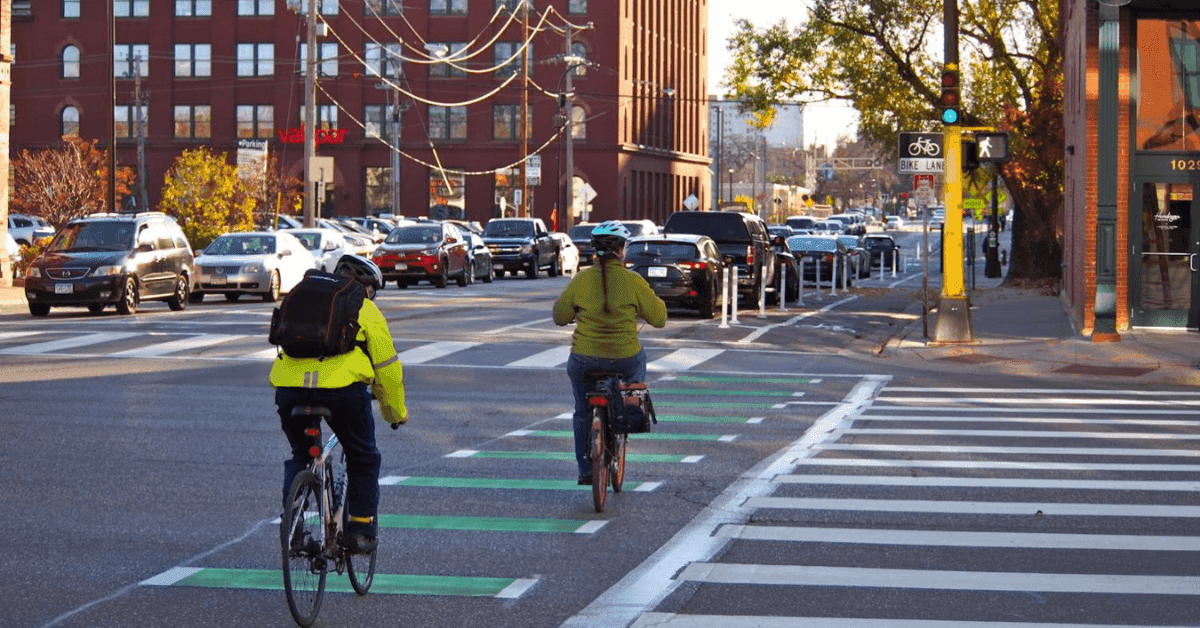
6. Building bike and pedestrian infrastructure where it doesn’t make sense: Who says bike and pedestrian infrastructure actually need to help people get where they need to go? Build a sidewalk to nowhere or paint a bike lane along a busy highway that no person would feel safe using. You can check the box for investing in mobility options without making it any easier or safer for the people who need this infrastructure the most.
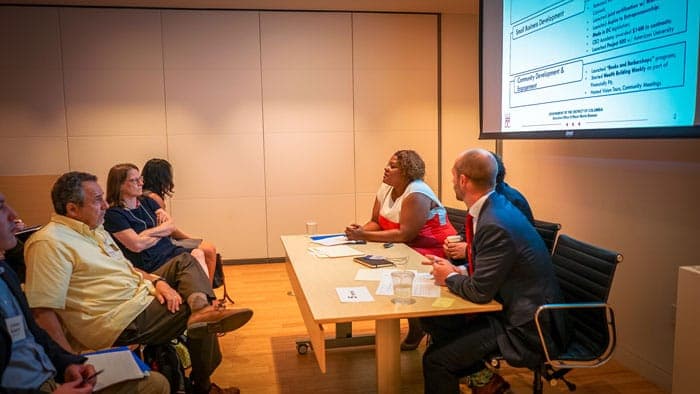
7. Calling for collaboration and partnerships as a way to avoid taking responsibility: Why take responsibility for making roads safer when you can form another committee to talk about it? The private sector and community members definitely have a role to play in improving safety, and can be important advocates for change. But at the end of the day, there’s one group with the authority to redesign dangerous roads: our transportation officials. It’s literally their job.
If all that sounds like a lot of work just to avoid making progress, there is another option: making safety your actual priority. We already have proven street design strategies that save lives. We don't need another study, catchy slogan, or technological breakthrough to get started. What we need are leaders willing to make different choices today.
Because if safety is just another talking point, saving lives will always take a back seat to the status quo.
Related News





Livable places. Healthy people. Shared prosperity.


© 2026 Smart Growth America. All rights reserved
Site By3Lane Marketing
