




News
By Joseph Mendonca, June 18, 2026
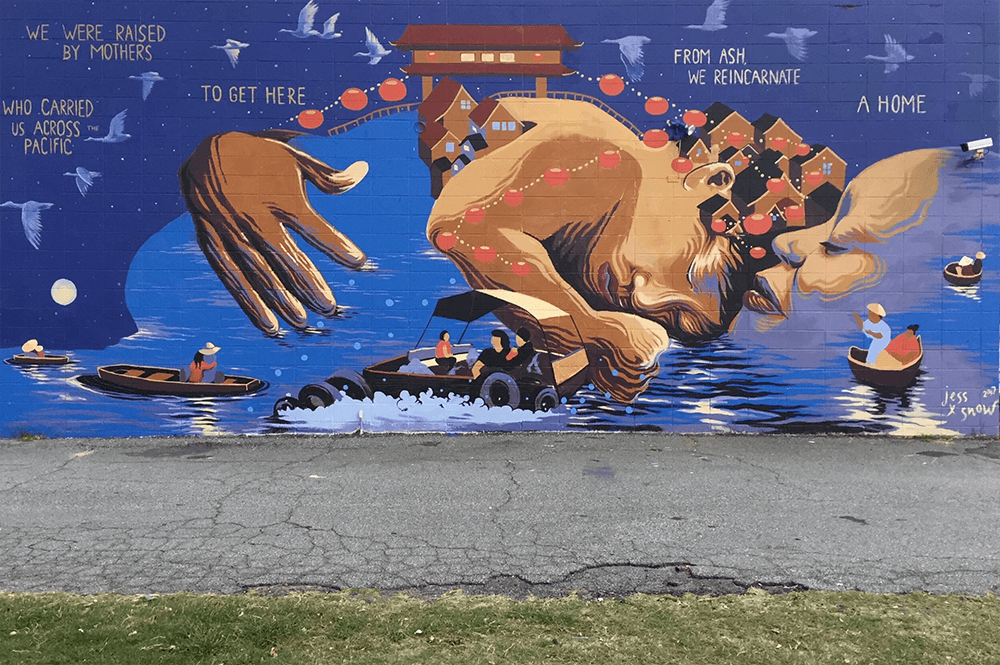
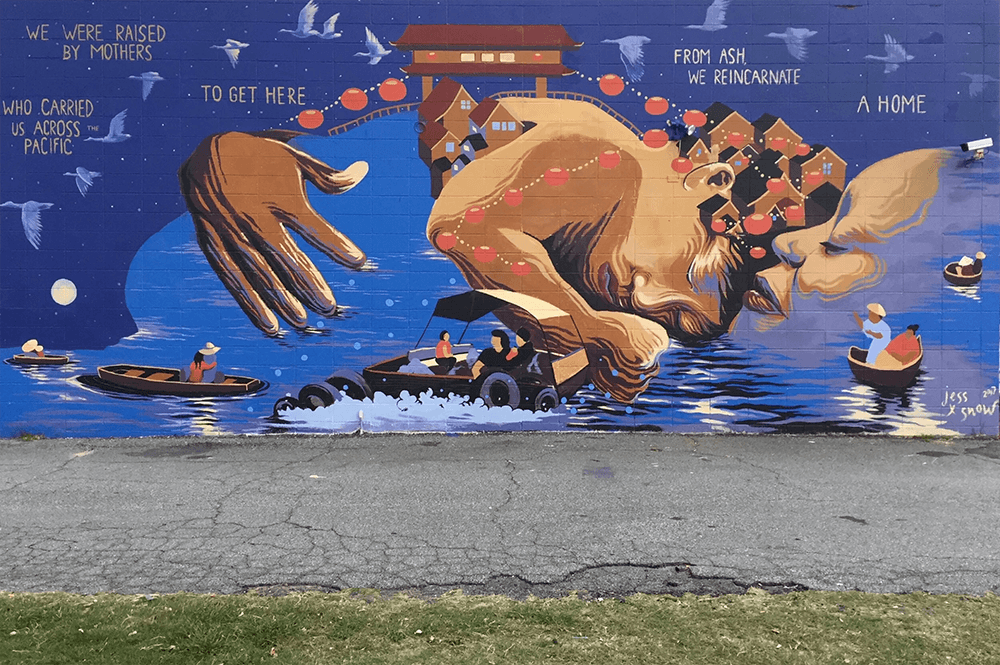
Through the Outside In project, Smart Growth America is exploring the underrecognized histories of Asian American and Pacific Islander communities across the suburban South, where many of these communities reside. Oftentimes, these communities have already reshaped their surrounding physical and cultural landscapes. Outside In advances this cultural organizing and power-building by supporting communities working to improve housing, transportation, and planning systems and processes that define their neighborhoods and built environments.
Asian American and Pacific Islander (AAPI) communities are among the fastest-growing groups in the U.S. While California, New York, and Hawaii remain demographic strongholds, many states across the South and Midwest are seeing even faster growth in their AAPI populations, with an increasingly suburban and exurban trajectory. As the country’s foremost expert on the costs of sprawl, Smart Growth America’s Outside In project seeks to delve deeper into underrecognized AAPI places in the American South, focusing on the Atlanta, Dallas, and Memphis regions, and identify strategies to support community stewardship of future development.
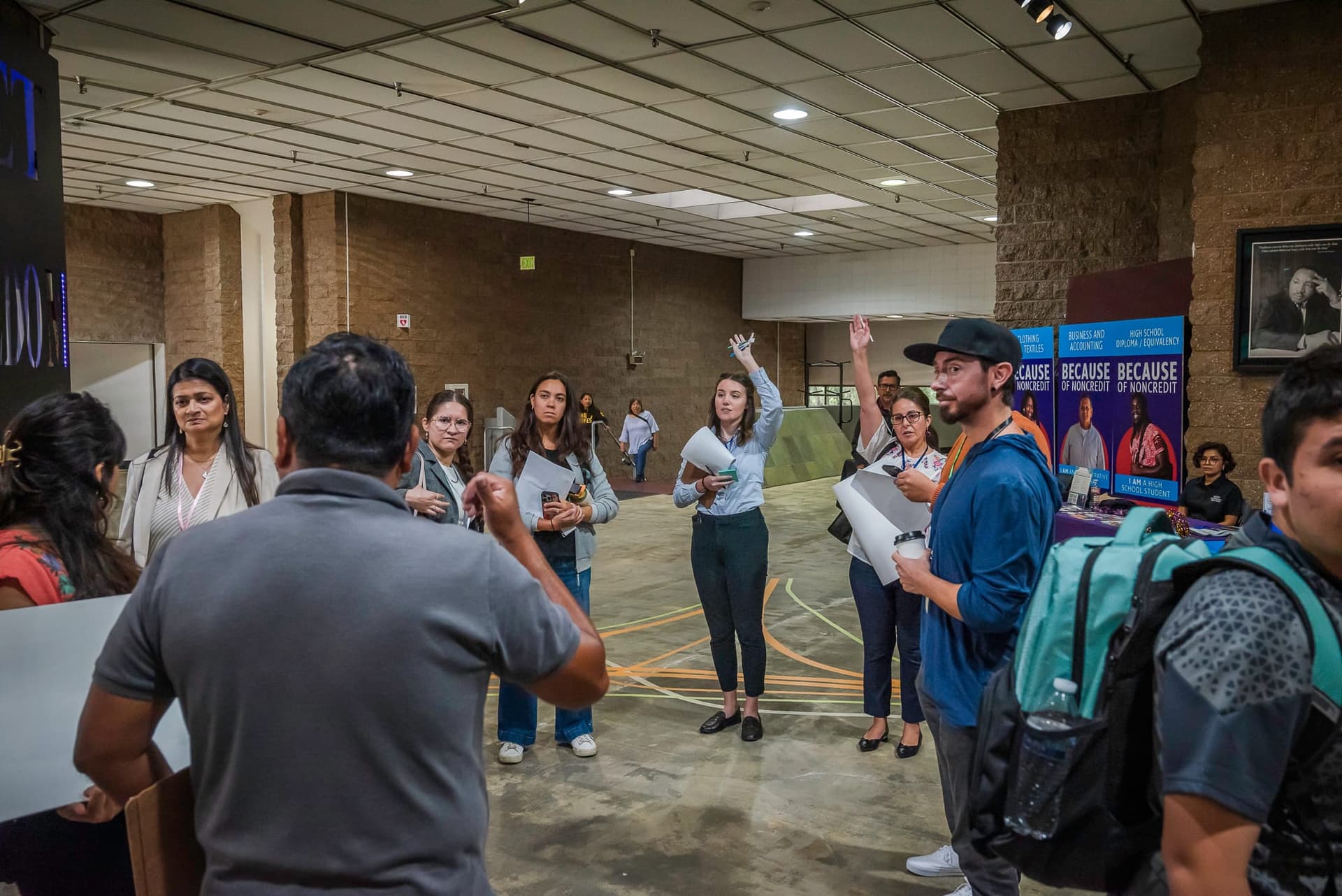
As part of this project, SGA convenes historians, artists, planners, culture workers, community leaders, and other stakeholders to chronicle the histories and cultural landscapes of southern AAPI communities. Through six virtual sessions, this network will build a shared understanding of Southern AAPI history, housing, transportation, and planning systems, using culturally sensitive approaches to oral history and community storytelling. These sessions will culminate in cultural and historical preservation efforts by the Outside In community partners that highlight how AAPI communities have reshaped Southern suburban landscapes.
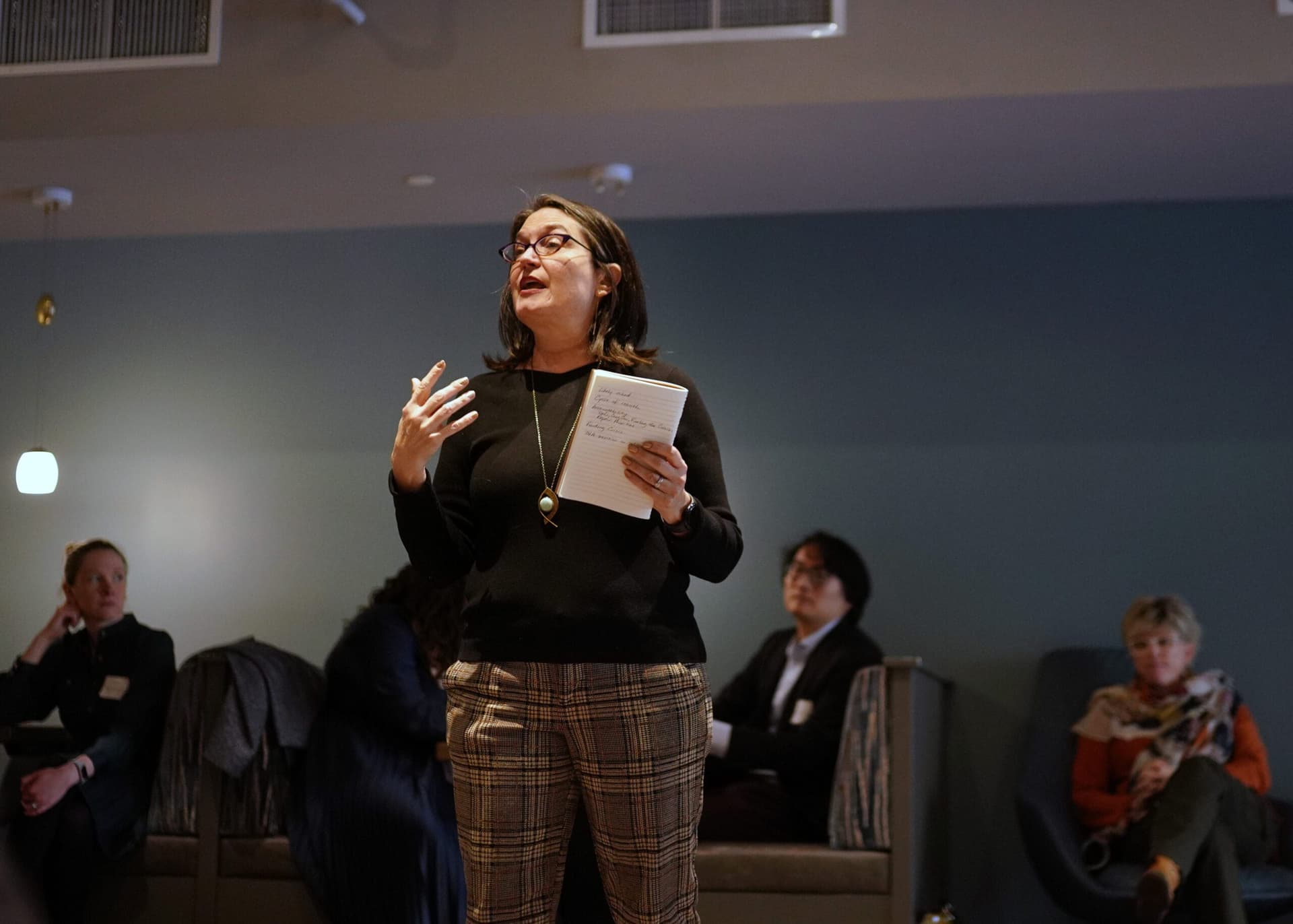
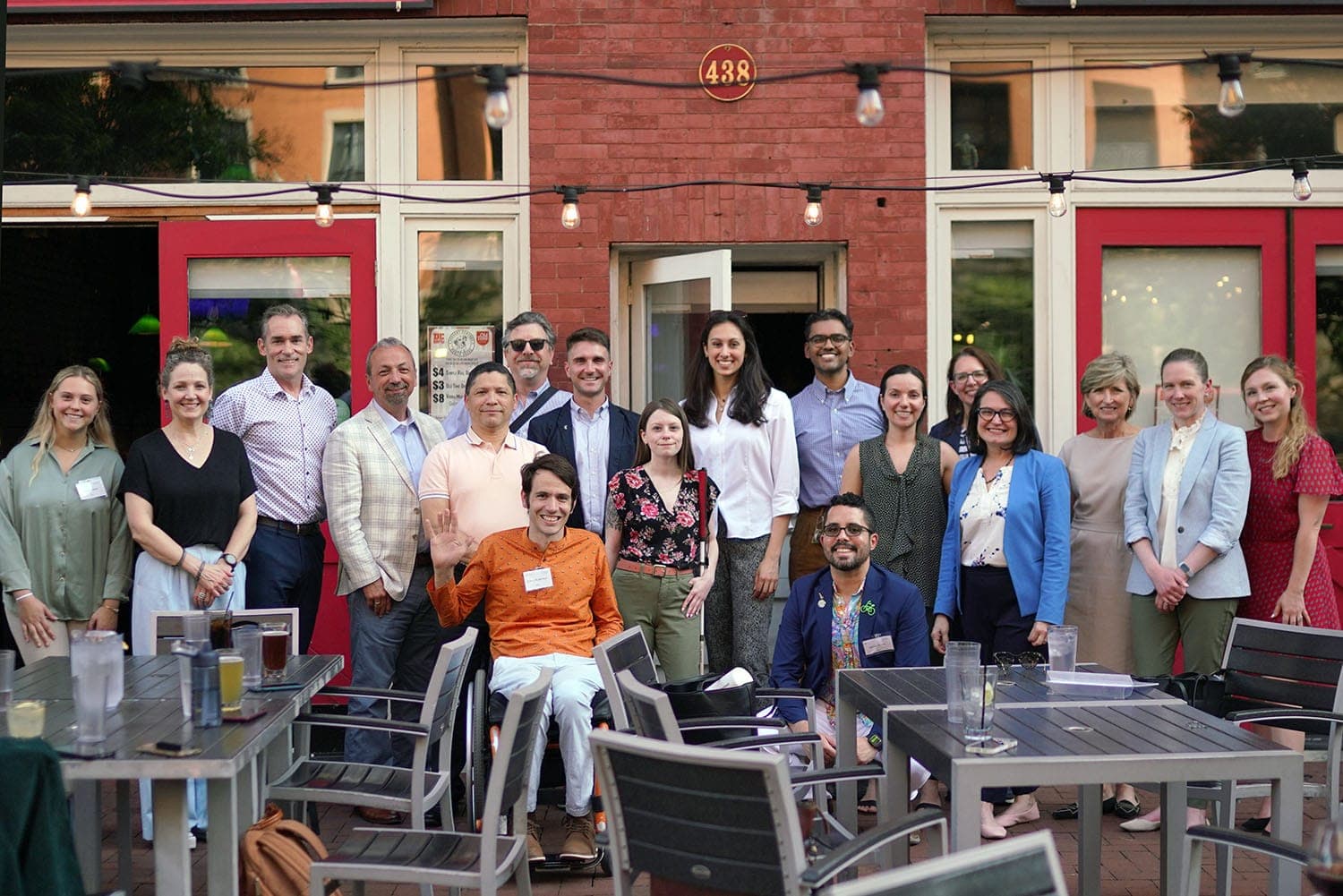
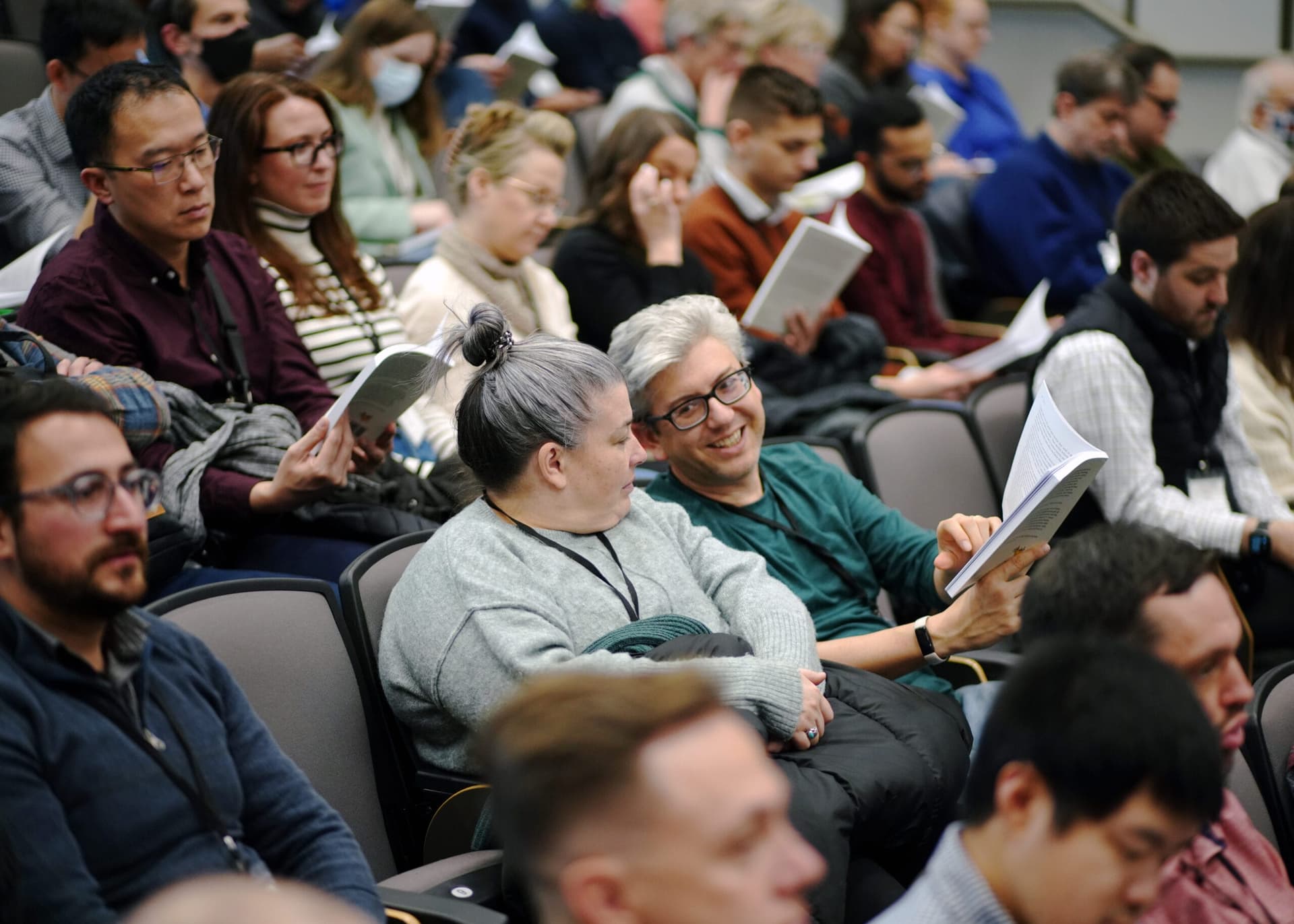
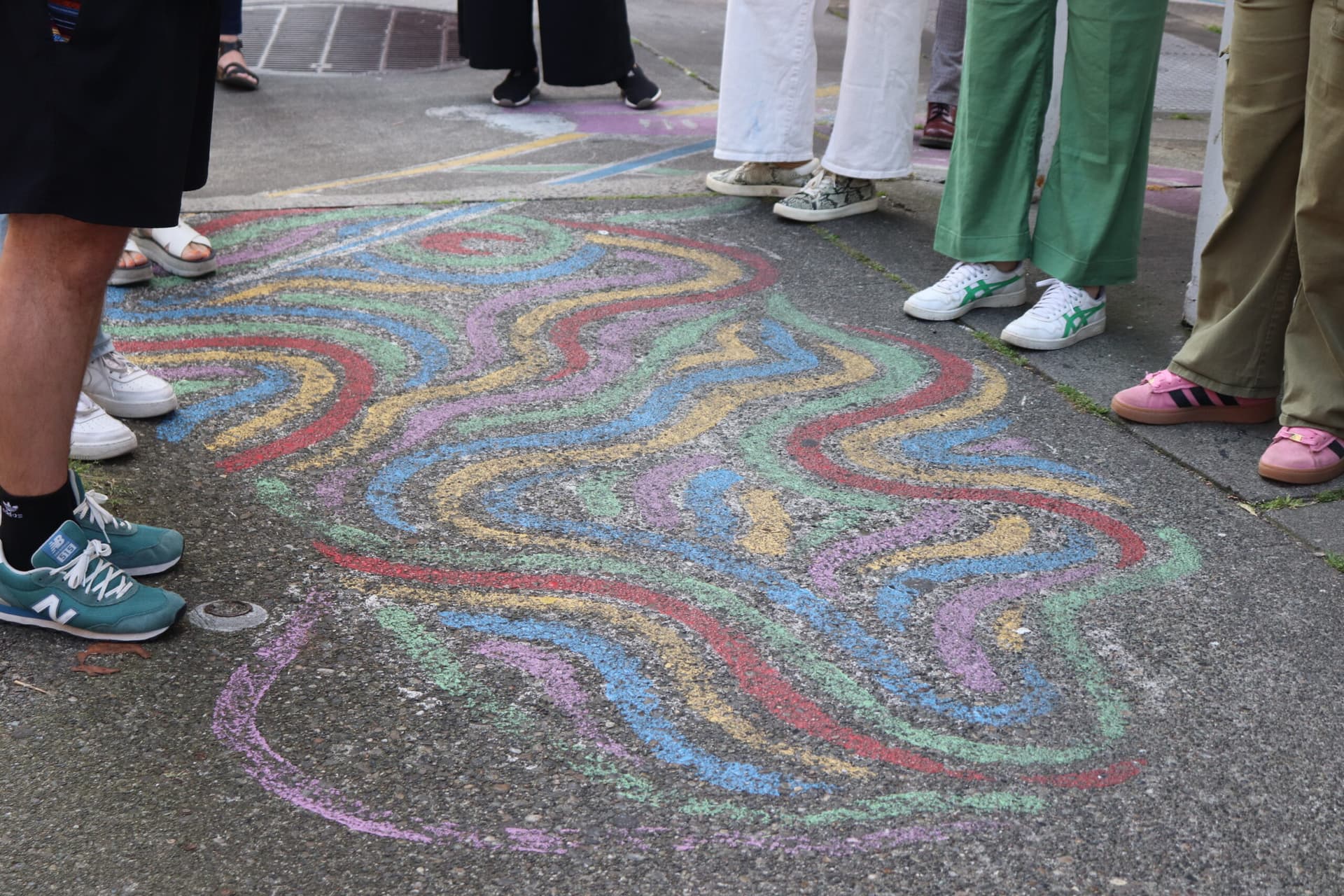
During the second session last month, experts in land use and transportation planning, urban studies research, and community development shared their perspectives on and experiences with suburban AAPI communities.
— Dr. AJ Kim, Stanford Humanities Center
Across the South, AAPI communities are suburbanizing
To inform efforts on cultural and historical preservation in our Outside In focus regions, SGA analyzed recent AAPI demographic changes across the Atlanta, Dallas, and Memphis metropolitan areas using 2020 Census definitions.
Atlanta region
Around Atlanta, the AAPI population grew by more than 250,000 people between 2000 and 2020, representing about 6.5 percent of the region’s population. This growth has been especially concentrated northeast of the city proper, with smaller cities like Alpharetta, Duluth, and Johns Creek seeing significant gains.
Dallas region
Around Dallas, the AAPI population grew by more than 400,000 people between 2000 and 2020, representing almost 8 percent of the region’s population at the turn of the decade. This growth has been concentrated in the suburbs north and west of the City of Dallas, particularly in Plano, Frisco, and Irving.
Memphis region
In the Memphis area, the AAPI population grew by 16,000 people from 2000 to 2020, reaching almost 2.5 percent of the region’s population. In 2020, much of the AAPI population resided in southeastern Shelby County outside of the City of Memphis, especially in Germantown and Collierville.
In all three regions, AAPI growth has been starkly concentrated in the suburbs, particularly around pre-existing centers and into the outer suburbs and exurbs. Population centers of AAPI groups have consistently shifted toward the outskirts of metropolitan areas, far more than the overall population.
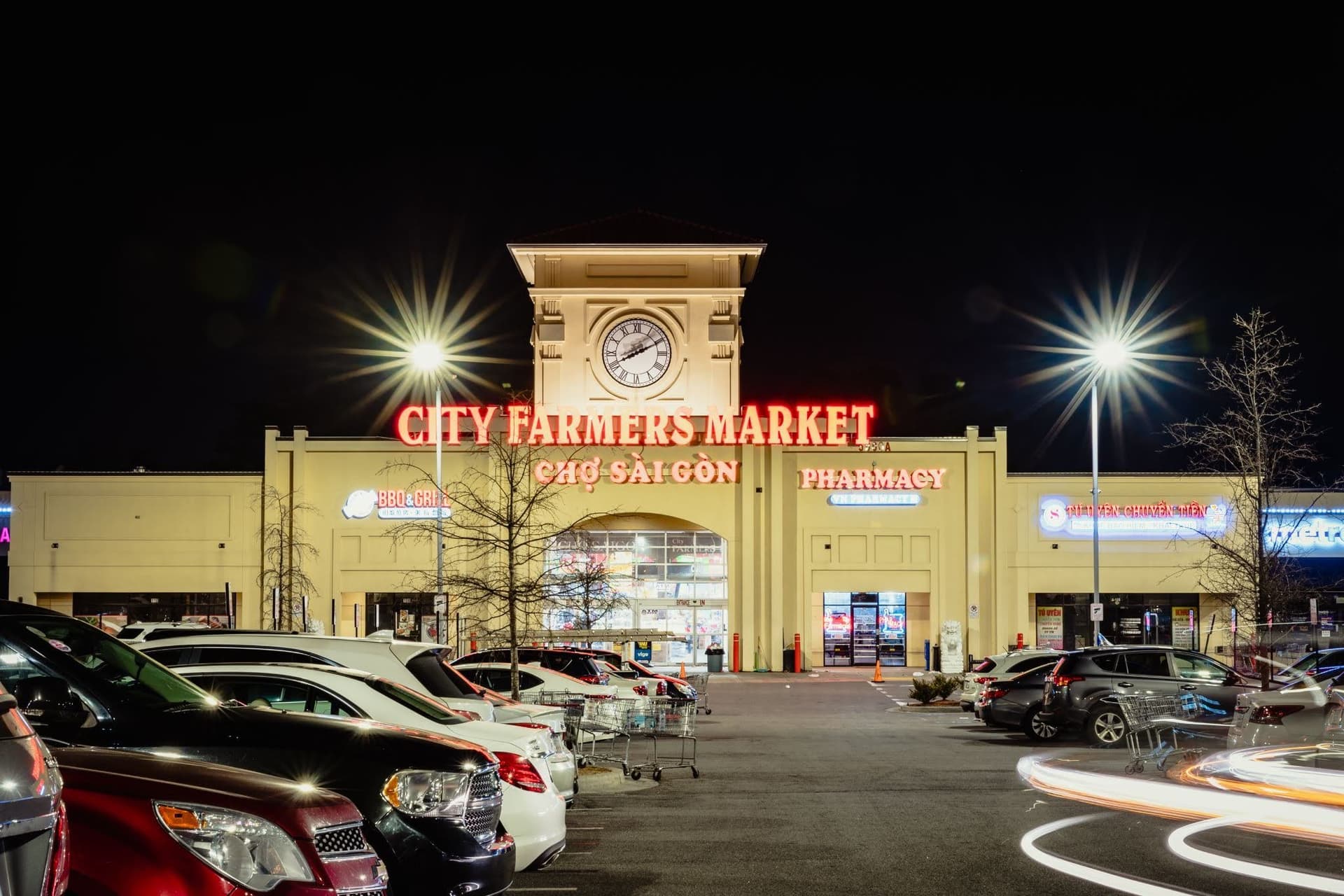
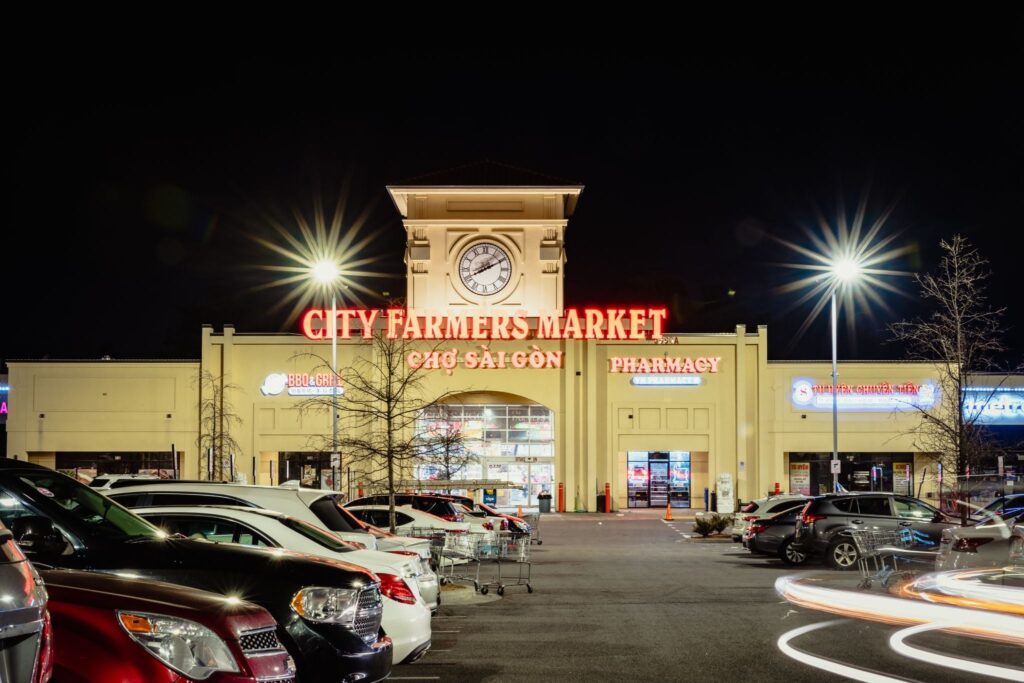
With this rapid growth, AAPI communities have reshaped many of these suburban landscapes. In the Atlanta region, the Buford Highway corridor is a notably diverse gathering point for AAPI, Hispanic, and other immigrant communities. In the Dallas region, ethnic grocers and retail ecosystems have sprung up, developed by and catering to the region’s growing AAPI population, and we see a similar story in Memphis.
— Steven Higashide, Union of Concerned Scientists
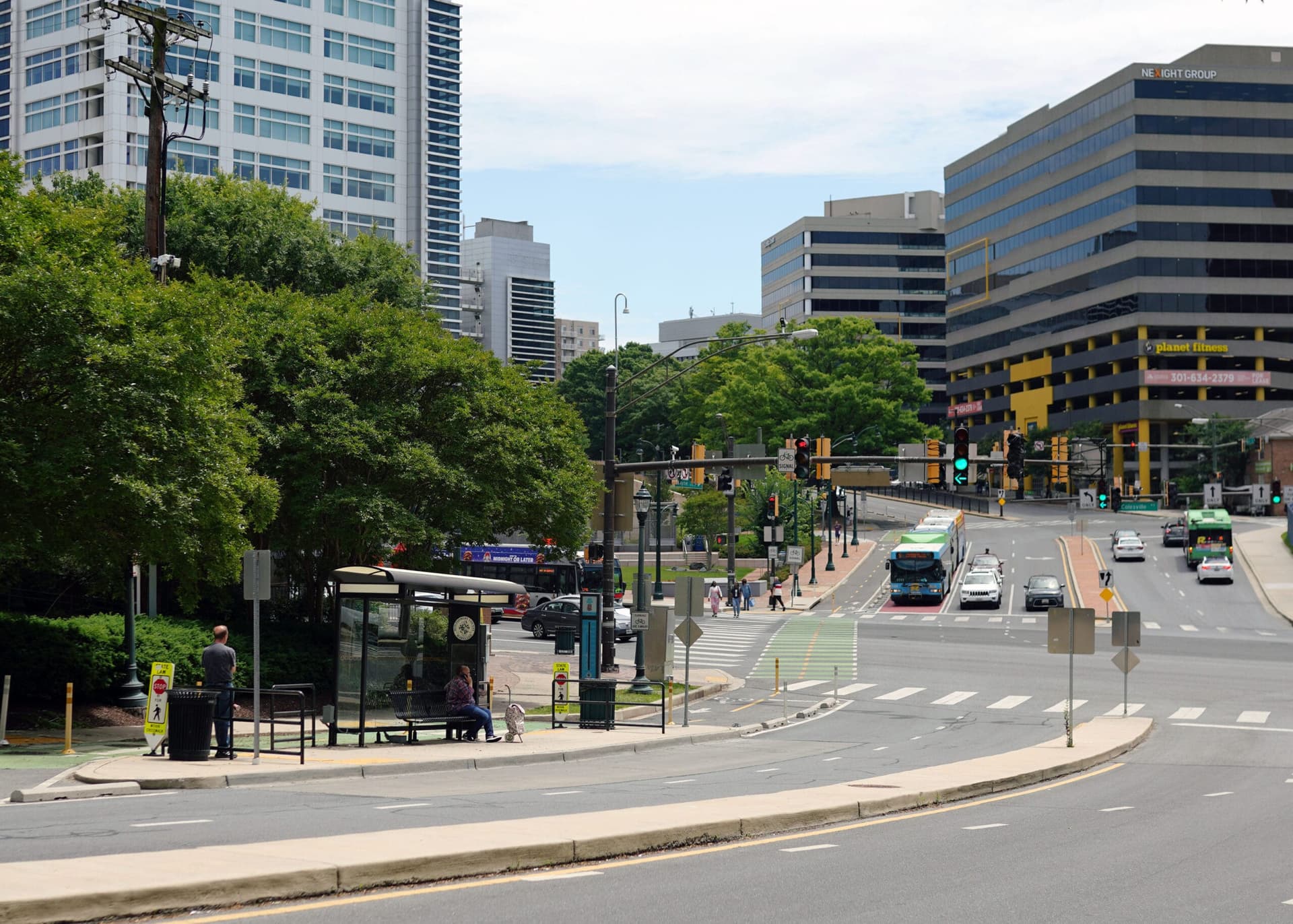
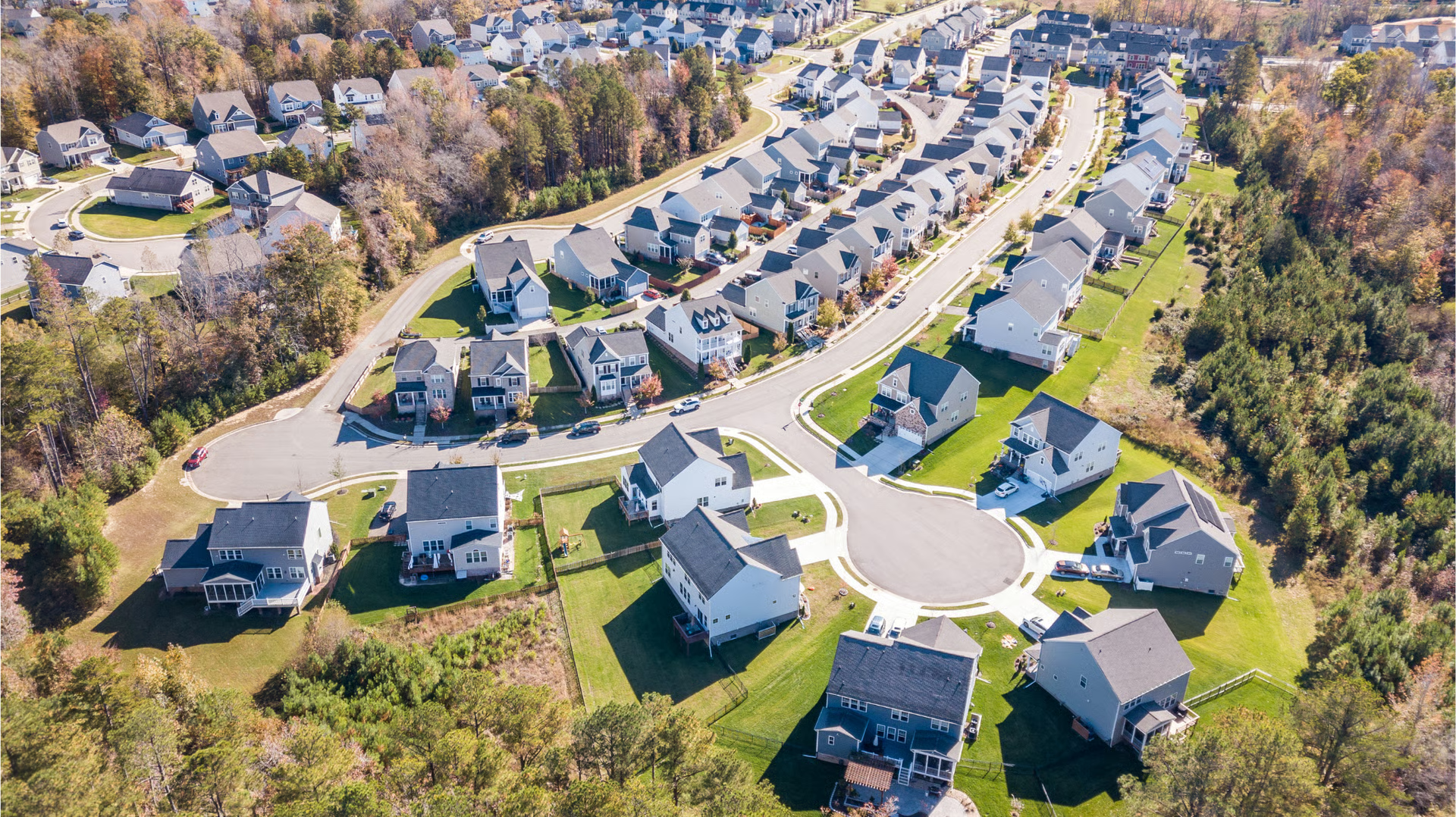
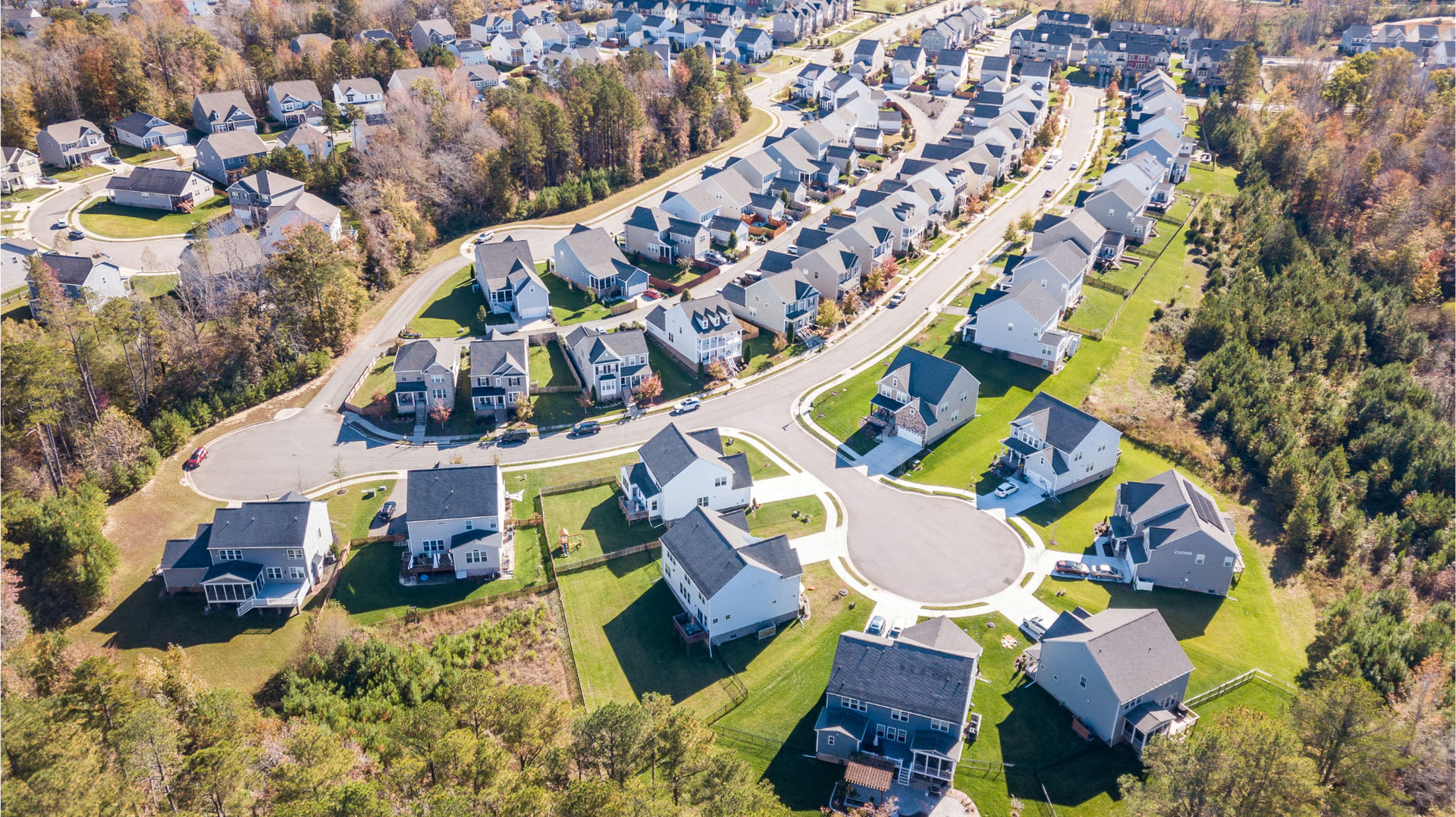
However, these suburban AAPI communities still face challenges common to suburbs in the U.S. Walkability and transit access remain limited, making it difficult and dangerous for people to get around without a car. Restrictive zoning that prioritizes single-family homes limits housing production, increasing the risk of displacement as housing costs continue to rise. And the continued outward growth and movement of AAPI communities means they will continue to experience other costs of sprawl, including worse economic mobility, health and safety outcomes, and other quality-of-life indicators.
What zoning reform means for suburban AAPI communities in the South
With a housing crisis squeezing affordability in communities across the country, many state and local governments are reforming their zoning codes to spur housing construction and lower prices, loosening restrictions on where and what types of housing can be built.
These reforms provide an opportunity for suburban AAPI communities to reshape planning processes and guide the future of the places where they live—but planners and local officials must first build trust with these communities. Like many communities of color, AAPI communities contend with the legacies of discriminatory land-use decisions and housing policies, as well as ongoing exclusionary and opaque government systems and processes.
Working with artists, culture workers, and other community leaders can lay the groundwork and establish mechanisms for meaningful engagement, allowing community members to guide and shape the entire process.
— Samyukth Shenbaga, Atlanta Regional Commission
By making the work of communities to reshape their built environment visible and legible, we can support and sustain the work AAPI communities have already started. Reforming land-use, housing, and transportation policies can allow more housing types that foster multigenerational households, safer streets where residents can walk to ethnic grocery stores or communal spaces, and transit systems that effectively serve surrounding communities.
Along with participating in standard planning processes, AAPI community members can build on decades of informal suburban redevelopment by documenting their own histories, building coalitions across ethnic and geographic lines, and showing up collectively in planning and policy conversations to demand accountability. Sustained presence and power can reshape the terms of engagement, moving from participation to long-term stewardship and community control.
— Steven Higashide
What’s coming next from Outside In
Over the next year, our partners at 85 Community Development Corporation in Atlanta, Dallas Asian American Historical Society in Dallas, and Rhodes College in Memphis will gather the histories and stories of suburban AAPI communities. These stories will inform public cultural and historical knowledge, community stewardship and development decisions, and preservation strategies designed and led by these communities.
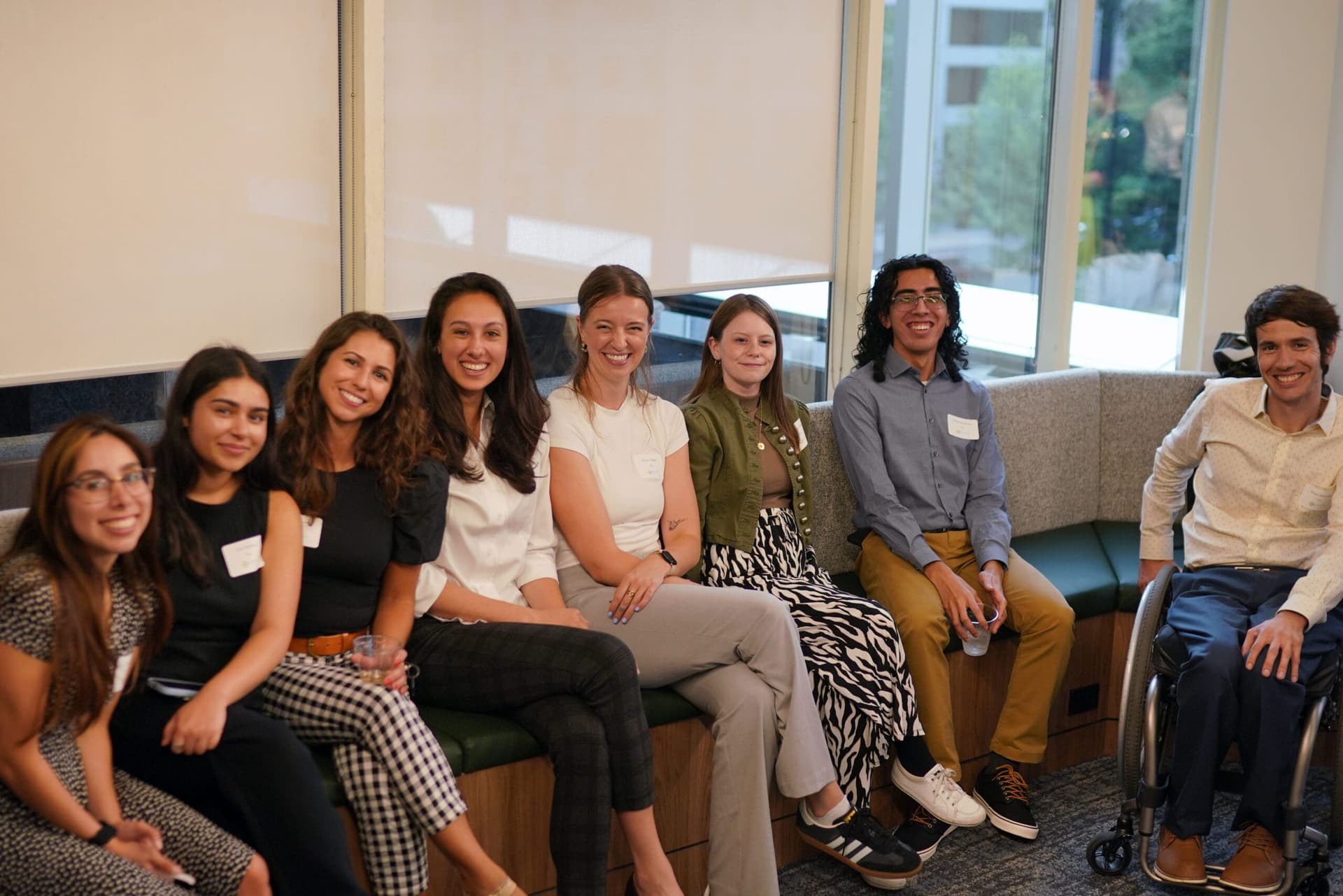
The remaining virtual sessions will bring together the community partners and eight artists and cultural workers in our Outside In Arts and Culture Fellowship to develop storytelling skills for oral histories, analyze planning power structures and advocacy tactics, and consider how creative projects can surface stories, build power, and create lasting cultural infrastructure. If you are interested in partnering with or supporting this work, please reach out to us at outsidein@smartgrowthamerica.org.
Related News






Livable places. Healthy people. Shared prosperity.


© 2026 Smart Growth America. All rights reserved
Site By3Lane Marketing
